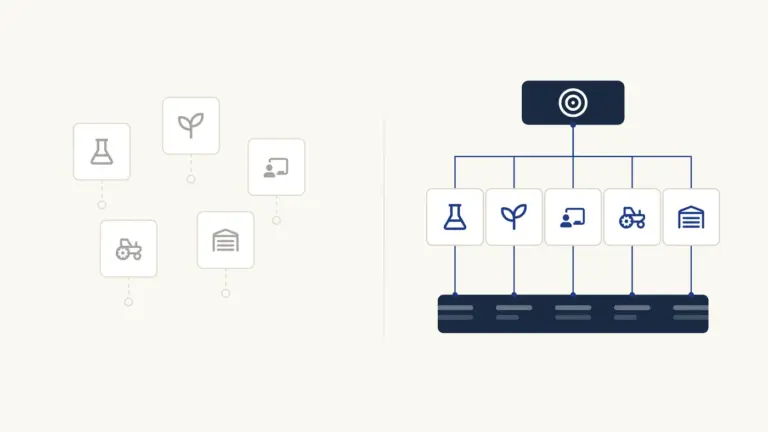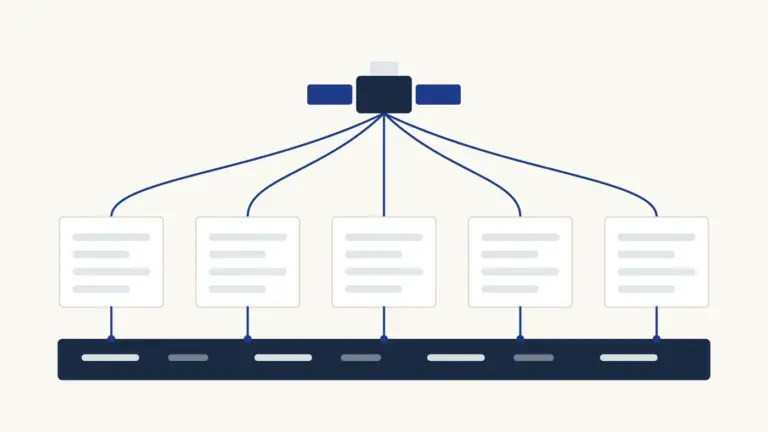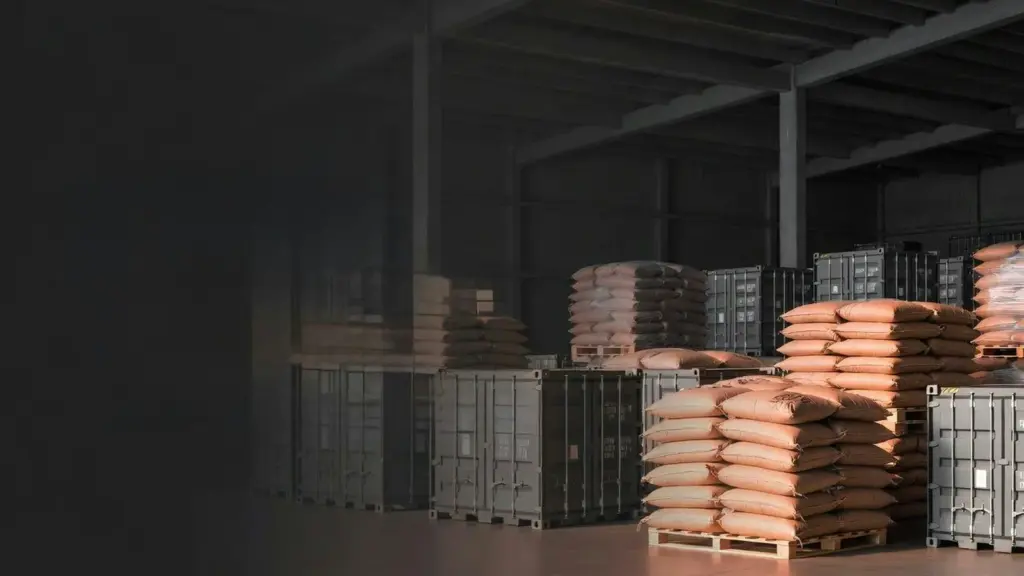
India’s food management system is asked to do four incompatible things at once, and its buffer stock is where that contradiction shows up as physical grain sitting in godowns. The stock is meant to guarantee remunerative prices to farmers, hold reserves for emergencies, supply subsidised grain through the public distribution system, and stabilise open market prices. Four objectives, one instrument.
When one instrument carries four mandates, it optimises for none of them. That is the analytical core of this topic.
What the Central Pool Is Supposed to Hold
Foodgrain stocking norms define the level of stock in the Central Pool sufficient to meet operational requirements and contingencies at any point. Three components make it up.
- Operational stocks: for monthly releases through the public distribution system
- Strategic stocks: to meet unforeseen events and underwrite food security
- Market intervention stocks: for release into the open market to moderate prices, through the Open Market Sale Scheme
Norms are fixed quarterly, prescribing minimum quantities of wheat and rice to be held at the beginning of January, April, July and October. The quarterly structure reflects the seasonality of procurement and offtake.
Where the System Breaks
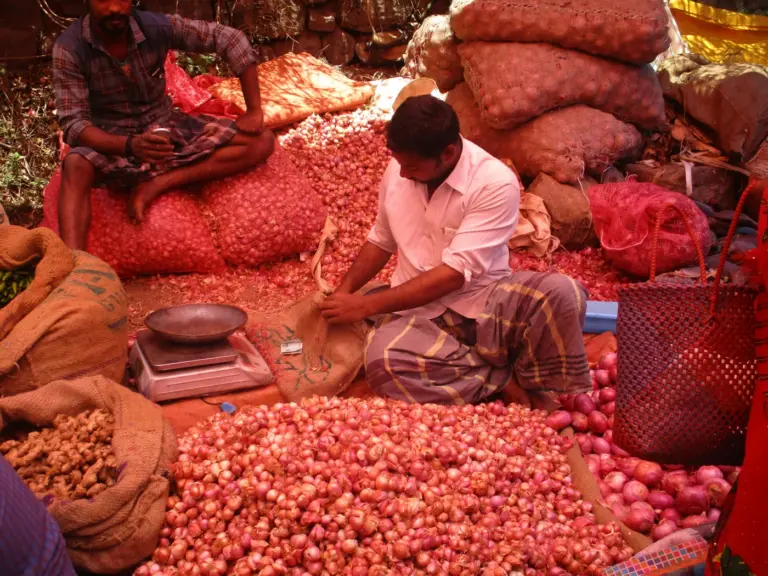
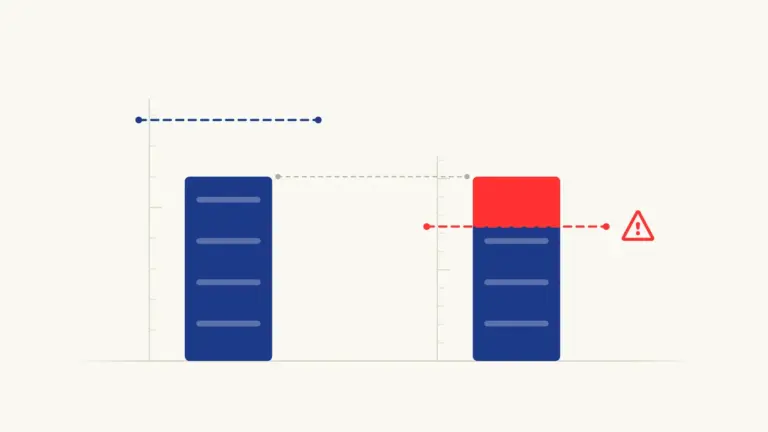
Over-procurement. Procurement routinely exceeds operational and buffer requirements. In 2020-21, the Food Corporation of India and state agencies procured about 132 million tonnes of cereals against an annual National Food Security Act requirement of roughly 65 million tonnes. Excess inventory brings high carrying costs, storage constraints and grain that deteriorates while it waits.
Pro-cyclical procurement. A buffer should absorb in surplus years and release in scarce years. Instead, procurement continues even during supply-constrained years to meet distribution commitments. That removes supply from the market precisely when supply is tight, and pushes prices up. The instrument designed to stabilise prices ends up amplifying them.
MSP as a procurement price. Minimum Support Price was conceived as a floor. Assured procurement of rice and wheat has converted it into a guaranteed purchase, which encourages overproduction and concentrates it in a handful of states. The cropping-pattern consequences are severe: water-intensive paddy in low-rainfall Punjab and Haryana persists because the state guarantees the purchase.
The economic cost to issue price gap. Procurement, storage and distribution costs keep rising. The Central Issue Price has remained deeply subsidised, and is effectively zero under the free foodgrain scheme. The gap is the food subsidy, and it widens structurally rather than cyclically.
Inefficient inventory management. Absent systematic rotation, older stock sits while newer stock is added, and grain quality deteriorates in storage.
The Decentralised Procurement Alternative
The Decentralised Procurement Scheme lets state governments and their agencies procure, store and distribute rice, wheat and coarse grains within their own states, against Government of India allocations for the Targeted Public Distribution System and other welfare schemes, with reimbursement based on agreed costs.
Its advantages are real.
- Efficiency: local procurement and local distribution cut transport, handling and storage costs, reducing the food subsidy
- Wider MSP access: local procurement extends the benefit of Minimum Support Price to farmers outside the traditional surplus states
- Regional dietary fit: procurement can follow what people in that state actually eat, including coarse grains
The problem is adoption. More than twenty years after the scheme began, a parliamentary committee found it had been taken up by only a handful of states for wheat and about fifteen for rice. The constraint is infrastructure, not principle, which means it is fixable with capital rather than with a new policy.
What an Honest Reform Would Do
The first move is to stop asking one instrument to do four jobs.
- Separate price support from procurement. Deficiency payments or price-difference schemes can support farm income without the state taking physical delivery of grain it does not need.
- Make releases automatic. Tie OMSS releases to a stock-to-norm ratio, so that liquidation happens by rule rather than by discretion. Discretionary release is why stocks accumulate.
- Expand decentralised procurement. Fund state-level storage so that DCP becomes feasible in the states that have stayed out.
- Widen the procurement basket. Coarse grains and pulses procured at scale would relieve the water and soil pressure that paddy and wheat concentration creates.
- Index cash transfers where they replace grain. If cash substitutes for grain, it has to be indexed to food inflation, or the beneficiary loses purchasing power quietly.
The Way Forward
The buffer stock exists for a good reason. A country that has known famine does not treat food reserves casually, and the strategic component deserves defending. What deserves scrutiny is the accumulation beyond any plausible strategic need, funded by a subsidy bill that grows every year, storing grain that loses quality while it waits.
A buffer that never empties is not a buffer. It is a warehouse.
Frequently Asked Questions
What is buffer stock?
Buffer stock refers to the foodgrain held in the Central Pool at a level sufficient to meet operational requirements and unforeseen contingencies. It has three components: operational stocks for monthly public distribution releases, strategic stocks for emergencies, and market intervention stocks released through the Open Market Sale Scheme to moderate prices.
How are buffer stock norms fixed?
The government prescribes minimum quantities of wheat and rice to be held in the Central Pool at the beginning of each quarter, that is on 1 January, 1 April, 1 July and 1 October. The norms differ by quarter because procurement and offtake are seasonal.
What is the Open Market Sale Scheme?
OMSS is the mechanism through which the Food Corporation of India sells surplus stock in the open market to moderate prices and reduce carrying costs. It is the release valve of the buffer stock system, and it is used less aggressively than the accumulation of stock would justify.
Why is over-procurement a problem?
Because procurement regularly exceeds both operational and buffer requirements. In 2020-21, the Food Corporation of India and state agencies procured about 132 million tonnes of cereals against an annual National Food Security Act requirement of roughly 65 million tonnes. The excess creates carrying costs, storage constraints and quality deterioration.
What is pro-cyclical procurement?
Ideally the state buys in surplus years and releases in shortage years. In practice procurement continues even in supply-constrained years to meet distribution commitments, which tightens market supply exactly when it is scarce and pushes prices up. That is pro-cyclical, and it is the opposite of what a buffer is for.
How has MSP become a procurement price?
Minimum Support Price was designed as a floor that supports prices when markets fall. Because procurement of rice and wheat is assured, MSP now functions as a guaranteed purchase price for those two crops. That converts a price-support instrument into a production incentive, encouraging overproduction and regional concentration in Punjab, Haryana and western Uttar Pradesh.
What is the gap between economic cost and Central Issue Price?
Economic cost is what it costs the state to procure, store and distribute a quintal of grain. Central Issue Price is what recipients pay. Economic cost keeps rising while the issue price has remained deeply subsidised and is effectively zero under the free foodgrain scheme, so the food subsidy bill grows structurally.
What is the Decentralised Procurement Scheme?
Under DCP, state governments and their agencies procure, store and distribute foodgrains within their own states against Government of India allocations, and are reimbursed accordingly. It cuts transport and handling costs, widens MSP access to local farmers and matches distribution to regional dietary preferences. Adoption has been limited: more than two decades after launch, only a minority of states had taken it up for wheat and about fifteen for rice.
Practice Questions
Prelims MCQs
- Buffer stock norms in India are fixed for which dates?
(a) 1 January, 1 April, 1 July, 1 October
(b) 1 March and 1 September only
(c) 1 April and 1 October only
(d) The first day of every month
Answer: (a) Norms are prescribed quarterly, at the beginning of January, April, July and October. - Which of the following is not a component of the Central Pool stocking requirement?
(a) Operational stocks
(b) Strategic stocks
(c) Market intervention stocks
(d) Export promotion stocks
Answer: (d) The three components are operational, strategic and market intervention stock; export promotion is not a stocking objective. - The Open Market Sale Scheme is used primarily to
(a) Procure grain at MSP
(b) Release stock to moderate open market prices
(c) Distribute free grain under NFSA
(d) Export surplus wheat
Answer: (b) OMSS releases stock into the open market to moderate prices and reduce carrying costs. - Under the Decentralised Procurement Scheme, procurement is carried out by
(a) The Food Corporation of India alone
(b) State governments and their agencies
(c) Private traders licensed by the Centre
(d) Cooperative banks
Answer: (b) DCP allows state governments and their agencies to procure, store and distribute within the state against central allocations. - Pro-cyclical procurement refers to
(a) Buying in surplus years and releasing in deficit years
(b) Continuing procurement even in supply-constrained years
(c) Procuring only from cooperative societies
(d) Linking procurement to export prices
Answer: (b) Continuing to procure in a tight year removes supply from the market and raises prices, the opposite of buffering.
Mains Questions
- Buffer stocking in India is asked to serve four objectives with one instrument. Examine the consequences and suggest an unbundling. (250 words)
- MSP-backed procurement has turned a price-support mechanism into a production incentive. Critically analyse its effects on cropping patterns and fiscal costs. (250 words)
- Evaluate the Decentralised Procurement Scheme as a solution to the inefficiencies of centralised food management. Why has adoption been limited? (150 words)
- Discuss the widening gap between economic cost and central issue price and its implications for fiscal sustainability. (150 words)
- Suggest reforms to make India's foodgrain buffer counter-cyclical rather than pro-cyclical. (250 words)
Tell Google you want more of this.
Add Anantam IAS as a preferred sourceOne tap, and this site shows up more often in your own Top Stories, AI Overviews and AI Mode. Remove it any time.