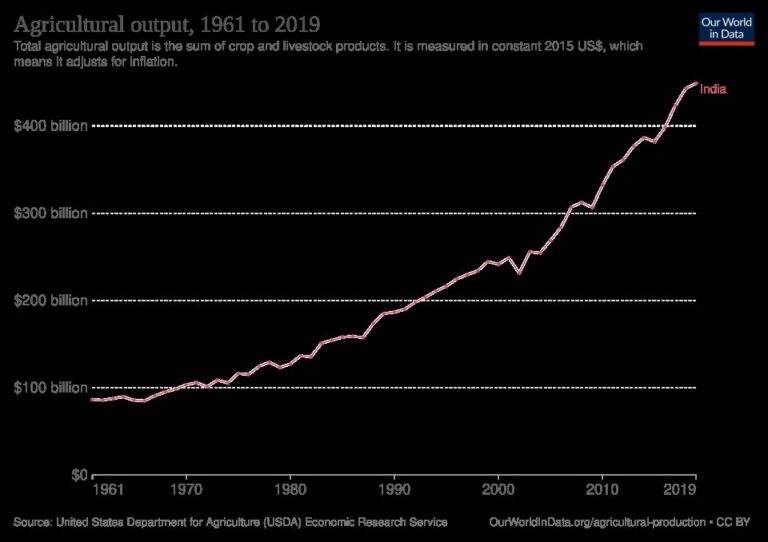
PM Kisan Samman Nidhi: ₹6,000 Income Support Scheme Explained
PM Kisan Samman Nidhi explained — ₹6,000 yearly DBT to farmers, eligibility, exclusions, latest installment data, and delisting controversy. UPSC notes.

Category
Everything published under Study Notes on Anantam IAS, newest first.
3454 articles
PM Kisan Samman Nidhi explained — ₹6,000 yearly DBT to farmers, eligibility, exclusions, latest installment data, and delisting controversy. UPSC notes.

The repo rate is the single most powerful number in Indian monetary policy. It is the interest rate at which the Reserve Bank of…

The base year of India's Wholesale Price Index (WPI) was revised to 2022–23 (2022–23 = 100) with effect from 15 June 2026, replacing the…
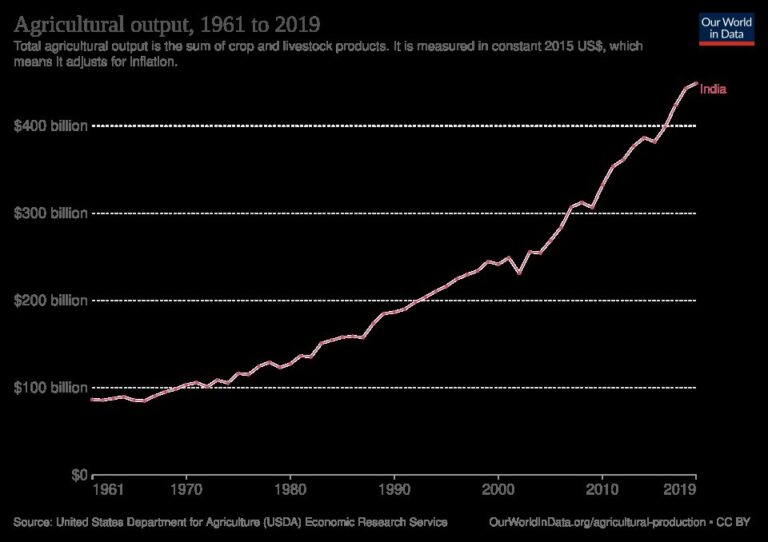
MGNREGA 2005 explained for UPSC — 100 days of guaranteed wage employment, social audit, demand-driven design, latest budget, ABPS payment, and impact studies.

The Monetary Policy Committee is the six-person body that decides India's policy interest rate. It is the most consequential institutional reform in the history…
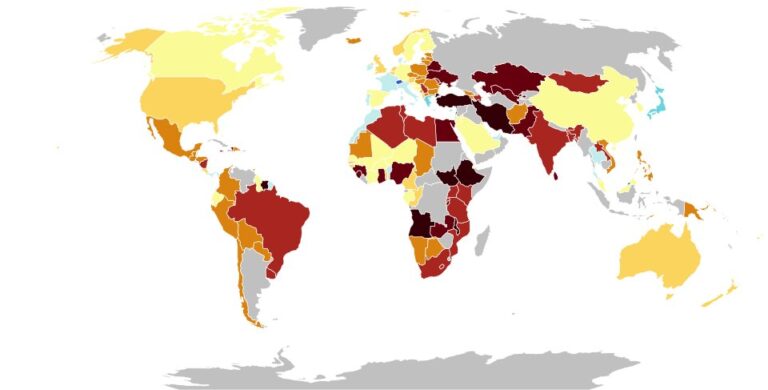
The Consumer Price Index is the most closely watched price gauge in India because it sits at the centre of every monetary policy decision…

The cash reserve ratio is the fraction of every rupee of deposits that an Indian bank must keep, in cash, with the Reserve Bank…

The Balance of Payments is the systematic record of every economic transaction between residents of India and the rest of the world during a…

Morley-Minto Reforms 1909 (Indian Councils Act 1909) introduced separate electorates for Muslims, expanded legislative councils and seeded communal politics in colonial India. UPSC Polity…

Montagu-Chelmsford Reforms 1919 (Government of India Act 1919) introduced dyarchy in provinces, bicameralism at centre and the statutory Simon Commission promise. UPSC Polity notes.
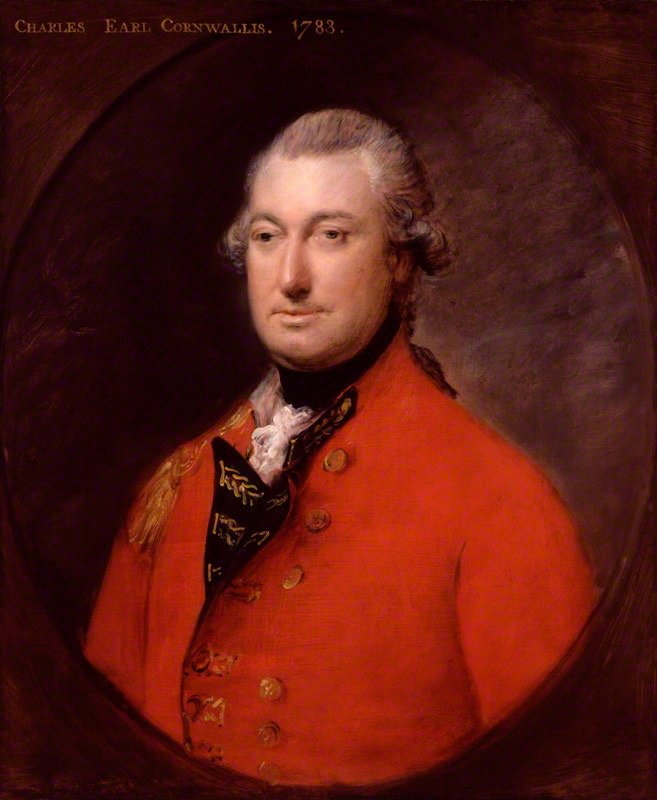
The Permanent Settlement of 1793 fixed land revenue in perpetuity on Bengal, Bihar and Orissa zamindars under Lord Cornwallis. UPSC notes on the Sun-set…
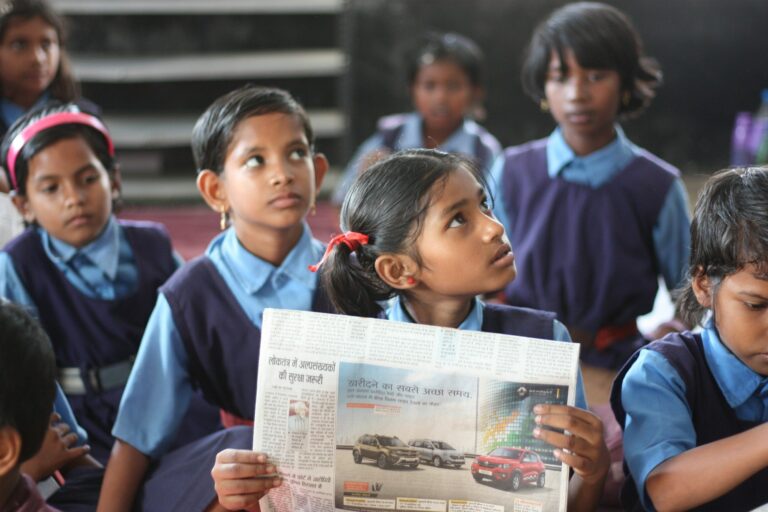
NEP 2020 explained for UPSC: 5+3+3+4 school structure, foundational literacy, ECCE, multilingualism, four-year UG, HECI, GER 50% target, vocational education and critique.