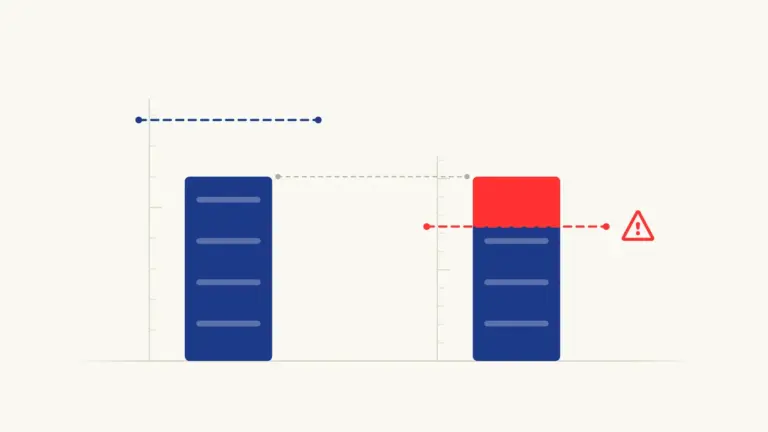
An Indian farmer who moves one hectare from cereals to horticulture can raise annual income by around Rs 80,000, on the Dalwai Committee’s own estimate. Most farmers do not make that move. Crop diversification is therefore not a problem of awareness or of agronomy. It is a problem of risk, and of a policy structure that removes risk from two crops and leaves it on every other.
Crop diversification means altering the spatial and temporal cropping pattern by cultivating a wider variety of crops, to improve farm income, reduce risk and promote sustainability.
The Two Forms
- Temporal diversification: different crops on the same land across successive seasons, for example rice, then wheat, then moong, which is crop rotation
- Spatial diversification: multiple crops grown simultaneously on the same field, through intercropping or mixed cropping, for example cotton with pigeon pea in Maharashtra
Why It Matters
- Higher farm income. Shifting towards fruits, vegetables, spices, pulses and floriculture raises returns per hectare, with the Dalwai Committee estimate of about Rs 80,000 per hectare per year from cereals to horticulture.
- Risk mitigation. Spreading across crops reduces exposure to drought, floods, pest attack and price collapse in any one commodity.
- Employment generation. Horticulture, livestock and allied activities are significantly more labour-intensive than cereal cultivation, generating year-round work and reducing seasonal migration.
- Resource conservation. Legumes fix nitrogen biologically, rotation breaks pest and weed cycles, and mixed cropping improves water and nutrient use efficiency.
- Nutritional security. Moving from a cereal-dominated system towards pulses, fruits, vegetables and livestock aligns production with changing diets and addresses protein and micronutrient deficiency.
- Climate resilience. Millets, pulses and oilseeds tolerate drought better than paddy, cutting dependence on water-intensive crops.
- Export promotion. Grapes, mangoes, spices, floriculture and medicinal plants earn more foreign exchange per hectare than bulk cereals.
Why It Does Not Happen
Six constraints, and they reinforce each other.
MSP and procurement bias. Assured procurement of rice and wheat gives those crops a guaranteed buyer at a known price. Nothing in horticulture offers that. On a small holding with no financial buffer, revenue certainty beats expected value every time. This is the binding constraint in Punjab, Haryana and western Uttar Pradesh.
Inadequate irrigation. A large share of cultivated area is rainfed, which restricts the ability to grow crops with different water requirements and maturity periods. The correlation between irrigation coverage and diversification is strong and positive.
Poor post-harvest infrastructure. High-value crops are perishable. Without cold chains, grading, storage and processing, spoilage eats the income gain before it reaches the farmer.
Inefficient agricultural markets. Fragmented markets, weak linkages and poor price discovery keep farmers tied to crops with assured local demand.
Restrictive contract farming. Weak contract enforcement and regulatory restrictions in some states discourage the private investment that would otherwise provide assured market access.
Small and fragmented holdings. Small plots raise both production and marketing risk, making farmers reluctant to move into capital-intensive or perishable crops.
The Pattern Worth Noticing
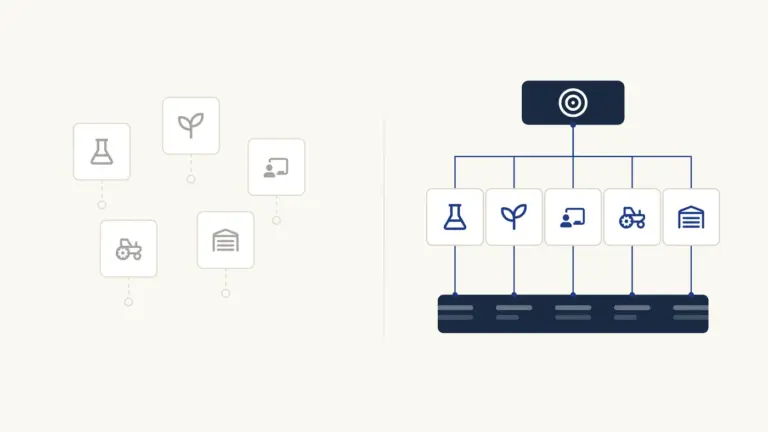
Five of the six constraints are about certainty, not capability. Farmers are not failing to diversify because they cannot grow vegetables. They are declining to diversify because the state has removed risk from two crops and left it fully loaded on the rest.
That means the effective policy lever is not exhortation or a new mission. It is the transfer of risk: procurement diversity, working cold chains, enforceable contracts and functioning insurance.
The Way Forward
- Broaden assured procurement to pulses, oilseeds and millets, so the certainty premium is not restricted to paddy and wheat.
- Build the cold chain before promoting the crop. Horticulture promotion without storage converts a production gain into a distress sale.
- Make contract farming enforceable. Predictable dispute resolution is what brings private buyers into high-value crops.
- Aggregate holdings through Farmer Producer Organisations, which is how small farmers reach the volume and traceability that buyers require.
- Link irrigation expansion to diversification targets, since the two move together.
Diversification is the rare agricultural reform that improves income, nutrition, soil and water at once. It is being held back by an incentive structure that was designed for a food-scarce India and has outlived the problem it solved.
Frequently Asked Questions
What is crop diversification?
Crop diversification means altering the spatial and temporal cropping pattern by cultivating a wider variety of crops, in order to raise farm income, reduce risk and make agriculture more sustainable. It is distinct from simply changing which single crop is grown.
What is the difference between temporal and spatial diversification?
Temporal diversification grows different crops on the same land across successive seasons, such as rice followed by wheat followed by moong, which is crop rotation. Spatial diversification grows multiple crops simultaneously on the same field, through intercropping or mixed cropping, such as cotton with pigeon pea in Maharashtra.
How much can diversification raise farm income?
The Dalwai Committee on Doubling Farmers’ Income reported that diversifying one hectare from cereals to horticulture can increase annual income by around Rs 80,000. The gain comes from higher value per hectare, not from higher yield of the same crop.
Why does diversification improve climate resilience?
Cultivating drought-tolerant crops such as millets, pulses and oilseeds reduces dependence on water-intensive crops. A diversified field also spreads exposure across crops with different water needs and maturity periods, so a single adverse event does not wipe out the season.
How does diversification help soil health?
Including legumes improves soil fertility through biological nitrogen fixation. Rotation breaks pest and weed cycles that build up under continuous monoculture, and a mixed cropping system improves water and nutrient use efficiency.
Why is MSP a barrier to diversification?
Assured procurement of rice and wheat at Minimum Support Price gives those two crops a guaranteed buyer at a known price. No high-value crop offers that certainty. A farmer choosing between guaranteed revenue and higher but uncertain revenue rationally chooses the guarantee, particularly on a small holding with no buffer.
What role does irrigation play?
A large share of India’s cultivated area remains rainfed, which limits the ability to grow crops with different water requirements and maturity periods. There is a strong positive relationship between irrigation coverage and the degree of crop diversification.
What post-harvest infrastructure does diversification require?
High-value crops are perishable. They need cold chains, grading, storage and processing capacity. Where that infrastructure is inadequate, spoilage rises and the expected income gain does not materialise, so farmers stay with storable cereals.
Practice Questions
Prelims MCQs
- Growing cotton and pigeon pea together in the same field is an example of
(a) Temporal diversification
(b) Spatial diversification
(c) Monocropping
(d) Relay cropping only
Answer: (b) Growing multiple crops simultaneously on the same field is spatial diversification, achieved through intercropping or mixed cropping. - According to the Dalwai Committee, diversifying one hectare from cereals to horticulture can raise annual income by approximately
(a) Rs 20,000
(b) Rs 45,000
(c) Rs 80,000
(d) Rs 1,50,000
Answer: (c) The Committee on Doubling Farmers' Income cited a gain of about Rs 80,000 per hectare per year from this shift. - Which of the following most directly discourages crop diversification in Punjab and Haryana?
(a) Absence of electricity supply
(b) Assured MSP-backed procurement of rice and wheat
(c) Lack of tractors
(d) Excessive rainfall
Answer: (b) Guaranteed procurement of paddy and wheat provides revenue certainty that high-value crops cannot match. - Inclusion of legumes in a rotation improves soil fertility primarily through
(a) Higher biomass burning
(b) Biological nitrogen fixation
(c) Increased tillage depth
(d) Greater fertiliser absorption
Answer: (b) Legumes fix atmospheric nitrogen in root nodules, restoring soil nitrogen that cereals deplete. - The relationship between irrigation coverage and crop diversification is best described as
(a) Strongly negative
(b) Strongly positive
(c) No relationship
(d) Positive only in rainfed areas
Answer: (b) Assured irrigation allows farmers to grow crops with varied water requirements and maturity periods, so diversification rises with irrigation coverage.
Mains Questions
- Crop diversification is constrained less by farmer preference than by policy design. Critically examine with reference to MSP and procurement. (250 words)
- Discuss the significance of crop diversification for nutritional security, and evaluate whether Indian agricultural policy currently supports it. (250 words)
- Post-harvest infrastructure is the precondition for a shift to high-value agriculture. Discuss. (150 words)
- Examine crop diversification as a climate adaptation strategy for Indian agriculture. (150 words)
- Small and fragmented landholdings raise the risk of diversification. Suggest institutional mechanisms to reduce that risk. (250 words)
Tell Google you want more of this.
Add Anantam IAS as a preferred sourceOne tap, and this site shows up more often in your own Top Stories, AI Overviews and AI Mode. Remove it any time.