Why in News?
On 4 November 2026, the Union Cabinet approved capital support for domestic critical mineral processing facilities producing high-purity lithium and nickel compounds.
- The scheme offers a 30% capital subsidy on eligible investment, subject to beneficiary caps; approval announces support rather than proving that new processing plants are operating.
- Applicants must first satisfy technical qualification, after which eligible firms compete on the capital support they request; selection uses the least-cost criterion for each mineral.
- Incentives are payable in three milestone-linked tranches, connecting disbursement to specified achievements instead of releasing the entire sanctioned amount immediately after selection.
- The intended products are high-purity lithium and nickel compounds; cobalt is expected as a by-product of nickel production, rather than as an independently targeted processing category.
- Concentrated global processing exposes buyers to supply restrictions and price disruptions even when mineral deposits exist in several countries; the location of usable material production matters.
- India imports refined intermediates and high-purity materials while domestic projects face capital, technology and feedstock constraints; capital support addresses only part of this combined investment problem.
UPSC Relevance
Prelims Relevance
- Capital expenditure: investment in productive assets such as processing plants and equipment.
- Technical qualification: eligibility screening before financial competition.
- Least-cost selection: comparison of requested public support among technically qualified applicants.
- By-product recovery: cobalt may be recovered alongside nickel production.
Mains Relevance
GS Paper 3
- Designing industrial incentives around verified delivery.
- Separating mineral endowment from processing and supply-chain security.
Essay
- Strategic autonomy depends on productive capabilities across a value chain.
Background and Context
Why Processing Capacity Matters
A mineral deposit becomes industrially useful only after successive stages produce material that manufacturers can use.
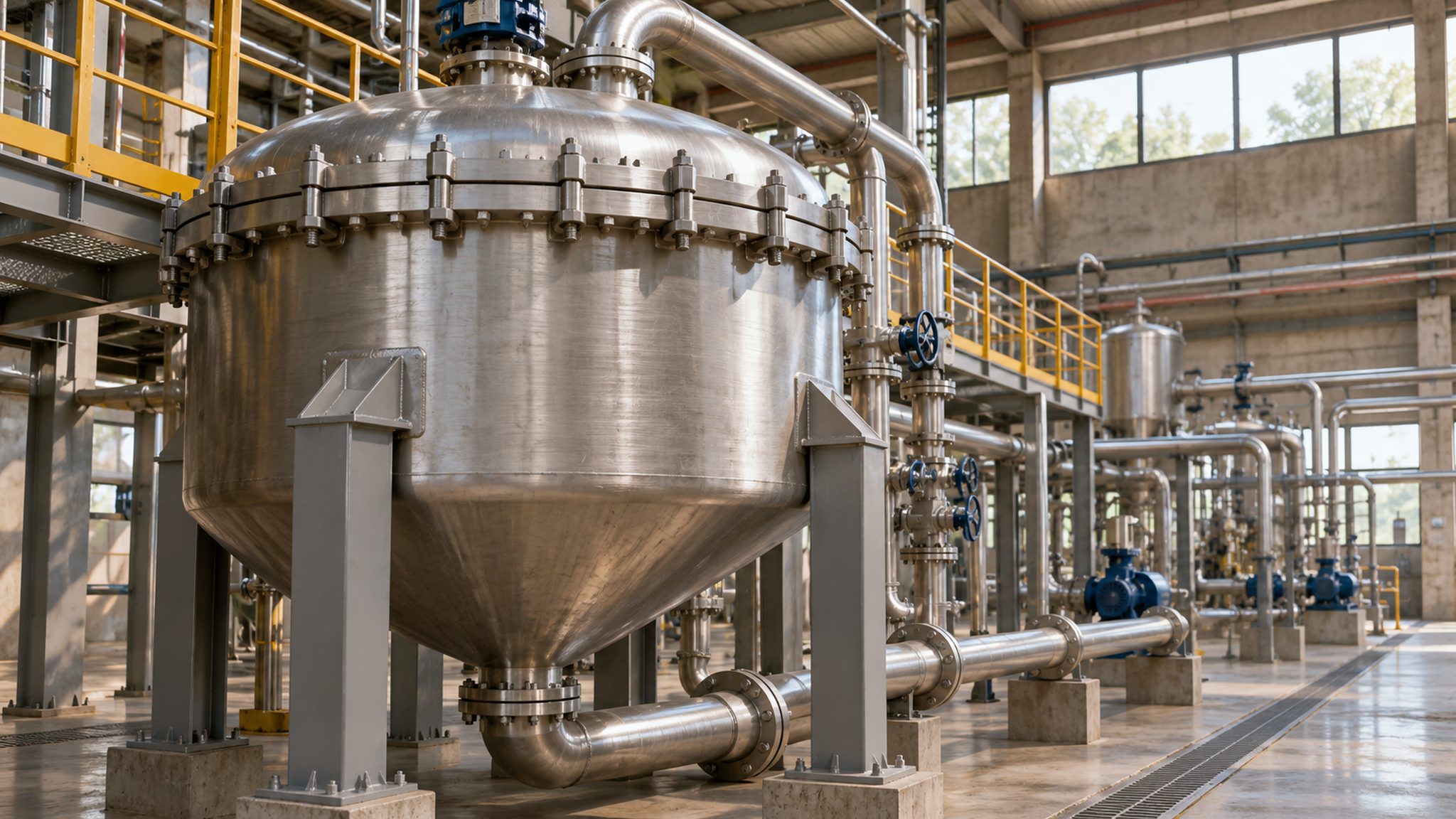
- Mining extracts mineral-bearing material, while processing converts ores or intermediates into usable compounds; a country can possess deposits yet remain dependent on foreign processing capacity and imported refined inputs.
- High purity is central to the scheme because downstream industries require suitable material quality; increasing extracted tonnage alone cannot establish the ability to supply the specified compounds consistently.
- The release identifies electric mobility, energy storage and speciality steel among beneficiary sectors; demand comes from industrial users, so refining capability must connect with their requirements and procurement decisions.
- Helium supply security illustrates a related distinction: resources and usable supply are different analytical questions, and each material requires its own processing and delivery assessment.
- The policy focuses on domestic value addition: converting inputs within India retains a processing activity in the economy, even where the upstream ore or intermediate may still come from abroad.
How Competitive Capital Support Works
The selection sequence combines a capability screen with competition over the amount of public assistance requested.
- Technical assessment comes first because a financially attractive offer is insufficient if the applicant cannot meet the scheme’s technical requirements; only qualified applicants advance to the financial stage.
- Financial bidding then ranks qualified applicants by the capital support sought; the comparison concerns requested assistance, rather than an auction of mineral ownership or a guaranteed purchase price for output.
- Milestone-linked payment makes implementation progress relevant after selection; the release specifies three tranches but does not publish the detailed milestone definitions, verification documents or recovery conditions in its announcement.
- Capital support reduces the eligible investment burden; it does not mean every operating expense is reimbursed, every future loss is covered or downstream buyers must purchase the beneficiary’s products.
What the Approval Cannot Guarantee
A financing instrument can support a plant, but supply security also depends on technology, inputs and sustained commercial operation.
- Feedstock access remains a separate requirement: a processing facility needs reliable ores or intermediates, and this approval does not itself establish a domestic mine or secure an overseas supply contract.
- Technology availability remains material because capital equipment must perform the required conversion; the release acknowledges suitable technology constraints, so subsidy eligibility cannot be treated as proof that every project has solved them.
- Operational capacity should be distinguished from announced investment: commissioning, sustained production and product acceptance matter when assessing whether imports have actually been substituted by reliable domestic material.
- Environmental responsibilities remain relevant across the value chain; mine repurposing addresses another stage, while processing projects need their own assessment of water use, residues and site impacts.
- Price and supply risks can persist after a plant opens; domestic processing diversifies one stage of production, but firms remain exposed to input availability and market conditions across the wider chain.
Way Forward
Measure Support Against Verified Delivery
- Publish clear milestone criteria and verification responsibilities so applicants and oversight bodies can distinguish project progress from expenditure alone.
- Assess feedstock and technology readiness alongside capital commitments before treating selected capacity as dependable supply.
- Track operational output and product quality after commissioning to judge whether public support improves usable domestic supply.
Conclusion
- Critical-mineral security requires processing capability as well as access to resources; the approved scheme uses screened competition and staged capital assistance to encourage that capability.
- For an answer on industrial policy, connect the incentive design to its limits: lower initial investment costs help, but reliable inputs, suitable technology and verified operation determine the eventual result.
UPSC Practice Questions
Prelims MCQ 1
With reference to the approved critical mineral processing support scheme, consider the following statements:
- Technical qualification precedes financial bidding.
- Beneficiaries are selected on the highest capital support requested.
- Incentives are disbursed in three milestone-linked tranches.
How many of the above statements are correct?
(a) Only one (b) Only two (c) All three (d) None
Answer: (b) Only two
Explanation:
Statements 1 and 3 are correct. Financial selection uses the lowest support sought among qualified applicants, making statement 2 incorrect.
Prelims MCQ 2
Which distinction best explains why mineral deposits alone do not ensure industrial supply security?
(a) Processing and mining always occur in the same country. (b) Capital subsidies automatically secure raw-material contracts. (c) Extracted material still requires processing into usable industrial inputs. (d) Processing capacity eliminates all exposure to market prices.
Answer: (c) Extracted material still requires processing into usable industrial inputs.
Explanation:
Deposits and extraction do not by themselves establish the technology, facilities and reliable operations needed to produce usable refined materials.
UPSC Mains Questions
- Explain how technically screened, least-cost capital support can improve the design of industrial incentives. What implementation risks remain?
- Distinguish mineral resource availability from critical-mineral supply security. Assess the contribution and limitations of domestic processing capacity.
Source: PIB, Union Cabinet.
Frequently Asked Questions
What does the new processing scheme support?
It supports investment in domestic facilities processing lithium and nickel ores or intermediates into high-purity compounds. Cobalt is expected as a by-product of nickel production; approval does not mean plants are already operational.
How are beneficiaries selected?
Applications first undergo technical assessment. Qualified applicants then participate in financial bidding, with selection based on the lowest capital support requested for the relevant mineral under the scheme.
Why are payments linked to milestones?
The announced three-tranche structure connects financial assistance to specified implementation achievements. The release does not provide the detailed milestone definitions, so those should not be invented from the general approval.
Does the subsidy guarantee mineral self-sufficiency?
No. Capital support can ease investment costs, but projects still need reliable raw materials, suitable technology and sustained operations. An approved processing facility does not itself establish a mine or secure feedstock contracts.
Tell Google you want more of this.
Add Anantam IAS as a preferred sourceOne tap, and this site shows up more often in your own Top Stories, AI Overviews and AI Mode. Remove it any time.