Why in News?
On 4 November 2026, the Union Cabinet approved a grid storage VGF scheme to support new energy storage projects through competitive bidding.
- The approved scheme covers battery storage, pumped storage and alternative technologies; its proposed capacities are yet to be commissioned, according to the Cabinet release.
- Tariff-based competitive bidding will allocate storage capacity, connecting public financial support with the price at which storage services are offered.
- Public and private electricity distribution companies are eligible for battery and pumped-storage support; alternative-technology projects can be implemented by public and private entities.
- Battery projects face a minimum 40% domestic-content requirement; the release does not apply this percentage indiscriminately to every storage technology.
- Variable renewable generation creates a timing problem: electricity can be abundant when demand is relatively low and insufficient during a later demand peak.
- Financial support can help projects become investible, but dependable service still requires suitable sites, contracts, equipment performance and timely grid connections.
UPSC Relevance
Prelims Relevance
- VGF improves the financial viability of infrastructure projects.
- BESS means Battery Energy Storage System.
- Pumped storage stores energy by moving water to a higher reservoir.
- GWh measures stored energy; GW measures power.
- The announced domestic-content condition applies specifically to BESS projects.
Mains Relevance
GS Paper 3
- Public support and competitive procurement for energy infrastructure.
- Renewable integration, domestic manufacturing and lifecycle performance.
GS Paper 2
- Accountability for public support through transparent contracts and commissioning checks.
Essay
- Infrastructure policy succeeds when financial commitments become reliable public services.
Background and Context
What Grid Storage Adds to the Electricity System
Storage shifts usable energy across time, helping electricity supply match the hours when consumers need it.
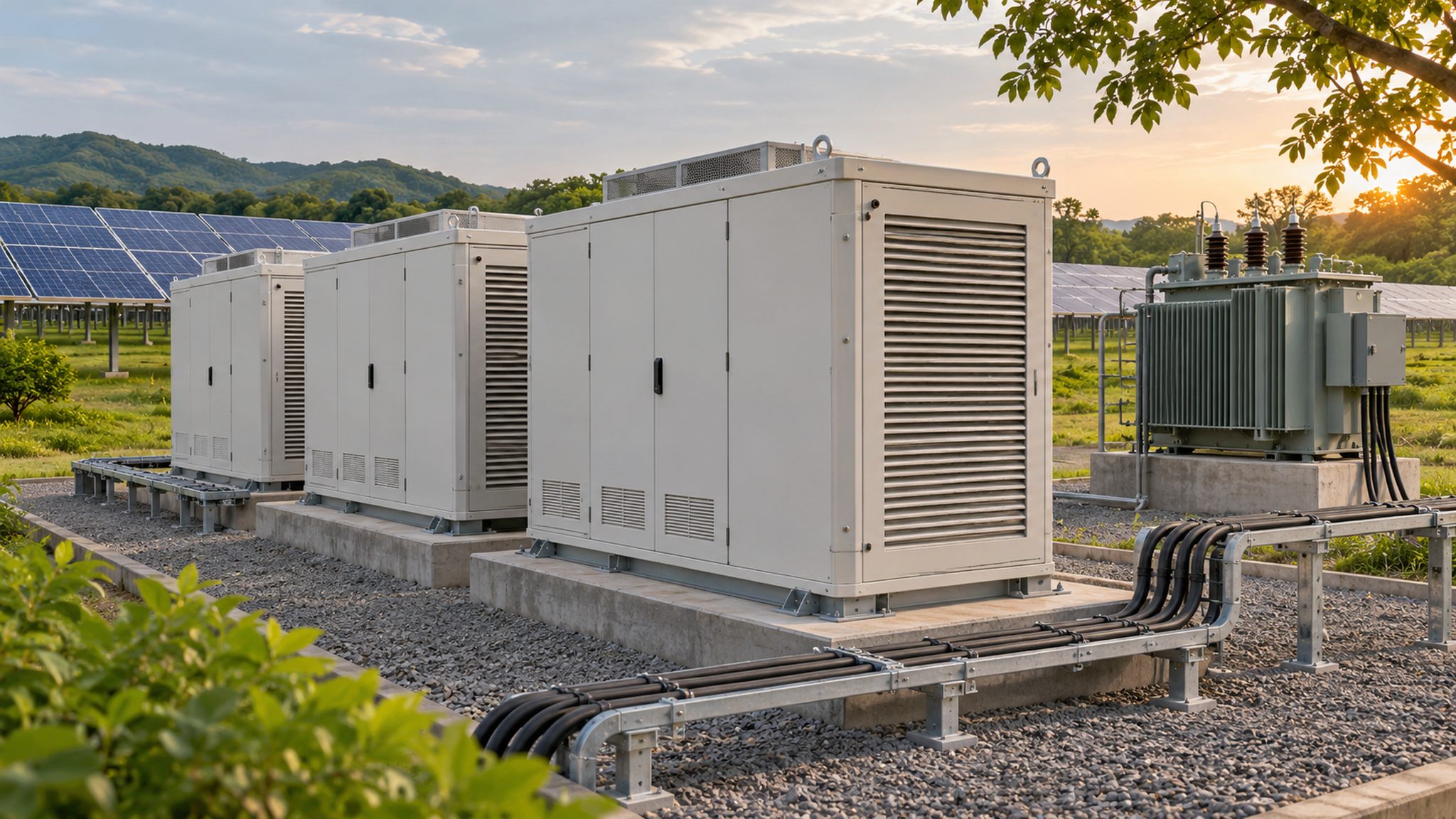
- Battery storage takes electricity during charging and returns electricity during discharge. Its useful service depends on both how quickly it can deliver power and how long delivery can continue.
- Pumped storage uses electricity to lift water into an upper reservoir, then releases water through turbines when power is needed. Suitable terrain and water arrangements influence where projects can work.
- Energy and power describe different capabilities: an energy rating measures the quantity held, while a power rating measures the rate of delivery. One rating alone cannot describe dependable peak-period service.
- Storage losses mean the electricity returned is less than the electricity used for charging. Planning must assess charging supply and operating costs alongside the value of shifting delivery to another hour.
- Reliability requires storage to be available at the contracted time. Announced capacity cannot substitute for evidence of commissioning, grid connection, operating readiness and actual delivery under demanding conditions.
How VGF and Competitive Bidding Work Together
The policy combines financial assistance with procurement competition; each addresses a different obstacle to storage investment.
- Viability gap funding helps bridge a project’s financial shortfall. It can make useful infrastructure commercially feasible where expected revenues alone would not sufficiently support investment and operating commitments.
- Tariff-based bidding compares the prices offered by competing developers or suppliers under specified conditions. Those conditions must define the service being purchased so that a lower price remains meaningfully comparable.
- Distribution companies connect procurement decisions with consumer demand. Their role matters because storage must serve an identified supply requirement, rather than become an asset whose charging and discharge duties remain unclear.
- Contract design should specify availability, discharge duration, performance verification and consequences for non-delivery. These are implementation questions to examine; the Cabinet announcement itself does not disclose a complete contract or payment schedule.
- Network costs also affect the delivered service. The wider distribution context is explained in electricity competition and network costs; procurement prices should be read alongside the system needed to deliver power.
Domestic Content and Delivery Risks
Manufacturing support can strengthen supply chains, while procurement still needs to protect service quality and affordability.
- The domestic-content requirement creates demand for Indian battery-storage inputs. Its stated purpose is to encourage manufacturing and reduce import dependence, complementing incentives that support production on the supply side.
- Compliance verification must establish what qualifies as domestic content and how suppliers demonstrate it. The press release gives the minimum percentage but does not provide a detailed accounting methodology for every component.
- Technology choice should follow the required service and local conditions. Batteries and pumped storage have different physical requirements, so a procurement framework must avoid treating their construction and operation as identical.
- Lifecycle assessment should examine equipment degradation, maintenance, safety and eventual replacement or disposal. A low initial tariff offers limited assurance if later costs or declining performance undermine the promised electricity service.
- Finance and implementation remain separate policy questions. The broader distinction also matters in climate-finance negotiations: announcing support establishes an intention, while delivery must be demonstrated through completed and functioning projects.
Way Forward
Procure Measurable Storage Services
- Define availability and discharge obligations before comparing bids.
- Publish clear domestic-content verification rules and proportionate compliance checks.
- Track commissioning and operating performance separately from approvals and awards.
- Assess lifecycle costs and safety alongside the quoted tariff.
Conclusion
- The grid storage VGF scheme links public support, competitive procurement and manufacturing policy; its value will depend on whether projects deliver usable flexibility at the hours the electricity system needs it.
- For a Mains answer, connect financing design with contract quality and operational evidence. Keep approved capacity, commissioned assets and reliable service distinct when evaluating the policy’s results.
UPSC Practice Questions
Prelims MCQ 1
With reference to the grid-scale storage VGF scheme approved in November 2026, consider the following statements:
- Capacity will be allocated through tariff-based competitive bidding.
- The announced minimum domestic-content requirement applies to BESS projects.
- All capacity covered by the scheme was already commissioned when it was approved.
How many of the above statements are correct?
(a) Only one (b) Only two (c) All three (d) None
Answer: (b) Only two
Explanation:
Statements 1 and 2 are correct. The Cabinet release describes the supported capacities as yet to be commissioned.
Prelims MCQ 2
Which statement correctly distinguishes a storage system’s energy rating from its power rating?
(a) Both measure only the speed of electricity delivery. (b) A GWh rating measures the rate of discharge. (c) GWh measures energy held, while GW measures the rate of delivery. (d) A GW rating alone establishes how long discharge can continue.
Answer: (c) GWh measures energy held, while GW measures the rate of delivery.
Explanation:
Energy is the quantity available; power is the rate of energy transfer. Discharge duration depends on both, subject to operating constraints.
UPSC Mains Questions
- Explain how viability gap funding and competitive bidding can support grid-scale energy storage. What safeguards should procurement contracts contain?
- Assess the trade-offs involved in combining domestic-content requirements with affordable and reliable electricity storage services.
Source: PIB, Cabinet.
Frequently Asked Questions
What is viability gap funding for grid storage?
It is financial support intended to improve project viability. The approved scheme supports new grid-scale storage infrastructure, while competitive bidding is used to allocate capacity under the procurement framework.
Does approval mean the storage projects are already operational?
No. The Cabinet release explicitly describes the supported capacity as yet to be commissioned. Project awards, construction, grid connection and operational readiness remain separate steps requiring evidence.
Which projects face the domestic-content requirement?
The release specifies a minimum 40% domestic-content requirement for Battery Energy Storage System projects. It does not state that this same percentage applies to pumped storage or every alternative technology.
Why must GWh and GW be distinguished?
GWh measures an amount of energy, while GW measures the rate at which energy is delivered. Assessing how long a storage system can supply power requires both ratings and its operating constraints.
Tell Google you want more of this.
Add Anantam IAS as a preferred sourceOne tap, and this site shows up more often in your own Top Stories, AI Overviews and AI Mode. Remove it any time.