Why in News?
An October 4 PIB announcement scheduled the Dibrugarh-Dhaka cargo voyage for flag-off from Bogibeel Terminal at 11 AM on October 5, carrying methanol through the Brahmaputra and Indo-Bangladesh Protocol Route.
- Assam Petro-Chemicals Limited produced the methanol consignment; the announced destination is Pangaon Port in Dhaka, Bangladesh.
- The announced route combines National Waterway-2 on the Brahmaputra with the Indo-Bangladesh Protocol Route.
- The ministry describes the planned sailing as Dibrugarh’s first international cargo voyage since Independence; its announcement does not establish departure or arrival.
- For Upper Assam, river connectivity can provide an additional freight option when waterways connect production areas with overseas buyers.
- The key policy question is whether navigation, terminal handling and border procedures can operate together reliably enough to support repeat shipments.
UPSC Relevance
Prelims Relevance
- NW-2: Brahmaputra inland waterway.
- Bogibeel: announced departure terminal in Dibrugarh, Assam.
- Pangaon: announced destination port in Dhaka, Bangladesh.
- PIWTT: Protocol on Inland Water Transit and Trade.
- Port of call: notified location for loading or unloading cargo under the protocol.
Mains Relevance
GS Paper 3
- Infrastructure reliability and multimodal freight connectivity in Northeast India.
- Evaluating logistics benefits through complete journeys rather than isolated transport segments.
GS Paper 2
- India-Bangladesh cooperation through agreed waterways, ports and operational procedures.
Essay
- Geography creates possibilities; dependable institutions turn them into economic connections.
Background and Context
The River Needs an Operable Channel
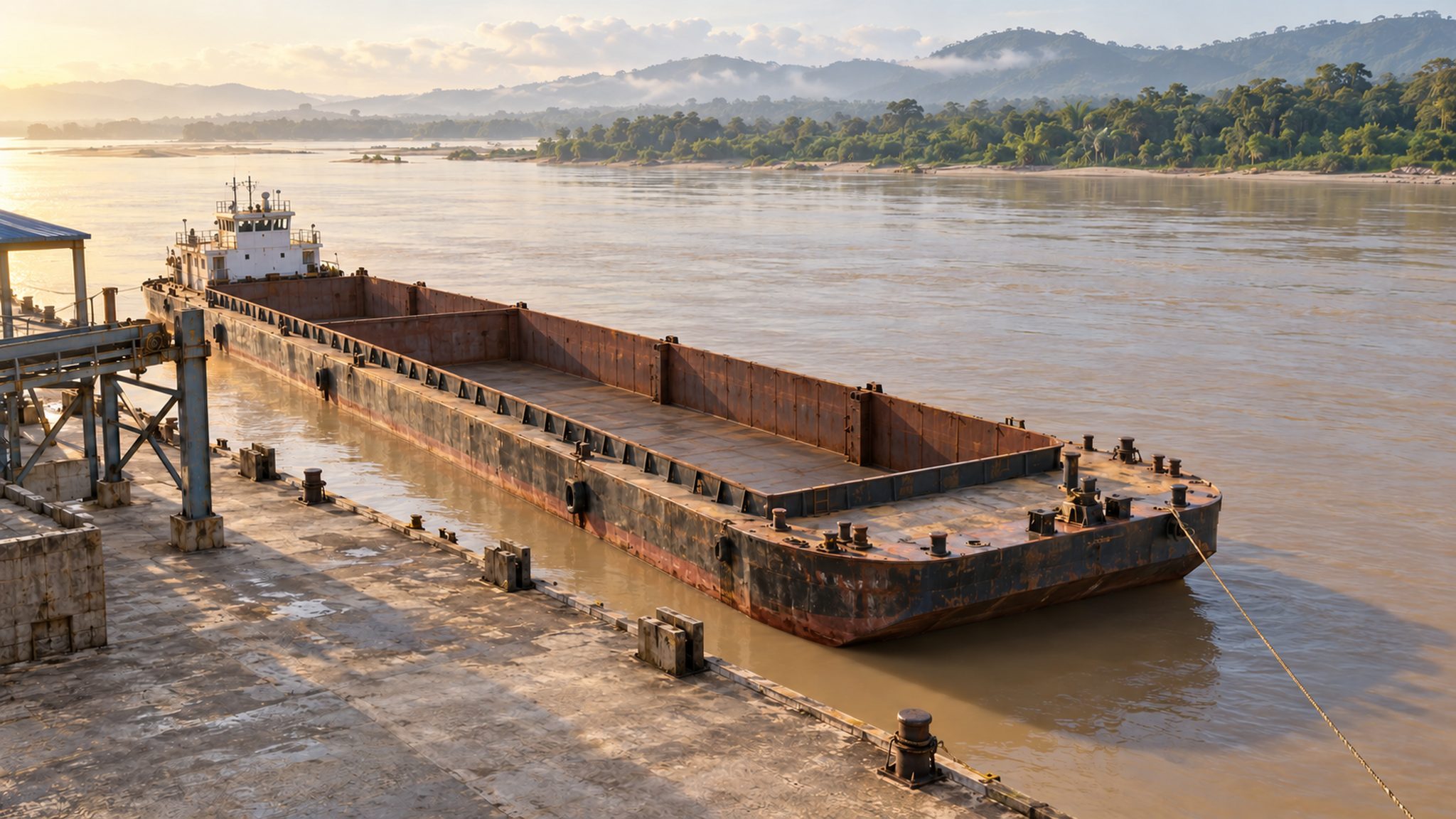
A river on the map becomes a freight route only when vessels can navigate it and transfer cargo safely at the intended terminals.
- National Waterway-2 follows the Brahmaputra between Sadiya and the Bangladesh border near Dhubri. Bogibeel links the proposed consignment to this river corridor, rather than to an ocean shipping lane.
- A fairway is the usable navigation channel within a river. Its relevant features include depth and width; the full visible river surface cannot automatically be treated as safe passage for a loaded vessel.
- Vessel draft describes how far the hull extends below the waterline. Available channel depth must accommodate that draft with clearance, so loading decisions depend on navigable conditions along the journey.
- An official NW-2 background account describes dredging, navigation aids and terminal facilities. These serve distinct operational needs; maintaining a navigable channel does not replace terminal handling or cross-border permissions.
- Terminals connect water transport with the land-based supply chain through loading, unloading and onward connections. A usable river channel alone cannot deliver freight from a factory to its final buyer.
The Protocol Connects Two National Systems
Cross-border movement needs an agreed operating framework as well as physical connectivity; a navigable river does not itself grant unrestricted commercial access.
- The Protocol on Inland Water Transit and Trade allows India and Bangladesh to use each other’s waterways for cargo movement, subject to their respective laws and regulations.
- Designated routes and notified ports of call define where participating inland vessels may operate and handle cargo. The arrangement is a regulated network, rather than permission to use every river landing.
- Transit cargo passes through another country to continue toward its destination; export cargo is supplied to a buyer abroad. The announced Dhaka-bound methanol shipment illustrates the trade function of the waterway connection.
- Border procedures remain part of the journey because the protocol operates within national legal systems. Route access does not remove documentation, customs compliance or the need to coordinate arrival and cargo handling.
- Operational coordination must connect departure, navigation and destination handling. IWAI’s logistics responsibilities include agreements and operating procedures, showing why dependable river services require administrative coordination alongside physical infrastructure.
A Voyage Is Evidence to Evaluate
The announcement identifies a proposed shipment; sustained freight performance must be assessed from actual operations rather than assumed from the flag-off plan.
- Methanol is the cargo in this announcement. It does not establish that the vessel runs on methanol, or that the shipment qualifies as green methanol produced through a low-emission process.
- Door-to-door cost includes movement to the terminal, handling, river transport and delivery after unloading. Comparing a river freight charge with a complete road journey would leave out parts of the logistics chain.
- Predictability matters alongside price: buyers need delivery schedules they can plan around. A commercially useful assessment should examine waiting time, handling delays and repeat service availability, not merely whether one vessel can sail.
- Environmental benefits require evidence about the vessel, its load and the full transport chain. The October 4 release does not provide measured emissions or cost savings for this proposed consignment.
- Departure, arrival and regular service are different milestones. The announced flag-off should not be reported as a completed voyage, and even a successful delivery would not alone demonstrate year-round commercial reliability.
Way Forward
Measure the Complete Freight Chain
- Publish actual journey and terminal waiting times so shippers can assess reliability across the complete route.
- Coordinate navigation information, border documentation and unloading readiness before dispatch to reduce avoidable interruptions.
- Compare complete transport costs and emissions using observed operations before claiming a durable advantage.
Conclusion
- The Dibrugarh-Dhaka proposal shows that inland connectivity combines a navigable channel, usable terminals and workable bilateral rules. Weakness in any component can limit the value of the others.
- For infrastructure answers, distinguish announced connectivity from dependable logistics. Explain the operating chain first, then assess actual delivery, repeat demand and measured costs before treating a ceremonial launch as an established service.
UPSC Practice Questions
Prelims MCQ 1
With reference to the announced Dibrugarh-Dhaka cargo voyage, consider the following statements:
- National Waterway-2 forms part of the announced route.
- Methanol is identified as the cargo being transported.
- The announcement establishes that the vessel is powered by green methanol.
How many of the above statements are correct?
(a) Only one (b) Only two (c) All three (d) None
Answer: (b) Only two
Explanation:
The announcement names NW-2 and a methanol consignment. It neither identifies methanol as vessel fuel nor establishes green-methanol production.
Prelims MCQ 2
Which description best explains the role of notified ports of call under the Indo-Bangladesh inland waterway protocol?
(a) They eliminate customs requirements for every consignment. (b) They identify locations where participating vessels may load and unload cargo. (c) They guarantee the same navigable depth throughout both countries. (d) They allow unrestricted navigation on all rivers in both countries.
Answer: (b) They identify locations where participating vessels may load and unload cargo.
Explanation:
IWAI states that inland vessels use designated protocol routes and notified ports of call for loading and unloading, subject to the respective national laws and regulations.
UPSC Mains Questions
- Explain how navigable channels, terminals and bilateral operating rules jointly determine the viability of cross-border inland water transport.
- A successful inaugural cargo voyage does not by itself establish a dependable logistics corridor. Discuss the evidence needed to evaluate this proposition.
Sources: PIB, Ministry of Ports, Shipping and Waterways and Inland Waterways Authority of India.
Frequently Asked Questions
What was announced for the Dibrugarh-Dhaka cargo voyage?
PIB scheduled an October 5 flag-off from Bogibeel Terminal for a methanol consignment bound for Pangaon Port in Dhaka. The October 4 announcement does not confirm departure or arrival.
Does this voyage involve a methanol-powered vessel?
The announcement identifies methanol as cargo produced by Assam Petro-Chemicals Limited. It does not identify the vessel’s fuel or establish that the cargo was produced as green methanol.
What does the Indo-Bangladesh Protocol permit?
It allows cargo movement using each other’s waterways under the two countries’ laws and regulations. Participating inland vessels operate on designated routes and use notified ports of call for handling cargo.
Why are terminals as important as navigable channels?
A channel permits vessel movement, while terminals connect that movement to loading, unloading and land transport. Reliable freight service needs both, alongside functioning border procedures and coordination with the destination.
Tell Google you want more of this.
Add Anantam IAS as a preferred sourceOne tap, and this site shows up more often in your own Top Stories, AI Overviews and AI Mode. Remove it any time.