Why in News?
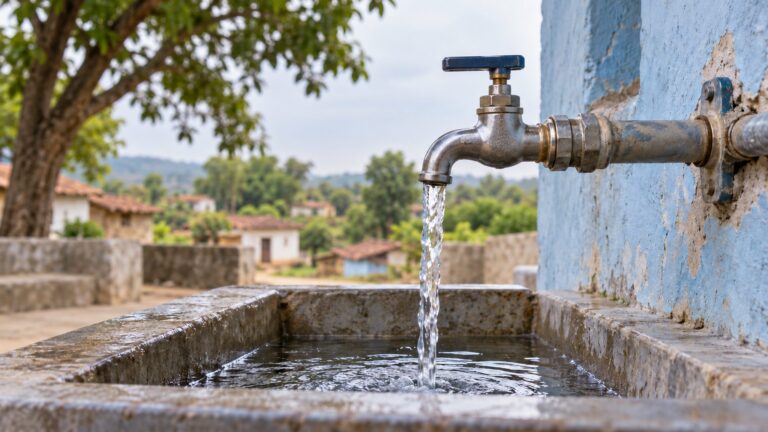
India launched the development phase of a national action plan for inland small-scale fisheries on 23 October 2026, with community consultations and finalisation still pending.
- The Department of Fisheries is leading the initiative with the Bay of Bengal Programme Inter-Governmental Organisation under an FAO framework.
- A national workshop in Bhopal identified priorities and a proposed programme of stakeholder consultations for developing the plan.
- The proposed coverage includes rivers, canals, reservoirs, lakes, wetlands, tanks and cold-water systems, reflecting varied freshwater conditions.
- The release anticipates finalisation before a public launch next month; this is a development process, not evidence of completed implementation.
- Fishing access and ecosystem health jointly determine whether freshwater resources can sustain community livelihoods.
- Assessing only harvested output can overlook decent work, women’s participation and income retained by small-scale fishing households.
UPSC Relevance
Prelims Relevance
- Inland capture fisheries and aquaculture
- Dissolved oxygen and freshwater ecosystem health
- Department of Fisheries and BOBP-IGO
- FAO and small-scale fisheries governance
- Value chains and post-harvest activities
Mains Relevance
GS Paper 3
- Link freshwater conservation with sustainable fishing livelihoods.
- Examine climate resilience and post-harvest value chains.
GS Paper 2
- Assess community participation, fishing access and gender inclusion in policy design.
Essay
- Livelihood security depends on the health of shared natural resources.
Background and Context
What Makes Inland Small-Scale Fisheries Distinct?
Inland fisheries are rooted in freshwater ecosystems, but the location of fishing alone does not explain how fish are produced or who benefits.
- Capture fisheries harvest fish living in natural or managed water bodies, while aquaculture involves farming aquatic organisms; inland fishing and fish farming are related activities, but they are not interchangeable categories.
- Small-scale fisheries must be understood through people as well as boats: catching, handling, processing and selling fish connect households to local food supplies, employment and the use of freshwater resources.
- Fishing rights concern access to the resource and the conditions governing its use. Recognising access does not remove the need for conservation rules, nor does access alone guarantee a viable catch.
- Local ecological differences matter: a flowing river, a reservoir and a floodplain wetland face different water-management pressures. A uniform production prescription cannot substitute for understanding how each fishery actually functions.
- The proposed plan identifies rights, resource management and livelihoods together. Its significance lies in treating fishers as participants in freshwater governance rather than viewing the sector only through aggregate output or exports.
Why Water Quality Is Also a Livelihood Issue
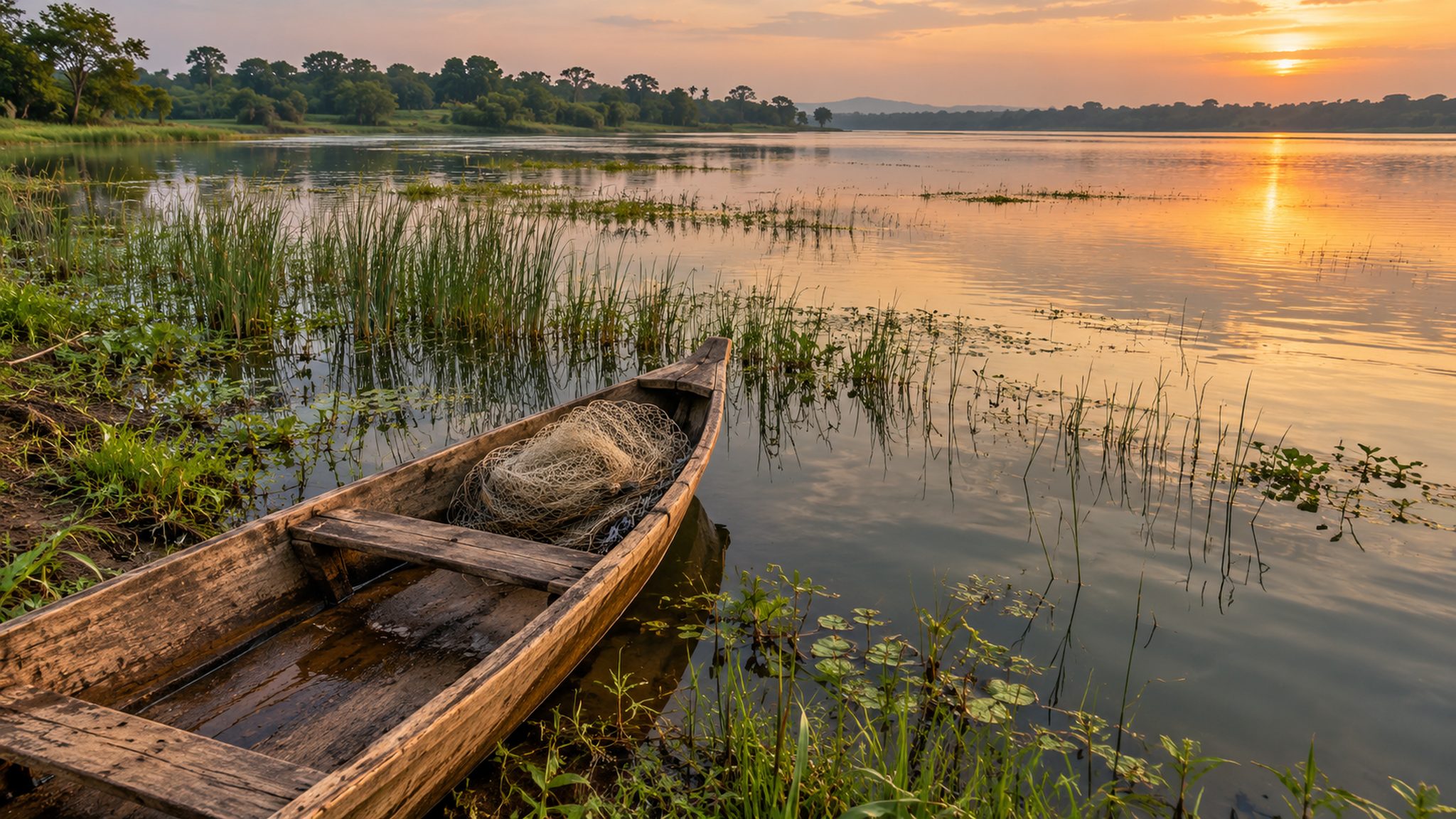
The official release flags climate change, deteriorating water quality and declining oxygen levels; these concerns connect environmental management directly with fishing income.
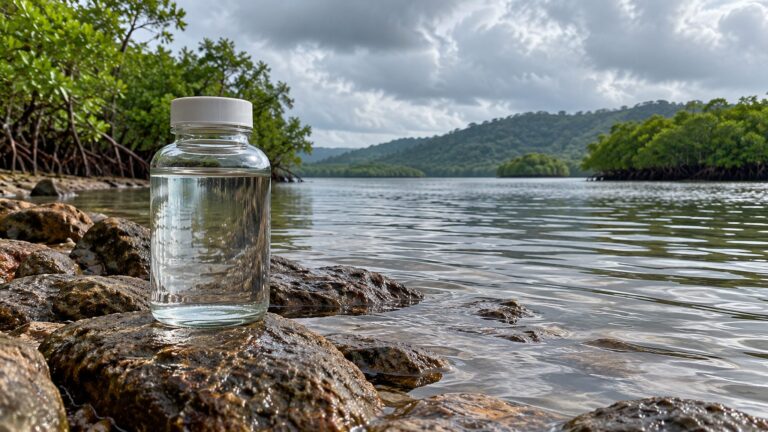
- Dissolved oxygen is oxygen present in water that fish use for respiration. A water body can contain fish habitat yet become unsuitable when oxygen availability falls below what its aquatic organisms require.
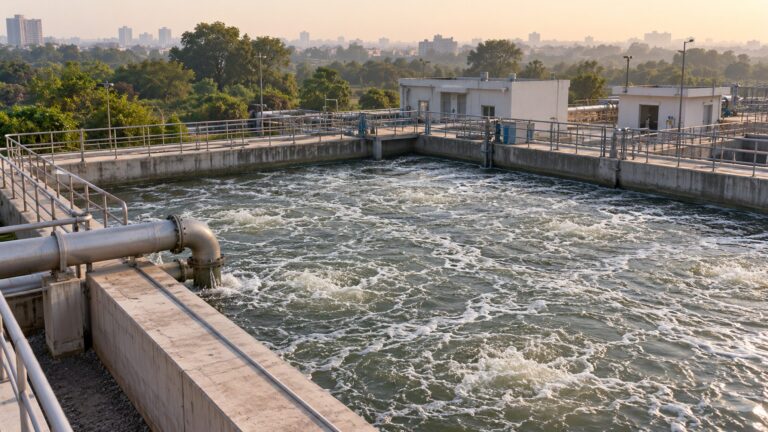
- Organic pollution can increase oxygen demand as microorganisms decompose waste. This helps explain why managing sewage and other waste entering freshwater systems is relevant to fisheries, even outside the fishing department.
- Climate stress adds uncertainty to freshwater livelihoods. The proposed plan calls for resilience measures informed by fishing communities, but the release does not establish a final package of interventions or binding safeguards.
- Community observations can help identify changes in fishing seasons, water conditions and catch availability. They should inform local assessments alongside technical monitoring, without treating every observed change as proof of one cause.
- Shared-water governance requires coordination because fishing outcomes depend partly on decisions made elsewhere. A useful policy test is whether agencies responsible for water quality and resource use can address fishers’ documented concerns.
Rights, Decent Work and Value Chains
An increase in fish output does not automatically show that fishing households have safer work, stronger bargaining power or more secure access.
- Decent work brings employment conditions into the discussion alongside resource access. In policy assessment, ask whether proposed arrangements address workers’ safety and livelihood insecurity, rather than assuming higher production resolves both problems.
- Gender equality requires attention across the value chain, including processing and trade. Consultation limited to boat owners can miss workers whose contribution occurs after landing and whose needs differ from those harvesting fish.
- Post-harvest value chains affect the value retained from a catch. Better handling, storage and market access can support incomes without making increased extraction the only route to improving fishing households’ economic position.
- Participation must influence design, not merely record attendance at consultations. Different communities may identify different barriers; documenting their concerns helps distinguish access problems from habitat decline, unsafe work or weak market connections.
- The development phase creates an opportunity to join these priorities before implementation. It does not itself establish new enforceable rights, guarantee benefits or demonstrate that livelihood and environmental outcomes have already improved.
Way Forward
Make Consultation Produce Usable Local Decisions
- Include fish harvesters, processors and traders in consultations, with deliberate representation of women and groups whose work may be overlooked.
- Pair community evidence with water-quality monitoring to identify local pressures and assign responsibility for follow-up action.
- Distinguish proposed measures from adopted commitments, and publish clear implementation responsibilities after the plan is finalised.
- Assess success through livelihood security, working conditions and ecosystem health, alongside production, rather than using output as the sole measure.
Conclusion
- Sustainable inland fisheries depend on a connected policy chain: fair access, healthy freshwater habitats, decent work and viable markets; weakness in any one can undermine the benefits of progress elsewhere.
- The current development is plan preparation. For an answer, separate announced priorities from adopted measures, and explain why community participation must connect environmental management with the distribution of livelihood benefits.
UPSC Practice Questions
Prelims MCQ 1
With reference to inland small-scale fisheries, consider the following statements:
- Inland capture fisheries and aquaculture describe identical production systems.
- Dissolved oxygen availability can influence the suitability of freshwater habitats for fish.
- Post-harvest value chains include activities beyond catching fish.
How many of the above statements are correct?
(a) Only one (b) Only two (c) All three (d) None
Answer: (b) Only two
Explanation:
Statements 2 and 3 are correct. Capture fisheries harvest fish from water bodies, whereas aquaculture involves farming aquatic organisms; the categories are not identical.
Prelims MCQ 2
Which approach best reflects the announced development of India’s inland small-scale fisheries action plan?
(a) Treating production growth as sufficient evidence of livelihood security (b) Replacing all capture fisheries with aquaculture (c) Linking community consultation, fishing access, decent work and freshwater resource management (d) Treating the development-phase launch as completed implementation
Answer: (c) Linking community consultation, fishing access, decent work and freshwater resource management
Explanation:
The announced priorities link livelihoods, rights and resource management. Consultation and finalisation remain pending, and the development-phase launch is not completed implementation.
UPSC Mains Questions
- Why should inland small-scale fisheries policy address fishing rights and freshwater ecosystem health together? Discuss.
- Explain how decent work, gender inclusion and post-harvest value chains can improve fishing livelihoods beyond an increase in production.
Source: PIB, Ministry of Fisheries, Animal Husbandry and Dairying.
Frequently Asked Questions
Has India implemented the new inland fisheries action plan?
No. The development phase began on 23 October 2026. Stakeholder consultations and finalisation were still pending, with a public launch and subsequent implementation envisaged after that process.
Are inland fisheries the same as aquaculture?
No. Inland refers to the water systems involved, while aquaculture refers to farming aquatic organisms. Inland capture fisheries harvest fish from water bodies and should not be treated as synonymous with fish farming.
Why does dissolved oxygen matter for fisheries?
Fish use oxygen dissolved in water for respiration. Declining oxygen availability can make freshwater habitats unsuitable, linking water-quality management with the ecological conditions needed to support catches and fishing livelihoods.
Why does the plan include gender equality and value chains?
Fishing livelihoods extend beyond harvesting to handling, processing and selling fish. Including these activities and women’s participation helps policy address working conditions and income distribution across the wider fishing economy.
Tell Google you want more of this.
Add Anantam IAS as a preferred sourceOne tap, and this site shows up more often in your own Top Stories, AI Overviews and AI Mode. Remove it any time.