Opens in a new tab
Join Anantam IAS Channel on Telegram

Daily Digest · Tuesday

11 November 2025 Current Affairs for UPSC

5 current affairs published on Tuesday, 11 November 2025

11 November 2025 Current Affairs for UPSC — every Why-in-News article AnantamIAS published on Tuesday, 11 November 2025, broken down with Why in News?, the exact GS paper it feeds, sub-topic mapping, MCQ-ready facts and a UPSC-style practice question. 5 articles in total, covering Polity, Economy, Environment, S&T, IR, Geography, History, Society and Internal Security — the same Why-in-News + GS-paper-mapping + practice-question format the Compass uses across every daily digest on the site.

Daily current affairs for UPSC is where new material enters your prep stream. Read this 11 November 2025 digest end-to-end in 25–35 minutes, attempt the practice question at the foot of each article (it's MCQ for some, 10/15-marker for others), then bookmark the entries that fall inside your active revision window. Everything stays cross-linked: tap any subject pill to jump to that subject's hub, or use the table of contents above to skip straight to a specific story.

Use this page three ways. Read sequentially for a one-sitting scan of everything that mattered on 11 November 2025. Download the 11 November 2025 PDF below for offline study or print revision. Or use the November 2025 Current Affairs compilation to see this day in the month's full context. For the previous day's reading, see 10 November 2025 Current Affairs; the next day's is 12 November 2025 Current Affairs.

Why we publish daily current affairs separately from the monthly compilation: daily is learning, monthly is revision. Use the daily page to add fresh material to your notes the day it breaks; come back to the November 2025 compilation 60 days before Prelims when the noise has settled and only the lasting takeaway is worth re-reading.

India-Bhutan Relations : An Ideal Case

Open article →Download PDF
AD 4nXcIAVk auQ4gAmXIFO FyWewu2 ReTtuM98sdheeVe3

Why in News?

Prime Minister Narendra Modi is visiting Thimphu for Jigme Singye Wangchuck’s also known as K4’s 70th birth anniversary celebrations, signaling the close bond between the two nations.

UPSC Relevance 

GS2, India and its Neighborhood- Relations

PYQ

2022- India is an age-old friend of Sri Lanka.’ Discuss India’s role in the recent crisis in Sri Lanka in the light of the preceding statement.

AD 4nXcu4TW0ATo LMBrZ9x4oO8c5gbQPPuuL4k9Yx4tKoLLOJ96qQ9rYMiDoUn VwZ3bp2SmnSAf3eEzth

Strengthening India-Bhutan Bilateral Ties

  • Prime Minister Narendra Modi is visiting Thimphu for K4’s 70th birth anniversary celebrations, signaling the close bond between the two nations.
  • Mr. Modi’s visit is a reflection of his “Neighbourhood First” policy, as Bhutan was the first foreign country he visited after being elected Prime Minister in 2014.
  • K4 significantly strengthened Bhutan’s relationship with India, understanding that the primary threat to Bhutan’s sovereignty came from the north (China).

Milestones in India-Bhutan relations

YearEventSignificance
1947India gains independence.Bhutan is one of the first countries to recognize India.
1949Treaty of Perpetual Peace and Friendship signed.This was the foundational framework. It stipulated perpetual peace, non-interference in internal affairs, but required Bhutan to be “guided by the advice of the Government of India in regard to its external relations.” It also established free trade.
1958Indian Prime Minister Jawaharlal Nehru visits Bhutan.A landmark visit, affirming India’s support for Bhutan’s independence and territorial integrity.
1961India begins supporting Bhutan’s Five-Year Plans.India becomes Bhutan’s principal development partner, a role it maintains to this day, with a focus on socio-economic development and infrastructure.
1968Formal diplomatic relations established.India opens an office of a Special Representative in Thimphu, and Bhutan reciprocates. These were later upgraded to full-fledged embassies in 1978.
1971Bhutan joins the United Nations.A significant step in asserting Bhutan’s international identity, strongly supported by India.
2003Operation All Clear & India-Bhutan Foundation established.The Royal Bhutan Army successfully evicted insurgent groups operating in Bhutanese territory, with support from India, showcasing deep security cooperation. The Foundation was created to promote cultural and educational exchanges.
2007Treaty of Friendship is revised.This major revision replaced the clause requiring Bhutan to be ‘guided’ by India in foreign affairs with an affirmation of mutual respect for independence and sovereignty, reflecting Bhutan’s modern democratic aspirations and an evolution of the relationship.
2014 & 2019PM Narendra Modi chooses Bhutan for his first foreign visit after assuming office.Emphasizes the high strategic importance and priority India places on its relationship with Bhutan.
2017Doklam Standoff.Indian forces intervened on the Doklam plateau, which is Bhutanese territory, to prevent construction by China, demonstrating the strength of the security partnership and mutual interests.
2022India-Bhutan SAT launched.The first satellite jointly developed by India and Bhutan, marking a new area of cooperation in space and technology.

Areas of cooperation

Hydropower and Energy Cooperation

This is the centerpiece of the economic partnership, providing mutual benefit: clean energy for India and major revenue for Bhutan. Hydropower exports to India constitute over 40% of Bhutan’s domestic revenue and about 25% of its GDP.

  • India has funded and developed several major Hydro-Electric Projects (HEPs) in Bhutan under a government-to-government model.
    • Completed Projects: 4 major HEPs have been completed and are operational.
      • Chukha HEP (336 MW)
      • Kurichhu HEP (60 MW)
      • Tala HEP (1020 MW)
      • Mangdechhu HEP (720 MW) – Commissioned recently.
    • The 1,020 MW Punatsangchhu II hydroelectric project will be formally inaugurated by Prime Minister Modi and K5 during the visit, symbolising this friendship.
    • The project was built as a cooperative venture, with India providing the initial capital (a mix of grant and loan), which is paid off via the sale of electricity to India.
  • The future model for such projects is evolving to tap other sources of capital, with Indian private firms (e.g., Tata Power, Adani Power) collaborating with Bhutanese companies.

Economic and Trade Partnership

India is consistently Bhutan’s largest trading partner and development partner.

  • Trade Volume: India’s trade with Bhutan has shown significant growth. Bilateral trade nearly tripled from USD 484 million in 2014-15 to USD 1,777.44 million in 2024-25.
    • India accounts for over 80% of Bhutan’s overall trade (imports and exports combined).
  • Trade Agreement: The relationship is governed by the India-Bhutan Agreement on Trade, Commerce and Transit (last renewed in 2016), which establishes a free trade regime and provides Bhutan with duty-free transit for its exports to third countries.
  • Investments (FDI): India is the largest source of Foreign Direct Investment (FDI) in Bhutan, accounting for approximately 55% of the total FDI inflows, focused on sectors like hydropower, banking, and IT services.

Developmental Partnership

India has been Bhutan’s principal development partner since the launch of Bhutan’s First Five-Year Plan in the early 1960s.

  • Financial Assistance: India provides substantial financial aid. For Bhutan’s 13th Five Year Plan (2024-2029), India has committed INR/Nu. 10,000 Crore (100 billion) in financial support, covering Project Tied Assistance (PTA) and High-Impact Community Development Projects (HICDP).
  • Infrastructure & Connectivity:
    • Roads: India’s Border Roads Organisation (BRO) has built the majority of roads in Bhutan under Project ‘DANTAK’.
    • Rail Links (New Area): Both sides are working on establishing the 1st cross-border rail links between Kokrajhar (Assam) and Gelephu, and Banarhat (West Bengal) and Samtse.
    • Check Posts: The Integrated Check Post (ICP) at Darranga, Assam, was recently inaugurated to boost trade and movement of people.

New and Emerging Areas

Cooperation has expanded into modern technology and digital domains.

  • Digital Connectivity: India is supporting the ‘Digital Drukyul’ initiative by providing financial support for an optical fibre backbone extending to the village (gewog) level.
  • Financial Technology (FinTech):
    • The RuPay Card was launched in Bhutan in 2019.
    • India’s BHIM (Bharat Interface for Money) UPI application was launched in Bhutan in 2021 to promote cashless payments and deepen financial linkages.
  • Space Cooperation: India and Bhutan jointly developed the India-Bhutan SAT, a small satellite, which was launched by ISRO in November 2022.

Education, Culture, and People-to-People Ties

  • Education: India provides over 1,000 scholarships annually for Bhutanese students to pursue higher education in India in diverse fields like medicine and engineering.
  • Cultural Exchange: The India-Bhutan Foundation (established in 2003) works to enhance people-to-people exchanges and cultural cooperation.
  • COVID-19 Assistance: India ensured a continuous supply of essential goods during the pandemic and gifted 5.5 lakh doses of the Made-In-India Covishield vaccines to Bhutan under the Vaccine Maitri Initiative, enabling the vaccination of its adult population in early 2021.

Security and Defense Cooperation

This is a key pillar reflecting the strategic alignment between the two nations, which is vital due to Bhutan’s geographical position.

  • Military Training: The Indian Military Training Team (IMTRAT) is permanently based in western Bhutan to train the Royal Bhutan Army
  • Strategic Assurance: India views the security of Bhutan’s borders as integral to its own security interests, as evidenced by India’s intervention during the Doklam standoff in 2017. 
AD 4nXcPjO5lIK rc4FFZMa8iwhZE4aBzhvY6h7cXVGdO55pVuoYRmCUZGTkQ1wHE bKX1bQJP57Ly3LYdsf3cd

Ideal Asymmetric Relationship

The India-Bhutan relationship is seen as a model because it prioritizes mutual trust and respect for sovereignty over the pure application of power.

Principle of the ModelDescription
Sovereign EqualityIndia’s explicit decision to revise the 1949 Treaty to remove the “guided by” clause, treating a much smaller nation as a strategic equal.
Reciprocity in SecurityIndia protects Bhutan’s security interests (e.g., Doklam), and Bhutan is mindful of India’s strategic imperatives, declining formal diplomatic relations with China.
Development PartnershipDevelopment aid is not debt-trap diplomacy but a genuine partnership focused on Bhutan’s priorities, like its unique philosophy of Gross National Happiness (GNH).
Restraint and PragmatismIndia generally exercises strategic restraint, avoids heavy-handed interference, and allows Bhutan to gradually expand its diplomatic and economic horizons while maintaining the core bilateral bond.

The relationship demonstrates that a larger power can successfully manage asymmetry by emphasizing mutual benefit, respect for the smaller state’s choices, and a long-term commitment to its economic stability and security.

Unemployment in Rural and Urban area

Open article →Download PDF

image 20

image 20

Context:

The Periodic Labour Force Survey (PLFS) for July–September 2025 has revealed contrasting trends — a decline in rural unemployment and a rise in urban joblessness, reflecting seasonal and structural shifts in India’s employment landscape.

UPSC Relevance:

Economics

UPSC PYQ:

Q. Most of the unemployment in India is structural in nature. Examine the methodology adopted to compute unemployment in the country and suggest improvements. (2023)

Q. The nature of economic growth in India in recent times is often described as jobless growth. Do you agree with this view? Give arguments in favor of your answer. (2015)

India’s Economic Prospects

  • India’s economy has reached a valuation of $4.19 trillion, positioning it as a key player in the global growth scenario and on track to become the world’s third-largest economy.
  • However, this progress is facing a significant threat from a proposed 50% tariff by the United States on $40 billion worth of Indian exports. This could have a substantial impact, potentially reducing India’s GDP by nearly 1%.
  • While China has been able to absorb U.S. tariffs due to its scale and diversified exports, India is more vulnerable. The U.S. accounts for 18% of India’s exports, and increased tariffs could result in a 30-35% cost disadvantage for Indian goods against competitors like Vietnam.

Key Findings from PLFS:

  • Rural unemployment fell from 4.8% to 4.4%, indicating greater absorption of labour during the kharif agricultural season.
  • Urban unemployment rose from 6.1% to 6.2% (males) and 8.9% to 9.0% (females) due to slower expansion in non-farm sectors.

Nature of Employment:

Rural areas:

  • Self-employment dominates — rose from 60.7% to 62.8%.
  • Seasonal work in agriculture explains the decline in joblessness.

Urban areas:

  • Regular wage/salaried employment marginally improved from 49.4% to 49.8%.
  • Tertiary sector (services) remains dominant, employing 62% of workers, slightly higher than the previous quarter.

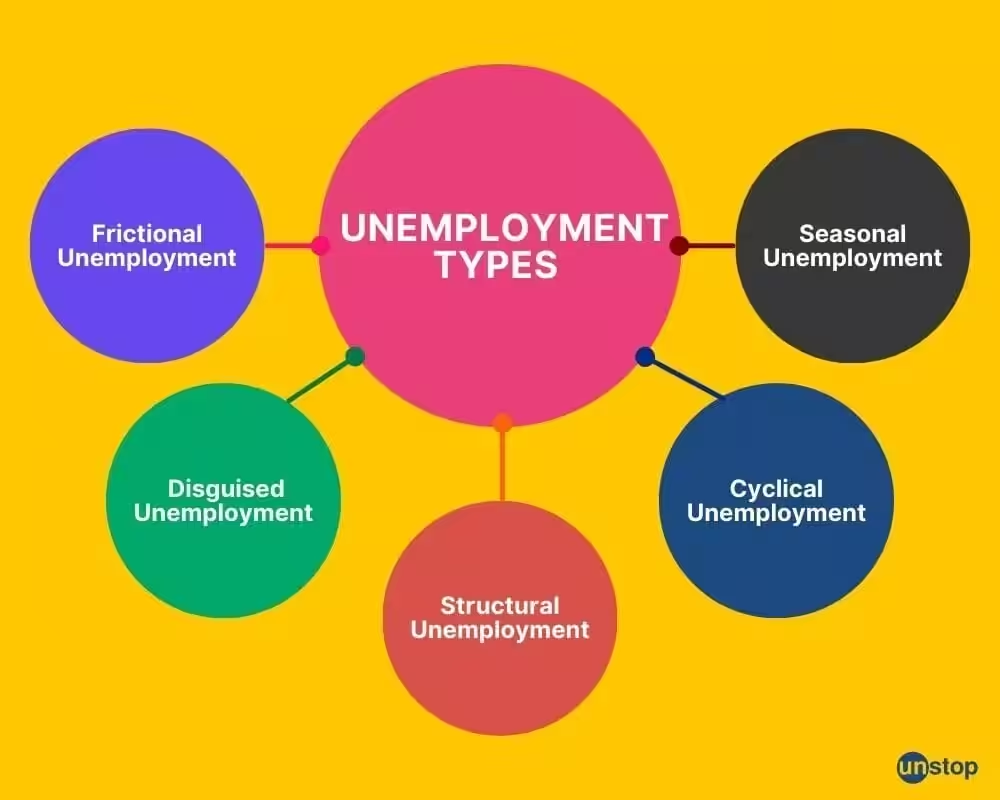
About Unemployment:

Unemployment is when an individual who is not employed and is seeking employment, cannot find work. 

image 21

Key Terms:

  • Labour Force: It includes all the people who are presently employed or are searching for jobs.
  • Workforce: It includes all the people who are presently employed.
  • Unemployment Rate= (Labour Force – Work Force)/Labour Force * 100
  • Labour Force Participation Rate (LFPR) = (Labour Force/ Working Age Population) * 100
  • Employment-to-Population ratio (EPR): (Workforce/ Working Age Population) * 100
  • Worker Population Ratio (WPR): Number of persons employed per thousand persons.

image 21 1

Why Rural Unemployment decline and urban unemployment rise:

  • Seasonal Employment Cycles
    • The fall in rural unemployment aligns with seasonal agricultural cycles, not structural job creation.
    • Post-harvest, rural joblessness typically rises again — showing hidden unemployment and underemployment trends.
  • Urban Distress
    • The urban informal sector continues to absorb the majority of new entrants but with low wages and no social security.
    • Rising joblessness in cities reflects sluggish manufacturing recovery, limited formal job creation, and urban migration pressure.

About Female Labour force:

Periodic Labour Force Survey:

Published by the National Statistical Office (NSO). Replaced the earlier quinquennial (5-year) Employment Unemployment Surveys (EUS) surveys in India. It involves quarterly employment survey in Urban areas and Annual Survey in the Rural Areas.

Urban Co-operative Bank

Open article →Download PDF

image 21

WhatsApp Image 2025 11 11 at 06.59.33 25e3a9a6

Context:

Union Home and Cooperation Minister Amit Shah launched two new digital initiatives — Sahakar Digi Pay and Sahakar Digi Loan — during the Co-Op Kumbh 2025 conference organized by the National Federation of Urban Cooperative Banks and Credit Societies (NAFCUB). The move aims to digitally empower urban cooperative banks (UCBs) and expand financial inclusion.

UPSC Relevance:

Economy Prelims

UPSC PYQ:

Q. With reference to ‘Urban Cooperative Banks’ in India, consider the following statements:

  1. They are supervised and regulated by local boards set up by the State Governments. 
  2. They can issue equity shares and preference shares. 
  3. They were brought under the purview of the Banking Regulation Act, 1949 through an Amendment in 1966. 

Which of the statements given above is/are correct? 

(a) 1 only 
(b) 2 and 3 only 
(c) 1 and 3 only 
(d) 1, 2 and 3 

Key Announcements:

1. Target – One Urban Cooperative Bank per City

  • The government aims to establish one urban cooperative bank (UCB) in every Indian city with a population above 2 lakh within five years.
  • The goal is to increase cooperative credit access and strengthen grassroots-level financial institutions.

2. Two New Digital Apps

  • Sahakar Digi Pay: Enables even small UCBs to offer digital payment services.
  • Sahakar Digi Loan: Facilitates digital lending and promotes paperless, transparent loan processing.
  • These apps help cooperatives compete with commercial banks and fintech platforms by embracing digitization.

About Cooperative banks:

Cooperative Banks are the financial institutions that are owned and run by their customers and operate on the principle of one person one vote.

  • The bank is governed by both banking and cooperative legislation, as they are registered under the Cooperative Society Act, 1965 and regulated by NABARD & RBI.
  • They operate in both rural as well as urban areas and provide credit to borrowers and businesses.
  • Cooperative Banks offer a range of services like accepting deposits and granting loans to the members and even non-members. The members are the owners and customers of the bank at the same time.

image 22

Urban Co-operative Banks:

  • Urban Cooperative Banks (UCBs) are a subset of cooperative banks in India that operate primarily in urban and semi-urban areas.
  • The first urban cooperative credit society was established in 1889 in Baroda (Anyonya Sahakari Mandali).
  • Currently, they are registered as cooperative societies under the respective State Cooperative Societies Acts (for single-state operations) or the Multi-State Cooperative Societies Act, 2002 (for operations across multiple states

image 23

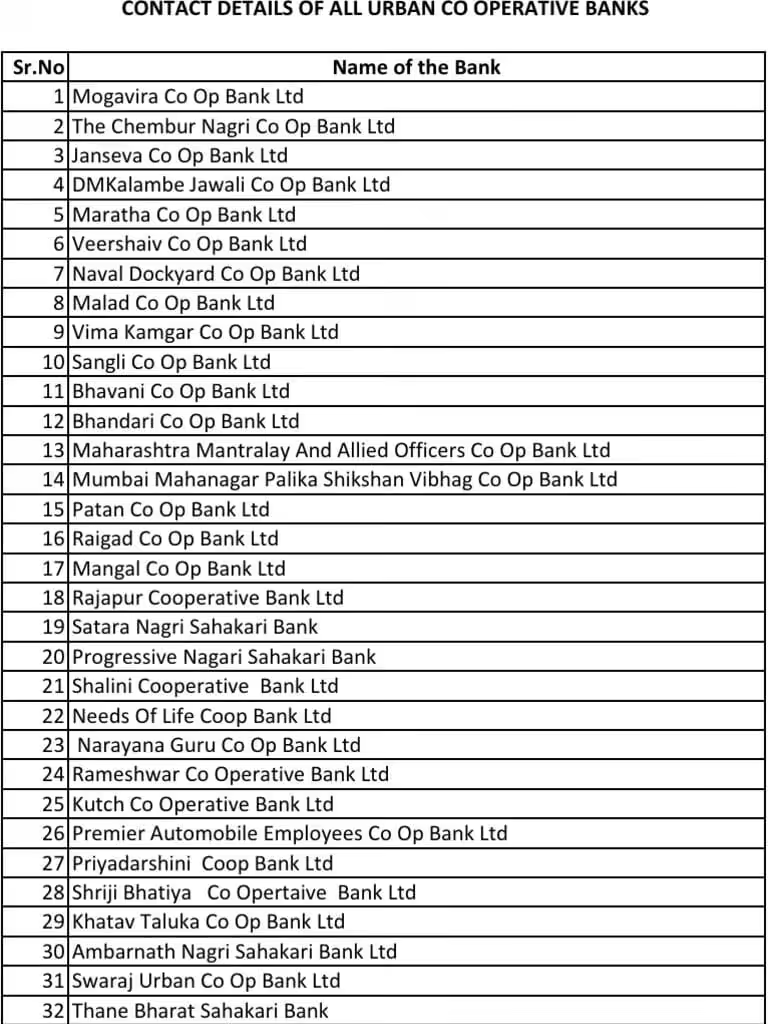
List of Urban-Co-operative banks:

image 22

Significance:

  • Financial Inclusion:
    • Urban Cooperative Banks play a vital role in extending banking services to small borrowers, micro-enterprises, and lower-income households in urban and semi-urban areas, thereby deepening financial inclusion.
  • Community-Based Focus:
    • Operating within defined localities, UCBs possess an intimate understanding of community needs, enabling them to design and deliver customized financial solutions suited to local economic conditions.
  • Priority Sector Lending (PSL):
    • To strengthen their developmental role, UCBs are mandated to allocate 65% of their total lending to the Priority Sector in FY 2024-25, with the target rising to 75% by March 2026, aligning them more closely with national inclusion objectives.
  • Support for Non-Agricultural Development:
    • UCBs cater primarily to the non-agricultural sector, meeting the credit needs of small traders, artisans, and service-sector enterprises in urban and semi-urban regions.
  • Evolving Lending Scope:
    • Until 1996, UCBs were restricted to lending for non-agricultural purposes; however, this distinction has since been removed, allowing them to extend credit across diverse sectors to support holistic urban economic growth.

Challenges:

ChallengeExplanation / DataImpact / Consequence
1. Weak Governance and Fraud RisksMany UCBs face political interference, nepotism, and financial mismanagement, leading to fraud and inefficiency. ➤ 24 UCB licenses were cancelled during 2023–24.Loss of depositor confidence; deterioration in institutional credibility and operational discipline.
2. Competition from Commercial Banks & FintechsUCBs’ share in total banking assets declined from 3.8% (2017) to 2.5% (March 2024) due to competition from technologically advanced banks and fintechs.Shrinking market share and declining relevance in the urban credit ecosystem.
3. High Non-Performing Assets (NPAs)Gross NPAs of UCBs stood at 8.8% (March 2024), reflecting poor credit appraisal and recovery systems.Erosion of profitability and weakening of financial health.
4. Capital Adequacy ShortfallsUCBs have limited access to capital markets, restricting their ability to meet RBI’s regulatory capital norms and expand operations.Inability to absorb financial shocks or undertake business growth.
5. Regulatory Non-ComplianceSubject to dual regulation by the RBI and State Cooperative Authorities, creating overlapping jurisdictions and compliance confusion.Regulatory delays, weak supervision, and operational inefficiencies.
6. Technological ObsolescenceMany UCBs lag in adopting digital banking and core banking systems (CBS) due to financial and technical constraints.Reduced efficiency, poor customer experience, and inability to compete with fintech innovations.

Recent Changes:

Reform / InitiativeKey Features / DescriptionObjective / Impact
1. Banking Regulation (Amendment) Act, 2020Empowers RBI to supersede bank boards, restructure managements, and formulate resolution plans for stressed UCBs.Enhances RBI’s regulatory oversight and ensures timely intervention in cases of mismanagement or insolvency.
2. Revised Prompt Corrective Action (PCA) Framework, 2024RBI extended PCA norms to UCBs; sets thresholds for capital adequacy, asset quality, and profitability. PCA enables RBI to intervene early when a bank shows financial stress.Strengthens prudential regulation and enables early correction to prevent bank failures.
3. Liquidity Support via Umbrella Organization (UO)Establishment of National Urban Co-operative Finance and Development Corporation (NUCFDC) as an umbrella organization for UCBs.Provides liquidity backstop, capital support, and technological assistance to smaller cooperative banks.
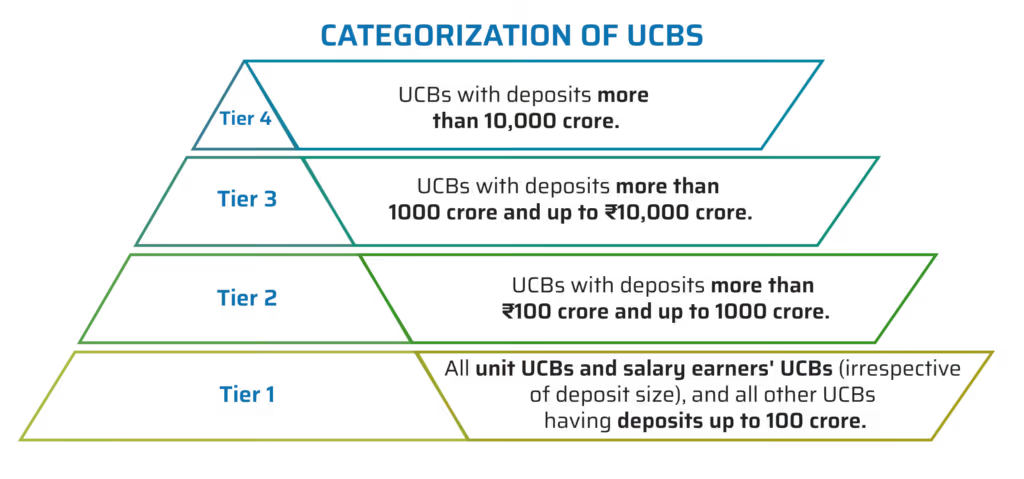
4. Tiered Regulatory FrameworkRBI introduced a four-tier classification of UCBs based on their deposit size, with differentiated regulatory norms.Allows a risk-based and proportionate regulatory approach, ensuring both flexibility and stability.
5. Liberalized Branch Expansion PolicyUCBs can now open up to 10% (maximum 5) of their existing branches annually without prior RBI approval.Promotes geographical expansion and greater access to cooperative banking services.
6. Doorstep Banking ServicesRBI permitted UCBs to provide doorstep services (cash pick-up, delivery, etc.) to their customers.Enhances customer convenience, especially for senior citizens and small businesses.
7. One-Time Settlement (OTS) SchemeUCBs allowed to settle outstanding loans through OTS on lines similar to commercial banks.Improves loan recovery, reduces NPAs, and strengthens financial health.

Prelims Nuggets

Open article →Download PDF

Personality Rights 

AD 4nXf 1eeBOVqe7vouNYCk5Nzrp8rpJTW ohRDBjiiFEjAHZNGsbKlpcXyNUy759m4HqjHjJq09jGXW
  • The Delhi High Court on Monday protected the personality rights of actor and Samajwadi Party’s Rajya Sabha member Jaya Bachchan.
  • Personality Rights, also known as Publicity Rights, are not defined in a single, dedicated statute in India. Instead, they are a set of rights that have been developed and protected by the Indian judiciary through a combination of constitutional provisions and existing intellectual property laws.
  • In essence, a personality right is an individual’s right to control and commercially benefit from the unauthorized use of their unique persona or identity.
  • Rooted in Fundamental Rights:
    • Right to Publicity (The Commercial Aspect) – This is the right of an individual, particularly a celebrity or public figure, to control the commercial exploitation of their unique identity. Derived from Right to Privacy under Article 21, by the Judiciary.
      • Includes a person’s name, image, photograph, voice, signature, distinctive mannerisms, catchphrases (like Anil Kapoor’s “Jhakaas”), and dialogue delivery in Anil Kapoor v. Simply Life India & Ors. (2023).
      • Primarily enforced under the common law tort of Passing Off and provisions of the Trademark Act, 1999 (e.g., registering a name or signature as a trademark).
    • Right to Privacy (The Personal Aspect) – This protects the individual’s personal life from unwanted public intrusion or publicity.
      • It is an intrinsic part of the Right to Life and Personal Liberty under Article 21 of the Constitution, as affirmed by the Supreme Court in the landmark Justice K.S. Puttaswamy v. Union of India case (2017).
      • Enforced under Article 21 and the tort of Defamation.
      • In R. Rajagopal v. State of Tamil Nadu (Auto Shankar Case, 1994), the Supreme Court first recognized the right to privacy as a “right to be let alone.”
  • Protection against Deepfakes: These recent  judgements restrained the world at large from using their name, image, voice, and likeness, including through AI-generated deepfakes and malicious content.
  • Balancing with Free Speech: Courts recognize the need to strike a balance. Satire, parody, lampooning, news reporting, and genuine criticism of a public figure are protected under the Right to Freedom of Speech and Expression (Article 19(1)(a)) and generally do not constitute an infringement of personality rights, as long as there is no unauthorized commercial exploitation or irreparable damage to reputation.

The 8th Pay Commission

  • Pay Commissions (like the Central Pay Commission – CPC) are established by an executive order based on a Cabinet decision in India.
    • No statutory Basis
  • Primary Role: To examine salary structures, retirement benefits, and other service conditions of Central government employees, including defense personnel, and recommend necessary changes.
  • First Commission: The First Central Pay Commission (CPC) was constituted in 1946.
  • The 8th Central Pay Commission (CPC), is chaired by retired Justice Ranjana Prakash Desai.
  • The Union Cabinet finalizes the Terms of Reference (TOR) for the CPC, which require it to consider several key factors:
    • Fiscal Responsibility
    • Resource Allocation
    • Pension Costs
    • Inter-State Impact
    • Market Benchmarking
  • Gaps in the TOR: The TOR currently does not include crucial intangibles like:
    • Learning and development/training.
    • Work environment (flexible working, health promotion).

Cold Desert Biosphere Reserve

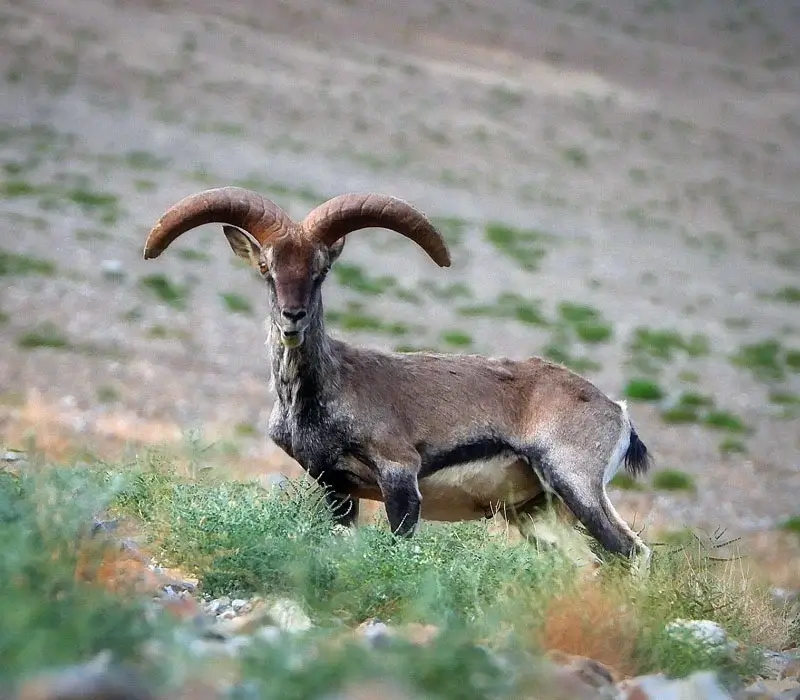
Blue Sheep cdb

  • UNESCO officially announced the designation of India’s Cold Desert Biosphere Reserve into the World Network of Biosphere Reserves (WNBR).
  • The announcement was made during the 5th World Congress of Biosphere Reserves in Hangzhou, China.
  • This addition brings India’s total number of sites in the UNESCO WNBR to 13 biospheres.
  • Global Network Size: The WNBR now includes 785 sites across 142 countries.
  • It was first declared a national Biosphere Reserve in 2009
  • Location: Situated in the trans-Himalayan region of northern India.
  • Area: Spans approximately 7,770 sq. km. across the Lahaul-Spiti district of Himachal Pradesh.
  • It is India’s first high-altitude cold desert biosphere reserve and is recognized as one of the coldest and driest ecosystems in the entire WNBR.
  • Altitude Range: Altitudes within the reserve range from 3,300 to 6,600 meters. It is a rain-shadow zone (shielded from the Indian Monsoon by the main Himalayan range), resulting in a cold, arid (desert) climate.
  • Core Areas: It covers the Pin Valley National Park and the Kibber and Chandratal Wildlife Sanctuaries.
  • Flora: Harbors 732 species of vascular plants, including 30 endemics and 157 near-endemics of the Indian Himalayas. Notable flora includes Himalayan birch, Persian juniper, and rare stands of Willow-leaved sea-buckthorn.
  • Fauna: Supports iconic high-altitude animals such as the snow leopard, Himalayan ibex, blue sheep, Himalayan wolf, and a rich bird life like the Himalayan snowcock and golden eagle.
  • Inhabitants: Around 12,000 inhabitants live in scattered villages.
  • Communities practice traditional pastoralism, yak and goat herding, barley and pea farming, and Sowa Rigpa (Amchi) system of Tibetan herbal medicine.

Drug Controller General of India (DCGI)

AD 4nXcgAg oR5rrLdh2Lt6ZVIlpU5irJZ8trxaWT9oNf8ZgTbml8mOA9C2Y1qHLNW8wgut Eeyzp6 Ss1ykMgkvY9uMqSKq25dxbQ4aVF86M BxXXee6
  • The DCGI has asked states to enforce good manufacturing practices (GMP) in line with global standards, even in smaller companies, and initiate planning to carry out inspections of manufacturing units to confirm strict compliance with revised Schedule M. This comes amidst growing concerns about quality standards of Indian drugs and pharmaceuticals.
  • The DCGI is the head of the Central Drugs Standard Control Organisation (CDSCO), which is the national regulatory body.
  • The CDSCO functions under the Ministry of Health and Family Welfare, Government of India.
  • The DCGI and CDSCO derive their powers from the Drugs and Cosmetics Act, 1940, and Rules, 1945.
  • Major Responsibilities
    • Granting approval for new drugs, vaccines, biological products, and specified categories of products (like blood products and IV fluids) for sale and use in India.
    • Regulating and granting permission for the conduct of clinical trials in the country.
    • Laying down the standards for the manufacture, sale, import, and distribution of drugs.
    • Approving licenses for certain categories of drugs (as a central authority) and coordinating regulatory enforcement with State Drug Control Organisations.
    • Overseeing the safety of drugs and vaccines post-marketing through the Pharmacovigilance Programme of India (PvPI).
    • Acting as the central licensing authority for certain classes of medical devices under the Medical Device Rules, 2017. 
  • Good Manufacturing Practices (GMP) Guidelines – The DCGI enforces GMP through Schedule M of the Drugs and Cosmetics Rules, 1945.
  •  The New and Stricter Norms (Revised Schedule M) – In light of global quality concerns, the DCGI has recently mandated the implementation of revised Schedule M requirements to align India’s manufacturing standards with global (WHO) GMP norms.
  • Deadlines:
    • Large Manufacturers (Turnover more than ₹250 Cr): Deadline was June 2024 (already effective).
    • Small/MSME Manufacturers (Turnover less than or equal to ₹250 Cr): Final deadline for implementation is January 1, 2026.

BIOSPHERE RESERVES

Open article →Download PDF

What are Biosphere Reserve?

  • Biosphere Reserves (BRs) are large areas of terrestrial and coastal ecosystems promoting the conservation of biodiversity, sustainable development, and scientific research. They are internationally recognized under UNESCO’s Man and the Biosphere (MAB) Programme.
  • Biosphere reserves include terrestrial, marine and coastal ecosystems.
  • Biosphere Reserves involve local communities and all interested stakeholders in planning and management. They integrate three main “functions”:
    • Conservation of biodiversity and cultural diversity
    • Economic development that is socio-culturally and environmentally sustainable
    • Logistic support, underpinning development through research, monitoring, education and training

What is the structure of Biosphere Reserve?

The Articles 6-20 of CBD call for in-situ and ex-situ conservation, incentives
for conservation and sustainable use, research and training, awareness and education,
impact assessment, regulating access to genetic resources, access and transfer of
technology and provisions of financial resources. While dealing with these issues, CBD
emphasizes on nationally determined priorities, capacity and needs and with full and
effective participation of local communities.

In order to undertake complementary activities of biodiversity conservation and
development of sustainable management aspects, Biosphere Reserves are demarcated into
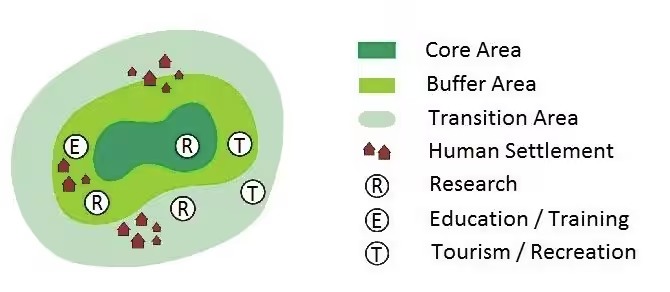
three inter-related zones. These are (I) natural or core zone (ii) manipulation or buffer zone
and (iii) A transition zone outside the buffer zone.

Screenshot 2025 11 11 at 1.10.30 PM

1. Core Zone:

  • The core zone is kept absolutely undisturbed.
  • It includes higher order predators and may contain centres of endemism and important genetic reservoirs.
  • Research & management is allowed.
  • The core zone is to be kept free from all human pressures external to the system.
  • Often overlaps with protected areas like National Parks.

2. Buffer Zone

  • Activities are managed in ways that protect the core zone.
  • Limited recreation, tourism, fishing and grazing, are permitted to reduce its effect on core zone.
  • Research and educational activities are encouraged.
  • Human activities, if natural within BR, are likely to be permitted to continue if these do not adversely affect the ecological diversity.

3. Transition Zone

  • Outermost part of a Biosphere Reserve.
  • This is usually not delimited one.
  • This includes settlements, crop lands, managed forests and area for intensive recreation, and other economic uses characteristic of the region.

What is MAB Programme?

Screenshot 2025 11 11 at 1.28.48 PM
  • The idea of `Biosphere Reserves’ was initiated by UNESCO in 1973-74 under its Man and Biosphere (MAB) Programme.
  • The MAB was launched in 1970 by UNESCO.
  • MAB is primarily a programme of research and training and seeks scientific information to find solution of concrete practical problems of management and conservation.
  • Biosphere reserves are nominated by national governments and remain under the sovereign jurisdiction of the states where they are located.
  • Their status is internationally recognized. Their functions are reviewed every 10 years under the periodic review process.
  • The Indian National Man and Biosphere (MAB) Committee identifies and recommends potential sites for designation as Biosphere Reserves, following the UNESCO’s guidelines and criteria.

What is the statutory status of B.R in India?

  • Biosphere Reserves in India do NOT have statutory backing under wildlife or forest laws.
  • At the initiative of the central/state governments, detailed study is carried out and a project report is prepared by the concerned state following the criteria adopted for designation of BRs.
  • BR is designated by the centre; MoEFCC.
  • The land and forest being the state concerns, the respective state governments have to agree to designate the identified area as Biosphere Reserve.
  • The Central Govt. provides financial assistance for management and research activities in these BRs.
  • The Management of Biosphere Reserves is the responsibility of the concerned State/UT with necessary technical input and training facilities provided by the Central Government. Management Action Plan for each BR is prepared by the concerned State Government
  • Designation of a site as Biosphere Reserve does not affect the legal status of the land, forests and regulations for natural resources and their ownership continue to remain unchanged.

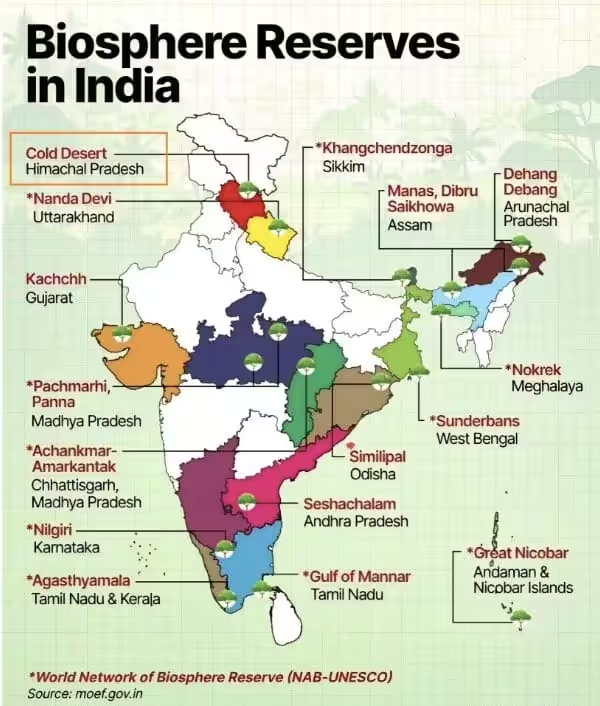
How many BR exist in India and how many of them are the part of MAB programme?

Total Biosphere Reserves in India18
UNESCO WNBR sites13
Not in UNESCO5

Screenshot 2025 11 11 at 1.44.34 PM

Part of WNBR:

No.Biosphere ReserveState(s)Key CharacteristicsUNESCO Year
1Nilgiri (1986)TN, Kerala, KarnatakaWestern Ghats, shola forests, Nilgiri tahr, lion-tailed macaque2000
2Gulf of Mannar (1989)Tamil NaduCoral reefs, seagrass, dugong habitat2001
3Sundarbans (1989)West BengalMangroves, estuarine habitat, Royal Bengal tiger2001
4Nanda Devi (1988)UttarakhandHimalayan alpine ecosystem, snow leopard, Valley of Flowers2004
5Nokrek (1988)MeghalayaNokrek peak, citrus genetic diversity hotspot2009
6Simlipal (1994)OdishaMoist deciduous forests, tiger & elephant habitat2009
7Pachmarhi (1999)Madhya PradeshSatpura landscape, teak forests, gaur2009
8Achanakmar–Amarkantak (2005)MP & ChhattisgarhSource of Narmada & Son rivers, mixed forests2012
9Great Nicobar (1989)A&N IslandsIsland rainforest, Nicobarese tribes, leatherback turtles2013
10Agasthyamalai (2001)TN & KeralaSouthern Western Ghats, medicinal plant diversity2016
11Khangchendzonga (2000)SikkimEastern Himalayas, glaciers, snow leopard, cultural sacred landscapes2018
12Panna (2011)Madhya PradeshTiger reintroduction success, plateaus & gorges2020
13Cold Desert (Spiti / Lahaul-Spiti) (2009/2025)Himachal PradeshHigh-altitude cold desert, snow leopard, blue sheep2025

Not part of WNBR:

1Dibru–Saikhowa (1997)AssamRiverine islands, swamp forests, Gangetic dolphin
2Dehang–Dibang (Dihang–Dibang) (1998)Arunachal PradeshEastern Himalayan forests, high endemism
3Kachchh (Kutch) (2008)GujaratArid desert, saline Rann, wild ass habitat
4Seshachalam Hills (2010)Andhra PradeshRed sanders endemic zone
5Manas (1989)AssamAsiatic Elephant, Golden Langur, Pygmy Hog, Assam Roofed Turtle
NOTE :Khangchendzonga Buffer Expansion Zones (portions)SikkimSome notified zones not part of UNESCO nomination