ज़्यादातर अभ्यर्थी बता देंगे कि aurora borealis “Sun से आए charged particles के Earth’s atmosphere से टकराने” के कारण बनती है। फिर जब पूछा जाए कि यह सिर्फ़ poles के पास क्यों होती है, आम तौर पर green क्यों होती है या 2024 में Ladakh के लोगों ने इसे कैसे photograph किया, तो जवाब अटक जाता है। वह one-line answer ग़लत नहीं है, बस उसमें हर ज़रूरी step गायब है। असली कहानी एक chain है: Sun charged particles छोड़ता है, Earth’s magnetic field उन्हें पकड़कर दिशा देता है और particles के atmosphere से टकराते ही वह neon sign की तरह चमक उठता है। Chain सही क्रम में समझ लें, तो aurora सुंदर लेकिन रटी हुई बात नहीं रहती। यह space physics का ऐसा हिस्सा बन जाती है जिसे आप सचमुच समझा सकते हैं, और अच्छे उत्तर को यही चाहिए।
Aurora असल में क्या है?
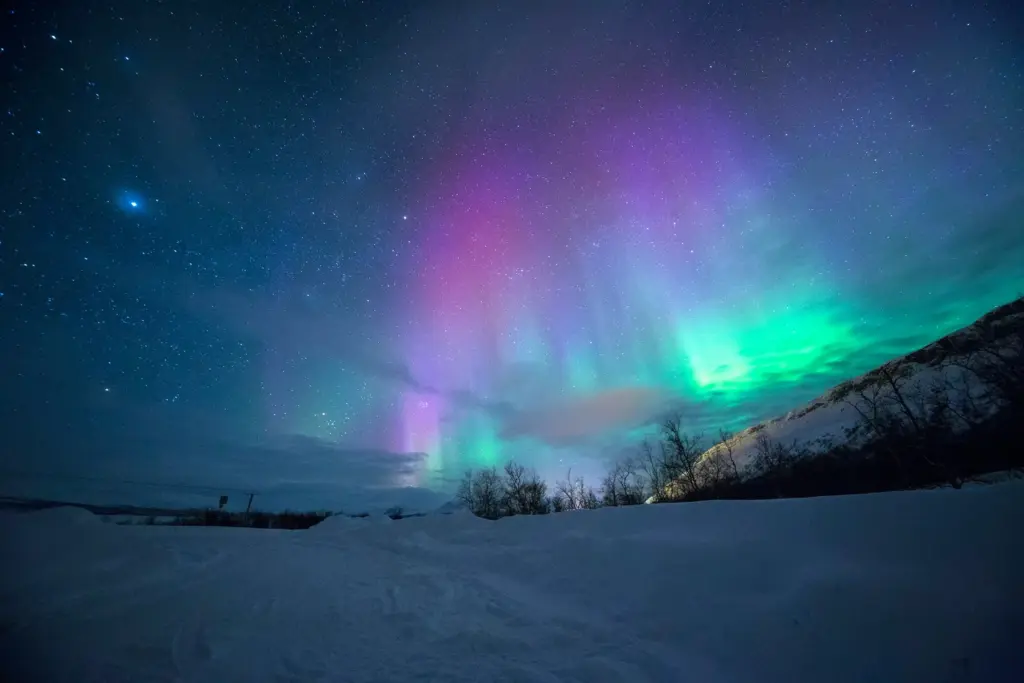
Aurora पृथ्वी के upper atmosphere की gases से निकलने वाली light है। Sun से आए charged particles जब Earth’s magnetic field के कारण poles की ओर पहुँचकर इन gases से टकराते हैं, तो ये gases रोशनी छोड़ती हैं। Aurora borealis North Pole के आसपास दिखाई देने वाली version है, जिसे “northern lights” कहते हैं। इसका southern twin aurora australis है। एक sentence में phenomenon इतना ही है, लेकिन हर हिस्से के भीतर mechanism छिपा है। तीन शब्द याद रखिए: particles, magnetism और atmosphere।
इसे flat panels से पहले के television screen जैसा सोचिए। पुराने cathode-ray tube में electrons की beam coated screen पर छोड़ी जाती थी। जहाँ electrons टकराते, coating चमकती। Aurora planetary scale पर वही trick है। Sun electron beam देता है, Earth’s magnetic field उसे polar regions की ओर aim करता है और upper atmosphere glow करने वाली screen है। Analogy को समझदारी से इस्तेमाल कीजिए, क्योंकि physics सचमुच मिलती है। Incoming particle से atom energy absorb करता है और फिर flash of light के रूप में छोड़ देता है। यही वजह है कि पुरानी screen और atmosphere दोनों चमकते हैं। फर्क सिर्फ़ scale का है और यह कि यहाँ aiming engineer नहीं, nature करती है।
Glow cloud level पर नहीं, बहुत ऊपर होता है। Auroras ज़्यादातर ज़मीन से 100 से 300 kilometres ऊपर thermosphere की पतली upper air में बनती हैं। यह जगह aeroplanes की ऊँचाई से बहुत ऊपर है और low orbit के satellites से भी ऊपर हो सकती है। इसलिए northern lights को mountains पर fog की तरह लटका हुआ मत सोचिए। इसे near-vacuum में लटके light curtain की तरह देखिए, जो दसियों kilometres ऊँचा है और जिसका lower edge उस sky से भी ऊपर है जिसे आम लोग atmosphere समझते हैं।
Aurora step by step कैसे बनती है?
Aurora की यात्रा Sun से शुरू होती है। इसकी sequence वह हिस्सा है जिसे परीक्षक पसंद करते हैं, क्योंकि हर link का अपना नाम है। Source से शुरू कीजिए।
Sun लगातार charged particles की पतली stream छोड़ता है जिसे solar wind कहते हैं। इसमें मुख्य रूप से electrons और protons होते हैं और speed सैकड़ों kilometres per second होती है। शांत दिन में भी यह wind highest latitudes पर faint auroras बना सकती है। Dramatic display बड़ी घटना से आती है: coronal mass ejection, यानी CME। यह magnetised plasma का विशाल bubble है जिसे Sun activity burst के दौरान बाहर फेंकता है और अक्सर साथ में solar flare भी होती है। एक CME अरबों tonnes charged particles ले जा सकती है। Earth की ओर directed CME एक-दो दिन बाद planet के magnetic environment से टकराती है, इसलिए space-weather forecasters आने वाले storm की warning दे पाते हैं। India’s solar observatory Aditya-L1 को ऐसी eruptions को Sun से निकलते देखने के लिए भी बनाया गया था और उसने Earth तथा Sun के बीच से coronal mass ejections का close look भी लौटाया है।
अब Earth’s defence system काम करता है। Planet के पास magnetosphere है, यानी space का वह region जिस पर उसका magnetic field हावी है। यह invisible shield की तरह solar wind का अधिकतर हिस्सा बाहर मोड़ देती है, जैसे boulder से टकराकर river दो धाराओं में बँट जाए। लेकिन shield पूरी तरह sealed नहीं है। Night side पर magnetic field लम्बी tail में खिंचती है जिसे magnetotail कहते हैं। यहाँ incoming solar magnetic field Earth के field से magnetic reconnection नाम की process में जुड़ सकती है। Reconnection खिंची हुई field lines को छोड़े गए elastic band की तरह snap करती है और trapped particles को Earth की ओर फेंकती है, रास्ते में उन्हें accelerate करते हुए। ये particles उन magnetic field lines पर spiral करते हुए नीचे आते हैं जो दोनों magnetic poles पर converge करती हैं। Auroras poles के पास cluster क्यों होती हैं और sky पर evenly क्यों नहीं फैलतीं, इसका यही एक मुख्य कारण है।
आख़िरी step collision है। Accelerated electrons upper atmosphere में गिरते हुए oxygen और nitrogen के atoms तथा molecules से टकराते हैं। हर collision atom को “excited” state में पहुँचा सकती है, यानी उसका कोई electron higher energy level पर चला जाता है। यह state unstable होती है। Second के छोटे हिस्से बाद electron वापस नीचे आता है और atom extra energy को photon, यानी light particle, के रूप में छोड़ देता है। विशाल sky sheet में trillions of atoms ऐसा करें, तो shimmering curtain बनता है। Curtain का colour random नहीं है और इसे ठीक समझना अगला step है।
Aurora green, red और कभी-कभी purple क्यों होती है?
Aurora का colour इस पर निर्भर करता है कि कौन-सी gas glow कर रही है और वह किस altitude पर है। इसलिए palette upper atmosphere का map भी है। तीन मुख्य cases सीख लीजिए और aurora photograph को chart की तरह पढ़ पाएँगे।
सबसे आम green aurora करीब 100 से 150 kilometres altitude पर मौजूद atomic oxygen से आती है। यह करीब 557.7 nanometres wavelength पर light emit करता है। ऊपर oxygen इतना thin है कि excited atom किसी दूसरी collision से पहले यह green glow छोड़ देता है। 200 kilometres से ऊपर atomic oxygen deep red light emit करता है, करीब 630 nanometres पर। यह red glow faint और धीमा है। उस ऊँचाई पर atmosphere बहुत sparse होने से इसे दिखने के लिए शांत और low-energy conditions चाहिए। इसी वजह से नीचे India वाली कहानी में rare red aurora महत्वपूर्ण है। 100 kilometres से नीचे air denser है और molecular nitrogen blue और purple-pink fringes बनाता है, जो active display के lower edge पर दिखती हैं।
| Colour | Emitting gas | Approximate altitude | यह क्या बताता है? |
|---|---|---|---|
| Green | Atomic oxygen (557.7 nm) | 100–150 km | Common, bright aurora |
| Red | Atomic oxygen (630 nm) | Above 200 km | Faint, high, low-energy particles की ज़रूरत |
| Blue / purple | Molecular nitrogen | Below 100 km | Strong displays की lower fringes |
यहाँ लगभग हर कोई एक जगह फँसता है। Colour storm की strength से सीधे तय नहीं होता। यह इस पर निर्भर करता है कि किस ऊँचाई पर कौन-से atoms excited हुए और अगली collision से पहले उन्हें glow करने का समय मिला या नहीं। इसलिए poleward observer को intense storm में ज़्यादातर green दिखता है, जबकि दूर, low-latitude observer auroral curtain के सिर्फ़ ऊपरी हिस्से को पकड़ता है और उसे red दिखता है। Storm एक ही है, लेकिन अलग दूरी से देखने पर colours अलग लगते हैं।
Aurora borealis और aurora australis: दोनों poles पर एक ही light
Aurora borealis और aurora australis एक ही physical phenomenon हैं, जो Earth के दोनों ends पर एक ही समय हो सकता है। असली अंतर सिर्फ़ hemisphere का है। Borealis northern lights हैं और Norway, Iceland, Canada तथा Alaska जैसी जगहों से दिखती हैं। Australis southern lights हैं, जिन्हें Antarctica, southern New Zealand और Australia तथा Chile के far south से देखा जाता है।
Names में history की एक छोटी line भी है। Aurora Roman goddess of dawn थी। *Boreas*, north wind का Greek नाम, से बना aurora borealis आम तौर पर astronomer Galileo Galilei को 1619 में दिया जाता है। Aurora australis में सिर्फ़ “of the south” वाला Latin आता है। दोनों auroras एक ही solar particles और planetary magnetic field से बनती हैं। इसलिए वे एक-दूसरे की near mirror images हैं और कई बार satellites उन्हें उसी समय matching patterns में photograph कर चुके हैं। यह कहना कि दोनों एक global process के visible ends हैं, दो अलग events नहीं, geometry को समझना है।
Auroral oval: lights असल में कहाँ होती हैं?
Auroras geographic pole के ऊपर कोई साफ़ cap नहीं बनातीं। वे हर geomagnetic pole के आसपास auroral oval नाम का टेढ़ा-मेढ़ा ring बनाती हैं। Geomagnetic pole असली geographic pole से काफ़ी दूर बैठ सकता है। इसलिए aurora North Pole पर सबसे अच्छी नहीं दिखती। यह उसके थोड़ा south में northern Scandinavia, Iceland और northern Canada के ऊपर उस band में दिखती है जहाँ oval आम तौर पर overhead होता है।
Oval fixed नहीं है। Quiet space weather में यह high latitudes को पकड़े पतली ring होती है। Strong CME आने पर oval फूलती है और equatorward बढ़ती हुई tropics की ओर आती है। Extreme storm में यह इतनी south जा सकती है कि जिन्हें aurora की उम्मीद कभी नहीं होती, उन्हें अपने सिर के ऊपर lights दिखाई दें। India में northern lights दिखने की यही वजह है। Oval सामान्य अर्थ में India तक नहीं आई थी। Once-in-decades storm में यह pole से abnormal distance तक फैल गई थी और इसका faint red outer edge उन latitudes तक पहुँचा जिन्हें वह सामान्यतः छूती भी नहीं। अब इस subject का सबसे striking recent chapter समझिए।
India ने northern lights कब देखीं? Ladakh और Hanle
May 2024 में Ladakh के observers ने India के ऊपर northern lights record कीं। यह घटना इतनी rare थी कि aurora Indian readers के लिए distant-country curiosity नहीं, live topic बन गई। Trigger living memory के सबसे strong space-weather events में से एक था। इसके specifics जानने से “India में aurora दिखी” एक proper dated case study बन जाती है।
10 से 13 May 2024 के बीच एक giant sunspot region से निकली powerful coronal mass ejections की cluster Earth से टकराई। इससे geomagnetic storm बना जिसे NOAA ने अपने top “extreme” category G5 में रखा। करीब दो दशक में यह पहला G5 storm था और March 1989 के बाद planet पर आने वाला सबसे powerful storm था। Scientists ने space physicist Jennifer Gannon के नाम पर इसे Gannon storm कहा। Earth’s magnetic field कितनी disturb हुई, यह मापने वाला Dst index करीब −412 nanoteslas तक पहुँचा। 1989 के बाद इस class के किसी storm में यह सबसे बड़ा disturbance था। Mexico और Spain से Japan तथा South Africa तक, उन latitudes पर भी दुनिया भर में auroras report हुईं जहाँ आम तौर पर कभी नहीं दिखतीं।
India में Indian Astronomical Observatory at Hanle, Ladakh के sky cameras ने northern horizon पर red glow capture किया। Location संयोग नहीं है। Hanle high altitude वाले cold desert में है, जहाँ light pollution लगभग नहीं है। यही वजह है कि इसे India’s first dark sky reserve का core बनाया गया। Clean dark skies के बिना low-latitude की बेहद faint aurora दिखती ही नहीं। Colour ने clue दिया। Ladakh ने Arctic की bright green curtain नहीं, diffuse red arc देखा। यह high-altitude oxygen glow था, जिसे कभी-कभी stable auroral red (SAR) arc भी कहते हैं। यह related red emission है जो बड़े storms में auroral zone के किनारे दिखती है। India curtain की सिर्फ़ topmost faint fringe पकड़ रहा था, जिसकी bright base उत्तर में हज़ारों kilometres दूर थी। इसे इतना south धकेलने के लिए एक generation का सबसे powerful storm चाहिए था।
Exam answer के लिए lesson सटीक है: India में कोई “aurora season” नहीं है। Extreme geomagnetic storm ने auroral oval को सामान्य reach से बहुत बाहर तक फुलाया और Hanle जैसी सचमुच dark, high-altitude site उस समय देख रही थी, इसलिए red low-latitude aurora दिखाई दी। दोनों conditions ज़रूरी थीं। Storm या dark sky में से कोई एक हटा दें, sighting नहीं होती।
Solar maximum और auroras की खबरें
हाल में auroras ज़्यादा बार और बड़े क्षेत्र में दिखाई दी हैं क्योंकि Sun activity cycle के peak के पास है। इस phase को solar maximum कहते हैं। Sun की activity लगभग 11-year cycle में बढ़ती और घटती है। Current Solar Cycle 25 2024 और 2025 के आसपास maximum पर पहुँचा। इसी समय बड़े storms और global aurora sightings एक साथ clustered हुईं। इस cycle को समझने से Ladakh की एक dramatic night को predictable physical rhythm से जोड़ा जा सकता है।
Solar maximum पर Sun में सबसे ज़्यादा sunspots, solar flares और coronal mass ejections होती हैं। इसलिए aurora बनाने वाले eruptions की raw supply highest होती है। Solar minimum के quiet years की तुलना में maximum के आसपास auroras ज़्यादा intense और दूर तक जाती हैं। इसी वजह से forecasters ने mid-2020s में active stretch की उम्मीद की थी। Sun के ये “tantrums” Earth’s magnetic field तक कैसे असर पहुँचाते हैं, इसे space science के साथ पढ़िए। वही solar activity sky paint करने के साथ satellites, GPS, radio और power grids को disrupt भी कर सकती है। Solar maximum और 11-year solar cycle aurora को real-world stakes से जोड़ता है और solar storm वह specific event है जो light show और disruption, दोनों ला सकता है। Beautiful और hazardous एक साथ होना exam के लिए अच्छा dual-use fact है।
परीक्षा के लिए auroras को कैसे पढ़ें?
Aurora को single fact नहीं, causal chain की तरह पढ़िए। हर question में आपसे यही chain reconstruct करने को कहा जाता है। Sequence सही क्रम में याद रखेंगे, तो details अपने-आप जुड़ जाएँगी।
Spine यह है: Sun solar wind emit करता है और storms में coronal mass ejections छोड़ता है। Earth’s magnetosphere इसका अधिकतर हिस्सा deflect करती है, लेकिन magnetotail में magnetic reconnection charged particles को field lines के साथ poles तक funnel करती है। ये particles upper atmosphere में oxygen और nitrogen को excite करते हैं। Energy छोड़ते समय gases glow करती हैं। Oxygen green और red देता है, nitrogen blue और purple। Display हर geomagnetic pole के आसपास auroral oval में होता है और strong storms में equatorward push करता है। Notes के बिना यह कह पाएँ, तो concept आपका है।
Value addition के लिए तीन specifics रखिए। पहला, colour-altitude map: 100 से 150 km पर oxygen green, 200 km से ऊपर oxygen red और नीचे nitrogen blue तथा purple। इससे distant observers को red क्यों दिखता है, समझा सकते हैं। दूसरा, India case: May 2024 का G5 Gannon storm और Hanle in Ladakh के ऊपर red arc। यह space weather, dark-sky sites या geomagnetic storms की reach वाले सवाल में काम आएगा। तीसरा, cycle context: mid-2020s का Solar Cycle 25 maximum। इससे aurora को satellite और grid hazards तथा India के solar-observation effort से जोड़ पाएँगे। Prelims में mechanism और colours पूछे जाते हैं। Mains और interviews में aurora space weather और economic risks पर बड़े answer का vivid hook है। इसे physics, दो-तीन dated Indian anchors और solar cycle के साथ सीखिए। तब यह सिर्फ़ one fact card नहीं रहेगा, ठीक वैसे ही जैसे ISRO’s missions space-technology section को anchor करती हैं।
सामान्य प्रश्न
Aurora borealis किस कारण बनती है?
Aurora borealis Sun से आए charged particles, खासकर electrons, के Earth’s upper atmosphere में oxygen और nitrogen atoms से टकराने पर बनती है। Earth’s magnetic field particles को poles की ओर ले जाती है। Atmospheric gases excite होकर energy को light के रूप में छोड़ती हैं।
Auroras आम तौर पर green क्यों होती हैं?
Common green colour 100 से 150 kilometres altitude पर atomic oxygen से आती है। यह 557.7 nanometres wavelength पर light emit करता है। वहाँ oxygen इतना thin है कि excited atoms अगली collision से पहले green glow छोड़ पाते हैं।
Aurora borealis और aurora australis में क्या अंतर है?
दोनों Earth के opposite ends पर होने वाला एक ही phenomenon हैं। Aurora borealis North Pole के पास northern lights है और aurora australis South Pole के पास southern lights। दोनों solar particles और Earth’s magnetic field से बनती हैं और अक्सर matching patterns में चमकती हैं।
क्या India से northern lights देखी जा सकती हैं?
बहुत rare तरीके से और सिर्फ़ extreme geomagnetic storms में। May 2024 में Ladakh के Hanle स्थित Indian Astronomical Observatory ने G5 Gannon storm के दौरान faint red aurora record की। सामान्यतः India equator के बहुत पास है, इसलिए aurora देखने की reach से बहुत दूर है।
Ladakh के ऊपर aurora green के बजाय red क्यों दिखी?
India auroral curtain का सिर्फ़ बहुत ऊपरी हिस्सा पकड़ता है, जो hundreds of kilometres ऊपर है। वहाँ atomic oxygen 630 nanometres पर red light emit करता है। Aurora का bright green base far north में lower altitude पर है। इसलिए distant low-latitude observers को green के बजाय high red glow दिखता है।
Auroral oval क्या है?
Auroral oval हर geomagnetic pole के आसपास ring-shaped zone है जहाँ auroras आम तौर पर बनती हैं। यह geographic pole पर नहीं, magnetic pole पर centred होती है। Strong solar storms में यह expand होकर equator की ओर खिसकती है और कभी-कभी low latitudes तक auroras पहुँचा देती है।
Aurora solar cycle से कैसे जुड़ी है?
Sun activity के करीब 11-year cycle में चलता है। Peak phase को solar maximum कहते हैं। इस समय sunspots, flares और coronal mass ejections ज़्यादा होते हैं, इसलिए auroras भी ज़्यादा बार और दूर तक दिखाई देती हैं। Solar Cycle 25 2024-2025 के आसपास maximum पर पहुँचा, इसलिए हाल में auroras असामान्य रूप से आम रही हैं।
अभ्यास प्रश्न
1. Auroras मुख्य रूप से solar particles और atmosphere की किन gases की interaction से बनती हैं?
a) Carbon dioxide और methane
b) Oxygen और nitrogen
c) Hydrogen और helium
d) Ozone और argon
उत्तर: b
2. Aurora का green colour मुख्य रूप से किससे बनता है?
a) Low altitude पर molecular nitrogen
b) करीब 100 से 150 km पर atomic oxygen
c) High altitude पर hydrogen
d) Stratosphere में water vapour
उत्तर: b
3. Earth’s magnetic field से dominated space region, जो solar particles को poles की ओर funnel करता है, कहलाता है:
a) Ionosphere
b) Ozone layer
c) Magnetosphere
d) Stratosphere
उत्तर: c
4. May 2024 में India में faint red aurora कहाँ record की गई?
a) Nainital
b) Hanle, Ladakh
c) Kodaikanal
d) Mount Abu
उत्तर: b
5. Solar maximum में auroras अधिक frequent और widespread क्यों होती हैं?
a) Solar eclipses की वजह से
b) Sunspots, flares और coronal mass ejections सबसे अधिक होने से
c) Meteor showers की वजह से
d) Lunar phases की वजह से
उत्तर: b
मुख्य परीक्षा के प्रश्न
- Aurora borealis बनने की process समझाइए और Sun से Earth’s upper atmosphere तक पूरी chain trace कीजिए।
- Auroras सामान्यतः high latitudes तक सीमित क्यों रहती हैं और India जैसी low latitudes पर किन conditions में दिख सकती हैं?
- समझाइए कि aurora के colours upper atmosphere की composition और structure के बारे में क्या बताते हैं।
- Geomagnetic storms सुंदर auroras बनाते हैं, लेकिन serious hazards भी लाते हैं। Modern technological systems पर उनके impact की जाँच कीजिए।
- India में astronomy और space-weather observation के लिए Hanle जैसे dark-sky sites के महत्व का विश्लेषण कीजिए।
Aurora उस व्यक्ति को reward करती है जो one-line answer के पीछे की chain समझना चाहता है। Solar wind से glowing oxygen तक sequence, colour-altitude map और Hanle के ऊपर Gannon-storm sighting याद रखिए। इसे solar cycle की rhythm में रखिए। तब आप वह कर पाएँगे जो ज़्यादातर candidates नहीं कर पाते: सिर्फ़ यह नहीं बताएँगे कि northern lights मौजूद हैं, बल्कि यह भी समझाएँगे कि Norway में वे green, Ladakh के ऊपर red और कभी-कभी थोड़ी देर के लिए Indian story क्यों बन जाती हैं।