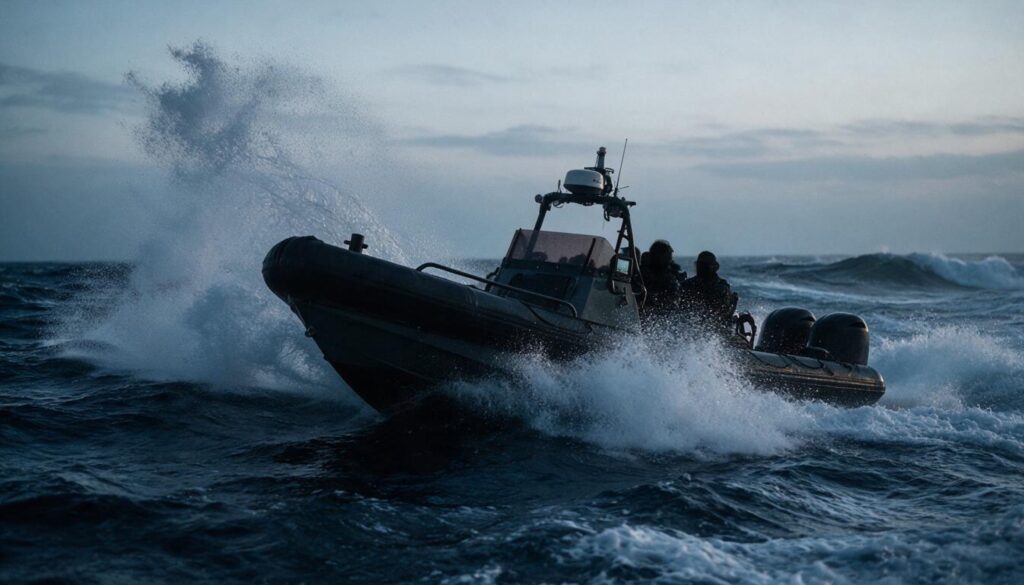
ज़्यादातर लोग MARCOS को एक ही तस्वीर से जानते हैं: wetsuit पहने दाढ़ी वाले जवान समुद्र से बाहर निकल रहे हैं और caption में उन्हें “the most feared force in the world” कहा गया है। यह mystique देखने में अच्छी लगती है, लेकिन इससे उन दो बातों पर ध्यान नहीं जाता जो अभ्यर्थी के लिए असल में ज़रूरी हैं: यह force किस काम के लिए है और India की security architecture में इसकी जगह कहाँ है। Marine Commando Force, जिसे संक्षेप में MARCOS कहा जाता है, Indian Navy की special forces arm है। इसका काम तस्वीरों में डरावना दिखना नहीं है। इसका काम वहाँ लड़ना है जहाँ समुद्र ज़मीन से मिलता है, उस ठीक seam पर जहाँ warship नहीं जा सकती और soldier तैरकर नहीं पहुँच सकता।
उस seam को समझ लीजिए, बाकी topic अपने-आप साफ़ हो जाएगा। इसलिए इस answer को उसी तरह बनाएँगे जैसे Navy ने इस force को बनाया: पानी से बाहर की ओर।
MARCOS क्या है?
MARCOS Indian Navy की special operations unit है। इसे maritime environment में ऐसे missions के लिए बनाया गया है जिनके लिए regular sailors और regular naval divers तक trained नहीं होते। Navy को एक body की तरह सोचिए: warships muscle हैं, submarines छिपकर दूर तक पहुँचने वाली reach हैं और MARCOS scalpel है, छोटा, precise और वहाँ इस्तेमाल होने वाला जहाँ brute force fail हो जाए। किसी hijacked merchant vessel पर रात में चढ़ना हो, offshore oil platform को खतरा हो या amphibious landing से पहले beach की जाँच करनी हो, यह MARCOS का काम है।
यह force February 1987 में सबसे पहले Indian Marine Special Force (IMSF) के नाम से बनी थी। बाद में Navy ने इसका नाम Marine Commando Force रखा, ताकि उसके शब्दों में इसमें “an element of individuality” आए। इसका short form MARCOS चल पड़ा। Origin story इसलिए important है क्योंकि यह बताती है कि force को किस standard पर बनाया गया था। तीन volunteer officers को United States Navy SEALs के साथ Coronado में और फिर Britain की Special Boat Service के साथ training के लिए भेजा गया। वे लौटे और उन्होंने unit की नींव रखी। यानी MARCOS कोई improvisation नहीं थी। इसे दुनिया की दो established maritime special forces को देखकर जानबूझकर बनाया गया था।
इनका motto है “The Few, The Fearless.” Nicknames इनके बारे में motto से ज़्यादा बताते हैं। Service के भीतर इन्हें पानी से निकलने के तरीके के कारण Magarmach (crocodiles) कहा जाता है। Kashmir में इनके enemies इन्हें Dadhiwala Fauj, यानी दाढ़ी वाली सेना, कहते थे। Undercover काम के लिए जवान दाढ़ी रखते और Navy का साफ़-सुथरा look छोड़ देते थे। यह detail पहली clue है कि “marine” commando का मतलब केवल “sea-only” commando नहीं होता।
Marine Commandos वास्तव में क्या करते हैं?
MARCOS maritime special operations के लिए trained है। इसके mandate को समझने का सबसे साफ़ तरीका उन roles को देखना है जिनकी यह practice करती है। हर role उस gap को भरता है जिसे conventional forces खुला छोड़ देती हैं।
- Maritime counter-terrorism. Terrorists के कब्ज़े में गए ship, oil rig या coastal target को वापस लेना। 2008 में पूरे देश ने इसकी झलक देखी।
- Visit, Board, Search and Seizure (VBSS). समुद्र में suspicious या hostile vessel पर fast boat या helicopter से पहुँचकर चढ़ना, उसकी जाँच करना, लोगों को हिरासत में लेना या vessel को clear करना। Anti-piracy work में यही रोज़ का मुख्य काम है।
- Hostage rescue at sea. Hijacked merchant ships के crews को छुड़ाना। Arabian Sea में MARCOS के पिछले दशक के operations को इसी mission ने सबसे अधिक पहचान दी है।
- Amphibious reconnaissance और raids. Landing से पहले hostile beach की जाँच करना या coastal target पर हमला करके समुद्र के रास्ते वापस निकलना।
- Combat diving और underwater demolition. Obstacles हटाना, charges लगाना या निकालना और बिना दिखे approach करना। यह skill Navy की diving units से आई है, जिनसे MARCOS विकसित हुई।
- Unconventional और special reconnaissance on land. हाँ, जमीन पर भी। MARCOS ने Jammu और Kashmir में Wular Lake और Jhelum river areas में वर्षों तक deployment किया, क्योंकि militants इन waterways का इस्तेमाल infiltration routes की तरह करते थे।
यहीं लोग अक्सर अटकते हैं। “Marine” शब्द उस environment को बताता है जिसमें वे specialist हैं, यह कोई ऐसी fence नहीं है जिसे वे पार ही न कर सकें। जो commando submarine से बाहर निकल सकता है, ठंडे पानी में miles तैर सकता है और फिर rig पर लड़ सकता है, वह riverbank पर ambush भी कर सकता है। कठिन हिस्सा sea है। बाकी काम उसके बाद आसान होते जाते हैं।
Selection: motto में “the Few” सचमुच few क्यों हैं
Motto में “Few” marketing नहीं, arithmetic है। MARCOS selection जानबूझकर इस तरह बनाई गई है कि ज़्यादातर volunteers fail हों। Reported washout rate करीब 80 से 85 percent रहती है। केवल serving Navy personnel apply कर सकते हैं। वे खुद volunteer करते हैं, उन्हें यहाँ post नहीं किया जाता।
Selection की शुरुआत तीन दिन की physical और aptitude screening से होती है। असली training शुरू होने से पहले ही majority बाहर हो जाती है। जो बचते हैं, वे करीब ढाई से तीन साल की pipeline में जाते हैं। Commando को पूरी तरह operational बनने में इतना समय लगता है और core commando qualification course करीब साढ़े सात से आठ महीने चलता है। Training में एक phase को अनौपचारिक रूप से “hell” कहा जाता है, जिसमें कम नींद के साथ लगातार कई दिनों तक activity चलती है। कुछ drills में हाथ-पैर बाँधकर tasks कराए जाते हैं। इससे वह composure बनता है जिसकी जरूरत तब पड़ती है जब पानी के नीचे plan बिगड़ जाए और panic जानलेवा हो सकता है।
इसे समझने का ईमानदार तरीका यह है: brutality machismo नहीं, temperament का filter है। Navy room में सबसे ताकतवर आदमी नहीं ढूँढ़ रही। वह ऐसा आदमी ढूँढ़ रही है जो ठंड, थकान, कम संख्या और कम visibility के बीच शांत रहे। यह बहुत rare quality है और केवल gym work से पता नहीं चलती। Ordeal से ही पता चलती है। अगर यह section force को superhuman बना रहा है, तो उस खयाल को थोड़ा रोकिए। Operations दिखाते हैं कि ये बहुत अच्छी training पाए हुए इंसान हैं जो बहुत कठिन काम करते हैं, comic-book figures नहीं।
Qualification के बाद commandos para-jumping, advanced diving, demolitions और sniping जैसी specializations जोड़ते हैं। इस तरह छोटी team के पास बहुत बड़ा toolkit होता है। MARCOS team को support से बहुत दूर जाकर भी self-sufficient रहने के लिए बनाया जाता है।
वे target तक कैसे पहुँचते हैं: insertion और underwater edge
Maritime commando को अलग बनाने वाली चीज़ shooting नहीं, बल्कि unseen तरीके से target तक पहुँचना है। Training इतनी लंबी क्यों है, यह समझने के लिए यही हिस्सा सबसे useful है। MARCOS team कई routes से target तक पहुँच सकती है और सही route चुनना skill का आधा हिस्सा है। वे free-fall या static-line parachute से समुद्र में उतरकर swim कर सकते हैं। वे submerged submarine से lock out कर सकते हैं, यानी एक special chamber से निकलकर underwater surface तक आ सकते हैं, ताकि न boat approach का signal मिले न aircraft का। वे fast interceptor craft से जाकर ladders और hooks के सहारे moving ship पर चढ़ सकते हैं, जो VBSS की classic entry है। या वे closed-circuit rebreathers की मदद से दूर से swim कर सकते हैं। इसमें diver की air recycle होती है और ऊपर उठने वाले bubbles approach का पता नहीं देते।
Bubble-free diving इस पूरी force का शांत लेकिन सबसे अहम हिस्सा है। Regular scuba diver bubbles की trail छोड़ता है जिसे deck पर खड़ा lookout देख सकता है। Rebreather इस्तेमाल करने वाला combat diver कुछ नहीं छोड़ता। रात में hostile ship तक पानी के अंदर, चुपचाप और बिना दिखे पहुँचना और वहाँ पहुँचने के बाद लड़ने की ताकत और composure बनाए रखना, महीनों की कठिन water training का नतीजा है। MARCOS commando के बाकी काम अधिकांश soldiers जल्दी सीख सकते हैं। Sea approach को shortcut नहीं किया जा सकता। इसी कारण pipeline वर्षों की होती है।
Land role भी इसी skill set से निकलती है। MARCOS ने पानी पर mastery हासिल की, इसलिए Kashmir की lakes और rivers में operations के लिए वह natural choice बनी, जहाँ militants movement के लिए waterways इस्तेमाल करते थे। जो force ठंडे पानी में एक mile swim करके पहुँचते ही fight कर सकती है, उसे riverbank रोक नहीं सकता।
वे operations जिन्होंने MARCOS की पहचान बनाई
MARCOS की reputation कुछ real missions से बनी है। एक दर्जन operations को सतही ढंग से गिनाने से बेहतर है कि तीन या चार को अच्छी तरह समझा जाए।
26/11 Mumbai attacks (2008) वह operation है जिसे जनता सबसे अधिक याद रखती है। दस Lashkar-e-Taiba terrorists समुद्र के रास्ते Mumbai पहुँचे और कई sites पर हमला किया। MARCOS उन पहली special forces में थी जो Taj Mahal Palace और Trident-Oberoi hotels में दाखिल हुईं। इसके बाद National Security Guard पहुँची और codename Operation Black Tornado वाले sustained hostage-rescue operation की command संभाली। यहाँ precision ज़रूरी है, क्योंकि coaching notes दोनों roles को मिला देते हैं: शुरुआती entry MARCOS ने की, main operation NSG ने चलाया। Coastal target पर सबसे पहले naval commandos पहुँचना और dedicated counter-terror force के रूप में NSG का मुख्य operation चलाना, यह division India की forces आपस में कैसे fit होती हैं, इसका exam-worthy point है। इस attack से यह भी सामने आया कि maritime route पर coast की security कमजोर थी और बाद में coastal security को फिर से shape किया गया।
Gulf of Aden में anti-piracy वह काम है जिसमें MARCOS सबसे अधिक दिखाई देती है। Somalia के पास piracy से प्रभावित waters में Indian warships ने merchant traffic को escort करना शुरू किया, तब से MARCOS boarding teams ने hijacking की कई कोशिशें नाकाम की हैं। एक अच्छी तरह documented case INS Trikand की action है, जब ship के marine commandos ने region में एक merchant vessel पर pirate attack रोका। Current example के रूप में Gulf of Aden में INS Trikand की piracy response साफ़ और recent example है। यह India की maritime sector में wider security-provider role से भी जुड़ता है।
Operation Sankalp (2024) modern showcase है। March 2024 में Somali pirates ने Maltese-flagged bulk carrier MV Ruen को hijack करके mother ship की तरह इस्तेमाल किया। Indian Navy के INS Kolkata ने Arabian Sea में बहुत दूर जाकर उसे intercept किया। कुछ MARCOS operators को Air Force ने combat equipment के साथ para-drop किया। उन्होंने 17-member crew को rescue किया और 35 pirates को surrender करने पर मजबूर किया। बाद में pirates को prosecution के लिए India लाया गया। यह Navy का पहला anti-piracy operation था जिसमें captured pirates को trial के लिए Indian soil पर लाया गया। इससे VBSS chain का पूरा sequence दिखा: air insertion, boarding, rescue और legal follow-through।
पुराना लेकिन instructive example Operation Cactus (1988) है। यह Maldives में coup attempt को हराने में मदद करने वाला Indian intervention था। इसमें marine commandos ने भाग रहे mercenaries का समुद्र में पीछा करने वाली कार्रवाई में भूमिका निभाई। यह अपने neighbourhood में first responder की तरह India के काम करने का case study है।
India की special forces में MARCOS की जगह
MARCOS तीन service-specific special forces में से एक है। इन्हें अलग रखने का सबसे आसान तरीका है कि हर force किस armed service की है और किस terrain में specialist है, यह याद रखें। सबसे common exam trap यह है कि कौन-सी force किसकी है और National Security Guard बाकी सब से अलग क्या करती है, यह mix हो जाता है।
| Force | Parent service | Raised | Core domain |
|---|---|---|---|
| MARCOS (Marine Commando Force) | Indian Navy | 1987 | Maritime, amphibious और coastal special operations |
| Para SF (Parachute Regiment, Special Forces) | Indian Army | 1966 (para commandos) | Airborne assault, deep raids और land पर direct action |
| Garud Commando Force | Indian Air Force | 2004 | Airbase defence, combat search and rescue और air operations |
| NSG (National Security Guard) | Ministry of Home Affairs | 1984 | Counter-terrorism और hostage rescue, federal contingency |
Table को ranking की तरह नहीं, division of labour की तरह पढ़िए। Para SF land पर airborne और deep-penetration missions के लिए Army की cutting edge है। 2016 और 2019 की cross-border strikes के पीछे यही force थी। Garud Air Force के air assets की रक्षा करती है और combat search and rescue करती है। NSG, यानी black-cat force, किसी service से बँधी नहीं है। यह Home Ministry के तहत देश की dedicated counter-terror और hostage-rescue unit है। इसी वजह से 26/11 का main operation MARCOS ने नहीं, NSG ने चलाया। NSG के structure और operations के लिए NSG Commandos और Black Cat unit वाला explainer पढ़ें। NSG Act को समझने के लिए National Security Guard के SAG और SRG components वाला piece देखें।
MARCOS पानी की specialist है। Threat sea से आ रहा हो या sea के रास्ते move कर रहा हो, target ship, rig या beach हो, तो specialist MARCOS है। एक line का test रखिए: “क्या sea mission को define करता है?” इससे दस में से नौ confusions दूर हो जाएँगे।
यह बड़े themes से कैसे जुड़ता है
MARCOS छोटी unit है, लेकिन तीन बड़ी stories में इसकी जगह बहुत बड़ी है। इन stories से जोड़ेंगे, तभी trivia answer analytical answer बनेगा।
पहली story है coastal और maritime security। 26/11 के attackers sea से आए थे। Response एक layered coastal security grid था: near seas में Coast Guard, far seas में Navy और marine commandos और shoreline पर marine police। MARCOS इस system के sharp end पर बैठती है। यह सीधे border management से जुड़ती है, क्योंकि India की लंबी coastline सबसे कम दिखाई देने वाली और सबसे exposed frontier है।
दूसरी story है Indian Ocean में India as a net security provider। Anti-piracy escorts, hostage rescues और Operation Sankalp जैसे quick interventions से India यह signal देती है कि जिन sea lanes पर उसका अपना trade निर्भर है, उन्हें सुरक्षित रखने की जिम्मेदारी वह उठाएगी। India के trade का करीब 95 percent volume समुद्र के रास्ते आता-जाता है। इसलिए hijacked ship कोई दूर की परेशानी नहीं, economy पर सीधा प्रहार है।
तीसरी story है capability और cost। Special forces संख्या में छोटी लेकिन training में महँगी होती हैं। इस edge पर देश कितना खर्च करे, यह live policy question है और India’s defence budget की बहस में हर साल लौटता है। Manpower salaries और modern capability के बीच tension यहीं दिखाई देती है।
Exam के लिए MARCOS को कैसे पढ़ें
Force को रटिए मत। समझिए कि यह कौन-सा seam भरती है और फिर उस पर तीन facts रखिए। Topic को याद रखने का efficient तरीका यह है।
Identity anchors पक्के करें: Indian Navy की special force, जिसे 1987 में बनाया गया, पहले Indian Marine Special Force कहा गया और जिसका motto “The Few, The Fearless.” है। ये चार facts ज़्यादातर direct questions का answer दे देते हैं।
हर role के लिए एक operation सीखिए। Maritime counter-terrorism और MARCOS-versus-NSG distinction के लिए 26/11, VBSS और hostage rescue के लिए Operation Sankalp / MV Ruen और routine escort role के लिए Gulf of Aden की कोई anti-piracy action। तीन operations, तीन roles, तैयारी पूरी।
ऊपर की comparison table पक्की कीजिए, क्योंकि examiner जिस confusion को सबसे अधिक test करता है वह यही है कि कौन-सी force किस service की है। अगर आप MARCOS, Para SF, Garud और NSG को एक-एक line में सही जगह रख सकते हैं, तो analytical part covered है।
अंत में इसे बड़े theme से जोड़िए। News में MARCOS आए, तो असली story coastal security, Indian Ocean या defence capability की होगी। बड़े सवाल का जवाब दीजिए, specific question अपने-आप संभल जाएगा। Niche security topics का यही secret है: वे तभी marks दिलाते हैं जब उन्हें syllabus के rewarded theme से जोड़ा जाए।
सामान्य प्रश्न
MARCOS का full form क्या है?
MARCOS का मतलब Marine Commandos है। यह Marine Commando Force का informal short form है, जो Indian Navy की special operations unit है। इसे 1987 में पहले Indian Marine Special Force के नाम से बनाया गया था।
MARCOS कब और किस service ने बनाई?
यह force February 1987 में Indian Navy ने बनाई थी। शुरुआत में इसका नाम Indian Marine Special Force था और बाद में Marine Commando Force रखा गया।
MARCOS का motto क्या है?
इसका motto “The Few, The Fearless.” है। Service में commandos को Magarmach (crocodiles) भी कहा जाता है। Kashmir operations में उन्हें Dadhiwala Fauj, यानी दाढ़ी वाली सेना, कहा जाता था।
26/11 Mumbai attacks को MARCOS ने संभाला था या NSG ने?
दोनों ने क्रम से भूमिका निभाई। MARCOS Taj और Trident-Oberoi hotels में सबसे पहले पहुँचने वाली forces में थी। इसके बाद National Security Guard ने sustained hostage-rescue operation संभाला, जिसका codename Operation Black Tornado था। NSG India की dedicated counter-terror force है।
MARCOS, Para SF और Garud में क्या फर्क है?
हर force अलग service और terrain से जुड़ी है। MARCOS maritime और amphibious operations के लिए Navy की force है। Para SF land पर Army की airborne और special force है। Garud airbase defence तथा combat search and rescue के लिए Air Force की unit है।
Operation Sankalp क्या था और यह important क्यों है?
March 2024 में INS Kolkata से गए MARCOS operators ने Arabian Sea में hijacked ship MV Ruen के 17-member crew को rescue किया और 35 Somali pirates को surrender करने पर मजबूर किया। यह इसलिए महत्वपूर्ण था क्योंकि captured pirates को पहली बार prosecution के लिए India लाया गया।
MARCOS commando बनना कितना कठिन है?
बहुत कठिन। केवल serving Navy volunteers apply कर सकते हैं और reported dropout rate करीब 80 से 85 percent है। पूरी operational readiness में लगभग ढाई से तीन साल लगते हैं और core commando course करीब साढ़े सात से आठ महीने चलता है।
MARCOS कहाँ based है?
यह force naval establishments से operate करती है। इनमें Mumbai का INS Abhimanyu और Visakhapatnam का INS Karna शामिल हैं। Western और eastern seaboards को cover करने के लिए detachments भी तैनात रहती हैं।
अभ्यास प्रश्न
1. MARCOS के संदर्भ में निम्नलिखित कथनों पर विचार कीजिए। कौन-सा/से सही है/हैं?
a) यह Indian Army की special forces unit है
b) इसे 1987 में बनाया गया था और शुरुआत में Indian Marine Special Force कहा गया
c) इसका motto “The Few, The Fearless” है
d) केवल (b) और (c)
उत्तर: d) MARCOS Indian Navy से जुड़ी है, Army से नहीं। इसलिए (a) गलत है।
2. 2008 के Mumbai (26/11) attacks में sustained hostage-rescue operation Operation Black Tornado मुख्य रूप से किसने चलाया?
a) MARCOS
b) Para SF
c) National Security Guard
d) Central Reserve Police Force
उत्तर: c) MARCOS ने शुरुआती entry की थी, लेकिन main operation NSG ने चलाया।
3. Special force को उसकी parent service से मिलाइए। कौन-सी pairing incorrect है?
a) MARCOS, Indian Navy
b) Garud, Indian Air Force
c) Para SF, Indian Army
d) NSG, Indian Navy
उत्तर: d) NSG Ministry of Home Affairs के तहत है, Navy के तहत नहीं।
4. MARCOS के “Visit, Board, Search and Seizure” (VBSS) operations किस काम से सबसे अधिक जुड़े हैं?
a) Airbase defence
b) समुद्र में anti-piracy और counter-hijacking
c) Mountain warfare
d) Land पर disaster relief
उत्तर: b) VBSS का core skill hostile या suspicious vessel पर चढ़ने में इस्तेमाल होता है।
5. Operation Sankalp (2024), जिसमें MARCOS शामिल थी, किस वजह से notable था?
a) यह Indian Army का पहला para-drop था
b) Captured pirates को पहली बार prosecution के लिए India लाया गया
c) यह Bay of Bengal में हुआ
d) यह United States Navy के साथ joint operation था
उत्तर: b) MV Ruen के crew को बचाने के बाद 35 pirates को trial के लिए India लाया गया।
Mains-style questions
- “Marine Commando Force उस gap को भरती है जिसे न conventional naval forces भर सकती हैं, न land-based special forces।” India की maritime security architecture में MARCOS की भूमिका की जाँच कीजिए।
- Parent service, domain और mandate के आधार पर MARCOS, Para SF, Garud और NSG में अंतर कीजिए। India एक single unified command बनाने के बजाय service-specific special forces क्यों रखता है?
- 26/11 Mumbai attacks ने India की coastal security को बदल दिया। इसके बाद बनी layered coastal security framework और उसमें Navy के commandos की जगह पर चर्चा कीजिए।
- Gulf of Aden और Arabian Sea में anti-piracy operations Indian Ocean में net security provider बनने की India की ambition दिखाते हैं। Recent examples के साथ इस claim का आलोचनात्मक विश्लेषण कीजिए।
- Special forces संख्या में छोटी लेकिन training और capability में महँगी होती हैं। India के defence budget के संदर्भ में manpower costs और elite capability के बीच balance पर चर्चा कीजिए।
India को बहुत बड़ी संख्या में marine commandos की जरूरत नहीं है और यही इस force का point है। कुछ सौ commandos, जिन्हें human body की सीमा के बिलकुल किनारे तक trained रखा जाता है, देश को वह option देते हैं जो बाकी किसी के पास नहीं: पानी पर मौजूद उस target तक पहुँचना जहाँ कोई और नहीं पहुँच सकता। Wetsuit और beard वाली mystique से आगे देखेंगे, तो force साफ़ समझ में आती है। यह उस seam के लिए रखा गया scalpel है जहाँ sea और fight मिलते हैं। Exam के लिए और यह समझने के लिए कि India अपनी coast को वास्तव में कैसे secure करता है, यही version याद रखने लायक है।