नाम दो बार ग़लत है और दोनों ग़लतियाँ जानना useful है। Silk Route कभी एक route, singular, थी ही नहीं। और silk भी वह चीज़ नहीं थी, जो सबसे ज़्यादा important थी। ऊपर से इस पर चलने वाले लोगों ने कभी इसे इस नाम से नहीं पुकारा। German geographer Ferdinand von Richthofen ने 1877 में Seidenstrassen, “silk roads”, नाम दिया, यानी पूरी system के fade out होने के लगभग 400 साल बाद।
वह correction समझिए जो अधिकतर confusion ठीक कर देता है। कोई merchant Chang’an से Rome तक नहीं चला। एक भी नहीं। Goods relay baton की तरह hand to hand, छोटी-छोटी legs में चलते थे। हर trader अपनी stretch और दोनों ends के towns जानता था। किसी के पास पूरे network का map नहीं था, क्योंकि किसी को ज़रूरत नहीं थी। इसे road नहीं, relay मानते ही बाकी सब समझ आता है। सबसे अजीब बात भी: freight सबसे कम important चीज़ थी, जो यह network carry करता था।
Silk Route असल में क्या थी: road नहीं, network
Silk Route China, Central Asia, India, Persia, Arabia और Mediterranean को जोड़ने वाली overland और maritime trade routes का बदलता हुआ network थी। यह लगभग 2nd century BCE से 15th century CE तक चला और इसका overland spine करीब 6,400 km का था।
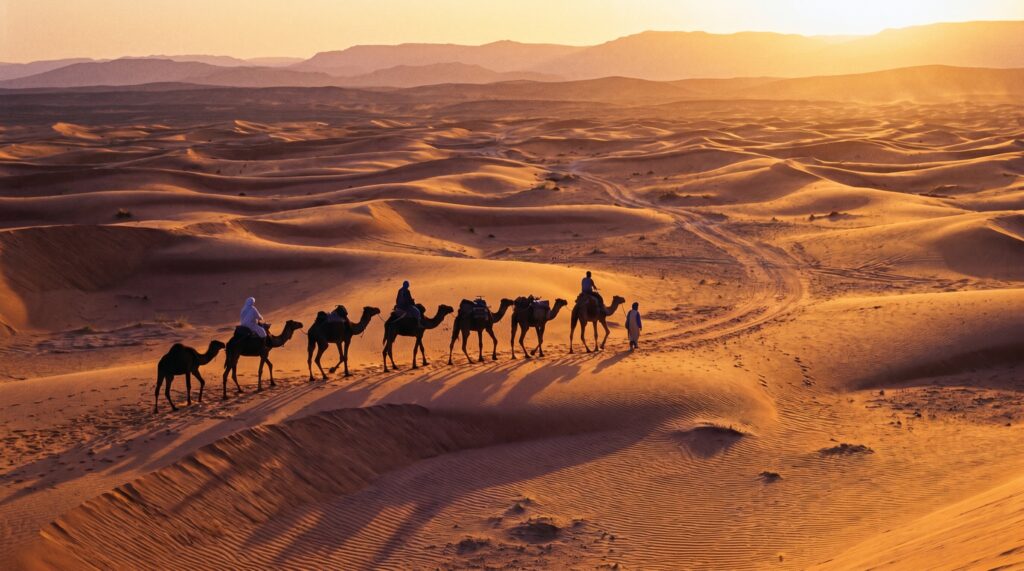
इसे modern supply chain की तरह सोचिए। कोई single truck Shenzhen से Hamburg तक phone नहीं पहुँचाता। Components दर्जनों countries की दर्जनों firms से गुजरते हैं। हर firm एक leg करती है, अपना cut लेती है और phone उन hands को छूता है, जो कभी मिले नहीं। Silk Route ठीक ऐसी ही थी। Sogdian merchant Samarkand से Kashgar तक bales ले जाकर लौट जाता था। अगली stretch Persian middlemen संभालते। Rome पहुँचते-पहुँचते silk शायद आठ बार owner बदल चुकी होती और gold से महँगी पड़ती, इसलिए Roman senators शिकायत करते थे। Analogy की एक सीमा है: modern supply chain का designer होता है, इस network का कोई boss नहीं था।
इसकी शुरुआत की एक date निकाली जा सकती है। 138 BCE में Han dynasty के Emperor Wu ने Zhang Qian नाम के envoy को west भेजा। उद्देश्य trade नहीं, Xiongnu nomads के ख़िलाफ़ allies ढूँढ़ना था। Zhang Qian पकड़े गए, दस साल से ज़्यादा held रहे, भागे, आगे जाते रहे और 125 BCE में बिना alliance लौटे। लेकिन वे Central Asia के cities, goods और extraordinary horses की पहली detailed Chinese account साथ लाए। Trade उस intelligence report के बाद आया। Connectivity अक्सर strategy से शुरू होती है और बाद में commerce बनती है।
Map: nodes, passes और वह sea route जिसे लोग भूल जाते हैं
Overland spine Chang’an (आज का Xi’an) से west जाती थी। Gansu Corridor से Dunhuang पहुँची, जहाँ Taklamakan Desert से बचने के लिए north branch Turfan और Kucha से या south branch Khotan और Yarkand से जाती और Kashgar में फिर मिलती। वहाँ से Pamirs पार करके Ferghana, फिर Samarkand और Bukhara, Merv, Persia और अंत में Mediterranean पर Antioch या Palmyra आती थी।
Line नहीं, nodes सीखिए। Kashgar वह knot है जहाँ Taklamakan की दोनों branches मिलती हैं। Samarkand Sogdian commercial capital था और बाद में captured Chinese papermakers ने वहीं shop लगाई। Merv 12th century में earth के सबसे बड़े cities में था। Mongols ने 1221 में इसे level किया और यह वापस कभी नहीं आया।
India passes और sea दोनों से connected था। Overland branch Bactria से निकली, Hindu Kush पार करके Khyber Pass से Taxila आई और Gangetic plain की great northern road Uttarapatha से जुड़ी। Karakoram Pass Ladakh trade के लिए था। और बहुत east में Sikkim का Nathu La, 4,310 m पर, Lhasa branch को feed करता था। इसी वजह से इसे Old Silk Route कहा जाता है।
अब वह leg जिसे लोग skip करते हैं: maritime route। Red Sea और Persian Gulf से India के west coast, फिर Southeast Asia और China तक। Camels से कहीं ज़्यादा tonnage इसी ने carry की। इसके पीछे road नहीं, knowledge था। लगभग 1st century CE में Hippalus नाम से याद किए जाने वाले navigator ने समझा कि southwest monsoon Arabia से Malabar तक ship को open ocean में लगभग 40 दिनों में पहुँचा सकती है। Coastline के चारों ओर crawl करने में साल लगता था। इस insight ने sea route को competitive बनाया और India को बीच में रख दिया।
क्या चला और cargo से ज़्यादा important क्या था?
Silk, spices, horses और porcelain चले। Buddhism, papermaking, Indian numeral system, Hellenistic sculpture और bubonic plague भी चले। Freight bills भरता था। बाकी चीज़ों ने world बदल दिया।
Pattern देखिए। Route की हर high-value commodity को बाद में copy, substitute या buyer के पास grow किया गया। Silk इसका proof है। लगभग 552 CE में दो monks ने allegedly silkworm eggs hollow canes में छिपाकर Emperor Justinian तक पहुँचाए और एक generation में Byzantium की अपनी industry बन गई। Silk trade collapse हुआ। लेकिन idea cross करने के बाद वापस नहीं जाता। Silk रुकने पर Buddhism China से वापस नहीं आया। यही Silk Route का secret है और इसी से good answer goods की list से अलग होता है।
| Category | West की ओर (China, India से Persia, Arabia, Rome) | East की ओर (Rome, Persia, Arabia, Central Asia से India, China) |
|---|---|---|
| Textiles | Chinese silk और brocade; Indian cotton, muslin, indigo dye | Roman और Byzantine wool, linen, Mediterranean purple dye |
| Spices और plants | Black pepper, cardamom, cinnamon, ginger, tea, rice, citrus | Grapes और wine, alfalfa, walnut, pomegranate, frankincense, myrrh |
| Manufactures | Porcelain, lacquerware, paper, wootz steel, gemstones, ivory | Roman glassware, coral, amber और सबसे ऊपर gold तथा silver coin |
| Animals | Elephants और exotic birds, अधिकतर regional legs पर | Ferghana के “heavenly horses”, Bactrian camels, Arabian horses |
| Technology | Paper-making, silk rearing, gunpowder, compass, printing, Indian numerals और zero | Glassblowing, coin minting, Hellenistic sculptural technique, Greek astronomy |
| Religion और thought | Buddhism, India से Central Asia, China, Korea और Japan तक | Zoroastrianism, Nestorian Christianity, Manichaeism और बाद में Islam |
| Art | Buddhist iconography और narrative relief | Greco-Roman naturalism, जिससे Gandhara school बनी |
| Accident से carried | Plague-bearing fleas और rodents, smallpox, measles, दोनों directions में | |
Money का scale एक number से पकड़िए। Pliny the Elder ने 70s CE में शिकायत की कि India अकेले Rome से हर साल कम-से-कम 50 million sesterces निकाल लेता है और India, China तथा Arabia मिलकर 100 million लेते हैं। उनके लिए यह Roman decadence का scandal था। Balance-of-payments statement की तरह पढ़ें, तो India ने Rome के साथ एक century से ज़्यादा structural trade surplus चलाया, bullion में payment लेकर। Peninsular India में Roman gold hoards मिलते रहते हैं। Pliny की complaint की archaeological receipt यही है।
India route का stop नहीं, hinge थी
India overland और maritime network के join पर बैठी थी। यह line पर एक station होने से अलग बात है। Bactria से आने वाला goods Gangetic plain को पार कर सकता था या south मुड़कर west-coast port से sea पर जा सकता था। System यहीं gear बदलता था।
Kushanas ने geography को money में बदला। 1st से 3rd century CE तक उन्होंने Bactria, Gandhara और Mathura एक साथ hold किए। Mountain crossings, Uttarapatha और ports तक access एक empire में था। Kanishka के समय, लगभग 127 से 150 CE, उन्होंने Roman weight standard पर gold mint किया, ताकि दोनों directions में चल सके और ठीक उसी समय Buddhism को patronage दिया, जब वह east जा रही थी। Post-Mauryan period के लिए sentence यह है: Kushanas सिर्फ़ middlemen नहीं, busiest section की toll booth थे और takings monasteries पर खर्च करते थे।
Coast पर 1st century CE की Greek merchant handbook Periplus of the Erythraean Sea trade directory जैसी पढ़ती है: port, season, goods और prices। इसमें Indus का Barbaricum, Barygaza (आज का Bharuch) और Kerala coast का Muziris है। आगे Arikamedu near Puducherry है, जहाँ excavations में Roman amphorae मिलीं। India का pepper और cotton west ले जाने वाले Dakshinapatha networks ने Deccan के Satavahanas को rich बनाया।
इसे reframe करके रखिए: India ने Silk Route में participate नहीं किया। India हटाएँ, तो network की दो disconnected halves बचती हैं।
Buddhism, paper और plague: वह cargo जिसका invoice नहीं बना
Silk Route ने तीन ऐसी चीज़ें चलाईं, जो बाकी हर चीज़ से ज़्यादा बचीं: religion, technology और disease। इनमें से किसी का bill of lading नहीं था।
Buddhism सबसे पहले और सबसे दूर गई। Gangetic plain से Kushan patronage में Gandhara, Tarim Basin के oasis towns और China तक, जहाँ लगभग 1st century CE में पहुँची और 400 साल में जगह को बदल दिया। Traffic दोनों directions में था। Faxian 399 से 414 CE में China से India पैदल आए। Xuanzang ने 629 से 645 CE में round trip किया, Nalanda में years बिताए और 657 texts वापस ले गए। Evidence Dunhuang में है, जहाँ Mogao Caves, कुल 492, merchants और monks ने 1000 साल में cut और paint कीं। उनमें sealed Diamond Sutra की 868 CE dated copy मिली, दुनिया की सबसे पुरानी dated printed book। China में printed Buddhist text, desert cave में मिला, ऐसी technique के साथ जो west जाने वाली थी। एक object में पूरी Silk Route है। इसे Buddhism और उसके spread के साथ revise कीजिए।
Art भी साथ चली। Alexander के successors के बाद Greek sculptors और technique Bactria और Gandhara में थे। Buddhism money के साथ पहुँची, तो दोनों मिले। Gandhara school निकली, जिसने Buddha को पहली बार human face दिया: grey schist, wavy hair और Mediterranean से निकली toga जैसी drapery। यह abstract influence नहीं, trade route का visible product है। इसलिए Gandhara, Mathura और Amaravati schools को सिर्फ़ style नहीं, geography के question की तरह पढ़िए।
Paper दूसरी दिशा में और accident से गया। Battle of Talas in 751 CE में Abbasid army ने Tang army को हराया और prisoners लिए, जिनमें paper बनाना जानने वाले लोग थे। Samarkand में कुछ सालों में mill और 794 CE तक Baghdad में भी। Latin world की हर printed book की chain अंततः Chinese craftsman तक जाती है, जिसे किसी और की war में पकड़ा गया था। Indian numerals ने भी ऐसा ही सफ़र किया। Brahmagupta के astronomical work के साथ लगभग 771 CE में Baghdad पहुँचे और Europe को “Arabic numerals” नाम से मिले, यह नाम की ग़लती Silk Road जितनी ही sticky है।
फिर plague। Monks वाली relay rodents और fleas भी ले गई। Justinianic Plague 541 CE में और उससे कहीं ज़्यादा भयानक Black Death 1346 से 1353 में इसी network से चली। 1347 में Crimea के Caffa से Genoese ships पर Europe पहुँची और continent के एक-तिहाई से आधे लोगों को मार दिया। Connectivity benefit का synonym नहीं। Exposure का synonym है। जो एक direction में fast चलता है, दूसरी में भी fast चलता है।
Decline क्यों हुई: Ottomans को ज़रूरत से ज़्यादा credit मिलता है
Standard story कहती है कि Ottomans ने 1453 में Constantinople लिया, Silk Route बंद कर दी और Europe को sea passage ढूँढ़ने पर मजबूर किया। Tidy और memorable है, लेकिन mostly wrong।
Objection को seriously लें। Ottomans ने कुछ बंद नहीं किया। वे traders थे और tariff income चाहते थे। Levantine commerce उनके under चलती रही। उन्होंने costs बढ़ाईं और पहले से crowded system में एक middleman जोड़ा। Decline पहले शुरू हो चुकी थी। लगभग 1250 से 1350 तक overland crossing को safe बनाने वाली Pax Mongolica टूट गई, Black Death ने दोनों ends का market खाली किया और Central Asia fragmented हो गई।
Overland route को arithmetic ने finish किया। Vasco da Gama 20 May 1498 को Calicut पहुँचे। जिस moment ship Lisbon से Malabar और वापस जा सकती थी, camels की usefulness खत्म हुई। Bactrian camel शायद 200 kg carry करे। Portuguese carrack कई hundred tonnes। एक hull couple thousand animals को replace करती, toll नहीं देती, hostile borders cross नहीं करती और intermediaries काट देती। Sea freight की cost per tonne land freight से order of magnitude सस्ती हुई और आज तक यह argument जीत रही है।
Stance लीजिए: Sea route ने Silk Route को मारा और 1453 ने सिर्फ़ sea route को पहले attractive बनाया। यह switch भी नहीं था। दो centuries में slide थी और high-value, low-bulk goods bulk trade के maritime होने के बाद भी चलते रहे। History में decline की शायद ही कोई एक date होती है।
Modern echo: Belt and Road और India का answer
China की Belt and Road Initiative branding का explicit revival है। Xi Jinping ने September 2013 में Astana में “Silk Road Economic Belt” और एक महीने बाद Indonesia में “21st Century Maritime Silk Road” announce की। लगभग 150 countries sign on कर चुके हैं और commitments $1 trillion से आगे हैं। Historical network की तरह overland belt और maritime road दो halves हैं। Geography नहीं बदली, बाकी सब बदल गया।
India सबसे important country है जो बाहर है और reason specific है। China-Pakistan Economic Corridor, लगभग $62 billion का component, Gilgit-Baltistan से गुजरता है, जिसे India claim करती है। Participation उस claim को acquiesce करना होता, इसलिए India ने 2017 और 2019 के Belt and Road Forums boycott किए। दूसरा objection debt है। Sri Lanka का Hambantota port 2017 में Chinese state firm को 99 years के लिए lease हुआ। यही case cite होता है, हालाँकि researchers का “debt trap” framing पर disagreement है। Colombo का ज़्यादातर debt Beijing के बजाय bond markets को owed था। यह nuance रखिए, India-China relations पर marks मिलते हैं।
India का counter कोई single project नहीं, portfolio है और हर piece ancient line को retrace करता है:
- International North-South Transport Corridor, Russia और Iran के साथ 2000 में agreed, 7,200 km Mumbai से Iran होते हुए Russia और Europe तक जाता है। पुराने Persian leg पर containers हैं। INSTC धीरे mature हो रहा है और Iran पर sanctions ने engineering से ज़्यादा cost डाली है।
- Chabahar में India ने May 2024 में 10-year operating contract sign किया। यह Pakistan bypass करके Afghanistan और Central Asia तक access point है। फिर maritime hinge, उसी place और same reason के लिए। इसका life India-Iran relations पर है।
- IMEC, September 2023 में New Delhi G20 पर announce हुआ, India को Gulf के जरिए ship और rail से Europe से जोड़ता है। Periplus के Arabian Sea leg पर rail line bolt की गई है। IMEC बनाम BRI comparison useful है: एक state-financed decade-long build और दूसरा regional peace की ज़रूरत वाला coalition memorandum है।
- Nathu La border trade के लिए 6 July 2006 को, 1962 war के बाद बंद रहने के 44 years बाद, फिर खुला। फिर शांत हो गया। यह सबसे छोटा और instructive example है: agreement से pass खुलता है, mood से बंद।
Silk Route को कैसे पढ़ें?
इसे एक chain की तरह रखें। Strategic reconnaissance (Zhang Qian, 138 BCE) road नहीं, relay network बनाती है। Relay India को land और sea के बीच hinge बनाती है। Freight copy या substitute हो जाता है, इसलिए किसी एक good का trade मर सकता है। लेकिन ideas और pathogens reverse नहीं होते, इसलिए Buddhism, paper, numerals और plague cargo से बचते हैं। फिर 1498 के बाद sea freight land freight से सस्ती होती है और network memory बनती है। अब वही दो halves corridors के रूप में rebuild हो रही हैं, उन्हीं chokepoints और politics के साथ।
चार traps हैं। 1. इसे road न कहें और एक line न draw करें। यह network था, लगातार shift होता था और नाम 1877 का है। 2. Silk को overstate न करें। Tonnage में sea routes ज़्यादा carry करती थीं और consequence में Buddhism, paper तथा numeral system गहरे marks छोड़ गए। 3. Decline का credit 1453 को न दें। Sequence लिखें: Mongol collapse, plague, fragmentation और फिर 1498 में Vasco da Gama से land freight uneconomic। 4. India को stop न मानें। India junction थी जहाँ land और maritime systems मिले। इसी वजह से Mauryan और Kushana road networks तथा Periplus ports एक ही answer में आते हैं।
फिर contrasts के साथ pair करें: Silk Route बनाम maritime spice route, cost और cargo के लिए; Gandhara बनाम Mathura, contact art के साथ क्या करता है; BRI बनाम IMEC, corridor की political cost के लिए। Fact contrast के पास हो, तो concept बन जाता है।
सामान्य प्रश्न
Silk Route क्या थी?
यह China, Central Asia, India, Persia, Arabia और Mediterranean को जोड़ने वाली overland तथा maritime trade routes की network थी, लगभग 2nd century BCE से 15th century CE तक। Overland spine करीब 6,400 km का था। यह single road नहीं थी और कोई merchant पूरी length नहीं गया।
“Silk Road” नाम किसने दिया?
German geographer Ferdinand von Richthofen ने 1877 में, network के decline के centuries बाद। Routes इस्तेमाल करने वालों ने ऐसा नहीं कहा था। नाम दोनों बातों में mislead करता है: road एक नहीं थी और silk सबसे consequential चीज़ नहीं थी।
Silk Route कैसे शुरू हुई?
एक failed diplomatic mission से। Han dynasty के Emperor Wu ने Xiongnu के ख़िलाफ़ military alliance खोजने के लिए Zhang Qian को 138 BCE में west भेजा। 125 BCE में alliance के बिना लौटे, लेकिन Central Asia के cities और goods की पहली Chinese account लाए। Trade उसके बाद आया।
Silk Route में India की भूमिका क्या थी?
India overland और maritime networks के बीच hinge थी। Land branches Khyber Pass से Taxila और Uttarapatha तक आती थीं। Sea route Barygaza, Muziris और Arikamedu जैसे ports तक आती थी। Kushanas mountain crossings और northern road दोनों control करते थे।
Silk Route पर कौन से ideas चले?
Buddhism India से Central Asia, China, Korea और Japan गई। 751 CE की Battle of Talas के बाद papermaking west गई। Indian numerals और zero Baghdad और फिर Europe पहुँचे। Gandhara art Greek technique और Buddhist subject matter के मिलने से बनी। Plague भी चली, including 1346 से 1353 का Black Death।
Silk Route का decline क्यों हुआ?
मुख्य कारण sea freight का सस्ता होना था। Vasco da Gama 1498 में Calicut पहुँचे और एक ship हजार camels से ज़्यादा माल, बहुत कम cost पर ले जा सकती थी। 1453 से पहले ही Mongol collapse, Black Death और Central Asian fragmentation ने route कमजोर कर दी थी।
क्या Belt and Road Initiative Silk Route का revival है?
Branding में हाँ। Xi Jinping ने 2013 में Silk Road Economic Belt और 21st Century Maritime Silk Road announce की और करीब 150 countries sign on कर चुके हैं। दो halves historical network जैसी हैं, लेकिन financing, scale और state direction का ancient parallel नहीं है।
India Belt and Road Initiative का हिस्सा क्यों नहीं है?
China-Pakistan Economic Corridor लगभग $62 billion का है और Gilgit-Baltistan से जाता है, जिसे India claim करती है। Join करना उस claim को accept करने जैसा होता। India ने 2017 और 2019 के forums boycott किए और INSTC, Chabahar तथा IMEC पर काम किया।
अभ्यास प्रश्न
1. “Silk Road” term किसने coin किया?
a) 13th century में Marco Polo
b) 2nd century BCE में Zhang Qian
c) 1877 में Ferdinand von Richthofen
d) 7th century CE में Xuanzang
उत्तर: c
2. 138 BCE में भेजे गए Zhang Qian के Han mission का original purpose क्या था?
a) Persia के साथ silk trade शुरू करना
b) Xiongnu के ख़िलाफ़ military alliance पाना
c) Central Asia में Buddhist texts ले जाना
d) Imperial cavalry के लिए Ferghana horses खरीदना
उत्तर: b
3. Papermaking China से west की ओर मुख्यतः किस घटना के बाद फैली?
a) Battle of Talas, 751 CE
b) Fall of Constantinople, 1453
c) Marco Polo की travels
d) Second Buddhist Council
उत्तर: a
4. Gandhara school of sculpture किसका product है?
a) Purely indigenous Indian artistic development
b) Tarim Basin से आई Chinese Buddhist influence
c) Kushan patronage में Buddhist subject matter पर लागू Greco-Roman technique
d) Mauryas द्वारा adapted Persian Achaemenid court styles
उत्तर: c
5. Overland Silk Route trade के decline को सबसे अच्छी तरह क्या समझाता है?
a) Ottoman capture of Constantinople ने routes को पूरी तरह बंद कर दिया
b) Chinese silk production खत्म हो गई
c) 1498 के बाद maritime routes ने per tonne sea freight को land freight से बहुत सस्ता बना दिया
d) Mongols ने long-distance trade रोक दी
उत्तर: c
Mains-style questions
1. “The Silk Route carried far more than it traded.” Religion, technology और disease की movement के संदर्भ में चर्चा कीजिए। 2. Silk Route के overland और maritime systems के junction के रूप में India की position examine कीजिए और Kushanas की भूमिका assess कीजिए। 3. Gandhara school को trade route with a visible product कहा गया है। Silk Route के cultural contact के संदर्भ में analyse कीजिए। 4. Ottoman capture of Constantinople in 1453 से Silk Route का decline हुआ, इस claim की critical examination कीजिए। 5. Belt and Road Initiative की India के connectivity responses से तुलना कीजिए और evaluate कीजिए कि historical trade networks contemporary corridor politics के लिए useful guide हैं या नहीं।
Silk Route को properly पढ़ना इसलिए useful है, क्योंकि यह सिर्फ़ gap नहीं भरती, एक habit correct करती है। हम connectivity को अक्सर ऐसी चीज़ मानते हैं, जिसे कोई बनाता है और जिसमें वही flow होता है जिसे भेजना था। यह network किसी ने build नहीं किया, अपने नाम वाली चीज़ को लगभग incidentally carry किया और religion, numbers की alphabet, printing technique तथा Europe की आधी population मारने वाली plague पहुँचा दी। आज Asia में बन रहे corridors cargo manifests और cost sheets पर बेचे जा रहे हैं। असल में वे किस चीज़ को move करने के लिए याद किए जाएँगे, वह list में शायद होगा ही नहीं।