Van Vihar National Park लोगों को इसलिए उलझाता है कि इसका कानूनी title national park है, लेकिन यहाँ Kanha या Bandhavgarh की तरह forest में wild tiger track नहीं करेंगे। यहाँ tigers बड़े fenced enclosures में रहते हैं और उनमें से ज़्यादातर rescued या orphaned animals हैं। सुनने में contradiction लगता है और exam preparation में trap बन जाता है। Van Vihar Wildlife Protection Act के तहत सचमुच notified national park है और साथ ही modern zoological park तथा rescue centre की तरह चलता है। दोनों facts को एक साथ रखना ही इसकी पूरी बात है। इसी वजह से यह state PCS और prelims के one-liners में बार-बार आता है।
Bhopal की Upper Lake के southern edge पर स्थित Van Vihar केवल 4.45 square kilometres में फैला छोटा, urban और असामान्य protected area है। यह उन दुर्लभ जगहों में है जहाँ city bus से national park पहुँच सकते हैं। नीचे इसका status, history, lake, animals और यह सवाल समझेंगे कि 21वीं century का zoo कैसा होना चाहिए।
Van Vihar क्या है, national park या zoo?
यह दोनों है और यह “दोनों” जानबूझकर है। Van Vihar 1979 में बना और 1983 में Wildlife Protection Act, 1972 के तहत formally national park notified हुआ। इससे उसे Indian law किसी जमीन को मिलने वाली protection की सबसे ऊँची category मिलती है। उसी समय Madhya Pradesh Forest Department इसे Central Zoo Authority के norms पर चलने वाले open zoological park की तरह manage करता है। Central Zoo Authority ने 1993-94 में इसे medium-sized zoo के रूप में recognise किया था।
एक जमीन दो hats कैसे पहनती है? Answer spatial है। Herbivores, जैसे chital, sambar, blackbuck, nilgai और wild boar, park के बड़े हिस्से में खुले घूमते हैं और लगभग wild जैसा जीवन जीते हैं। Carnivores, जैसे tiger, lion, leopard, sloth bear और hyena, natural habitat जैसी बनाई गई बड़ी wire enclosures में रहते हैं, पुराने barred cage में नहीं। Visitor एक road पर drive या walk करता है। एक तरफ खुले deer और दूसरी तरफ wooded enclosure में घूमता rescued tiger। Dual mandate भौतिक रूप में यही दिखता है।
National park, wildlife sanctuary और zoo का फर्क धुँधला लगे तो इसे साफ़ कर लें, क्योंकि examiner को यह distinction पसंद है। National park protected area की सबसे strict category है, जहाँ private rights और grazing आम तौर पर allowed नहीं होते। Sanctuary थोड़ी flexible protection देता है। Zoo captive animals को display, conservation और education के लिए रखने की जगह है। Van Vihar की असामान्यता यह है कि कानूनी रूप से वह पहला है, लेकिन काम तीसरे की तरह करता है। Indian conservation law में इन categories का पूरा map और protected-area hierarchy Wildlife Protection Act, 1972 वाली note में है।
यह कहाँ है: Upper Lake और Bhoj Wetland
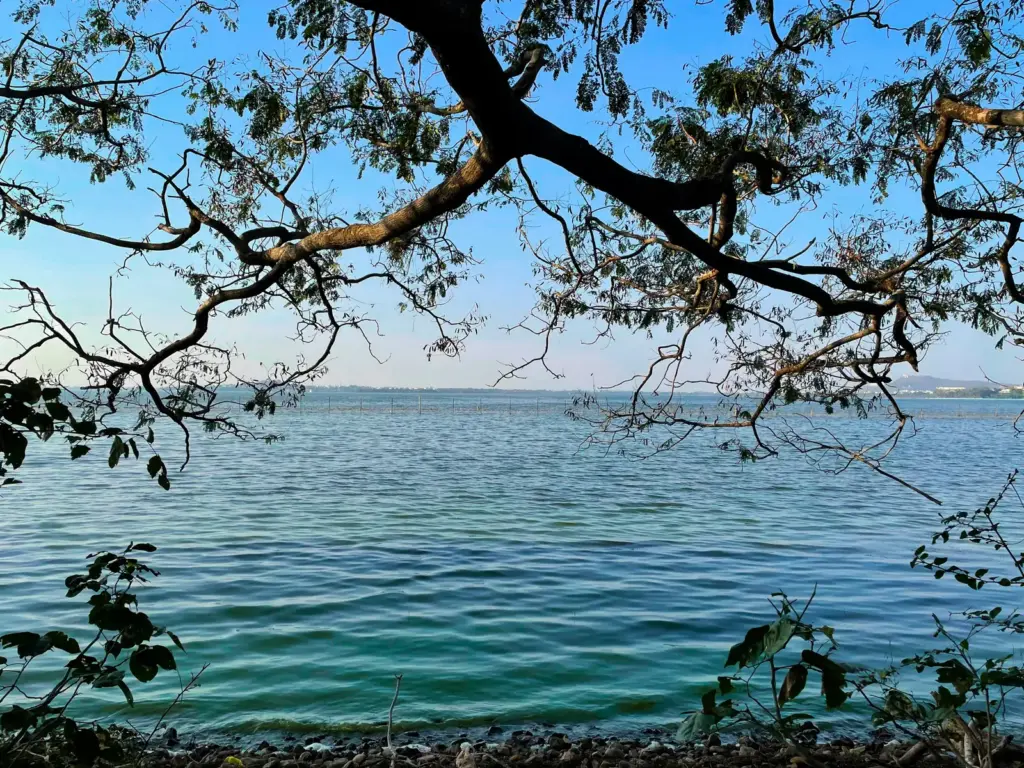
Van Vihar की northern boundary Bhopal की Upper Lake है, जिसे स्थानीय लोग Bada Talab या Bhojtal कहते हैं। यह केवल scenic footnote नहीं है। यह lake उन दो water bodies में से एक है जो Bhoj Wetland बनाती हैं। 2002 में इसे Ramsar Convention के तहत Wetland of International Importance घोषित किया गया। यह एक geographic fact city park को global treaty से जोड़ता है और prelims questions को इसी तरह के links पसंद हैं।
मान्यता है कि Upper Lake 11वीं century में Paramara dynasty के Raja Bhoj ने बनवाई थी, इसी से Bhojtal नाम आया। यह India की सबसे पुरानी human-made lakes में से एक है और Bhopal के बड़े हिस्से के drinking water की मुख्य source है। इसके किनारे national park होना ecologically महत्वपूर्ण है। Forested slope buffer की तरह runoff filter करती है और बढ़ते शहर से shoreline को बचाती है। Wetland winter में बड़ी संख्या में migratory birds खींचती है और Van Vihar में करीब 200 bird species record हुई हैं। इससे lake edge central India की आसानी से पहुँच वाली birding spots में है।
Bhoj Wetland को national picture में रखने के लिए याद रखें कि India में अब 90 से अधिक Ramsar sites हैं, जो Asia का सबसे बड़ा network है। India के Ramsar sites और Ramsar Convention वाली explainers से wetland criteria और बढ़ती संख्या समझ सकते हैं। ये shallow और साधारण दिखने वाली water bodies क्यों महत्वपूर्ण हैं, इसके लिए wetlands of India वाली note देखें।
Rescue-centre model: animals वास्तव में कहाँ से आते हैं
यही बात Van Vihar को केवल scenic जगह से special बनाती है। यह rescue centre भी है। इसके ज़्यादातर big cats और bears breeding programmes या खरीद से नहीं आए। वे misery से आए। Lions और tigers बंद हो चुके circuses से rescue हुए। Sloth bears को madaris, यानी वे street performers जो कभी animals की muzzle छेदकर “dancing bears” बनाते थे, से लिया गया। दूसरे tigers, leopards और bears human-wildlife conflict zones से आए। गाँव में घुसा ऐसा animal जिसे safely forest में वापस नहीं छोड़ा जा सकता था, वरना मार दिया जाता।
यह समझने के बाद enclosures अलग दिखाई देती हैं। Van Vihar यह pretend नहीं करता कि display में wild animals हैं। वह उन animals को dignified, near-natural जगह देता है जो कभी release नहीं हो सकते। Modern zoos की philosophy यही है: entertainment नहीं, rescue, conservation, education और जहाँ संभव हो breeding का combination। Park conservation breeding भी चलाता है और vulture breeding centre भी। इसका लक्ष्य white-rumped vulture जैसी species हैं, जिनकी population veterinary drug diclofenac से South Asia में गिर गई थी।
Village किसी “problem” leopard को बस अपने पास नहीं रख सकता और rescue centres की ज़रूरत क्यों पड़ती है, यह shrinking habitat और people-predator encounters के बड़े crisis में समझ आता है। Human-wildlife conflict वाली detail बताती है कि encounters क्यों बढ़ रहे हैं और rapid-response teams से compensation schemes तक states क्या tools इस्तेमाल कर रहे हैं।
Urban national park जितना दिखता है, उससे बड़ा मुद्दा क्यों है
अधिकतर national parks दूर होते हैं और cities से सैकड़ों kilometres के buffer forest से अलग रहते हैं। Van Vihar इसका उलटा है। यह state capital की municipal limits में है और urban-wildlife interface का live experiment है: क्या 20 लाख से अधिक लोगों वाले शहर के बीच meaningful conservation बच सकती है?
ईमानदार answer है कि मुश्किल है और pressures ही interesting हैं। Traffic noise, boundary road से फेंका plastic waste, disturbed edges से आती invasive plants और weekend visitors की बड़ी संख्या, इस आकार के park पर लगातार दबाव डालती हैं। लेकिन यही location इसका greatest asset भी है। Bhopal का schoolchild एक ही सुबह tiger, vulture nursery और Ramsar wetland देख सकता है। कोई दूर का reserve इतनी scale पर conservation education नहीं दे सकता। Van Vihar quietly दिखाता है कि protected areas और dense cities हमेशा enemies नहीं होते। Lakeshore का green lung drinking-water security, biodiversity और public awareness एक साथ दे सकता है।
इसे Madhya Pradesh के flagship wild reserves से compare करें तो lesson और साफ़ होता है। Kuno National Park, जो India में reintroduced cheetahs का घर है, और Gandhi Sagar Wildlife Sanctuary, दूसरा cheetah site, free-ranging populations के लिए बड़े और remote landscapes हैं। Madhav National Park हाल में tiger-reserve status वाला classic open-forest model है। Van Vihar spectrum के दूसरे end पर है: छोटा, urban और captive-focused। “Tiger State” कहलाने वाला Madhya Pradesh इसलिए protected area की लगभग पूरी range दिखाता है। Tiger habitat governance की wider system के लिए tiger reserves in India वाली overview NTCA framework समझाती है।
Degraded hillside national park कैसे बनी
Origin story मायने रखती है, क्योंकि Van Vihar partly restoration success है, कोई pristine forest नहीं जिसे fence कर दिया गया। Upper Lake के ऊपर ridge की जमीन quarrying और grazing से ecological रूप से खराब हो चुकी थी। 1970s के आखिर में state ने इसे capital के लिए protected green belt बनाने का फैसला किया। उस समय Indian conservation में एक नया idea था: city को बड़ा और permanent lung चाहिए और national-park designation builders तथा encroachers को हमेशा बाहर रखने का सबसे पक्का legal तरीका है।
Picnic-ground idea को functioning park में बदलने के लिए afforestation, grazing और fire से protection और dry deciduous slope पर native trees की slow वापसी करनी पड़ी। Decades में ridge पर इतना tree cover और grass लौट आया कि free-ranging herbivores रह सकें। Rescued carnivores आते गए और animal collection बढ़ता गया। Aspirant के लिए lesson है कि protection plus time ecosystem को rebuild कर सकता है। Real conservation के लिए national park का virgin wilderness होना ज़रूरी नहीं।
कौन-से wildlife यहाँ दिखेंगे
Animals को दो buckets में याद करें, क्योंकि यह split free-ranging और enclosed layout से सीधा जुड़ा है।
| श्रेणी | मुख्य species | Park में कैसे रहते हैं |
|---|---|---|
| Free-ranging herbivores | Chital, sambar, blackbuck, nilgai, four-horned antelope, wild boar | Park के forest में खुले घूमते हैं |
| Enclosed carnivores | Tiger, lion, leopard, sloth bear, striped hyena | बड़ी near-natural enclosures, ज़्यादातर rescued animals |
| Reptiles और aquatic life | Indian star tortoise, freshwater turtles, gharial और crocodile pens, fish | Enclosures और lake edge |
| Birds | करीब 200 species, winter migrants और resident vultures सहित | Wild और free, Upper Lake से आकर्षित |
Vulture breeding centre पर दोबारा ध्यान दें। यह छोटे Bhopal aviary को genuine national emergency से जोड़ता है। Cattle को दी जाने वाली painkiller diclofenac carcasses खाने वाले birds के लिए lethal निकली और एक दशक में India की vulture populations 90 प्रतिशत से अधिक गिर गईं। इसका public-health असर हुआ, क्योंकि vultures चुपचाप animal remains हटाते थे और अब carcasses सड़ने या feral dogs को खिलाने लगे। White-rumped vulture जैसे birds को breed और hold करने वाले centres eventual release के लिए populations rebuild करने की slow कोशिश हैं। Van Vihar याद दिलाता है कि city park भी country-wide recovery का हिस्सा हो सकता है।
Blackbuck और four-horned antelope भी quietly important entries हैं। Blackbuck India का fastest antelope है और protected areas से recover हुआ है। Four-horned antelope यानी chousingha दुनिया का अकेला four-horned wild bovid है और केवल Indian subcontinent में मिलता है। Vulture centre का महत्व park से बहुत आगे है, क्योंकि 1990s और 2000s में India का vulture collapse किसी भी bird group की सबसे तेज़ गिरावटों में था।
Conservation education, इसका शांत main function
Van Vihar किसलिए है, पूछें तो ईमानदार answer tiger tourism नहीं, public education है। Exam अब institutions के अस्तित्व का कारण समझने को अधिक महत्व देता है। 20 लाख लोगों के doorstep पर protected area उस audience तक पहुँच सकता है जहाँ remote reserve कभी नहीं पहुँचेगा। School groups, morning walkers, cyclists और birdwatchers gates से इतनी संख्या में गुजरते हैं जो दूर के parks की footfall से बहुत अधिक है। हर visitor rescued tiger से कुछ metres दूर खड़ा या breeding aviary में vulture chick देख सकता है।
Urban captive-focused parks को conservation mix में रखने का सबसे मजबूत argument यही reach है। Wildlife के प्रति attitude कम उम्र में बनता है और आज ज़्यादातर Indians cities में रहते हैं। Van Vihar जैसी जगह बच्चा पहली बार सीखता है कि sloth bear circus prop नहीं है और vulture bad omen नहीं, ecosystem का cleanup crew है जिसकी गिरावट public health के लिए खतरा बनी। इस goal के सामने park का छोटा size और enclosures weakness नहीं, accessibility की कीमत लगते हैं। Conservation केवल आखिरी wild population बचाना नहीं है। उन लोगों का constituency बनाना भी है जो उन populations को बचाने के लिए vote और pay करेंगे।
Exam के लिए Van Vihar को कैसे पढ़ें
Van Vihar को standalone fact की तरह नहीं, linking topic की तरह पढ़ें। इसका exam value उन syllabus threads में है जिन्हें यह जोड़ता है। इसे spokes वाले hub की तरह पढ़ें।
पहले चार hard facts पक्के करें: यह Bhopal, Madhya Pradesh में है; 1983 में national park notified हुआ; Central Zoo Authority norms के तहत zoo और rescue centre की तरह चलता है; और Upper Lake के किनारे है, जो Bhoj Wetland Ramsar site (2002) का हिस्सा है। यह chain बोल सकते हैं तो लगभग हर objective question का answer तैयार है।
फिर category confusion anchor करें: national park बनाम sanctuary बनाम zoo बनाम conservation reserve। Van Vihar perfect mnemonic है, क्योंकि एक campus में “park” और “zoo” categories मिलती हैं और आपको definitions को जानबूझकर अलग रखना पड़ता है।
तीसरा, wetland और treaty layer से link करें। Madhya Pradesh के Ramsar sites, Bhoj Wetland या urban wetland conservation पर question हो तो Van Vihar की geography से answer शुरू कर सकते हैं। Habit बनायें: एक node पढ़ें तो उससे जुड़े दो-तीन nodes लिखें। इसी तरह Bhopal का lakeside park environment, geography और governance में एक दर्जन marks का hub बन सकता है।
अंत में Mains या interview के लिए एक crisp analytical line रखें: Van Vihar दिखाता है कि conservation और urbanisation अनिवार्य रूप से adversaries नहीं हैं। Rescue-and-education model की value वहाँ भी है जहाँ wild populations खुले नहीं घूम सकतीं। यही judgement है, केवल trivia नहीं।
सामान्य प्रश्न
Van Vihar National Park zoo है या national park?
कानूनी रूप से दोनों है। Van Vihar को Wildlife Protection Act, 1972 के तहत 1983 में national park notify किया गया और साथ ही Central Zoo Authority norms पर modern zoological park तथा rescue centre की तरह manage किया जाता है। Herbivores free range करते हैं, carnivores बड़ी enclosures में रहते हैं।
Van Vihar National Park कहाँ है?
यह Madhya Pradesh की capital Bhopal में Upper Lake यानी Bhojtal या Bada Talab के southern shore पर है। City limits के भीतर होने से यह India के सबसे accessible national parks में है।
Van Vihar के पास कौन-सा Ramsar site है?
Park Upper Lake से जुड़ा है। यह Bhoj Wetland की दो water bodies में से एक है और 2002 में international importance के Ramsar site के रूप में designated हुई।
Van Vihar National Park कितना बड़ा है?
यह करीब 4.45 square kilometres यानी लगभग 445 hectares में फैला है और देश के छोटे national parks में है।
क्या Van Vihar में wild tigers हैं?
नहीं। Tigers, lions और leopards बड़ी fenced enclosures में रहते हैं और अधिकतर circuses, conflict zones या captivity से rescued animals हैं। Free-ranging wildlife में chital, sambar और blackbuck जैसे herbivores हैं।
Van Vihar National Park को कौन manage करता है?
Madhya Pradesh Forest Department इसे manage करता है और senior forest officer के नेतृत्व में चलता है। Zoo के रूप में काम करने की वजह से यह Central Zoo Authority guidelines के अनुसार operate करता है।
Van Vihar को rescue centre क्यों कहा जाता है?
क्योंकि इसके कई carnivores rescued हैं: circuses से lions और tigers, street performers से sloth bears और human-wildlife conflict zones से leopards तथा bears। यहाँ conservation breeding और vulture breeding programme भी चलता है।
अभ्यास प्रश्न
1. Van Vihar National Park किस water body के किनारे स्थित है?
a) Lower Lake, Bhopal
b) Upper Lake (Bhojtal), Bhopal
c) Sagar Lake
d) Tawa Reservoir
उत्तर: b) Upper Lake (Bhojtal), Bhopal
- Van Vihar National Park के बारे में निम्नलिखित पर विचार कीजिए:
- यह Wildlife Protection Act, 1972 के तहत national park notified है।
- यह Central Zoo Authority norms के तहत zoo की तरह manage होता है।
- यह Indore, Madhya Pradesh में स्थित है।
कौन-से statements सही हैं?
a) केवल 1 और 2
b) केवल 2 और 3
c) केवल 1 और 3
d) 1, 2 और 3
उत्तर: a) केवल 1 और 2
3. Van Vihar से लगी Bhoj Wetland को किस year में Ramsar site बनाया गया?
a) 1971
b) 1982
c) 2002
d) 2012
उत्तर: c) 2002
4. Van Vihar में इनमें से कौन-से animals आम तौर पर enclosures में रहने के बजाय खुले घूमते हैं?
a) Tigers और lions
b) Sloth bears और hyenas
c) Chital, sambar और blackbuck
d) Leopards और gharials
उत्तर: c) Chital, sambar और blackbuck
5. Van Vihar में मिलने वाला four-horned antelope किस बात के लिए जाना जाता है?
a) India का fastest land mammal
b) चार सींगों वाला दुनिया का अकेला wild bovid, जो Indian subcontinent तक सीमित है
c) Central Asia से आने वाली migratory species
d) Madhya Pradesh का state animal
उत्तर: b) चार सींगों वाला दुनिया का अकेला wild bovid, जो Indian subcontinent तक सीमित है
- Van Vihar National Park को एक साथ national park, zoo और rescue centre कहा जाता है। जाँच कीजिए कि यह dual model India में protected areas की बदलती philosophy को कैसे दिखाता है।
- Ramsar-designated urban wetland के किनारे national park बनाने का ecological महत्व Van Vihar और Bhoj Wetland के उदाहरण से समझाइए।
- “Conservation और urbanisation adversaries होना ज़रूरी नहीं है।” Van Vihar जैसे urban protected areas के संदर्भ में इस claim का आलोचनात्मक मूल्यांकन कीजिए।
- Carnivores के rescue centres India के wildlife management का महत्वपूर्ण हिस्सा बन गए हैं। ऐसी centres की ज़रूरत पैदा करने वाली परिस्थितियों और उनके सामने की चुनौतियों का विश्लेषण कीजिए।
- Van Vihar जैसे captive-focused urban park की conservation model की तुलना Kuno और Madhav National Parks जैसे free-ranging reserves से कीजिए और आकलन कीजिए कि biodiversity strategy में दोनों का क्या योगदान है।
Van Vihar उस aspirant को reward करता है जो इसे एक label में बंद करने की जल्दी नहीं करता। यह wild reserve नहीं है और केवल city zoo भी नहीं है। यह उस कठिन सवाल का considered answer है कि ऐसे animals का क्या करें जो कभी घर नहीं लौट सकते और बढ़ते शहर के किनारे living forest को कैसे साँस लेने दें। इसे उस lakeshore की तरह सीखें जहाँ national park, rescue centre और Ramsar wetland साथ हैं। तब objective paper के facts और essay का argument, दोनों आपके पास होंगे।