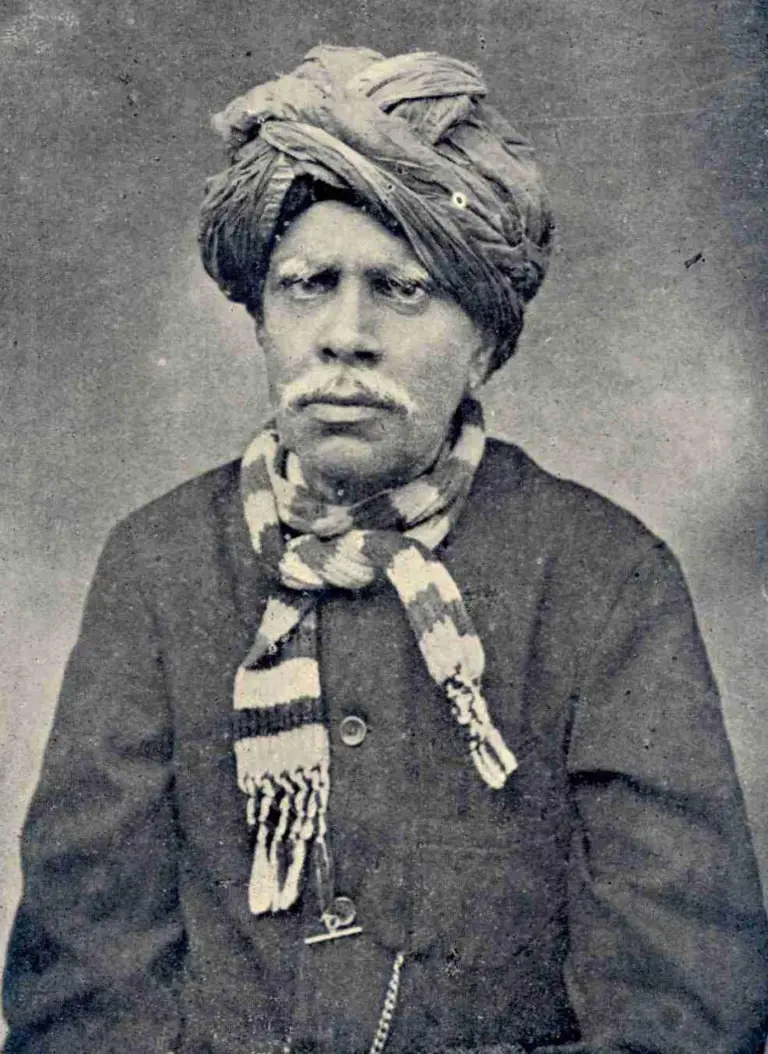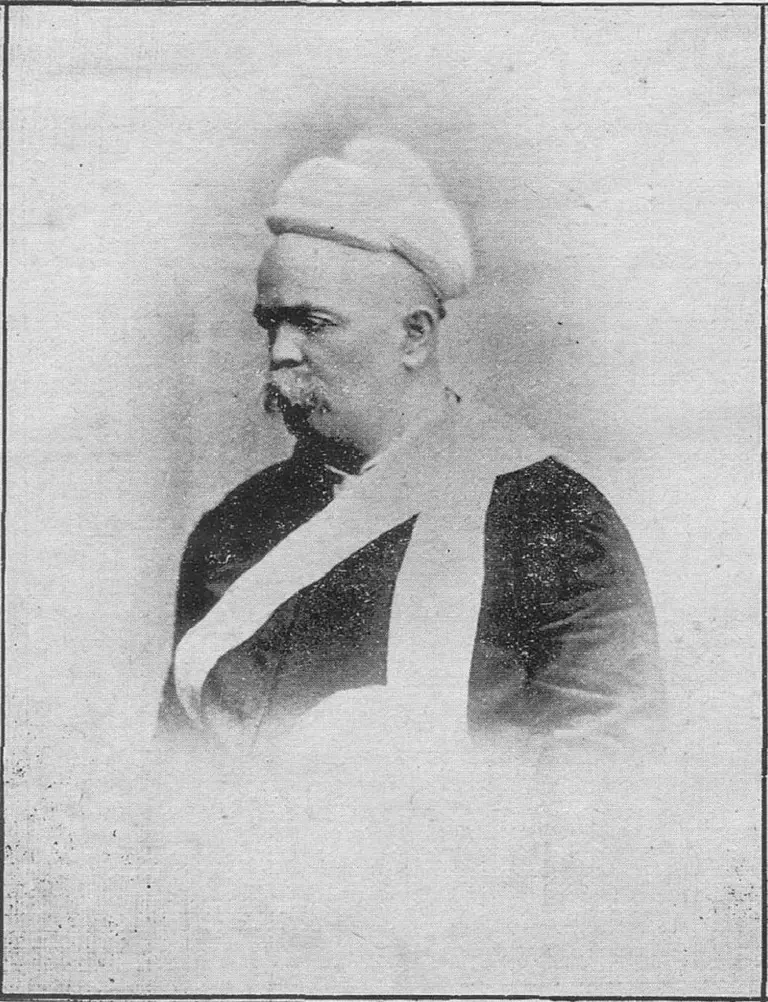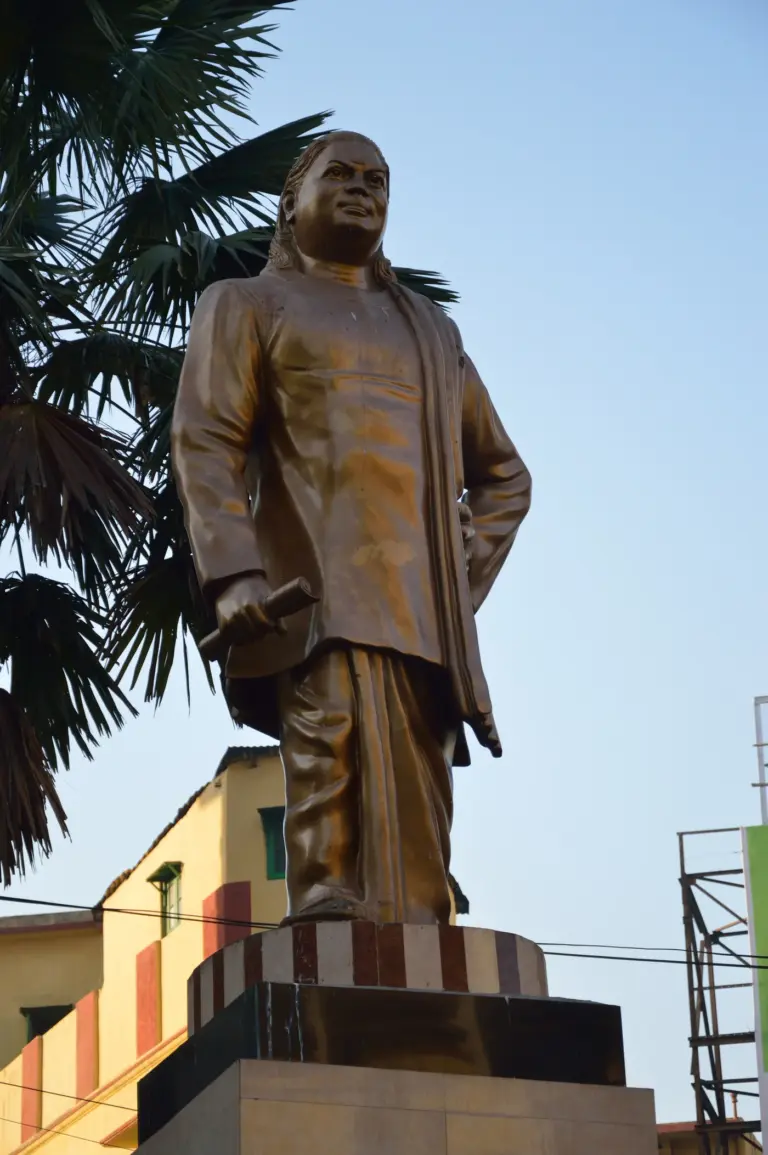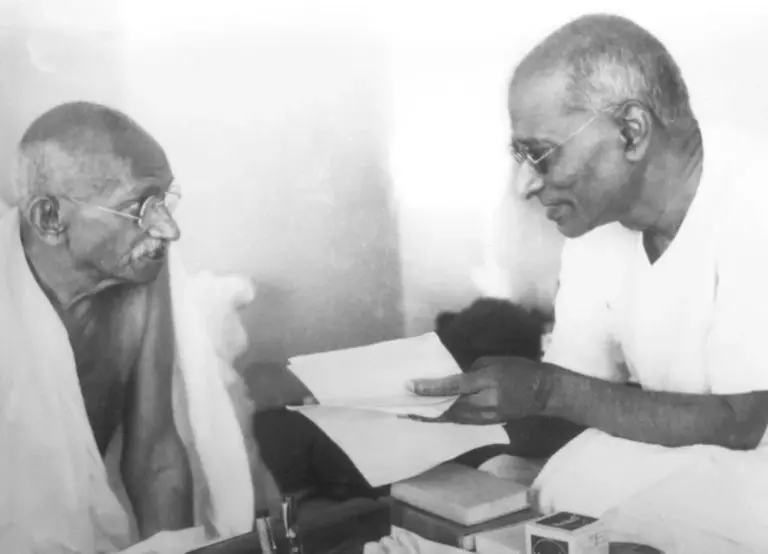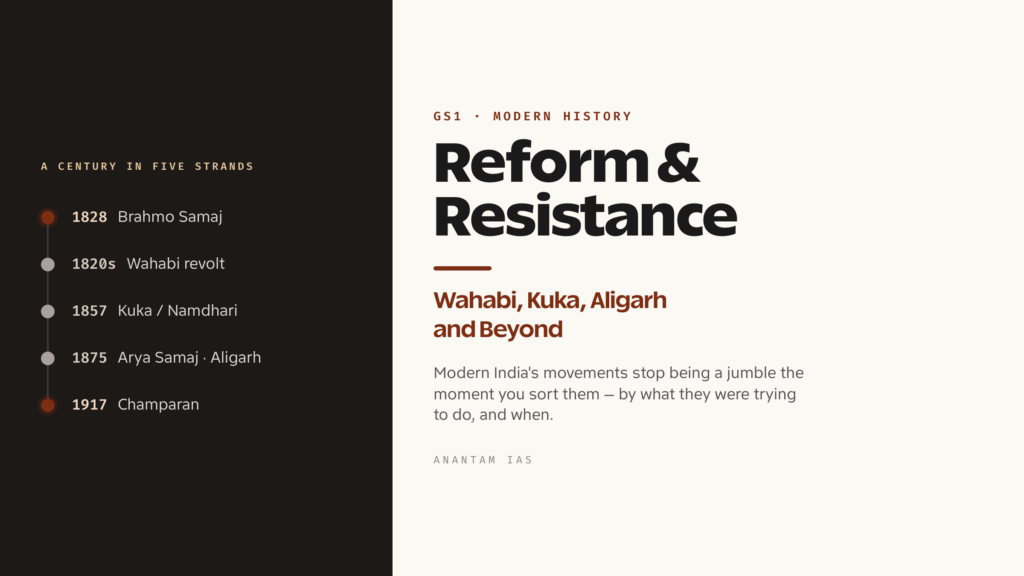
Line up the big movements of modern India on a table and they look like an impossible jumble — Brahmo, Arya, Aligarh, Singh Sabha, Wahabi, Kuka, Champaran — a blur of founders, dates and places that refuses to stay in your head. The usual fix is to memorise them as a list and hope the right name surfaces in the exam hall. It rarely does. The better fix is to stop treating them as a list at all and start treating them as a map, because once you sort these movements by what they were trying to do, the whole nineteenth and early twentieth century falls into a pattern you can reconstruct from first principles.
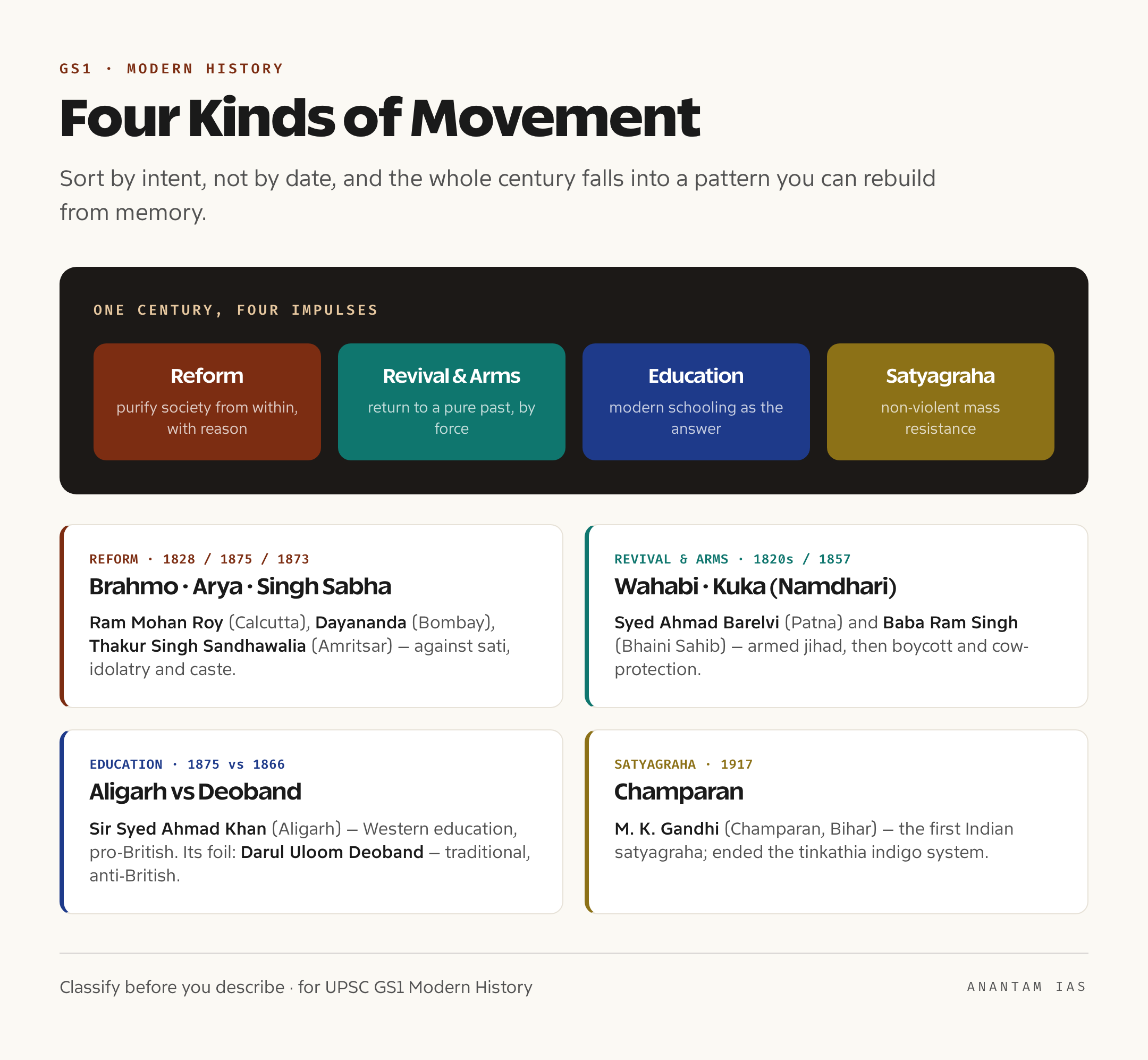
And the pattern is simple. Some movements wanted to reform Hindu and Muslim society from within — clean out superstition, raise the status of women, open the door to modern education. Some wanted to revive an imagined pure past and arm it against outsiders. A few took up the gun against the British and their allies long before the freedom struggle had a name. And one, late in the story, invented the method that would eventually bring the empire down. These four impulses — reform, revival, armed resistance and satyagraha — run side by side across roughly a century, from Raja Ram Mohan Roy in 1828 to Gandhi at Champaran in 1917. Get the impulses straight and the founders, places and dates stop being trivia. They become the proof.
The Socio-Religious Reformers: Cleaning the House from Within
Start where the textbooks start, in Bengal, with the man often called the father of modern India. Raja Ram Mohan Roy founded the Brahmo Samaj in Calcutta in 1828, and it is the natural opening of the whole story because it set the template every later reformer would either copy or react against. Roy attacked idol worship and polytheism, argued for one formless God on the authority of the Upanishads, and turned his fire on the social practices he found indefensible — above all sati, the burning of widows, which his campaigning helped get banned by law in 1829. The Brahmo Samaj was reform in the strict sense: it did not want to leave Hinduism or destroy it but to purge it of what Roy saw as later corruptions, using reason and scripture together. That double move — rational argument plus a return to the earliest texts — is the DNA of socio-religious reform.
Half a century later the same impulse surfaced in a very different key. Swami Dayananda Saraswati founded the Arya Samaj in Bombay in 1875, and where Roy had been cosmopolitan and conciliatory, Dayananda was combative. His slogan, “Back to the Vedas,” treated the four Vedas as infallible and everything after them — Puranas, idol worship, the priestly monopoly, untouchability — as decay to be swept away. The Arya Samaj also did something the Brahmos never tried: through its shuddhi (purification) ceremony it brought converts back into the Hindu fold, which made it a force in Punjab and the United Provinces and, in time, a source of friction with other communities. So you have two reform movements with the same goal, fifty years and a continent apart in temperament — the gentle Bengali rationalist and the muscular north-Indian revivalist. Examiners love that contrast because it shows reform was never one thing.
The Sikhs had their own version. The Singh Sabha, the first unit founded at Amritsar in 1873 under Thakur Singh Sandhawalia, grew up partly in self-defence — against Christian missionaries who were converting Sikh youth, and against the Arya Samaj’s shuddhi campaigns that treated Sikhs as wayward Hindus. Its answer was to restore distinctly Sikh rites, publish religious literature in Punjabi, fight illiteracy and insist, especially through its more radical Lahore branch, that Sikhs were not Hindus. Like the Brahmo and Arya Samajes, it married religious purification to modern education and the printing press. But the most consequential Muslim response to the same century belongs in its own paragraph, because it splits in two — and that split shaped the politics of the subcontinent for the next seventy years.
The Aligarh Movement and Its Mirror Image at Deoband
After the failed revolt of 1857, India’s Muslims came out of it the biggest losers — distrusted by the British, locked out of the new government jobs that required English, and falling behind a Hindu middle class that had embraced Western schooling. Sir Syed Ahmad Khan looked at this and drew a conclusion that was both pragmatic and risky: the community’s first need was not religious purity or political agitation but modern education. So in 1875 he founded the Muhammadan Anglo-Oriental College at Aligarh — modelled on Oxford and Cambridge, teaching science and English alongside Islamic studies — and built around it the broader Aligarh Movement. The college later grew into Aligarh Muslim University. Sir Syed’s bet was that Muslims could take Western knowledge without surrendering their faith, and his price for it was loyalty: he urged Muslims to stay loyal to the British and to keep out of the Indian National Congress, which he distrusted.
And his rival answer grew up barely a hundred miles away. The Darul Uloom at Deoband, founded in 1866, was Aligarh’s mirror image: it rejected British funding, refused Western education, and set out to preserve traditional Islamic scholarship in its purest form. Where Aligarh was loyalist and modernising, Deoband was anti-British and conservative, and it later threw its scholars into the Khilafat Movement and the fight against Partition. Holding the two side by side — one community, two opposite bets on how to survive colonial rule, both born in the same decade — is the cleanest comparison in this whole period, and the divergence in Muslim education it represents echoed all the way to 1947.
The Militant Resisters: The Wahabi and Kuka Revolts
Not every nineteenth-century movement worked through schools and pamphlets. Some reached for the sword, and they did so a full generation before organised nationalism existed. The Wahabi Movement is the first and most striking. Inspired by the eighteenth-century reformist teachings of Shah Waliullah of Delhi and named after the puritanical Arabian reformer Abd-al-Wahhab, it was organised in India by Syed Ahmad Barelvi — Sayyid Ahmad of Rae Bareli — who from the 1820s made Patna his command centre. His aim was to purify Islam of un-Islamic accretions and to restore Muslim power by force, which meant jihad against whoever ruled. His first target was the Sikh kingdom of Ranjit Singh in Punjab, and it was fighting the Sikhs that Syed Ahmad was killed at Balakot in 1831. After the British annexed Punjab in 1849 the movement turned its full hostility on the new rulers, and the British answered with a string of Wahabi Trials through the 1860s that broke its back. So the Wahabis matter twice over: as a religious-revivalist movement and as one of the earliest sustained armed challenges to British power in India.
The Kuka Movement, or Namdhari movement, tells a parallel Punjabi story with a gentler method and an oddly modern feel. Baba Ram Singh founded it at Bhaini Sahib, in Ludhiana district, on Baisakhi day in 1857 — the same year as the great revolt, though the Kukas were a religious reform sect first. They preached against caste, against alcohol and meat, for widow remarriage and intermarriage, and above all for the protection of the cow, which made cow-slaughter their flashpoint with the British and with Muslim butchers. What makes them genuinely important for your answers is the political method Baba Ram Singh devised: he told his followers to boycott everything bearing the British government’s stamp — its schools, its courts, its post, its goods, its mill cloth — and to withdraw cooperation from the colonial state. That is a non-cooperation and swadeshi programme decades before either word entered the freedom struggle. The movement climaxed violently when Kukas raided Malerkotla in January 1872; the British responded by blowing dozens of prisoners from cannon and deporting Baba Ram Singh to Rangoon. The Kukas are the bridge between religious reform and political resistance — and a reminder that boycott was an Indian idea long before 1905.
Champaran 1917: When Satyagraha Came Home
The last movement in this survey is the one that changed the method of the whole freedom struggle, and it begins with a peasant who refused to take no for an answer. In Champaran, in north Bihar, European planters held tenants in the tinkathia system, which forced every cultivator to plant indigo on three-twentieths of his land and hand it over on ruinous terms. When German synthetic dyes wrecked the world price of natural indigo, the planters squeezed the peasants harder still, with illegal levies to make up their losses. An indigo cultivator named Rajkumar Shukla followed Mohandas Gandhi around the country until Gandhi agreed to come and see for himself. He arrived in 1917, freshly back from South Africa, and what he launched there became the first satyagraha on Indian soil.
Gandhi’s method at Champaran was the template he would use for the next thirty years. He defied an official order to leave the district, calmly accepting arrest rather than obey an unjust command. He gathered detailed testimony from thousands of peasants instead of making speeches, turning the campaign into a fact-finding exercise the government could not easily dismiss. And he kept it strictly non-violent, which denied the authorities any excuse for force. The pressure worked: the government set up an inquiry committee with Gandhi on it, and its findings produced the Champaran Agrarian Act of 1918, which abolished the tinkathia system. So Champaran did three things at once. It won a real concession for real peasants. It introduced Gandhi to Indian politics as a leader, not a visitor. And it proved that disciplined, truth-based, non-violent resistance could beat an armed colonial state — the lesson that would carry through Kheda, the Non-Cooperation Movement, the Salt March and beyond. The armed resistance of the Wahabis and Kukas had failed; the moral resistance of Champaran pointed the way that would succeed.
For Your Mains Answer
This is bread-and-butter material for GS Paper 1, which covers modern Indian history from the mid-eighteenth century, the freedom struggle, and the social-reform movements of the colonial era. A question can come in three shapes: a direct ask on one movement (the Wahabi or Kuka revolt, the Aligarh movement), a comparison (Brahmo versus Arya Samaj, Aligarh versus Deoband), or a thematic sweep (“the socio-religious reform movements prepared the ground for nationalism”). The trick that wins marks across all three is the one this article is built on — classify before you describe. Tell the examiner what type of movement you are dealing with before you start reciting its features, and your answer instantly reads as analysis rather than recall.
How to Build the Answer
Open by naming the strand and the stakes, then move through founders, places and dates in chronological order so the answer has a spine. For a survey question, walk the four types in turn — reform (Brahmo 1828, Arya 1875), revival-and-resistance (Wahabi 1820s, Kuka 1857), educational response (Aligarh 1875, with Deoband as its foil), and satyagraha (Champaran 1917) — and close on how they fed nationalism. For a single-movement question, give context, founder and date, aims, method, the state’s response, and significance, in that order. Always end by linking the movement forward to the larger freedom struggle; that is where the synthesis marks live.
Common Mistakes to Avoid
Don’t confuse the two Ram Singhs and Ram Mohans — Raja Ram Mohan Roy founded the Brahmo Samaj in 1828, while Baba Ram Singh founded the Kuka movement in 1857; they are different men, different decades, different provinces. Don’t call the Wahabi movement purely religious; it was an armed anti-British (and earlier anti-Sikh) revolt as much as a revivalist one. Don’t credit Champaran as Gandhi’s first satyagraha ever — that was in South Africa; it was his first in India. And don’t flatten Aligarh and Deoband into one “Muslim movement”; their split on Western education and loyalty to the British is the whole point.
A Compact Answer Spine
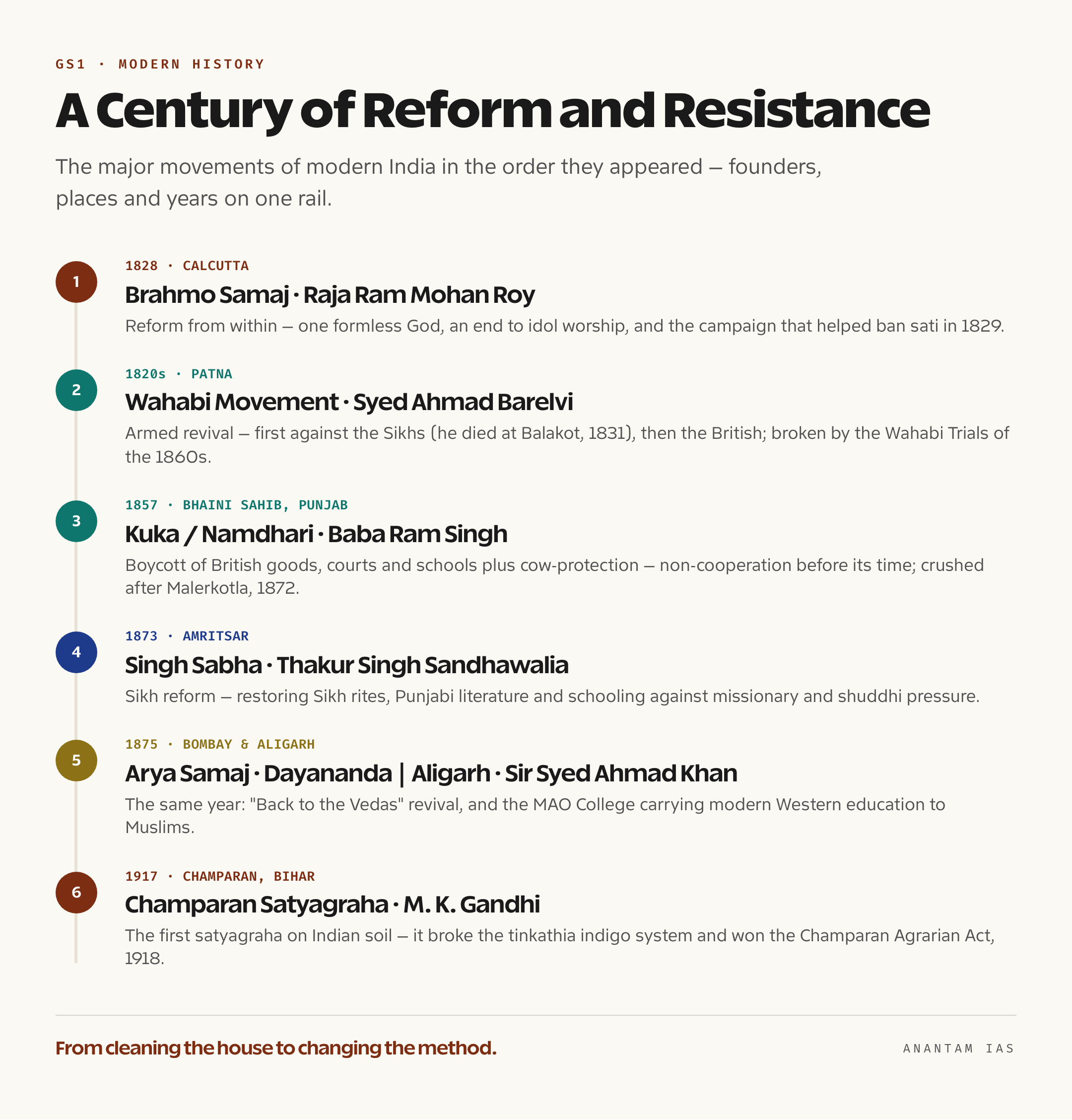
Reform (purify society from within): Brahmo Samaj — Ram Mohan Roy — Calcutta, 1828; Arya Samaj — Dayananda — Bombay, 1875; Singh Sabha — Amritsar, 1873 → Revival-and-resistance: Wahabi — Syed Ahmad Barelvi — Patna, 1820s, anti-Sikh then anti-British, crushed by the 1860s trials; Kuka/Namdhari — Baba Ram Singh — Bhaini Sahib, 1857, boycott + cow-protection, crushed 1872 → Educational response: Aligarh/MAO College — Sir Syed Ahmad Khan — 1875, pro-British modern education, mirrored by anti-British traditionalist Deoband (1866) → Satyagraha: Champaran — Gandhi — Bihar, 1917, first Indian satyagraha, won the Champaran Agrarian Act 1918.
Diagram or Flowchart Idea
Draw a single horizontal timeline from 1820 to 1920 with the movements plotted as dated nodes, and run two coloured bands beneath it — one labelled “reform/revival” and one “resistance/political method” — so the examiner sees at a glance how the social and the political strands run in parallel and finally converge at Champaran. A clean two-axis sketch like this communicates classification and chronology together and takes under a minute to draw.
A Balanced-Conclusion Line
A line that lands the marks: “The reformers reshaped Indian society, the revivalists and armed rebels tested the limits of force, and the educationists built a modern middle class — but it was Champaran that fused moral courage with mass method, turning a century of scattered protest into the single weapon that would eventually win freedom.”
How to Use Data Without Cramming
You need anchors, not an encyclopaedia. Six date-and-founder pairs carry almost any answer: Brahmo 1828 (Ram Mohan Roy), Arya 1875 (Dayananda), Aligarh 1875 (Sir Syed Ahmad Khan), Wahabi 1820s (Syed Ahmad Barelvi), Kuka 1857 (Baba Ram Singh), Champaran 1917 (Gandhi). Add two crisp facts — the tinkathia three-twentieths rule and the Champaran Agrarian Act of 1918 — and you can write a confident answer without ever sounding like you are reciting a chart.
FAQ
What is the difference between a reform movement and a revivalist movement in modern India? A reform movement, like the Brahmo Samaj, used reason and scripture to purge society of practices it judged corrupt — sati, idol worship, caste — while staying open to modern, Western ideas. A revivalist movement, like the Arya Samaj or the Wahabi movement, looked back to an idealised pure past (the Vedas, early Islam) as the standard, and was often more combative toward outside influence. The line blurs in practice — the Arya Samaj reformed and revived at once — but the distinction is exactly what examiners want you to draw.
Why was Champaran called Gandhi’s first satyagraha in India? Because it was the first time Gandhi applied his South-African method of non-violent civil resistance on Indian soil, in 1917. He went to Champaran in Bihar at the urging of the peasant Rajkumar Shukla, defied an order to leave, collected mass testimony against the tinkathia indigo system, and forced the government into an inquiry that produced the Champaran Agrarian Act of 1918. It launched Gandhi as a leader of the Indian freedom struggle.
How did the Aligarh and Deoband movements differ? Both were Muslim responses to the crisis after 1857, but they pulled in opposite directions. Sir Syed Ahmad Khan’s Aligarh movement (MAO College, 1875) embraced English and Western science, blended them with Islamic studies, and stayed loyal to the British. The Darul Uloom Deoband (1866) rejected British patronage and Western education, defended traditional Islamic learning, and grew anti-British, later opposing the partition of India. Aligarh produced a modern, often separatist elite; Deoband produced grassroots scholars who fought the British.
What was the political significance of the Wahabi and Kuka movements? They were among the earliest organised challenges to British authority, well before the Congress existed. The Wahabis mounted a sustained armed struggle that the British crushed only through the Wahabi Trials of the 1860s. The Kukas, under Baba Ram Singh, pioneered a boycott of British goods, schools, courts and services — a non-cooperation programme decades ahead of its time — and were broken after the Malerkotla raid of 1872. Both show that resistance to colonial rule had deep nineteenth-century roots.
Practice Questions
Prelims MCQs
- Match the movement with its founder: (1) Brahmo Samaj (2) Arya Samaj (3) Aligarh Movement (4) Kuka Movement. Select the correct pairing.
(a) 1-Dayananda Saraswati, 2-Ram Mohan Roy, 3-Sir Syed Ahmad Khan, 4-Baba Ram Singh
(b) 1-Ram Mohan Roy, 2-Dayananda Saraswati, 3-Sir Syed Ahmad Khan, 4-Baba Ram Singh
(c) 1-Ram Mohan Roy, 2-Sir Syed Ahmad Khan, 3-Dayananda Saraswati, 4-Syed Ahmad Barelvi
(d) 1-Baba Ram Singh, 2-Dayananda Saraswati, 3-Sir Syed Ahmad Khan, 4-Ram Mohan Roy
Answer: (b) Ram Mohan Roy founded the Brahmo Samaj (1828), Dayananda the Arya Samaj (1875), Sir Syed the Aligarh movement (1875), and Baba Ram Singh the Kuka movement (1857). - The Wahabi Movement in India, organised by Syed Ahmad Barelvi, initially directed its armed struggle against which power before turning on the British?
(a) The Mughals
(b) The Marathas
(c) The Sikh kingdom of Punjab
(d) The Nizam of Hyderabad
Answer: (c) Syed Ahmad Barelvi first fought the Sikh state and was killed at Balakot in 1831; the movement turned fully against the British only after Punjab was annexed in 1849. - With reference to the Kuka (Namdhari) Movement, consider the following statements:
1. It was founded by Baba Ram Singh at Bhaini Sahib.
2. It urged followers to boycott British goods, schools and courts.
3. It strongly advocated cow protection. Which are correct?
(a) 1 and 2 only
(b) 2 and 3 only
(c) 1 and 3 only
(d) 1, 2 and 3
Answer: (d) All three are correct; the Kuka boycott programme anticipated later non-cooperation, and cow protection was a central cause. - The tinkathia system, which the Champaran Satyagraha sought to abolish, compelled peasants to:
(a) Pay land revenue in cash only
(b) Grow indigo on three-twentieths of their land
(c) Surrender all produce to the zamindar
(d) Provide free labour to the British army
Answer: (b) Under tinkathia, cultivators in Champaran had to grow indigo on 3/20th of their holding for the European planters; it was abolished by the Champaran Agrarian Act of 1918. - Which one of the following correctly describes a key difference between the Aligarh and Deoband movements?
(a) Aligarh rejected Western education while Deoband embraced it
(b) Aligarh was anti-British while Deoband was pro-British
(c) Aligarh promoted Western education and loyalty to the British, while Deoband defended traditional learning and turned anti-British
(d) Both opposed all forms of modern education equally
Answer: (c) Sir Syed’s Aligarh movement embraced English and science and stayed loyal to the British; the Darul Uloom Deoband rejected Western education and grew anti-British.
Mains Practice Questions
- Classify the major reform and resistance movements of nineteenth-century India by type, and explain how this classification helps in understanding the period more clearly than a chronological list alone. (15 marks, 250 words)
- “The socio-religious reform movements of the nineteenth century prepared the ground for organised nationalism.” Examine this statement with reference to the Brahmo Samaj, the Arya Samaj and the Singh Sabha. (15 marks, 250 words)
- Compare and contrast the Aligarh and Deoband movements as two responses of Indian Muslims to colonial rule after 1857. (15 marks, 250 words)
- The Wahabi and Kuka movements are often described as early forms of resistance to British rule. Critically assess their methods and their significance for the later freedom struggle. (10 marks, 150 words)
- Why is the Champaran Satyagraha of 1917 regarded as a turning point in the Indian national movement? Discuss with reference to Gandhi’s method and its outcomes. (15 marks, 250 words)
Tell Google you want more of this.
Add Anantam IAS as a preferred sourceOne tap, and this site shows up more often in your own Top Stories, AI Overviews and AI Mode. Remove it any time.