Why in News?
On November 9, the Ministry of Housing and Urban Affairs announced completion of Swachh Survekshan 2025–26, which expanded waterfront coverage and placed greater emphasis on citizen feedback.
- The assessment covered urban local bodies under Swachh Bharat Mission–Urban. Its indicators examined the services residents receive, the condition of public places and the welfare of people who deliver sanitation services.
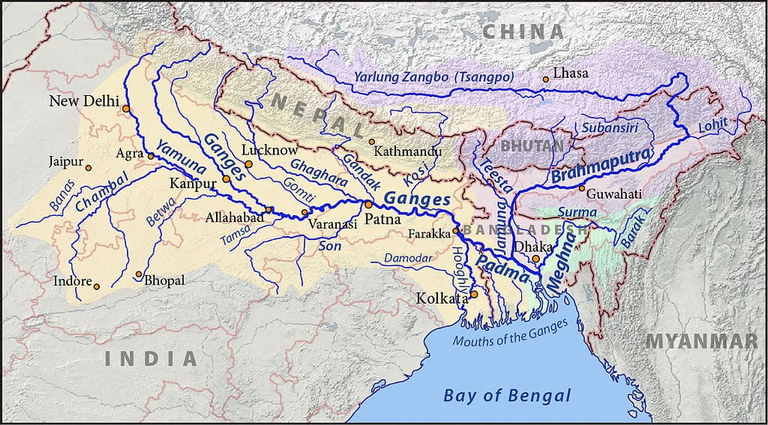
- The wider waterfront assessment included urban riverfronts, coastlines and water bodies. The survey also examined cleanliness at tourist and heritage sites, where visitor numbers can place extra demands on municipal services.
- Trained assessors made field visits supported by GPS monitoring. Municipal evidence moved through a digital submission and verification process, allowing assessors to connect a reported service with conditions at the location.
- A municipality can clean the most visible stretch of a riverfront while waste still enters the water upstream. Assessing used water management alongside surface cleanliness helps distinguish these conditions.
- A resident repeatedly reporting missed collections knows something a single site visit may miss. Citizen feedback brings that experience into the assessment.
UPSC Relevance
Prelims Relevance
- Swachh Survekshan is the urban cleanliness assessment under Swachh Bharat Mission–Urban.
- The Ministry of Housing and Urban Affairs oversees the assessment.
- The survey includes mechanisation of desludging and the welfare of sanitation workers.
- Trained assessors conduct field evaluations supported by GPS monitoring.
Mains Relevance
GS Paper 2
- Examine how resident feedback can improve municipal accountability.
- Distinguish a service record supplied by a city from independent observation.
GS Paper 3
- Connect waterfront cleanliness to waste collection and used water management.
Essay
- How a city measures public services influences which failures it sees.
Background and Context
What Counts as Urban Cleanliness?
Follow the waste from a household to its destination. Each point along that journey answers a different question about municipal performance.
- Source segregation begins where the waste arises. A household may separate wet and dry materials, but mixing them in the same collection vehicle can undo that effort before the waste reaches a processing facility.
- A swept riverfront tells an assessor about visible cleanliness at the time of the visit. The expanded coverage brings the edges of water bodies into view alongside streets, visitor areas and other public spaces.
- Used water management requires another inquiry. A clean-looking bank offers little evidence about where drains discharge or what treatment the water receives before it enters the river.
- The survey also covers sanitation worker welfare and mechanised desludging. An assessment of a functioning public toilet can extend beyond its appearance to how the city manages the waste it generates.
How Is a Municipal Claim Checked?
A city record, an assessor’s visit and a resident’s account offer three perspectives on the same service.
- Digital submission allows a municipality to document its service. A collection schedule, for example, can identify when a vehicle should visit a neighbourhood and give an assessor a specific claim to check.
- An assessor on the ground can record what is happening at a collection point. GPS monitoring helps locate that observation, while the visit supplies the evidence about the condition of the site.
- Citizen feedback can reveal how often residents encounter an overflowing collection point. One visit may coincide with collection day, while residents experience the place throughout the week.
- When accounts differ, grievance redressal adds a practical test. Checking whether a reported missed collection recurs after a complaint helps a city distinguish recording a request from restoring the service.
What Can a Better Score Establish?
Swachh Shehar Jodi pairs mentor and mentee cities so municipal teams can learn from each other’s practices.
- The ministry reported improvements among mentee cities across several measures, including door-to-door collection. This describes a change in the measured service between assessments and identifies an area for closer study.
- A before-and-after comparison leaves an attribution question open. New vehicles, more staff or changes in local budgets could also improve collection during the period in which cities received mentoring.
- A city interested in transferring a practice should ask what the mentor changed, which wards adopted it and whether the service improved there. That links peer learning to a specific local decision.
- A fairer comparison would track similar cities over the same period and examine whether both improved. Differences in starting conditions and changes to the assessment itself still matter when interpreting the results.
Way Forward
Use Differences Between Sources to Select Follow-Up Visits
- Inspect sites where field observations and residents’ accounts repeatedly diverge. Record the day and time so supervisors can check what happened between collection rounds.
- Ask the responsible municipal authority to assign a team and completion date to recurring complaints.
- Pair waterfront inspections with checks on drain interception and treatment when the problem concerns discharge into a water body.
Conclusion
- A waterfront visit can establish what the public space looks like. Assessing the wider sanitation service requires evidence about collection, treatment, working conditions and residents’ experience across time.
- For a governance answer, follow one municipal claim through its records, a site visit and resident feedback. Explain how a discrepancy would guide the next inspection.
UPSC Practice Questions
Prelims MCQ 1
Consider these statements about Swachh Survekshan 2025–26.
- The assessment expanded its coverage of urban waterfronts and coastlines.
- Trained assessors conducted field evaluations.
- Sanitation worker welfare was an assessment area.
How many of the above statements are correct?
(a) Only one (b) Only two (c) All three (d) None
Answer: (c) All three
Explanation:
The ministry identified expanded waterfront coverage, GPS-supported field visits and worker welfare as features of the completed assessment.
Prelims MCQ 2
Which evidence best complements a field visit when assessing the regularity of household waste collection?
(a) The colour of the vehicle (b) A count of prizes received by the city (c) The location of the municipal headquarters (d) Residents’ accounts of missed collections over several weeks
Answer: (d) Residents’ accounts of missed collections over several weeks
Explanation:
Residents observe service frequency over time. Their experience can reveal interruptions that a visit on a single collection day would miss.
UPSC Mains Questions
- How can citizen feedback and field verification improve urban sanitation assessment? Illustrate with one municipal service.
- Assess the limits of using improved sanitation scores to evaluate the impact of peer learning between cities.
Source: PIB, Ministry of Housing and Urban Affairs.
Frequently Asked Questions
Which ministry conducts Swachh Survekshan?
The Ministry of Housing and Urban Affairs oversees the urban assessment under Swachh Bharat Mission–Urban. It evaluates municipal sanitation services, including waste collection, access to sanitation and worker welfare.
Why did waterfront coverage matter in this edition?
Urban riverfronts, coastlines and other water bodies received broader coverage. These sites allow assessors to examine visible public-space cleanliness alongside questions about waste collection and used water management.
How did assessors verify digital evidence?
Trained assessors conducted on-ground evaluations with GPS-enabled monitoring. A recorded location helps identify where a visit took place. Direct observation supplies evidence of conditions at that site.
What is Swachh Shehar Jodi?
It is a peer-learning initiative pairing mentor and mentee cities in urban waste management. The ministry reported improved indicators among mentees, while identifying the contribution of mentorship requires additional evidence.
Tell Google you want more of this.
Add Anantam IAS as a preferred sourceOne tap, and this site shows up more often in your own Top Stories, AI Overviews and AI Mode. Remove it any time.