ज़्यादातर अभ्यर्थी Taj Mahal बनवाने वाले emperor का नाम बता देंगे, लेकिन जब पूछा जाए कि India के तीसरे सबसे बड़े शहर की नींव किसने रखी, तो रुक जाएँगे। जवाब emperor नहीं, 16वीं सदी का local chieftain है। इसी वजह से revision में वह छूट जाता है। Kempe Gowda I एक Nadaprabhu थे, Vijayanagara Empire के feudatory lord। उन्होंने 1537 में scrubby plateau पर fortified market town बसाया, जो आगे चलकर दुनिया की software capital Bengaluru बना। उन्हें याद करने लायक stray name नहीं, इस case study की तरह पढ़िए कि medieval Indian city को plan, finance और टिकाऊ कैसे बनाया जाता था। तब वह trivia नहीं, आज भी चलकर देखे जा सकने वाले map की explanation बन जाता है।
Kempe Gowda कौन थे और किसकी सेवा करते थे?
छोटा जवाब: Kempe Gowda I (जन्म 27 June 1510, मृत्यु 1569) Yelahanka line के chieftain थे। वे modern Bengaluru के पास छोटा territory Vijayanagara emperors के vassal के रूप में चलाते थे। वे Morasu Vokkaliga farming community से थे और उनका परिवार कई generations से Yelahanka estate संभाल रहा था। इसलिए उन्होंने कोई territory जीतकर नहीं, inherited going concern लेकर शुरुआत की।
उन्हें समझने के लिए उनके overlord को समझिए। Vijayanagara Empire peninsula की बड़ी Hindu power थी और Hampi से South India के अधिकांश हिस्से पर शासन करती थी। Kempe Gowda Achyuta Deva Raya के समय उभरे, जो प्रसिद्ध Krishnadevaraya के बाद emperor बने। Kempe Gowda जैसा local lord अकेले फैसला नहीं कर सकता था। वह empire की अनुमति से land रखता, tribute देता, बुलाए जाने पर troops भेजता और बड़े काम के लिए imperial sanction लेता। Bengaluru की founding को समझने का यही सबसे ज़रूरी fact है: यह rebel की independent city नहीं, loyal feudatory का licensed expansion थी। Licence का महत्व है।
इस arrangement को modern franchise की तरह सोचिए। Brand और final authority centre में हैं। Local operator outlet चलाता, dues देने के बाद profit रखता और head office की blessing से ही business बढ़ा सकता है। Kempe Gowda वही local operator थे और Bengaluru वह outlet, जिसे उन्होंने तब बनाया जब Yelahanka उनकी ambitions के लिए छोटा पड़ गया।
1537 में Bengaluru की founding
Kempe Gowda ने 1537 CE में Bengaluru की स्थापना की। इससे पहले उन्होंने Emperor Achyuta Deva Raya से formal permission ली थी, जिसका sanction करीब 1532 का माना जाता है। फिर उन्होंने Yelahanka से करीब दस kilometres south नई town में अपना seat shift किया और open ground पर इसे scratch से बनाना शुरू किया। यह deliberate और planned quality शहर को अलग बनाती है। यह inherited sacred site या naturally बढ़ा river port नहीं था। यह chosen spot पर बनाया गया purpose-built commercial capital था।
Site चुनने से जुड़ी एक familiar legend भी है। कहते हैं कि future city के पास hunting करते हुए Kempe Gowda ने एक hare को hunting dog से भागने के बजाय उसे chase करते देखा। उस समय की folk grammar में इस reversal ने जगह को gandu bhumi, यानी “heroic” या auspicious ground, बना दिया। उन्होंने इसे वहाँ बसने का sign माना। इसे documented fact नहीं, folklore की तरह पढ़िए। लेकिन कहानी city से जुड़ी founders की इच्छा बताती है: यह वह जगह होगी जहाँ weak, strong के सामने खड़ा हो सकता है।
नई town का heart एक mud fort था, oval earthwork enclosure जिसमें gates और surrounding ditch थे। 1537 का original fort earth का था, stone का नहीं जिसे tourists आज देखते हैं। उसी जगह का masonry fort बाद में eighteenth century में Hyder Ali और Tipu Sultan के दौर में rebuild हुआ। इसलिए “Kempe Gowda’s fort stone का था” पढ़ें तो याद रखें कि material centuries बाद बदला। Kempe Gowda ने Bengaluru को plan और mud walls दिए, granite उनके कई generations बाद आया।
Petes: trade के हिसाब से शहर का zoning
यही detail coaching note और real understanding को अलग करती है। Kempe Gowda ने settlement को सिर्फ़ wall से घेरा नहीं, उसे zone किया। City को petes में बाँटा गया। ये अलग market streets और quarters थे, जहाँ हर trade या community का अपना स्थान था। दो मुख्य commercial arteries थीं: Doddapete (“big market”, roughly north-south) और Chikkapete (“small market”, roughly east-west)। वे town के centre के पास cross करती थीं और वह जगह आज भी Bengaluru के busiest junctions में है।
इन axes के आसपास specialised markets बसे: cotton, grain और rice, oil तथा अलग-अलग artisan castes के quarters। Weavers एक pete में, potters दूसरे में और metalworkers तीसरे में रहते और trade करते। Map पर कुछ names आज भी बचे हैं। Chickpete, Balepet और Cottonpet living Bengaluru localities हैं और उनके नाम करीब पाँच centuries पहले Kempe Gowda के plan में तय trade का संकेत आज भी देते हैं।
यह decorative trivia नहीं है। इससे पता चलता है कि medieval ruler wealth को कैसे सोचता था। Trades को cluster करके Kempe Gowda ने markets efficient बनाए और tax collection आसान किया। Cloth merchants कहाँ बैठते हैं, यह पता हो तो ruler को यह भी पता है कि tax कहाँ लेना है। Petes ने prestige और productivity को एक साथ जोड़ा, जैसे medieval period के बड़े temple towns में हुआ। Layout एक revenue machine था, जो city की शक्ल में छिपी थी। Petes miss किए, तो Bengaluru क्यों बनाया गया, यह miss कर दिया।
Water: dry plateau को रहने लायक बनाने वाले tanks
Bengaluru Deccan plateau पर sea level से करीब 900 metres ऊपर है और इसके बीच से कोई major river नहीं बहती। Founder की असली समस्या यही थी। Dry upland पर city rain store करने की क्षमता से जीती या हारती है। इसलिए Kempe Gowda ने tanks बनाए, Kannada में *keres* कहलाने वाले बड़े artificial reservoirs, जो monsoon का पानी पकड़कर रखते थे।
सबसे important Dharmambudhi, Kempambudhi और Sampangi tanks थे। इन्हें drinking water और town को feed करने वाले fields की irrigation के लिए खोदा गया। Dharmambudhi को याद रखिए। इसका पूरा city history compress हो जाता है। बाद में tank drain करके site पर construction हुआ। आज वहीं Kempegowda Bus Station, यानी विशाल Majestic bus terminus, है। 16वीं सदी के town को पानी देने वाली lake अब millions of commuters move करती है। Kempambudhi old city core के पास smaller water body के रूप में बचा है।
Tanks वही बात बताते हैं जो petes, लेकिन दूसरे angle से। Kempe Gowda सिर्फ़ spot fortify नहीं कर रहे थे। वे ऐसी permanent settlement की conditions engineer कर रहे थे जो nature के आसान न बनाए ground पर survive कर सके। Deccan plateau की हर serious medieval city, Bahmani capitals से Vijayanagara heartland तक, stored water की इसी logic पर चलती थी। Kempe Gowda के *keres* Bengaluru का version हैं।
चार watchtowers और growth की prophecy
Kempe Gowda से जुड़ी सबसे मशहूर image, modern Bengaluru में चार stone towers, वास्तव में उनके successor का काम है। Four watchtowers उनके बेटे Kempe Gowda II ने बनाए थे। इनका उद्देश्य city की outer limits mark करना था। वे old town के लगभग चार corners पर हैं: south में Lalbagh, west में Kempambudhi, east में Ulsoor (Halasuru) lake और north में Mekhri Circle। आज चारों protected heritage monuments हैं।
इनसे जुड़ी lovely story एक useful idea देती है। Legend के अनुसार Kempe Gowda II ने towers उस boundary को fix करने के लिए बनाए जहाँ family को लगा कि city पहुँचेगी। उनकी mother ने कहा था कि city एक दिन इन markers से बाहर निकल जाएगी। वह लगभग comic margin से सही साबित हुईं। जो towers कभी Bengaluru के दूर edge पर थे, अब built-up core के भीतर हैं। Traffic और apartment blocks ने उन्हें घेर रखा है और metropolis tens of kilometres आगे तक फैल चुका है। Prophecy tidy hook है, लेकिन real lesson यह है कि founders गाँव नहीं, capital की ambition वाला city plan कर रहे थे। इसलिए outer ring भी उसी हिसाब से खींची गई।
Kempe Gowda और Vijayanagara connection
Kempe Gowda का career उनके overlord के fortunes से अलग समझ ही नहीं सकते। वे empire के loyal servant थे, लेकिन sources एक serious rupture भी दर्ज करते हैं। एक समय Vijayanagara authorities ने उन्हें लगभग पाँच साल के लिए imprison किया। एक common account में वजह यह थी कि उन्होंने अपनी coinage mint करने की presumption की, यानी ऐसी sovereignty जताई जो mere feudatory को नहीं दिखानी चाहिए थी। बाद में वे release और restore हुए। यह episode बताता है कि Nadaprabhu के पास practical autonomy बहुत थी, लेकिन principle में बिल्कुल नहीं।
बड़ी कहानी tragic है। Kempe Gowda I की मृत्यु 1569 में हुई। सिर्फ़ चार साल पहले, 1565 में उनके overlord का empire Battle of Talikota में टूट गया था। Deccan sultanates की coalition ने Vijayanagara army को हराया और Hampi की magnificent capital को sack कर दिया। उसका living heart Virupaksha temple आज भी ruins में खड़ा है। Kempe Gowda ने अपने overlords का golden age पार किया और आख़िरी वर्षों में वह central authority collapse होते देखी जिसने उनके city को licence दिया था। Bengaluru ने ironical रूप से उसे authorise करने वाले empire को survive कर लिया। Local institution ऊपर की imperial institution से ज़्यादा टिकाऊ निकली। इसी वजह से Kempe Gowda का plan ground पर है और Vijayanagara stones का field।
Walls और water से आगे Kempe Gowda ने क्या बनाया?
Kempe Gowda markets जितने temples के भी builder और learning के patron थे। “Fort founder” summary उन्हें छोटा कर देती है। उन्हें पुराने city को anchor करने वाले कई temples का patron माना जाता है, जिनमें विशाल monolithic Nandi वाला Bull Temple (Dodda Basavana Gudi) और Gavi Gangadhareshwara cave temple शामिल हैं। दूसरा mid-January के striking solar alignment के लिए प्रसिद्ध rock-cut shrine है। ये private chapels नहीं, civic institutions थे। नई town को वह sacred centre मिला जिसकी एक self-respecting settlement से उम्मीद रहती थी।
Regional chieftain के standards से वे cultivated व्यक्ति भी थे। उन्हें letters का patron माना जाता है और *yakshagana* dramatic tradition में *Gangagaurivilasa* नामक work का author बताया जाता है। Deccan के courts, Vijayanagara से उसके feudatories तक, literary production के centres थे। Regional canon का विस्तार देखना हो, तो Kannada literature guide उपयोगी है। Kempe Gowda इसी cultural ecosystem के भीतर आते हैं।
Legacy: mud fort से global city तक
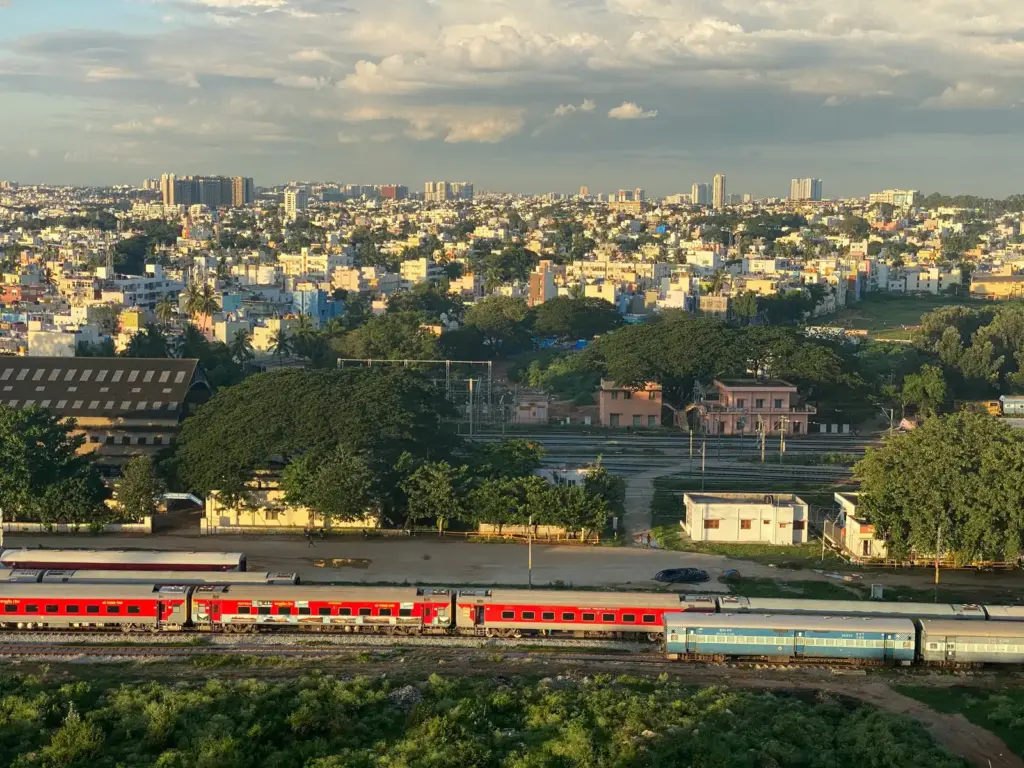
Kempe Gowda का modern afterlife current affairs के लिए topic को उपयोगी बनाता है। उनका बनाया Bengaluru अब Silicon Valley of India, दस million से बहुत ज़्यादा लोगों वाला metropolis और देश का information-technology hub है। Karnataka ने जान-बूझकर उन्हें civic icon भी बनाया है।
Exam में तीन markers रखिए। पहला, Kempegowda International Airport, Devanahalli का airport, जो 2008 में खुला और उनके नाम पर है। दूसरा, Majestic का central bus और metro interchange, जो drained Dharmambudhi tank पर बना है और Kempe Gowda Bus Station कहलाता है। तीसरा और सबसे quizzable Statue of Prosperity है। यह 108-foot bronze statue November 2022 में airport premises पर Prime Minister ने unveil की। इसका weight करीब 218 tonnes है। इसे veteran Ram V. Sutar ने sculpt किया, जो Statue of Unity के भी sculptor हैं। इसे किसी city founder की सबसे ऊँची bronze statue बताया जाता है।
यह statue पूरी story की neat closing image है। 1537 में mud fort और कुछ tanks बनाने वाला local chieftain पाँच centuries बाद उस city के gateway पर 108-foot bronze में खड़ा है जो बढ़ना कभी बंद नहीं हुई। यह homage बताती है कि उनका plan कितनी पूरी तरह सफल हुआ।
“Bengaluru” नाम असल में कहाँ से आया?
एक common misconception साफ़ कर लें, क्योंकि आधा fact marks काट सकता है। Kempe Gowda ने Bengaluru नाम invent नहीं किया था। Story है कि नाम benda kaalu ooru, यानी “boiled beans का town”, से आया। एक old king को kind woman ने boiled pulses खिलाई थीं। यह charming folk etymology आम तौर पर पहले के Hoysala king Veera Ballala से जुड़ी है, Kempe Gowda से नहीं। यह legend है, documented history नहीं।
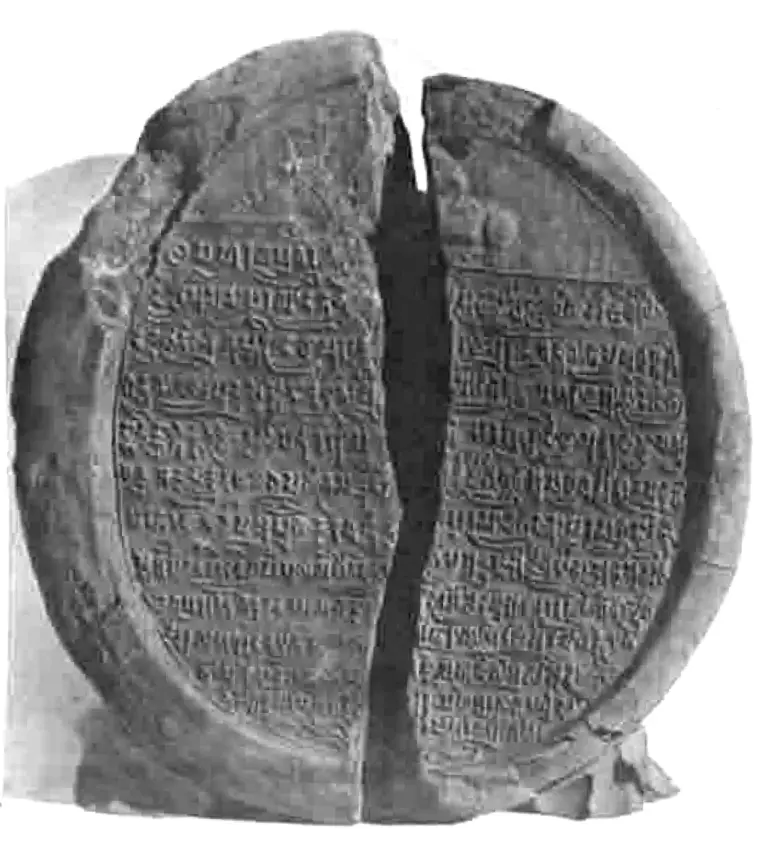
Harder evidence कहीं पीछे जाता है। City के southern outskirts में Begur से करीब 890 CE का stone inscription मिला है, जिसमें “Bengaluru war” दर्ज है। इसका मतलब Kempe Gowda के fort बनाने से करीब साढ़े छह centuries पहले Bengaluru नाम की जगह मौजूद थी। सही framing यह है: नाम पहले से पुराना और local था। Kempe Gowda ने नया word coin नहीं किया, existing regional name के साथ planned city जोड़ी। उन्होंने 1537 में Bengaluru *city* की founding की, *word* का christening नहीं। यह छोटा distinction genuine understanding दिखाता है और well-set question इसी nuance को probe कर सकता है।
Exam के लिए Kempegowda को कैसे पढ़ें?
Kempe Gowda को facts की list बनाकर याद मत कीजिए। अकेले dates blur हो जाएँगी। उन्हें चार load-bearing beats वाली tight story की तरह रखिए और details अपने-आप जुड़ेंगी।
पहला, frame: वे Yelahanka line के Nadaprabhu, Vijayanagara feudatory थे। उन्होंने Achyuta Deva Raya की imperial permission से 1537 में Bengaluru बसाया। यह one sentence ज़्यादातर objective questions का जवाब है।
दूसरा, plan: mud fort, trade के हिसाब से zoned petes (मुख्य axes Doddapete और Chikkapete) और plateau की water problem हल करने वाले tanks (Dharmambudhi, Kempambudhi, Sampangi)। यह “city कैसे planned थी” वाला content है जो अच्छे Mains answer में चाहिए।
तीसरा, succession detail: पुराने Bengaluru की limits mark करने वाले four watchtowers founder ने नहीं, उनके बेटे Kempe Gowda II ने बनाए थे। यह classic trap है, इसलिए अंतर याद रखिए।
चौथा, current affairs का legacy trio: airport, bus station और 2022 की 108-foot Statue of Prosperity। Karnataka state services देने वाले अभ्यर्थियों के लिए यह core state-history material है। इसे Rani Chennamma of Kittur जैसे figures के साथ KPSC syllabus में रखिए।
एक licensed local lord की coherent city-making act की तरह देखें, तो topic छोटा है। Founder, plan, water, towers, legacy: पाँच words और Kempe Gowda control में।
सामान्य प्रश्न
Kempe Gowda कौन थे और किस लिए प्रसिद्ध हैं?
Kempe Gowda I (1510 से 1569) 16वीं सदी के chieftain और Vijayanagara Empire के अधीन Nadaprabhu यानी feudatory lord थे। वे modern Bengaluru के पास Yelahanka line से थे। वे Bengaluru के founder के रूप में प्रसिद्ध हैं, जिसे उन्होंने 1537 में fortified और planned market town के रूप में बसाया।
Kempe Gowda ने Bengaluru किस वर्ष बसाया?
Bengaluru की स्थापना 1537 CE में हुई। Kempe Gowda ने Vijayanagara emperor Achyuta Deva Raya से permission लेकर open ground पर mud fort, market streets और tanks बनाए और Yelahanka से अपनी capital वहाँ shift की।
Kempe Gowda किस empire के अधीन थे?
वे Vijayanagara Empire के vassal chieftain थे। उनका prominence Emperor Achyuta Deva Raya के reign में बढ़ा। चार साल पहले, 1565 में, Battle of Talikota में empire टूट गया था। Kempe Gowda की मृत्यु 1569 में हुई।
Bengaluru के चार watchtowers किसने बनाए?
Founder के बेटे Kempe Gowda II ने चार watchtowers बनाकर city boundaries mark कीं। ये Lalbagh, Kempambudhi, Ulsoor (Halasuru) lake और Mekhri Circle के पास हैं। Legend कहती है कि उनकी mother ने city के इन markers से बहुत आगे बढ़ने की भविष्यवाणी की थी, जो सही हुई।
Kempe Gowda के Bengaluru से जुड़े petes क्या थे?
Petes वे market streets और trade quarters थे जिनमें Kempe Gowda ने city को zone किया। मुख्य axes Doddapete और Chikkapete थे। Cotton, grain और अलग artisan trades के लिए specialised quarters थे। Chickpet और Cottonpet जैसे कई names आज भी Bengaluru localities के रूप में बचे हैं।
Statue of Prosperity क्या है?
यह Kempe Gowda की 108-foot bronze statue है, जिसे November 2022 में Bengaluru के Kempegowda International Airport premises पर unveil किया गया। इसका weight करीब 218 tonnes है। इसे Ram V. Sutar ने sculpt किया और इसे city founder की tallest bronze statue बताया गया है।
Bengaluru airport का नाम Kempe Gowda पर क्यों है?
क्योंकि Kempe Gowda ने city की founding की थी। Devanahalli का Kempegowda International Airport 2008 में खुला और उनके सम्मान में नामित है। Central Kempegowda Bus Station भी उन्हीं के नाम पर है। Karnataka ने founder को civic icon बनाया है।
अभ्यास प्रश्न
1. Bengaluru के founder Kempe Gowda I किस empire के feudatory (Nadaprabhu) थे?
a) Bahmani Sultanate
b) Vijayanagara Empire
c) Mughal Empire
d) Maratha Empire
उत्तर: b) Vijayanagara Empire
2. Kempe Gowda I ने Bengaluru city किस वर्ष बसाई?
a) 1510
b) 1537
c) 1565
d) 1610
उत्तर: b) 1537
3. Old Bengaluru की boundaries mark करने वाले four watchtowers किसने बनाए?
a) Kempe Gowda I
b) Kempe Gowda II
c) Achyuta Deva Raya
d) Hyder Ali
उत्तर: b) Kempe Gowda II
4. Kempe Gowda के Bengaluru की दो principal market streets (petes) कौन-सी थीं?
a) Balepet और Cottonpet
b) Doddapete और Chikkapete
c) Lalbagh और Ulsoor
d) Sampangi और Dharmambudhi
उत्तर: b) Doddapete और Chikkapete
5. 2022 में unveil की गई Statue of Prosperity Kempe Gowda के सम्मान में है और कहाँ स्थित है?
a) Vidhana Soudha, Bengaluru
b) Lalbagh Botanical Garden
c) Kempegowda International Airport, Devanahalli
d) Hampi, Virupaksha temple के पास
उत्तर: c) Kempegowda International Airport, Devanahalli
मुख्य परीक्षा के प्रश्न
- “1537 में Bengaluru की founding दिखाती है कि imperial court के बजाय regional feudatory भी टिकाऊ Indian city को plan और finance कर सकता था।” Kempe Gowda के संदर्भ में चर्चा कीजिए।
- Kempe Gowda के Bengaluru में दिखाई देने वाले town-planning principles की जाँच कीजिए। Pete system और tanks network पर विशेष ध्यान देते हुए बताइए कि वे medieval urban economy के बारे में क्या बताते हैं।
- “Kempe Gowda उस empire से अधिक समय तक जीवित रहे जिसने उनके city को authorise किया था।” इस कथन के आधार पर Vijayanagara Empire और उसके feudatories के संबंध का analysis कीजिए।
- Semi-arid Deccan plateau पर settlements के survive करने में water management, खासकर artificial tanks, का महत्व समझाइए। Bengaluru को case study बनाइए।
- Modern Karnataka ने Kempe Gowda को civic icon की तरह कैसे बनाया, इसकी चर्चा कीजिए। Regional identity में ऐसे historical figures की भूमिका का मूल्यांकन कीजिए।
Kempe Gowda को “Bengaluru के founder” वाली एक line से कहीं ज़्यादा मिलना चाहिए। वे इस बात का rare और well-documented example हैं कि Indian city वास्तव में कैसे conceive हुई: empire से licensed, trade के लिए zoned, engineered tanks से watered और capital की ambition के साथ towers से ringed। उन्हें city-making के coherent act की तरह पढ़िए। Founder, plan, water और legacy के चार beats तैयार रखिए। South Indian history का यह rewarding topic neatly अपनी जगह बैठ जाएगा।