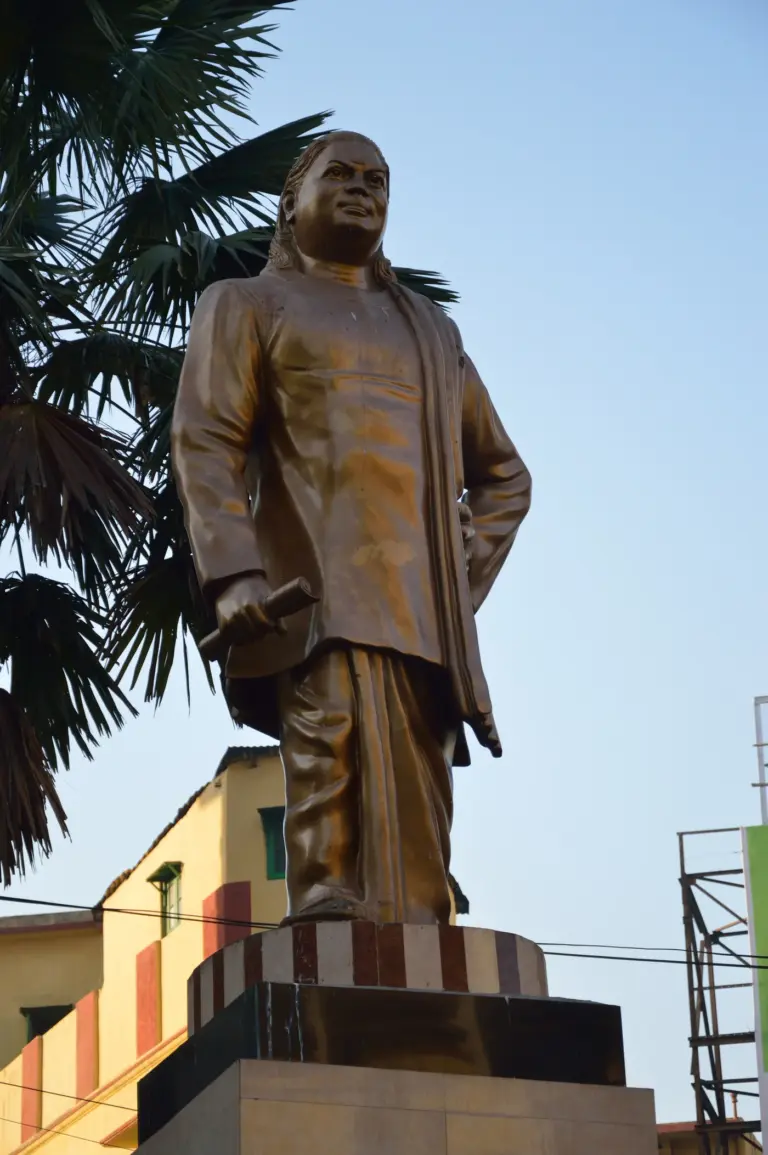
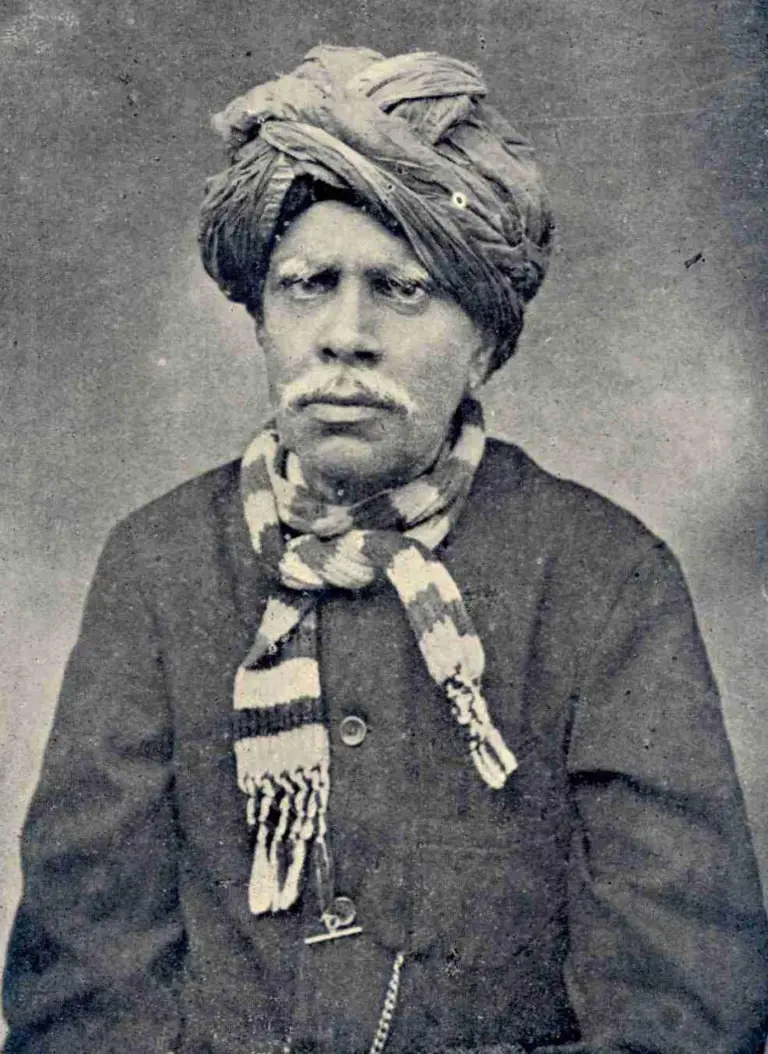
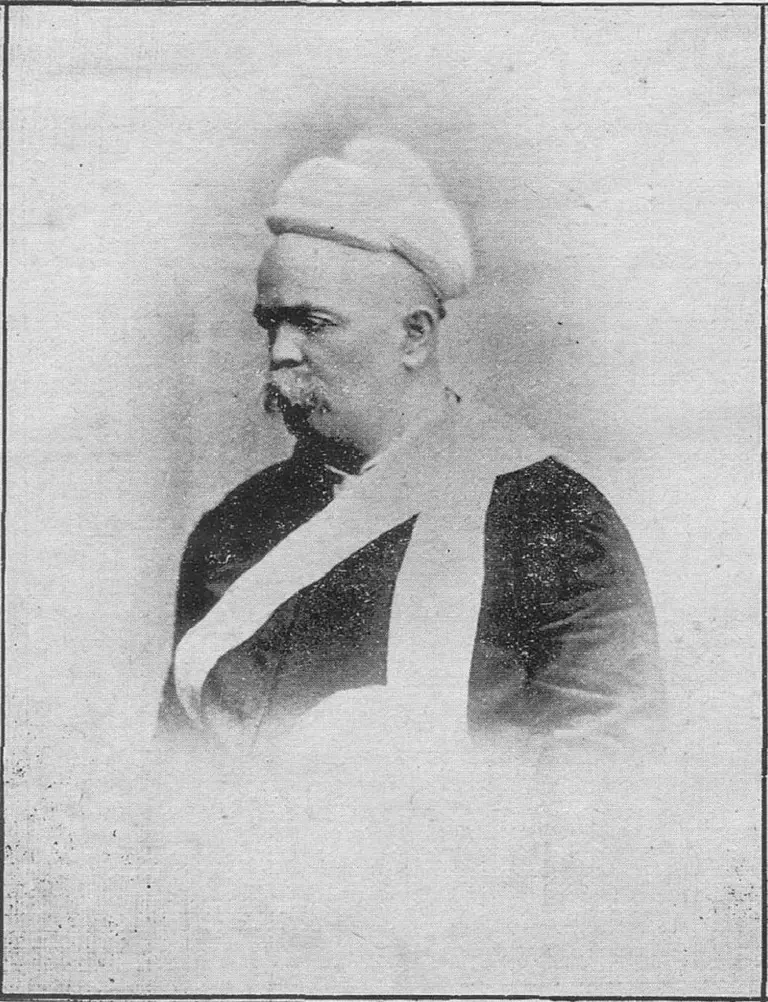
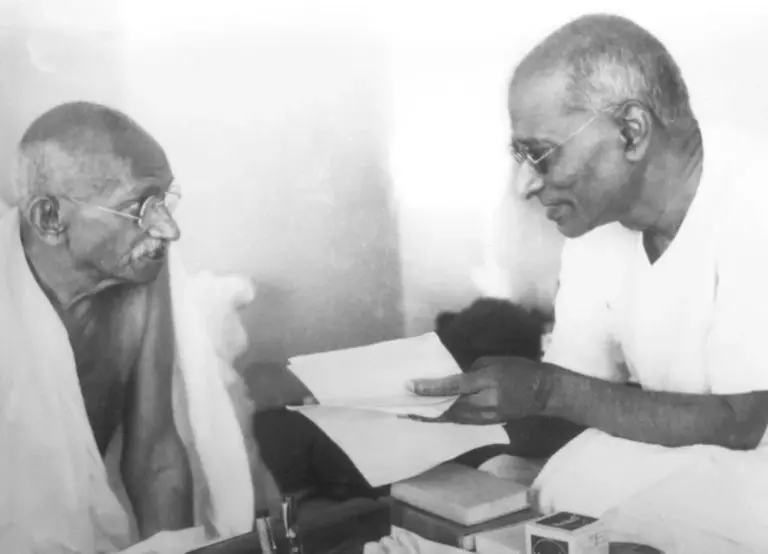
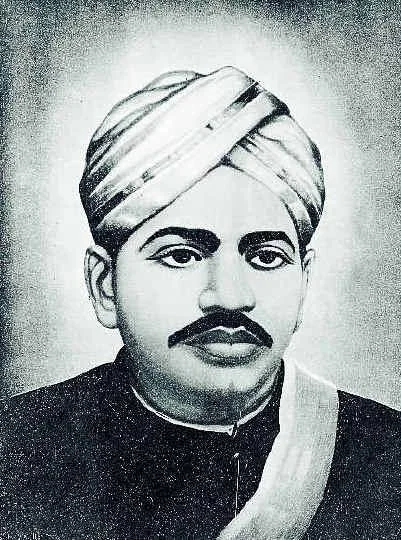
Lokmanya Bal Gangadhar Tilak (23 July 1856 – 1 August 1920) was a scholar, mathematician, journalist, and nationalist who pushed the Indian freedom movement from the drawing rooms of petition politics into the streets of mass mobilisation. British India administrator Valentine Chirol called him the “Father of Indian Unrest” — a label the colonial state meant as indictment, but which Indians came to wear as tribute. Tilak’s slogan, “Swaraj is my birthright, and I shall have it,” became the signature demand of the extremist phase of the Congress and the template for every nationalist slogan that followed.
For UPSC aspirants, Tilak sits at the centre of the modern history syllabus — linking the moderate era, the extremist turn, the Surat Split, the Home Rule agitation, and the cultural revival that fed the later Gandhian movement.
Early Life and Education
| Detail | Information |
|---|---|
| Born | 23 July 1856, Ratnagiri, Bombay Presidency |
| Father | Gangadhar Tilak (a Sanskrit scholar and schoolteacher) |
| Mother | Parvatibai |
| Education | Deccan College, Pune — BA in Mathematics (1877); LLB (1879) |
| Died | 1 August 1920, Bombay (aged 64) |
Tilak was born into a Chitpavan Brahmin family in the coastal town of Ratnagiri in present-day Maharashtra. He was one of the first generation of Indians to receive a modern college education, graduating from Deccan College with a mathematics degree before taking a law degree. He rejected a conventional government career, choosing instead the twin vocations that would define his life: education and journalism.
Educational Mission: The Deccan Education Society
In 1884, together with Gopal Ganesh Agarkar and Vishnushastri Chiplunkar, Tilak founded the Deccan Education Society in Pune. The society's purpose was to provide affordable, quality education to Indian youth rooted in both modern sciences and Indian cultural tradition. Its most enduring institution was Fergusson College, established in 1885 and still one of Pune's premier colleges.
Journalism: Kesari and Mahratta
In 1881, Tilak launched two newspapers that would become the loudspeakers of Indian nationalism in western India:
- Kesari ("The Lion") — in Marathi, aimed at the masses
- Mahratta — in English, aimed at the educated classes and colonial officials
Through Kesari, Tilak wrote editorials condemning British administration during the Bombay plague of 1897, the government's handling of the Bengal famines, and the paternalistic tone of British officialdom. His article on the plague administration led to the arrest and conviction of the Chapekar brothers, and Tilak himself was tried for sedition in 1897 and sentenced to 18 months' rigorous imprisonment. A second, more serious sedition case in 1908 sent him to Mandalay for six years.
Cultural Revivalism: Ganapati and Shivaji Festivals
Tilak understood that a freedom movement confined to English-educated elites would never free India. He sought vehicles that could carry political ideas to the illiterate majority. His solution was the reinvention of two public festivals:
Ganapati Utsav (1893)
Tilak transformed the Ganesh Chaturthi — until then a private household observance — into a ten-day public festival with community-organised pandals, processions, songs, and speeches. The festival gave Indians a legal reason to gather in large numbers, which colonial laws otherwise restricted. Political commentary was interwoven with religious observance.
Shivaji Jayanti (1895)
Tilak instituted the public celebration of Chhatrapati Shivaji’s birth anniversary to remind Maharashtrians — and Indians generally — of a native king who had resisted the Mughal empire. The festival offered Shivaji as a usable symbol of self-rule, military valour, and political virtue.
These festivals were both cultural revival and political mobilisation. Critics — including moderate leaders — accused Tilak of communalising nationalism. Defenders argued the festivals built mass participation in a way parlour politics could not.
The Lal-Bal-Pal Trio and the Extremist Turn
By the early 1900s, the Indian National Congress was splitting between moderates (petitioning, constitutional reform) and extremists (self-reliance, agitation, assertive demand for Swaraj). Tilak became the Maharashtra face of the extremist wing, aligned with Lala Lajpat Rai in Punjab and Bipin Chandra Pal in Bengal. Together they are remembered as the Lal-Bal-Pal trio.
The extremists championed the four-fold programme of:
- Swaraj (self-rule)
- Swadeshi (promotion of indigenous goods)
- Boycott (of British goods and institutions)
- National Education
The moderate-extremist rift culminated in the Surat Split of 1907, where the Congress session ended in chaos and the extremists walked out.
Mandalay Imprisonment and Gita Rahasya (1908–1914)
In 1908, Tilak was tried again for sedition — this time for Kesari articles defending the revolutionary Khudiram Bose. Defended by Muhammad Ali Jinnah, Tilak was nonetheless convicted and sentenced to six years of rigorous imprisonment in Mandalay jail, Burma.
In prison, Tilak wrote his most influential philosophical work, Shrimad Bhagavad Gita Rahasya (commonly called Gita Rahasya) — a commentary on the Bhagavad Gita that argued the text was a call to action (Karma Yoga) rather than a manual of renunciation. The work reframed Hindu philosophy as a basis for political activism and became widely read in nationalist circles.
Home Rule League (1916)
Released in 1914, Tilak rejoined the Congress and in April 1916 founded the Indian Home Rule League in Pune. Parallelly, Annie Besant launched her own Home Rule League in September 1916 from Madras. The two leagues operated in distinct geographies and coordinated nationally.
Key Demands of the Home Rule Movement
- Self-government within the British Empire (on the lines of Canada, Australia, Ireland)
- Expanded legislative councils with elected Indian majorities
- Greater Indianisation of the administration
The Home Rule agitation reactivated mass politics during World War I and is widely credited with preparing the ground for the Gandhian movements that followed.
The Lucknow Pact (1916)
In the same year, Tilak played a key role in reuniting Congress moderates and extremists and in negotiating the Lucknow Pact with the Muslim League under Jinnah. The pact accepted separate electorates for Muslims in exchange for Congress-Muslim League unity on political demands. It remains a controversial milestone in modern Indian history.
Swaraj Is My Birthright
Tilak's most famous pronouncement — "Swaraj is my birthright, and I shall have it" — was declared at a public speech. The formulation did three things at once:
- It asserted a claim rather than requesting a favour.
- It framed Swaraj as a natural right, not a colonial concession.
- It made independence the non-negotiable goal of Indian politics.
After 1916, no serious nationalist leader could settle for anything less.
Last Years and Death
Tilak travelled to England in 1918–1919 to lobby the British Labour Party for Indian self-government. He returned to India in late 1919 and died of pneumonia on 1 August 1920 in Bombay. Mahatma Gandhi called him the “Maker of Modern India”, and his funeral procession of over 200,000 people was one of the largest mass gatherings India had seen to that date. Gandhi’s Non-Cooperation Movement was launched within days of Tilak’s death.
Major Works by Tilak
| Work | Year | Theme |
|---|---|---|
| The Orion | 1893 | Antiquity of the Vedas through astronomical evidence |
| The Arctic Home in the Vedas | 1903 | Argued that the Vedic people originated in the Arctic region |
| Shrimad Bhagavad Gita Rahasya | 1915 (published) | Karma Yoga commentary on the Gita |
UPSC Relevance
GS1 (Modern History): Extremist phase of the Congress, Swadeshi movement, Surat Split, Home Rule League, Lucknow Pact.
GS1 (Indian Culture): Role of festivals in public life, Hindu philosophy and nationalism.
GS4 (Ethics): Leadership, public conviction, balancing tradition and reform.
Key Prelims facts:
- Born 23 July 1856 at Ratnagiri; died 1 August 1920 at Bombay
- Founded Kesari (Marathi) and Mahratta (English) newspapers in 1881
- Co-founded the Deccan Education Society in 1884 and Fergusson College in 1885
- Started public Ganapati festival (1893) and Shivaji Jayanti (1895)
- Part of the Lal-Bal-Pal trio (Lala Lajpat Rai, Bal Gangadhar Tilak, Bipin Chandra Pal)
- Sentenced to six years in Mandalay jail (1908–1914); defended by Jinnah
- Wrote Gita Rahasya during his Mandalay imprisonment
- Founded the Indian Home Rule League at Pune in April 1916
- Signed the Lucknow Pact with the Muslim League in 1916
- Famous slogan: "Swaraj is my birthright, and I shall have it"
- Titled "Lokmanya" ("accepted by the people") and called "Father of Indian Unrest" by Valentine Chirol
Tell Google you want more of this.
Add Anantam IAS as a preferred sourceOne tap, and this site shows up more often in your own Top Stories, AI Overviews and AI Mode. Remove it any time.