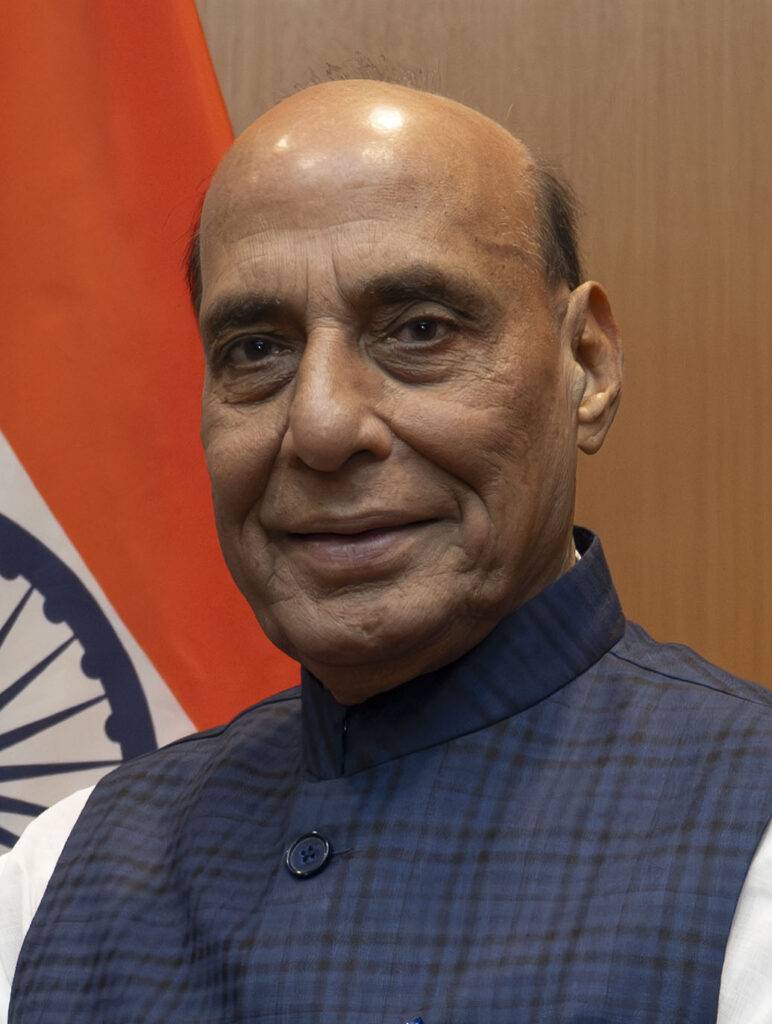
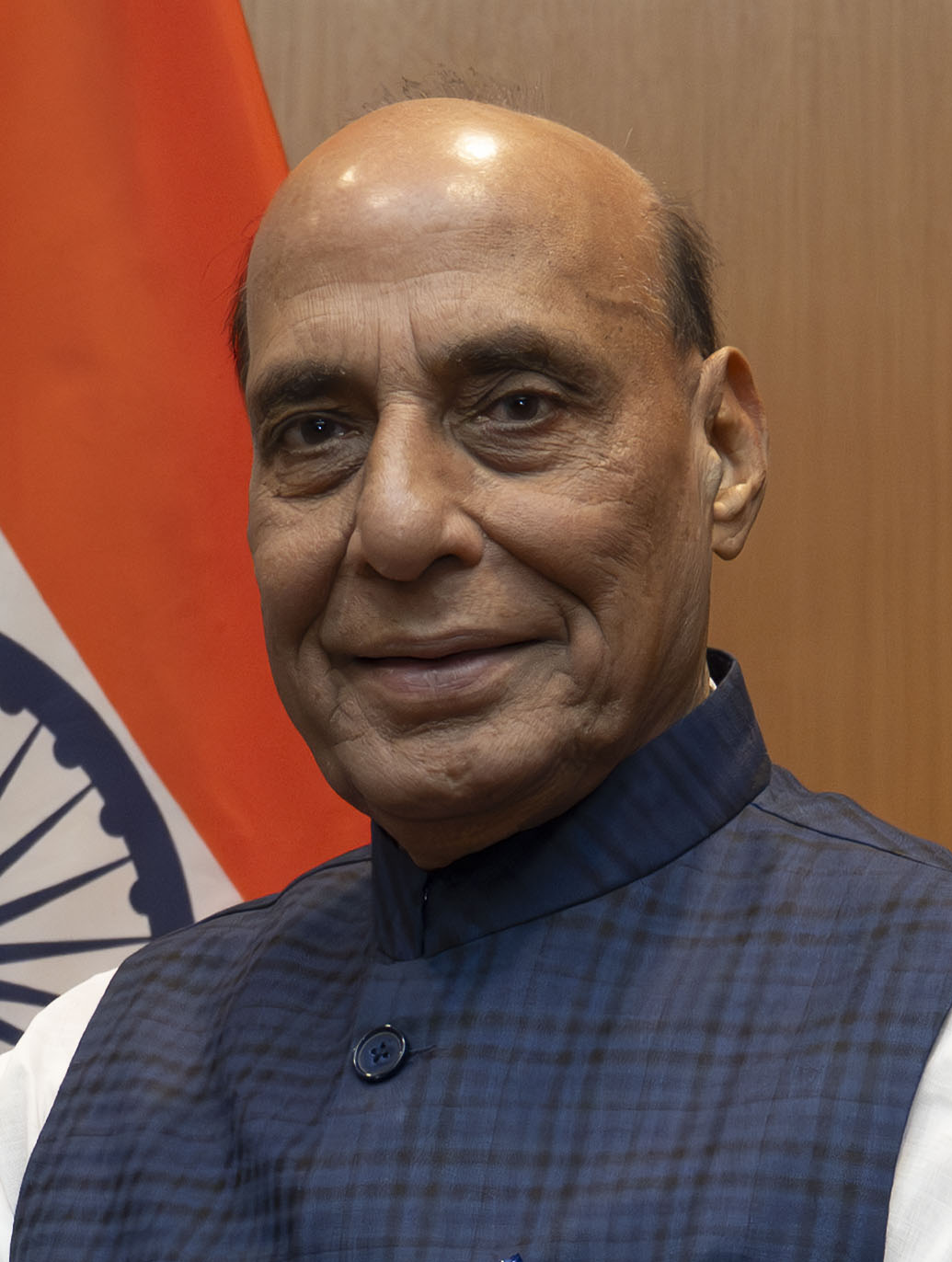
The Agnipath Scheme is the Government of India’s flagship reform of personnel recruitment into the armed forces, announced on 14 June 2022 by Defence Minister Rajnath Singh in the presence of the three service chiefs. The Agnipath Scheme replaces the long-established system of recruiting soldiers, sailors, and airmen for full pensionable careers of 17 years or more with a 4-year short-service contract, after which 25 percent of recruits (called Agniveers) are retained for regular service and the remaining 75 percent are released into civilian life with a lump-sum corpus called the Seva Nidhi package.
For UPSC GS-III aspirants studying internal security and defence personnel, the Agnipath Scheme is a topic that consistently appears in current affairs, prelims, and mains alike. It cuts across human resource policy, fiscal sustainability of the defence budget, civil-military relations, social and political mobilisation, and the strategic question of whether shorter tenures produce a younger and fitter force or a less experienced and less invested one.
This article walks through the Agnipath Scheme as announced, the rationale offered by the Ministry of Defence, the protests that followed in June 2022, the legal challenges, the implementation status in 2026, and the ongoing committee review that may reshape the scheme.
What the Agnipath Scheme Actually Says
The Agnipath Scheme applies to personnel below officer rank (PBOR) across the Army, Navy, and Air Force. It does not affect officer recruitment, which continues through the Indian Military Academy, Officers Training Academy, Naval Academy, and Air Force Academy.
Core Features
The Agnipath Scheme has the following core features:
- Recruitment age: 17.5 to 21 years. The upper limit was extended to 23 years as a one-time measure in 2022 because of the recruitment pause during COVID-19.
- Tenure: 4 years total, comprising 6 months of training and 3.5 years of service.
- Retention: Up to 25 percent of each Agniveer batch will be selected for permanent enrolment for a further 15 years, based on merit and organisational requirement.
- Release: 75 percent of Agniveers will be released after 4 years, without pension or gratuity, but with a Seva Nidhi corpus.
- Seva Nidhi package: Agniveers contribute 30 percent of monthly salary, matched by the government. After 4 years, an Agniveer receives approximately Rs 11.71 lakh as a tax-free corpus.
- Salary: Starts at Rs 30,000 per month in year one and rises to Rs 40,000 per month in year four (in-hand approximately Rs 21,000 to Rs 28,000 after Seva Nidhi contribution).
- Insurance: Rs 48 lakh life cover and Seva Nidhi credit of full corpus to next of kin in case of death.
- Allowances: Risk and hardship, dress, and travel allowances as applicable.
Eligibility and Selection
Educational eligibility for the Agnipath Scheme is the same as the pre-Agnipath recruitment model. Sailors and airmen require Class 12 with specified subjects depending on trade; soldier general duty requires Class 10. Selection is through the Common Entrance Examination conducted by the respective service, followed by physical efficiency tests and a medical board.
Why the Agnipath Scheme Was Introduced
The Ministry of Defence has cited multiple rationales for the Agnipath Scheme, which broadly cluster into demographic, fiscal, and operational arguments.
Demographic Profile of the Armed Forces
The Indian armed forces have one of the highest average ages among major militaries, at around 32 years for the Army. Defence planners have argued that a younger force is fitter, more adaptable to new technologies, and more aligned with the demands of high-altitude warfare. The Agnipath Scheme is expected to lower the average age to around 26 years within six to seven years of implementation.
Fiscal Sustainability
India’s defence pension bill has grown sharply since the implementation of One Rank One Pension (OROP) in 2015. Pensions now consume nearly a quarter of the defence budget. By limiting pensions to the 25 percent retained Agniveers (whose 15 years of regular service starts after the 4-year Agniveer tenure ends), the Agnipath Scheme is projected to reduce long-term pension liabilities significantly. This is the fiscal argument that has been emphasised by the Department of Military Affairs.
Civilian Re-Skilling
The Agnipath Scheme is also positioned as a national skilling initiative. Released Agniveers receive a certificate of service and a recognised skill credential, with reservations announced by the Ministry of Home Affairs (CAPFs, Assam Rifles), several state governments, public sector undertakings, and private industry. The Seva Nidhi corpus is intended to seed entrepreneurship or further education.
The 2022 Protests and Political Aftermath
The Agnipath Scheme triggered widespread protests in mid-June 2022, particularly in Bihar, Uttar Pradesh, Haryana, and Rajasthan. Aspirants who had cleared earlier recruitment stages but were awaiting final selection felt particularly aggrieved because the COVID-19 pause had left their applications in limbo, and the Agnipath Scheme effectively superseded the old recruitment process.
Nature of the Protests
The protests included attacks on railway property (multiple trains were set on fire), road blockades, and damage to public infrastructure. The Ministry of Railways estimated losses running into hundreds of crores. The intensity of the protests was a surprise to the government and reflected the deep economic anchor that military jobs represent in rural North India.
Government Response
The government responded with a series of concessions:
- One-time extension of the upper age limit to 23 years for 2022 recruitment
- 10 percent reservation in CAPFs and Assam Rifles for released Agniveers, with a 5-year age relaxation (10 years for the first batch)
- Reservations announced by Haryana, Uttarakhand, Madhya Pradesh, Uttar Pradesh, and other states in their police and home guard services
- Reservation in PSU recruitment, including in shipping, defence PSUs, and ordnance factories
The protests subsided over a few weeks, but Agnipath remained a politically salient issue and featured prominently in the 2024 general election campaign, particularly in Punjab, Haryana, and parts of UP.
Legal Challenges and the Supreme Court
Several writ petitions were filed in the Supreme Court and various High Courts challenging the Agnipath Scheme on grounds ranging from the absence of statutory backing to the impact on existing recruitment processes that had not been completed.
The Delhi High Court, in a judgment delivered on 27 February 2023, upheld the Agnipath Scheme as a policy decision of the government and rejected the petitions. The Court held that the scheme was a matter of policy in the domain of defence personnel, that no statutory rights of aspirants had been violated because no offer of appointment had been finalised under the old system, and that the courts should not interfere with executive policy on national security.
The Supreme Court declined to interfere with the Delhi High Court order, effectively closing the principal legal challenge to the Agnipath Scheme.
Implementation Status as of 2026

The first batch of Agniveers was enrolled in late 2022 and joined the three services in early 2023. By May 2026, the Indian Army has inducted approximately 1.7 lakh Agniveers across multiple batches; the Indian Navy and the Indian Air Force have inducted Agniveers in numbers proportionate to their authorised intake. Women Agniveers have been inducted into the Navy and the Air Force from the very first batch and into the Corps of Military Police in the Army.
Operational Feedback
Initial operational feedback from unit commanders has been mixed. Positive feedback includes the physical fitness, motivation, and tech-savviness of the younger cohort. Concerns raised include the 6-month training duration (compared to 37 weeks earlier for some trades), the impact on regimental cohesion in regiments organised around long service traditions, and the question of whether 4-year Agniveers develop the deep expertise required for technical trades, electronic warfare, signals, and armoured corps.
The 2024 Committee Review
The Ministry of Defence constituted a comprehensive committee in 2024 to review the Agnipath Scheme based on two years of implementation experience. The committee examined the retention percentage, training duration, age limits, and the structure of the Seva Nidhi package. The committee has reportedly considered increasing the retention percentage to up to 50 percent for technical trades, extending the training duration to nine to twelve months, and modestly enhancing the Seva Nidhi corpus.
How the Agnipath Scheme Fits the Larger Defence Reform Agenda
The Agnipath Scheme is one pillar of a broader personnel and structural reform agenda being driven by the Chief of Defence Staff and the Department of Military Affairs. The other major pillar is the theaterisation of the Indian military, which is reorganising single-service commands into joint theatres. Both reforms are interlinked: a younger Agniveer-heavy force is being designed simultaneously with a leaner integrated command structure.
The Agnipath Scheme also intersects with capability programmes. The personnel who will operate platforms like the Agni missile series, the BrahMos missile, and indigenous warships like INS Vikrant will increasingly come from the Agniveer pipeline. The skilling and re-employment dimension of the Agnipath Scheme is also expected to feed talent into defence PSUs and start-ups in the aerospace and defence ecosystem, including those developing platforms like the Kaveri engine.
Critiques of the Agnipath Scheme
The Agnipath Scheme has been critiqued on several grounds.
The first critique is that 4 years is too short to build the deep expertise required for modern warfighting, particularly in technical arms and air and naval combat trades. The training duration has been compressed, and the operational learning curve in a contemporary battlefield is steep.
The second critique is societal. Critics argue that releasing 75 percent of Agniveers into civilian life after 4 years, many with weapons training but limited civilian skill anchors, creates a security risk and economic uncertainty in regions where unemployment is already high. Supporters counter that the skilling and re-employment scaffolding answers this concern.
The third critique is institutional. Regimental cohesion, particularly in fixed-class and mixed-class regiments with long bonding traditions, may erode if 75 percent of recruits cycle out every four years. The Indian Army’s regimental ethos is partly built on inter-generational continuity that the Agnipath Scheme disrupts.
The fourth critique is fiscal. Critics have argued that the fiscal savings are overstated when set against the costs of repeated training cycles, the higher attrition rate, and the eventual settlement payouts to a much larger total cadre of ex-Agniveers compared to the older recruitment model.
Frequently Asked Questions
What is the Agnipath Scheme?
The Agnipath Scheme is the Indian government’s new recruitment model for personnel below officer rank in the Army, Navy, and Air Force, announced on 14 June 2022. It replaces the older system of full pensionable careers with a 4-year short-service contract, after which 25 percent of recruits are retained for further service and 75 percent are released with a Seva Nidhi corpus of approximately Rs 11.71 lakh.
Who is eligible for the Agnipath Scheme?
The Agnipath Scheme is open to Indian citizens between 17.5 and 21 years of age, with educational qualifications ranging from Class 10 to Class 12 depending on the trade. Selection is through the Common Entrance Examination, physical efficiency tests, and a medical board. Women Agniveers are inducted in the Navy, Air Force, and the Corps of Military Police.
What is the Seva Nidhi package?
The Seva Nidhi is a contributory corpus paid to Agniveers at the end of 4 years of service. The Agniveer contributes 30 percent of monthly salary; the government matches that contribution. At the end of the tenure, the Agniveer receives approximately Rs 11.71 lakh tax-free, plus accrued interest. This corpus is intended to fund further education, entrepreneurship, or transition to civilian employment.
How many Agniveers are retained after 4 years?
Up to 25 percent of each Agniveer batch will be selected for permanent enrolment for a further 15 years, based on merit, organisational requirement, and performance during the 4-year Agniveer tenure. The 2024 committee review has reportedly considered raising this retention percentage, particularly for technical trades.
Why did the Agnipath Scheme face protests in 2022?
The Agnipath Scheme triggered protests in June 2022 primarily because aspirants who had cleared earlier recruitment stages under the old system but were awaiting final selection felt their efforts had been nullified. The COVID-19 recruitment pause had created a backlog of aspirants. Protests were most intense in Bihar, UP, Haryana, and Rajasthan and included attacks on railway property.
Do Agniveers get pensions?
No. Agniveers released after 4 years do not receive pensions or gratuity. They receive the Seva Nidhi corpus and a service certificate. Only those selected for permanent enrolment for an additional 15 years become eligible for pensions and other long-service benefits applicable to regular soldiers, sailors, and airmen.
Has the Agnipath Scheme been challenged in court?
Yes. Multiple writ petitions challenged the Agnipath Scheme. The Delhi High Court upheld the scheme in February 2023 as a policy matter in the domain of executive discretion on national security. The Supreme Court declined to interfere with that judgment, effectively closing the principal legal challenge.
What does the 2024 committee review of the Agnipath Scheme cover?
The 2024 review, constituted by the Ministry of Defence, examined retention percentage, training duration, age limits, the Seva Nidhi package, and operational feedback from the three services. The committee reportedly considered raising the retention percentage to up to 50 percent for technical trades, extending training to nine to twelve months, and enhancing the corpus. The recommendations are at various stages of inter-ministerial consideration.
Tell Google you want more of this.
Add Anantam IAS as a preferred sourceOne tap, and this site shows up more often in your own Top Stories, AI Overviews and AI Mode. Remove it any time.