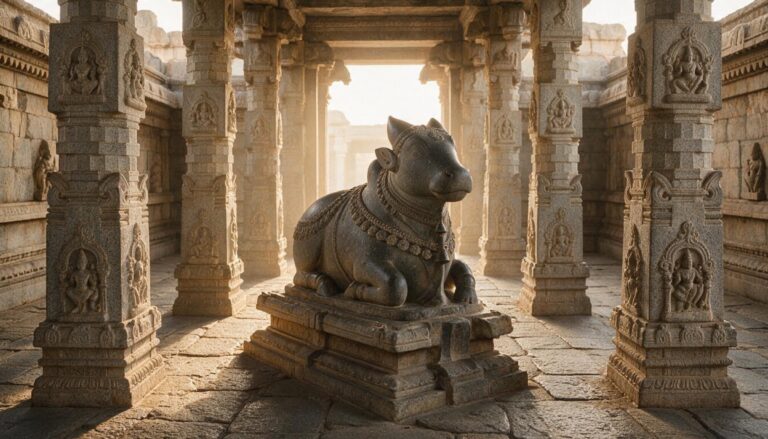
Veerabhadra Temple, Lepakshi: The Hanging Pillar and Vijayanagara Art
Veerabhadra Temple, Lepakshi explained: the hanging pillar, giant monolithic Nandi, Vijayanagara ceiling murals, the Virupanna legend, and its architecture.

Category
Everything published under Study Notes on Anantam IAS, newest first.
3454 articles
Veerabhadra Temple, Lepakshi explained: the hanging pillar, giant monolithic Nandi, Vijayanagara ceiling murals, the Virupanna legend, and its architecture.
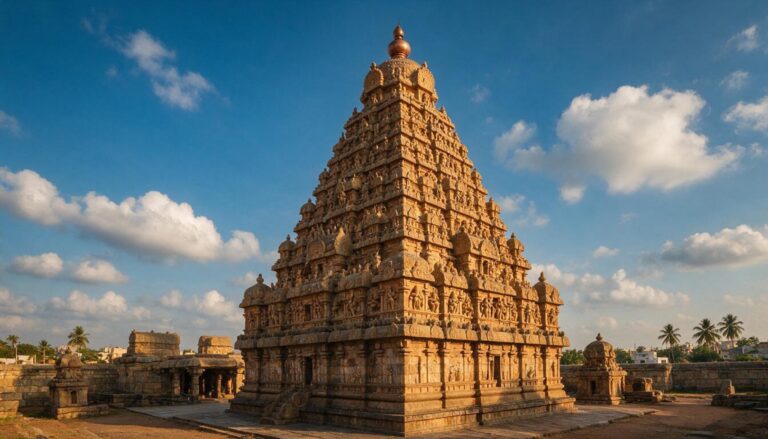
Gangaikonda Cholapuram explained: why Rajendra Chola built a new capital, its Brihadisvara temple vs Thanjavur, the UNESCO Chola temples, and its decline.
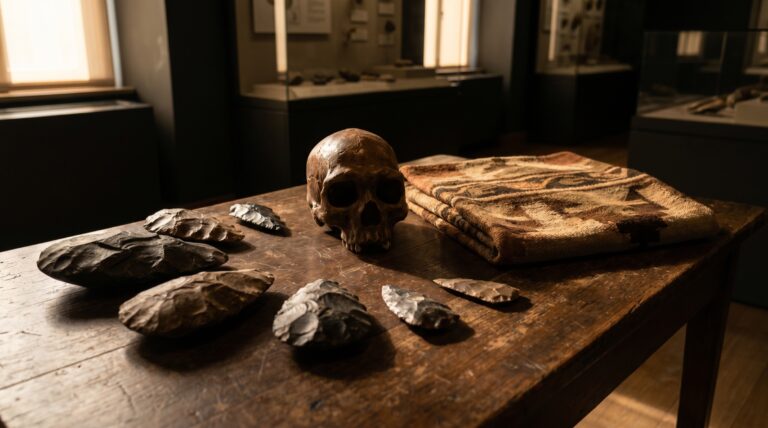
Free UPSC Anthropology optional notes: complete topic-wise PDFs for Paper 1 and Paper 2, mapped to the official syllabus with comparison tables, key terms…

The INF Treaty explained: how Reagan and Gorbachev scrapped every 500 to 5,500 km ground-launched missile, why the pact collapsed in 2019, and what…

Pocket veto, absolute veto and suspensive veto explained: what Article 111 lets the President do with a bill, why India has no qualified veto,…
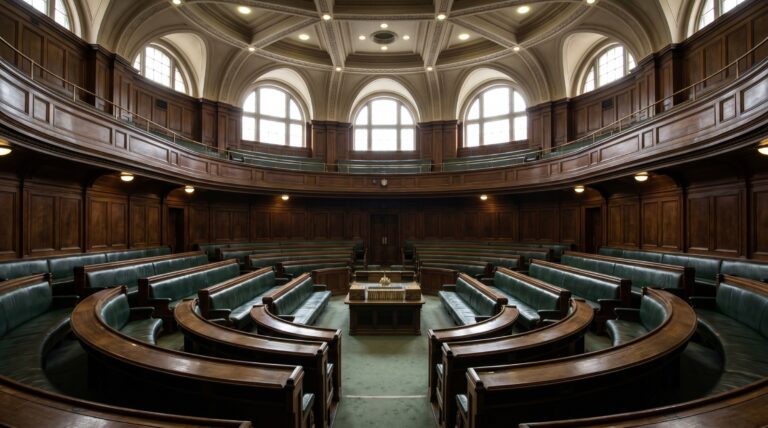
The whip in Parliament explained: what a whip is, the one-line, two-line and three-line types, disqualification under the Tenth Schedule, and where a whip…

Zonal Councils explained: the five statutory councils under the States Reorganisation Act 1956, their member states, composition, powers, and how they differ from the…

The Solicitor General of India explained: why it is not a constitutional post, the Law Officers Rules 1987, appointment by the ACC, duties, restrictions,…

The Advocate General of a State explained: Article 165 appointment by the Governor, qualification, duties, Article 177 rights, removal, and how the post differs…

The doctrine of repugnancy explained: Article 254, why the central law prevails, the President's assent exception under 254(2), the tests, and the leading cases.

The doctrine of eclipse explained: how Article 13(1) leaves a pre-Constitution law dormant not dead, the Bhikaji Narain Dhakras case, and when a law…

Quo warranto explained: what 'by what authority' means, the four conditions for a public office, why any person can file it, and what a…