
CBDT: The Central Board of Direct Taxes Explained
CBDT full form and meaning: the Central Board of Direct Taxes, its 1963 statutory basis, composition, functions, the new Income-tax Act 2025, and how…

Category
Everything published under Study Notes on Anantam IAS, newest first.
3454 articles
CBDT full form and meaning: the Central Board of Direct Taxes, its 1963 statutory basis, composition, functions, the new Income-tax Act 2025, and how…

MARCOS, the Indian Navy's Marine Commando Force: their 1987 raising, role in 26/11 and anti-piracy, brutal selection, and how they differ from Para SF…

Zoroastrianism and the Parsis explained: Zarathustra, Ahura Mazda, the Avesta, fire temples, Towers of Silence, the Sanjan migration and the Jiyo Parsi scheme.
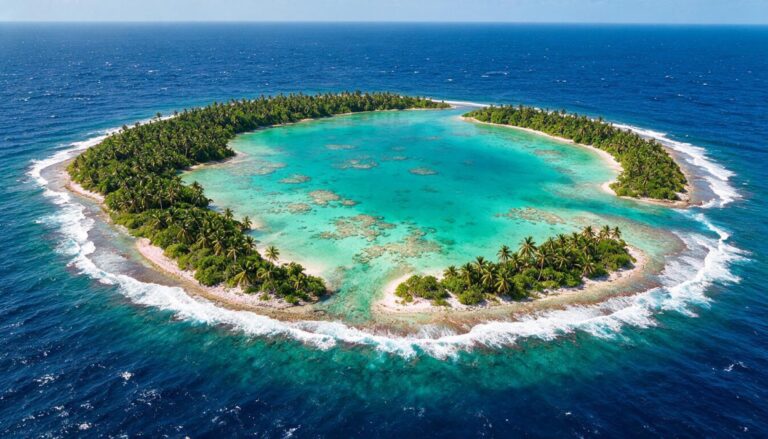
Diego Garcia explained: the Chagos Archipelago, the US military base, the BIOT carve-out, the ICJ 2019 opinion and the UK-Mauritius sovereignty deal.
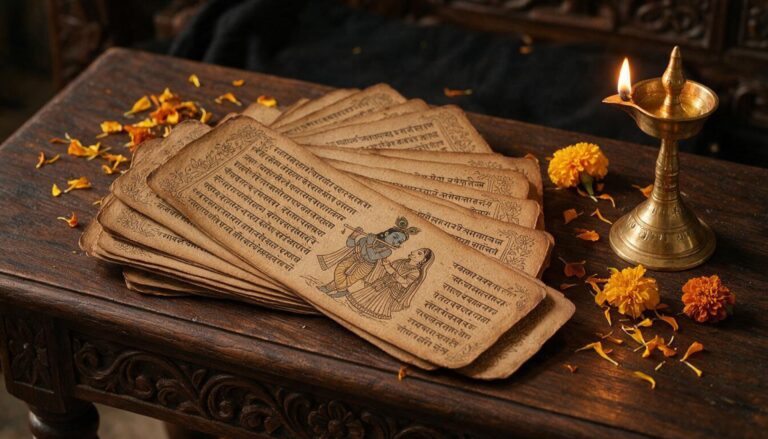
Tulsidas explained: the Ramcharitmanas in Awadhi, his place in the Bhakti movement, the Hanuman Chalisa and Vinaya Patrika, and his Banaras legacy.

Amartya Sen explained: the 1998 Nobel in welfare economics, the entitlement theory of famine, the capability approach, and his role in building the HDI.
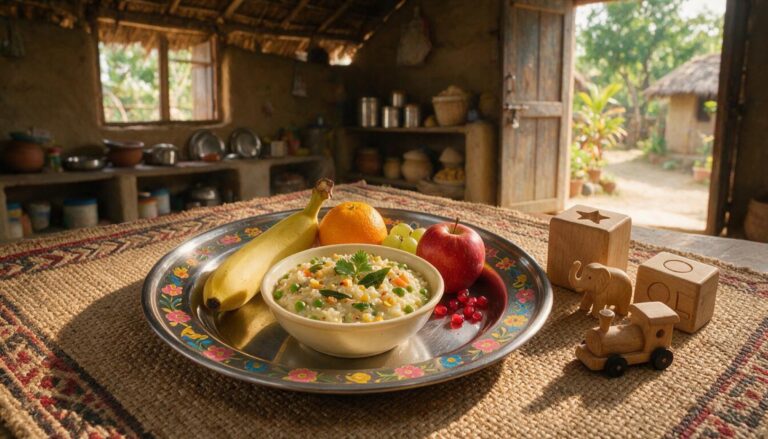
ICDS full form and explainer: the Anganwadi centre, ICDS six services, the 0-6 and pregnant-lactating target group, Saksham Anganwadi and Poshan 2.0, and Poshan…
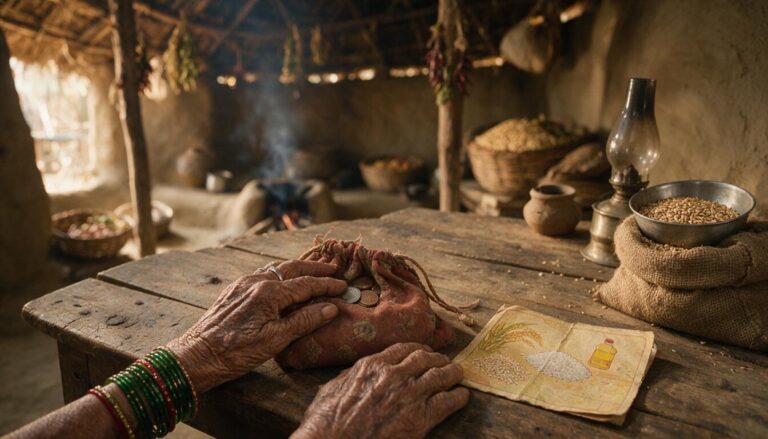
NSAP explained: the National Social Assistance Programme's five components, pension amounts, BPL eligibility, Article 41 basis, DBT delivery and criticisms.
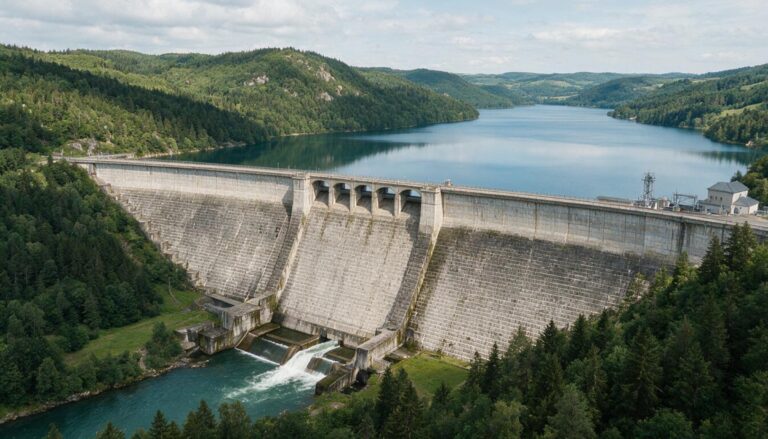
Bargi Dam, the Rani Avanti Bai Sagar project near Jabalpur, was the first big dam of the Narmada Valley Project. Its displacement, irrigation and…

Why India built the Farakka Barrage on the Ganga, how it flushes silt to save Kolkata port, and the 1996 India-Bangladesh Ganga Water Treaty…
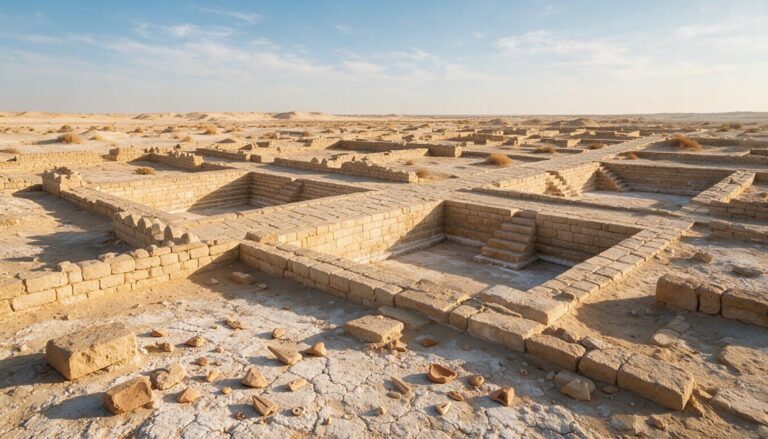
Dholavira explained: the Harappan water city of Kutch, its reservoirs and three-part plan, the ten-sign signboard, and India's 40th UNESCO World Heritage Site.
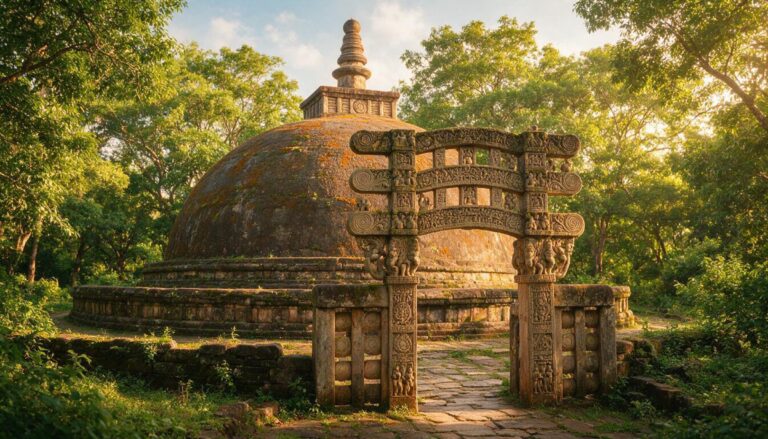
Sanchi Stupa explained: how Ashoka's Great Stupa was built and enlarged, the four toranas and their iconography, the aniconic Buddha, and its UNESCO status.