8 May 2026 Current Affairs for UPSC — every
Why-in-News article AnantamIAS published on Friday, 8 May 2026, broken down with
Why in News?, the exact GS paper it feeds, sub-topic mapping, MCQ-ready facts and a
UPSC-style practice question. 6 articles in total, covering Polity, Economy, Environment, S&T, IR, Geography, History, Society and Internal
Security — the same Why-in-News + GS-paper-mapping + practice-question format the Compass uses across
every daily digest on the site.
Daily current affairs for UPSC is where new material enters your prep stream. Read this
8 May 2026 digest end-to-end in 25–35 minutes, attempt the practice question
at the foot of each article (it's MCQ for some, 10/15-marker for others), then bookmark the entries
that fall inside your active revision window. Everything stays cross-linked: tap any subject pill to jump
to that subject's hub, or use the table of contents above to skip straight to a specific story.
Use this page three ways. Read sequentially for a one-sitting scan of everything that
mattered on 8 May 2026. Download the
8 May 2026 PDF below for offline study or print revision. Or use
the May 2026 Current Affairs compilation
to see this day in the month's full context. For the previous day's reading, see
7 May 2026 Current Affairs;
the next day's is 9 May 2026 Current Affairs.
Why we publish daily current affairs separately from the monthly compilation: daily is learning,
monthly is revision. Use the daily page to add fresh material to your notes the day it breaks;
come back to the May 2026 compilation 60 days before Prelims when the
noise has settled and only the lasting takeaway is worth re-reading.
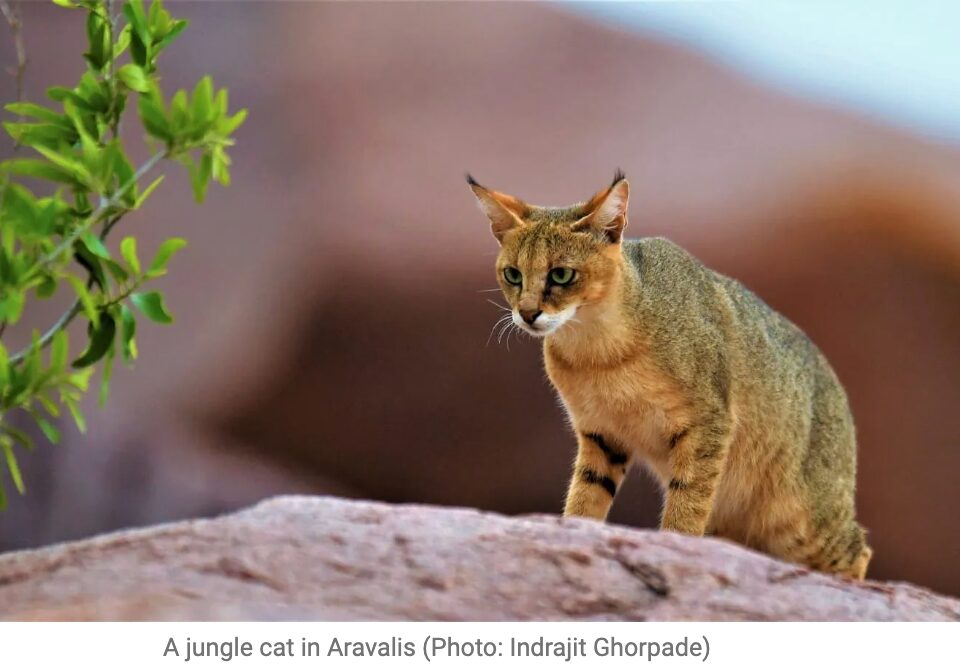
The recent sighting of a Rusty-spotted Cat and its kitten in the Aravalli landscape near Delhi has raised concerns over habitat fragmentation, urban expansion, and ecological degradation in one of India’s oldest mountain systems.
UPSC Relevance: GS-3 Environment and Biodiversity: Species in News
Prelims: Rusty-Spotted Cat
Key facts about Rusty-Spotted Cat:
The Rusty-spotted Cat is among the world’s smallest wild cat speciesand is native to the Indian subcontinent.
Distribution: India, Nepal, Sri Lanka
Physical Characteristics & Behaviour:
One of the smallest wild cats in the world. Weight: around 1-2 kg
Short greyish-brown fur with rusty spots.
Large eyes adapted for nocturnal behaviour.
Usually avoids direct human interaction.
Habitat: The species inhabits dry deciduous forests, scrub forests, grasslands, rocky terrains and thorn forests. Increasingly being recorded in agricultural and semi-urban areas.
Ecological role: Small wildcats are important mesopredators. They help regulate populations of rodents, small birds and insects. This contributes to agricultural pest control, food web stability and ecological balance.
Conservation Status of Rusty-Spotted Cat:
IUCN Status: Near Threatened
Protection Status in India: Schedule I of the Wildlife (Protection) Act, 1972
CITES: Appendix I
Indicator of Ecosystem Stress:
Increasing sightings of the species near human settlements may reflect their habitat shrinkage. It reflects the larger crisis of habitat fragmentation and unsustainable urbanisation in ecologically fragile landscapes like the Aravallis.
The conservation strategies must move beyond species-centric approaches and adopt integrated landscape conservation models, balancing biodiversity protection with developmental needs.
Practice MCQ:
Q. Consider the following statements regarding the Rusty-Spotted Cat:
1. It is one of the smallest wildcat species in the world.
2. It is endemic only to India.
3. It regulates the populations of rodents and small prey species.
Which of the statements given above is/are correct?
(a) 1 and 2 only
(b) 2 only
(c) 1 and 3 only
(d) 2 and 3 only
Answer: (c)
UPSC MCQ 2023
Q. Which one of the following makes a tool with a stick to scrape insects from a hole in a tree or a log of wood?
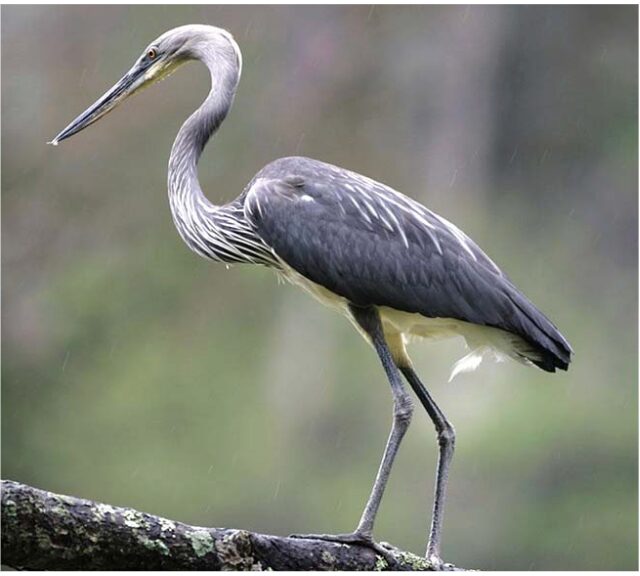
The 1200 MW Kalai-II Hydroelectric Project in Arunachal Pradesh has come under scrutiny for allegedly omitting the presence of the critically endangered White-Bellied Heron from project documents submitted for forest clearance.
UPSC Relevance: GS-3 Environment and Biodiversity: Conservation; GS-3 Economy: Infrastructure
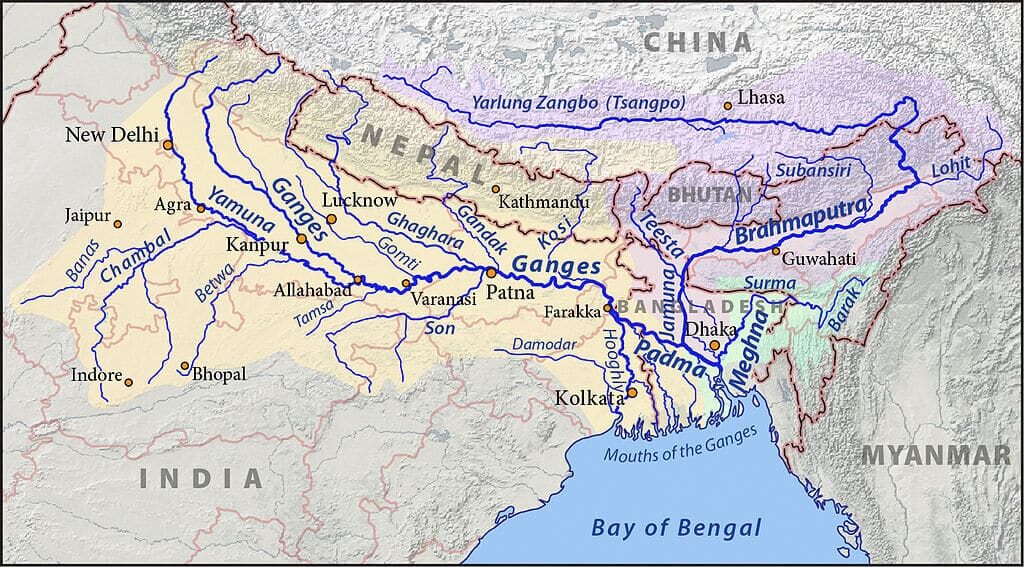
The run-of-the-river project is proposed on the Lohit River (tributary of the Brahmaputra) in Anjaw district, in Arunachal Pradesh, near the India-China border.
It will involve the construction of a 128.5 m concrete gravity dam and an underground powerhouse.
The Rs 14,176.26 crore project is being implemented by THDC India Ltd.
Significance of the Project:
Renewable Energy Boost: The 1200 MW project will annually generate 4852 million units (MU) of clean electricity. It aims to meet rising peak power demand and contribute to overall regional grid stability.
Accelerate development in the Lohit basin, stimulating local economic growth and supporting strategic infrastructure development.
Run-of-the-River project:
Run-of-the-river (RoR) hydroelectric projects generate electricity by harnessing the natural flow and elevation drop of a river, typically using little to no reservoir storage. Their operation involves diverting a portion of the river water to turbines for electricity generation.
Environmental Impact: Lower impact than conventional hydroelectric dams due to reduced land submergence and fewer displacement issues compared to large reservoir projects.
The project has received a recommendation for environmental clearance from the Environment Ministry’s expert appraisal committee on river valley and hydroelectric projects.
What are the Concerns?
Omission of White-Bellied Heron in the EIA: The Environmental Impact Assessment (EIA) report for the project did not mention the presence of White-Bellied Heron, despite records of the species in the Lohit River basin.
Forest Diversion: The project requires diversion of 869.35 hectares of semi-evergreen forest land. This may lead to habitat fragmentation, biodiversity loss, and increased human activity in ecologically sensitive zones.
Compensatory Afforestation outside Arunachal Pradesh: Compensatory afforestation has reportedly been proposed in Madhya Pradesh instead of Arunachal Pradesh because Arunachal already has more than two-thirds forest cover. Issues with this Approach:
Ecological characteristics cannot be replicated elsewhere
Riverine ecosystems are location-specific
Loss of biodiversity in the Northeast may not be offset by plantations elsewhere.
About White-Bellied Heron:
The White-bellied Heron is considered the world’s second-largest heron (~127 cm), and is found in the Eastern Himalayan foothills.
Primarily inhabits: undisturbed, free-flowing rivers and wetlands in Bhutan, Myanmar, and Northeast India (Arunachal Pradesh- Namdapha National Park and Assam).
Habitat: It inhabits quiet riverine systems, undisturbed forests, and wetlands in tropical/subtropical environments.
They are solitary birds highly sensitive to human disturbance, feeding on fish in rapids. The species is considered a bio-indicator of healthy river ecosystems.
Key Threats: Habitat loss due to dam construction, logging of nesting trees, hunting, and disturbance along riverine ecosystems.
Chicago-based Nuclear fuel company Clean Core Thorium Energy (CCTE) has completed high-burnup irradiation tests for its patented ANEEL fuel at the Idaho National Laboratory in the US. The fuel achieved a record burnup of over 60 GWd/MTU.
UPSC Relevance: GS-3 Science and Technology: Nuclear Technology
Fuel Composition: ANEEL (Advanced Nuclear Energy for Enriched Life) is a blend of Thorium and HALEU (High-Assay Low-Enriched Uranium). HALEU is defined as Uranium enriched to greater than 5% and less than 20% of the U-235 isotope.
Why combine Thorium with HALEU?
Thorium itself is not directly fissile. It is a fertile material because inside a reactor it absorbs neutrons and transforms into fissile uranium-233. The produced uranium-233 can then undergo fission and generate energy.
The reactors need a “driver fuel” to start and maintain neutron production. HALEU starts the reaction (provides the neutron flux), and Thorium gradually breeds new fuel. This creates a more efficient fuel cycle.
High-Burnup Rate of ANEEL Fuel:
Burnup Rate: Burnup measures how much energy is extracted from nuclear fuel before it is removed from the reactor. Simply: How efficiently was the Uranium/Thorium fuel used? It is measured in GWd/MTU. (GWd= Gigawatt-days of energy produced/ MTU= Metric Ton of Uranium fuel)
Conventional PHWR/CANDU reactors achieve approximately 7 GWd/MTU.
ANEEL fuel achieved a record burnup of over 60 GWd/MTU. This is more than eight times the typical discharge burnup of traditional Pressurised Heavy Water Reactors (PHWR).
Key Advantages of ANEEL Fuel:
Reduced Nuclear Waste: Higher burnup rate means more fuel is consumed and less spent fuel remains. This cuts waste volumes and operational costs significantly.
Better Efficiency: Since fuel lasts longer, fewer refuelling shutdowns are needed, and operational efficiency will improve. Implementing ANEEL fuel is expected to drop electricity costs by 20-30%.
No Reactor Modifications: The fuel is designed as a drop-in replacement that can be used in existing PHWR fleets without needing any reactor modifications.
Proliferation Resistance: The Thorium-HALEU blend results in spent fuel that is inherently more difficult to use for weapons, addressing proliferation concerns.
Significance of ANEEL Fuel for India:
Boosts US-India Civil Nuclear Cooperation:
Nuclear fuel company CCTE is only the second American company to have secured an export license from the US Department of Energy to sell nuclear technology to India in nearly two decades.
Apart from exploring the development and deployment of ANEEL fuel in India, state-owned NTPC Ltd (India) and CCTE intend to collaborate for exploring the possible indigenisation of its manufacturing with local supply chain development, establishing a supply chain for HALEU, and the supply of Uranium to India with sovereign guarantee.
ANEEL as an Accelerator to India’s Nuclear Program: ANEEL provides a shortcut: rather than waiting for Fast Breeder Reactors (FBRs) to breed U-233 from Thorium, it introduces Thorium into the fuel cycle now using existing PHWRs and HALEU as the driver fuel. This is a practical near-term bridge to Thorium utilisation while Stage-II FBRs face delays.
The SHANTI (Sustainable Harnessing and Advancement of Nuclear Energy for Transforming India) Act, 2025, allows private companies to participate in nuclear operations. This is a major governance shift that directly enables CCTE-type partnerships.
Associated Challenges:
HALEU Supply Chain Risk: HALEU is currently produced at scale only in Russia and China. The US has only limited production. Dependence on foreign-origin HALEU could substitute one import dependency (Uranium) for another (enriched fuel), raising energy security questions.
Open Fuel Cycle Limitation: HALEU-thorium blend in ANEEL is an open cycle fuel, i.e., the spent fuel is not amenable to reprocessing, and so it cannot be easily recycled. This differs from India’s traditional closed fuel cycle vision.
Compatibility & Regulatory Hurdles: No operational power reactor in the world currently uses HALEU as fuel. India’s existing PHWRs were designed for natural uranium. Deployment requires clearances from the Atomic Energy Regulatory Board (AERB) and potentially the IAEA. Testing in a commercial power reactor is still pending.
Q. With growing energy needs, should India keep on expanding its nuclear energy programme? Discuss the facts and fears associated with nuclear energy.
UPSC Mains PYQ 2017
Q. Give an account of the growth and development of nuclear science and technology in India. What is the advantage of the fast breeder reactor programme in India?
UPSC PYQ 2023
Q. Consider the following statements:
Statement I: India, despite having uranium deposits, depends on coal for most of its electricity production.
Statement-II: Uranium, enriched to the extent of at least 60%, is required for the production of electricity.
Which one of the following is correct in respect of the above statements?
(a) Both Statement I and Statement II are correct and Statement II is the correct explanation for Statement I
(b) Both Statement-I and Statement-II are correct and Statement-II is not the correct explanation for Statement-I
(c) Statement I is correct but Statement II is incorrect
(d) Statement I is incorrect but Statement II is correct
Answer: (c)
UPSC PYQ 2016
Q. India is an important member of the ‘International Thermonuclear Experimental Reactor’. If this experiment succeeds, what is the immediate advantage for India?
(a) It can use thorium in place of uranium for power generation
(b) It can attain a global role in satellite navigation
(c) It can drastically improve the efficiency of its fission reactors in power generation
(d) It can build fusion reactors for power generation
Severe wildfires recently affected the Nilgiris district of Tamil Nadu and adjoining forest regions such as Mudumalai, Coimbatore, and Erode divisions. The fires became intense enough to require assistance from the Indian Air Force for aerial firefighting operations.
A forest fire is an uncontrolled fire occurring in forests, grasslands, or other natural ecosystems. Forest fires can occur naturally or due to human activities.
Types of Forest Fires
Type
Description
Surface Fire
Burns dry leaves, grass, and low vegetation on the forest floor
Ground Fire
Burns organic matter beneath the soil surface
Crown Fire
Spreads through the canopy or treetops and is highly destructive
The Nilgiris fires largely involved surface fires that spread rapidly under windy and dry conditions.
Why are the Nilgiris Vulnerable to Wildfires?
Seasonal Fire Conditions
The period from February to May is traditionally the fire season in the Nilgiris region due to:
Dry vegetation
Reduced soil moisture
High temperatures
Strong winds
These conditions create highly combustible landscapes.
Climatic Factors
This year witnessed:
Early and intense summer heat
Low humidity
Strong winds carrying embers across firelines
Such conditions allowed fires to spread faster and burn longer.
Accumulated Biomass and Invasive Species
In areas such as Pykara, accumulated dry biomass and invasive undergrowth intensified the fires.
Invasive species often:
Increase fuel load
Reduce soil moisture
Alter local ecosystem balance
Species such as wattle and eucalyptus plantations in the Nilgiris are frequently associated with increased fire vulnerability.
Difficult Terrain
The Nilgiris consist of:
Steep slopes
Dense forests
Limited road connectivity
This makes firefighting operations difficult and delays movement of personnel and equipment.
Human-Induced Causes
Although climatic conditions worsen fires, many forest fires are linked to human activities.
Traditional Livelihood Practices
Certain local activities contribute unintentionally to fire spread:
Tribespeople collect dry grass and forest materials for making brooms.
Herders sometimes burn dry grasslands to stimulate fresh fodder growth.
These practices are often linked to livelihoods and traditional land-use patterns.
Accidental Causes
Discarded cigarette butts
Campfires
Careless tourism activities
can trigger fires during dry seasons.
Controlled Burning Mismanagement
The article notes that one blaze reportedly spread after a controlled burn by Kerala forest officials without proper coordination with Tamil Nadu authorities.
This highlights the need for interstate coordination in ecological management.
Deliberate Fire Setting
Some officials suspected intentional fire-setting linked to local resentment over unresolved issues such as human-wildlife conflict and tiger-related deaths.
Ecological Importance of the Nilgiris
The Nilgiris form part of the Western Ghats, one of the world’s biodiversity hotspots.
Ecological Significance
Home to endemic flora and fauna
Important elephant and tiger habitats
Crucial watershed region
Regulates regional climate and rainfall patterns
Protected areas in the region include:
Mudumalai Tiger Reserve
Mukurthi National Park
Nilgiri Biosphere Reserve
Impact of Forest Fires
Loss of Biodiversity
Fires destroy:
Vegetation
Nesting habitats
Microorganisms
Wildlife corridors
Many slow-moving animals and endemic species are particularly vulnerable.
Soil Degradation
Forest fires:
Reduce soil fertility
Increase erosion
Damage microbial activity
This weakens long-term ecosystem recovery.
Air Pollution
Wildfires release:
Carbon dioxide
Particulate matter
Toxic gases
This worsens air quality and contributes to climate change.
Human-Wildlife Conflict
Fires force animals to move closer to human settlements in search of food and water, increasing conflict risks.
Economic and Livelihood Losses
Local communities dependent on forests face:
Loss of resources
Reduced grazing areas
Livelihood insecurity
Tourism in ecologically sensitive regions may also suffer.
Climate Change and Forest Fires
Rising Baseline Risk
Climate change increases:
Average temperatures
Frequency of heatwaves
Dry spells
Variability in rainfall
These conditions raise the probability and intensity of forest fires.
Climate Variability vs Climate Change
The article importantly highlights that climate variability itself is becoming a major risk factor.
Even without long-term climatic shifts,:
unusually hot summers,
delayed rainfall,
and changing wind patterns
can create extreme fire conditions.
Global Trend
Forest fires are becoming more frequent globally in regions such as:
California (USA)
Australia
Canada
Mediterranean Europe
India is also increasingly experiencing prolonged fire seasons.
India’s Forest Fire Management Mechanisms
Forest Survey of India (FSI)
FSI provides:
Real-time fire alerts
Satellite monitoring
Fire vulnerability mapping
National Action Plan on Forest Fires (2018)
Objectives include:
Prevention
Detection
Rapid response
Community participation
Disaster Management Framework
Forest fires are managed through coordination among:
State forest departments
National Disaster Response Force (NDRF)
Indian Air Force (in severe cases)
Community Participation
Local communities are often the first responders during forest fires.
Traditional ecological knowledge plays an important role in:
Early detection
Fire containment
Sustainable forest use
Challenges in Forest Fire Management
Inadequate Infrastructure
Many forest divisions lack:
Modern firefighting equipment
Sufficient manpower
Rapid mobility systems
Weak Interstate Coordination
Forest ecosystems cross administrative boundaries, but coordination among States often remains inadequate.
Livelihood Dependence
Restricting fire-linked activities without providing alternatives may adversely affect tribal and rural communities.
Invasive Species Proliferation
Unchecked spread of invasive vegetation increases fire intensity.
Climate Uncertainty
Traditional fire management strategies are becoming less effective under rapidly changing climatic conditions.
Way Forward
Strengthening Early Warning Systems
Use of Satellite monitoring, AI-based fire prediction, Weather forecasting, can improve preparedness and response time.
Landscape-Level Fire Management
Forest fire management should move beyond reactive firefighting towards:
ecosystem restoration,
fuel management,
and long-term ecological planning.
Managing Invasive Species
Removal and control of invasive plants can reduce fuel loads and improve ecosystem resilience.
Community-Centric Conservation
Forest-dependent communities should be integrated into:
planning,
monitoring,
and fire prevention strategies.
Alternative livelihood support can reduce risky practices.
Interstate Coordination
States sharing forest ecosystems must establish:
joint protocols,
shared communication systems,
and coordinated controlled-burning practices.
Climate Adaptation Strategies
Forest management policies must integrate climate adaptation measures through:
ecological restoration,
water conservation,
and biodiversity protection.
Improving Firefighting Capacity
Investment is needed in:
aerial firefighting systems,
specialised forest fire units,
modern protective equipment,
and rapid deployment infrastructure.
Prelims Practice Questions
1. Consider the following statements regarding forest fires in India:
Surface fires burn dry vegetation on the forest floor.
Crown fires spread through the canopy of trees.
Forest fires in India occur only due to natural causes.
Which of the statements given above are correct?
(a) 1 and 2 only (b) 2 and 3 only (c) 1 only (d) 1, 2 and 3
Answer: (a)
2. The Nilgiri Biosphere Reserve is spread across which of the following States?
Tamil Nadu
Kerala
Karnataka
Select the correct answer using the code below:
(a) 1 and 2 only (b) 2 and 3 only (c) 1 and 3 only (d) 1, 2 and 3
Answer: (d)
3. Which of the following factors increase the vulnerability of forests to wildfires?
Accumulation of dry biomass
Invasive vegetation
Prolonged dry conditions
Strong winds
Select the correct answer using the code below:
(a) 1 and 2 only (b) 1, 2 and 3 only (c) 2, 3 and 4 only (d) 1, 2, 3 and 4
Answer: (d)
Mains Practice Questions
Critically examine the role of climate variability and human activities in intensifying forest fires in ecologically sensitive regions such as the Nilgiris.
Discuss the increasing frequency and intensity of forest fires in India in the context of climate change and ecological degradation.
Examine the challenges in forest fire management in India. Suggest a long-term strategy for building climate-resilient forest ecosystems.
“Forest fire management requires both ecological planning and community participation.” Analyse.
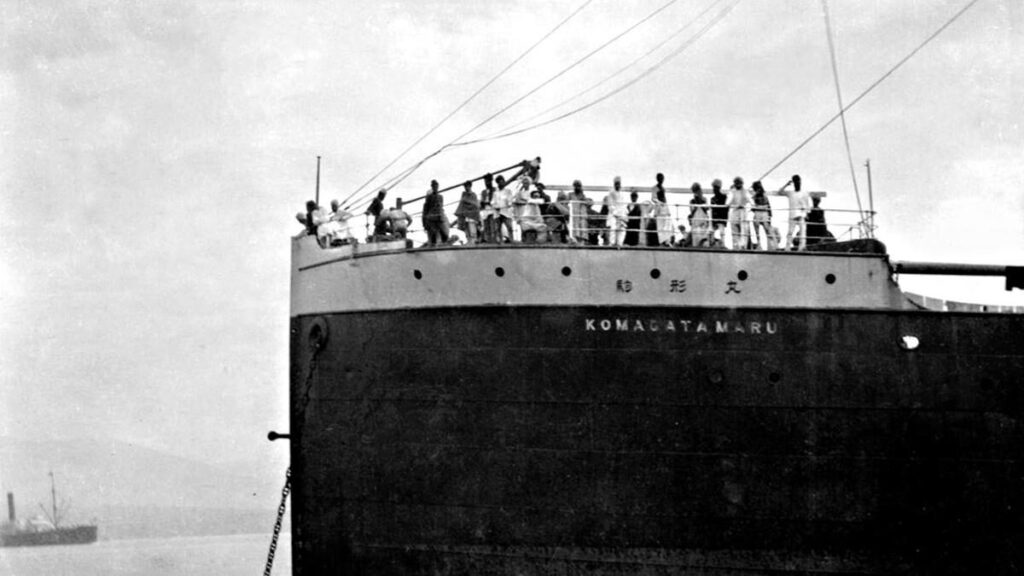
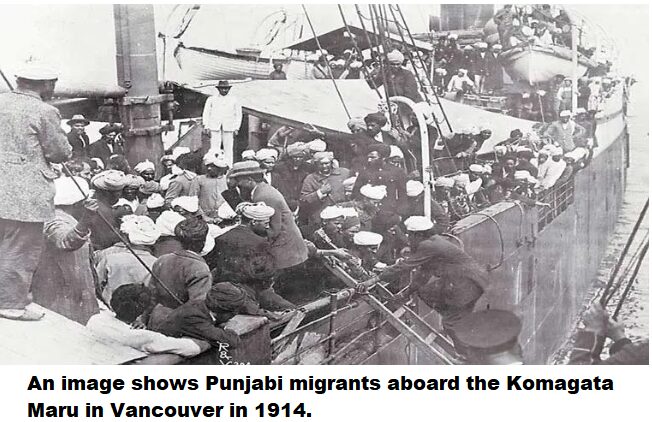
The Komagata Maru incident recently came into public discussion after Diljit Dosanjh mentioned it during his appearance on The Tonight Show Starring Jimmy Fallon, drawing attention to this historic episode.
UPSC Relevance
GS-I: Modern Indian History, Freedom Struggle, Revolutionary Movements
GS-II: Indian Diaspora, Citizenship, Migration, Human Rights
GS-IV: Justice, Equality, Human Dignity, Ethical Governance
What is the Komagata Maru Incident?
The Komagata Maru incident was a major event in the history of Indian migration, colonial discrimination, and the freedom struggle. It involved a Japanese ship, the Komagata Maru, carrying Indian passengers to Canada in 1914, where they were denied entry despite being British subjects.
The incident exposed the racial discrimination practiced within the British Empire and became an important turning point in the growth of anti-colonial nationalism, especially among overseas Indians.
Historical Background
Punjab and Migration under British Rule
By the early 20th century, Punjab had become the main recruitment centre for the British Indian Army. The British portrayed Punjabis, especially Sikhs, as a “martial race” and heavily recruited them into the army.
However, Punjab also faced:
Rural indebtedness due to loans and land pressure.
Agricultural distress and epidemics such as plague and malaria.
Limited economic opportunities.
As a result, many Punjabis migrated abroad in search of employment and better living conditions, especially to:
Canada
United States
Southeast Asia
Most migrants were peasants, labourers, and retired soldiers from districts such as Jalandhar and Hoshiarpur.
Rise of the Ghadar Movement
Indian migrants in North America experienced severe racial discrimination despite being subjects of the British Empire. This led to growing anti-colonial sentiment.
In 1913, expatriate Indians established the Ghadar Party in the United States.
Features of the Ghadar Movement
It aimed to overthrow British rule through armed revolution.
It united Sikhs, Hindus, and Muslims.
It published the newspaper “Ghadar” with strong anti-British messaging.
It inspired revolutionary nationalism among overseas Indians.
Important leaders included:
Lala Har Dayal
Kartar Singh Sarabha
The Komagata Maru voyage became closely linked with the Ghadar movement because activists boarded the ship during its journey and spread revolutionary ideas among passengers.
The Komagata Maru Voyage
Objective of the Voyage
The voyage was organised by Gurdit Singh, a Sikh businessman based in Singapore.
His aim was to challenge Canada’s discriminatory immigration laws.
Canada had introduced the “Continuous Journey Regulation” in 1908.
According to this rule:
Migrants could enter Canada only if they arrived through a continuous direct journey from their country of origin.
Since no direct ship service existed from India to Canada, Indians were effectively excluded.
The law was specifically designed to restrict Asian immigration without openly mentioning race.
The Vancouver Standoff (1914)
The ship reached Vancouver on May 23, 1914.
However:
Canadian authorities refused passengers permission to disembark.
The ship remained stranded in the harbour for nearly two months.
Food and water supplies were restricted.
Legal appeals by the Indian community failed.
The local Indian community in Canada raised money and fought legal battles, but Canadian courts upheld the exclusionary policy.
When authorities attempted to forcibly board the ship:
Passengers resisted using coal and scrap materials.
The Canadian government deployed a naval cruiser to pressure the ship.
Eventually only 22 passengers were allowed entry. The remaining passengers were forced to leave Canada.
Return to India and Budge Budge Incident
When the ship returned near Calcutta (now Kolkata) in September 1914, British authorities suspected passengers of revolutionary links with the Ghadar movement.
At Budge Budge confrontation:
Passengers resisted forced transportation to Punjab.
British police opened fire.
As a result:
Around 20 passengers were killed.
Many were arrested and imprisoned.
Gurdit Singh escaped initially but later surrendered after advice from Mahatma Gandhi.
Impact of the Incident
Growth of Revolutionary Nationalism
The incident intensified anti-British feelings among Indians, especially overseas communities.
It strengthened:
The Ghadar movement.
Revolutionary nationalism in Punjab.
Anti-colonial political consciousness.
Many Ghadar revolutionaries later attempted armed uprisings against British rule during World War I.
Exposure of Colonial Hypocrisy
The incident revealed the contradiction within the British Empire:
Indians were treated as British subjects when serving imperial interests.
But denied equal rights in dominions such as Canada.
It exposed:
Racial discrimination.
Limits of imperial citizenship.
Exclusionary immigration policies.
Influence on Indian Freedom Movement
The incident inspired several revolutionaries.
Bhagat Singh is believed to have admired Ghadar revolutionary Kartar Singh Sarabha deeply.
The event became a symbol of:
Resistance against racial injustice.
Overseas Indian nationalism.
Colonial oppression.
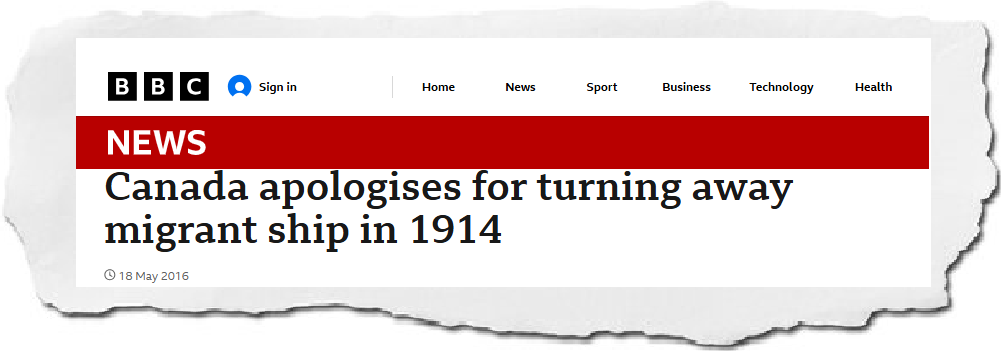
Canada’s Apology
For many decades, Canada did not officially acknowledge the injustice.
In 2016, Canadian Prime Minister Justin Trudeau formally apologised in the Canadian Parliament for the Komagata Maru incident.
The apology recognised:
The racial discrimination faced by Indian migrants.
Canada’s exclusionary policies of the past.
Significance of the Incident
The Komagata Maru incident remains important because it highlights:
Colonial racism within the British Empire.
The role of the Indian diaspora in the freedom struggle.
Early resistance against discriminatory immigration policies.
The connection between migration and nationalism.
It also reflects how overseas Indians contributed significantly to India’s anti-colonial movement.
Practice Questions
Prelims Practice Questions
1. With reference to the Komagata Maru incident, consider the following statements:
The incident took place during the First World War period.
The passengers were denied entry into Canada because of discriminatory immigration laws.
The voyage was closely associated with the Ghadar movement.
Which of the statements given above are correct?
(a) 1 and 2 only (b) 2 and 3 only (c) 1 and 3 only (d) 1, 2 and 3
Correct Answer:
(d) 1, 2 and 3
2. The “Continuous Journey Regulation” was associated with:
(a) Restricting Indian migration to South Africa (b) Preventing direct trade between India and Canada (c) Restricting Asian immigration into Canada (d) Imposing taxes on Indian labourers abroad
Correct Answer:
(c) Restricting Asian immigration into Canada
3. The Ghadar Party was founded primarily to:
(a) Promote constitutional reforms in India (b) Support Indian soldiers in World War I (c) Overthrow British rule in India through revolutionary means (d) Demand separate electorates for Indians abroad
Correct Answer:
(c) Overthrow British rule in India through revolutionary means
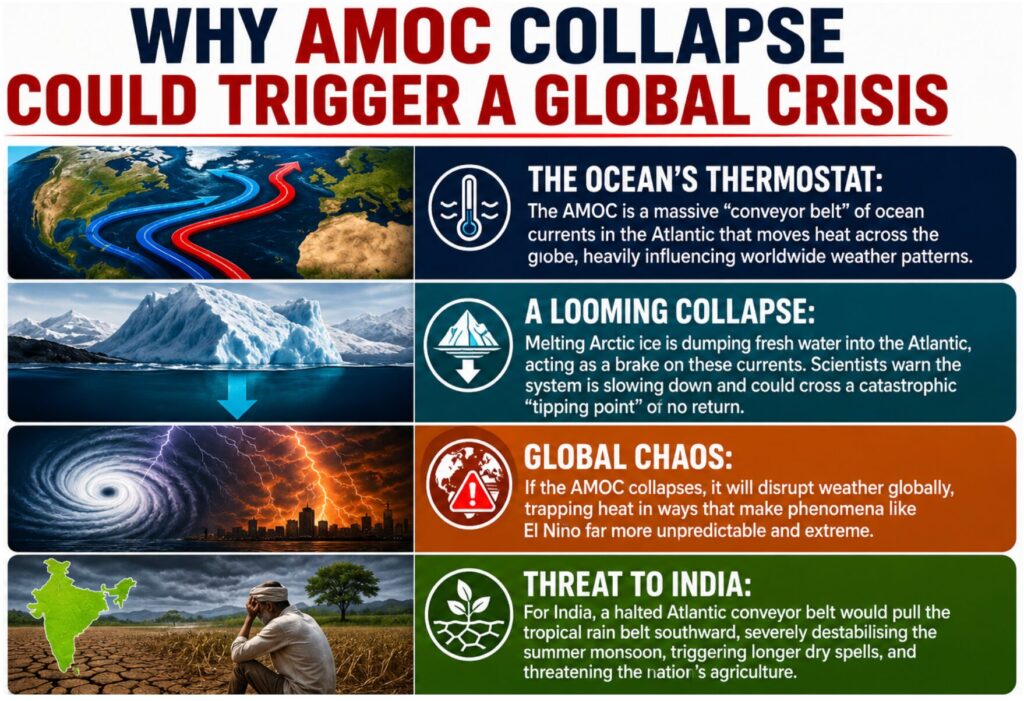
Recent research projects that Atlantic Meridional Overturning Circulation (AMOC), which regulates climate across the globe, could slow by up to 59% by 2100 under high greenhouse gas emission scenarios.
The AMOC collapse would have potentially catastrophic consequences for global weather systems, including a severe weakening of India’s summer monsoon.
UPSC Relevance: GS-1 Geography: Geophysical phenomena; Changes in Critical Geographical Features GS-3 Environment and Biodiversity: Climate Change
What is Atlantic Meridional Overturning Circulation?
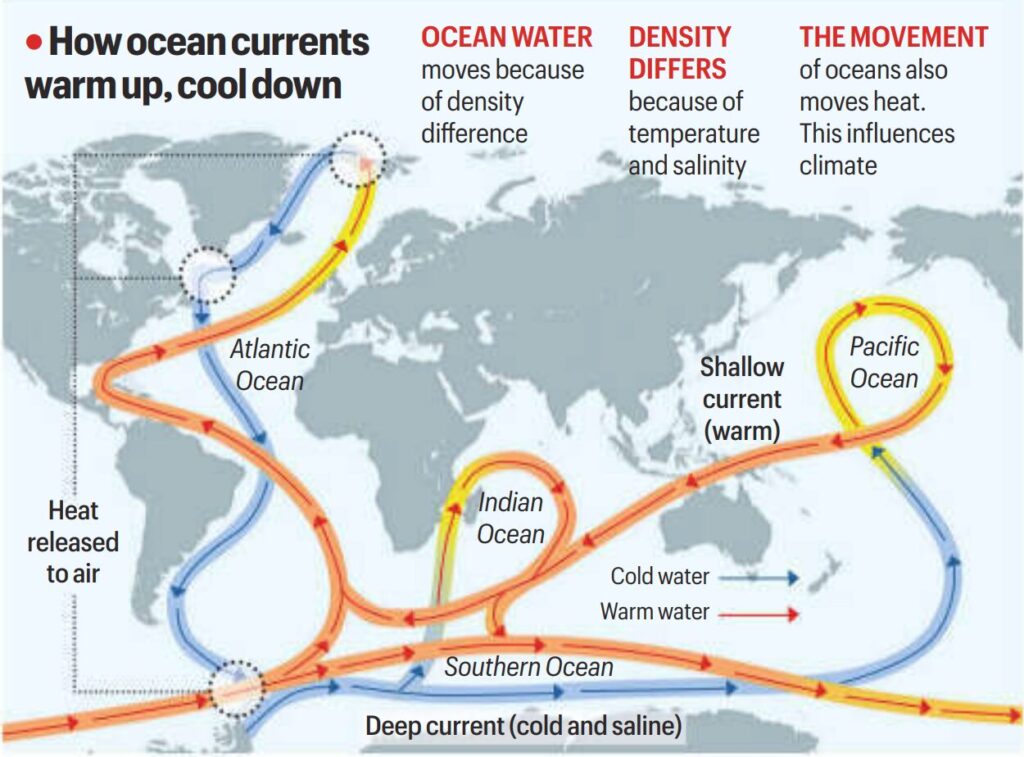
The Atlantic Meridional Overturning Circulation (AMOC) is a vast system of ocean currentsin the Atlantic Ocean.
AMOC functions like a planetary-scale conveyor belt, redistributing heat, salt, carbon dioxide, and nutrients across the globe. It is a critical component of the broader global thermohaline circulation, the ‘Great Ocean Conveyor Belt’.
Mechanism of Functioning of AMOC:
AMOC operates on the principles of thermohaline circulation driven by differences in water temperature (thermo) and salinity (haline).
Warm and salty surface water from tropical regions flows northward towards Greenland through the Atlantic Ocean. In the cold Arctic region, this water cools and becomes heavier (denser). As a result, it sinks deep into the ocean.
The cold deep water then slowly moves southward beneath the ocean surface. After a long time, it rises again, gets warmed in tropical regions, and the cycle continues. A single parcel of water (one cubic metre of water) may take nearly 1000 years to complete the full cycle.
This circulation transfers huge amounts of heat around the Earth. AMOC is the reason why Europe has a mild climate, and it heavily influences rainfall in Africa, the Americas, and Asia.
Causes of AMOC’s Weakening:
The AMOC conveyor belt relies on a delicate balance of temperature and salinity. Human-induced climate change is disrupting this through:
Arctic Ice Melt and Freshwater Influx: Accelerating loss of the Greenland Ice Sheet and Arctic sea ice is dumping massive volumes of freshwater into the North Atlantic. Fresh water is lighter (less dense) and less salty, so it does not sink. This acts like a brake on the entire AMOC system.
Reduced Salinity Contrast: Freshwater dilutes the salinity of North Atlantic surface water, reducing density gradients needed to drive deep-water formation.
Ocean Warming: Rising ocean temperatures reduce the temperature-driven density difference between equatorial and polar waters.
AMOC is classified as one of the most important tipping points in the Earth’s climate system. A tipping point is a threshold beyond which change becomes self-reinforcing and potentially irreversible. Just like a chair tilted past its balancing point, once the AMOC crosses a certain threshold, it could irreversibly collapse into a new, sluggish state.
The consequences would be catastrophic, triggering extreme sea-level rise in North America and severe weather disruptions globally.
Global Consequences of AMOC Collapse:
ITCZ Southward Shift: The Inter-Tropical Convergence Zone (ITCZ), the main rain belt of the tropics, would shift southwards. This would fundamentally alter rainfall distribution across Africa, Asia, and the Americas.
Reduced Carbon Absorption: Thermohaline circulation absorbs ~25% of anthropogenic CO₂ emissions. A weakened AMOC would reduce the ocean’s carbon sink capacity, releasing stored CO₂ and creating a dangerous positive feedback loop.
Southern Hemisphere Warming: Heat that cannot be transported northward would accumulate in the tropics and Southern Hemisphere, accelerating warming there.
Intensify El Niño: Weaker AMOC will make El Niño events more unpredictable and extreme. Powerful El Niños would trigger droughts in the Americas and suppress rainfall over South Asia.
Impact on Europe (Extreme Winters): Northwestern Europe could cool by 3-10°C (paradoxically, even amid global warming). Shorter growing seasons and extreme cold would devastate European agriculture.
Impact on America:
Sea Level Rise: AMOC normally pulls water away from the US East Coast. Without it, sea levels could rise by up to 1 metre along the northeastern United States coast (dynamic sea level rise).
Hurricane Intensification: A weakened AMOC allows heat to accumulate in tropical Atlantic waters, potentially generating stronger and more frequent Atlantic hurricanes.
Impacts of AMOC Collapse on Indian Summer Monsoon:
The Indian Summer Monsoon is the backbone of India’s agriculture, supplying approximately 75% of the country’s annual rainfall.
ITCZ Displacement: A weakened AMOC would cool the Northern Hemisphere, shifting the ITCZ southward and away from the Indian subcontinent, reducing moisture convergence over India.
Weakened Monsoonal Winds: Altered temperature gradients diminish the land-sea pressure differential that drives the southwest monsoon winds from the Arabian Sea into India. Multi-model studies project ~18% decline in Indian Summer Monsoon annual rainfall if AMOC collapses.
Shorter Wet Seasons: Models consistently project shorter wet seasons and longer dry spells for India, reducing the effective agricultural window.
Furthermore, an unpredictable El Niño, worsened by the AMOC’s decline, would only compound these climate risks, trapping Indian farmers between extreme droughts and erratic, destructive floods.
The only way to prevent an AMOC collapse is aggressive global greenhouse gas emission cuts by adopting the Paris Agreement’s 1.5°C pathway.
UPSC PYQ 2015
Q. What explains the eastward flow of the equatorial counter-current?
(a) The Earth’s rotation on its axis
(b) Convergence of the two equatorial currents
(c) Difference in salinity of water
(d) Occurrence of the’ belt of calm near the equator
Answer: (b)
UPSC Mains PYQ 2022:
Q. What are the forces that influence ocean currents? Describe their role in the fishing industry of the world.
UPSC Mains PYQ 2015:
Q. Explain the factors responsible for the origin of ocean currents. How do they influence regional climates, fishing and navigation?