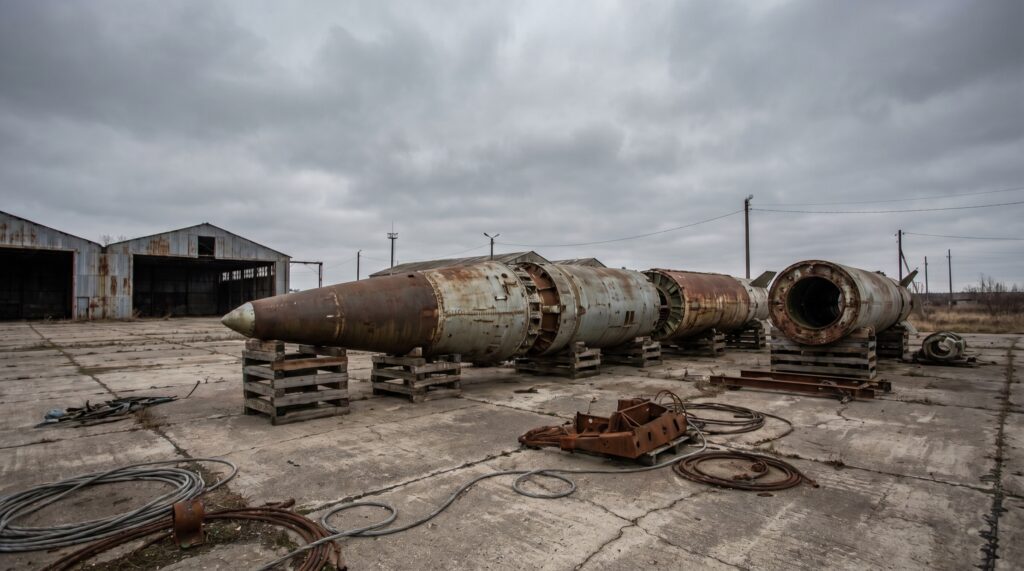
Arms-control treaties आम तौर पर एक काम करती हैं: वे गिनती करती हैं। Ceiling तय होती है, दोनों sides उसके नीचे रहती हैं और हर कोई number पर खुद को congratulate करता है। Intermediate-Range Nuclear Forces Treaty ने वह किया जो उससे पहले किसी treaty ने नहीं किया था। इसने weapons की एक पूरी class, यानी 500 से 5,500 km तक उड़ सकने वाली हर ground-launched missile, खत्म कर दी। केवल cap नहीं लगाई, समाप्त कर दी। दोनों sides ने missiles destroy कीं, एक-दूसरे को यह करते हुए देखा और 13 साल तक एक-दूसरे की missile factories के बाहर inspectors को तैनात रहने दिया, ताकि कोई उन्हें फिर न बना सके।
Signing के 31 साल बाद treaty एक Russian cruise missile और Romania में American launchers को लेकर हुई लड़ाई में मर गई। Background में एक ऐसा third country चुपचाप वही weapons बना रहा था जिन्हें treaty ने ban किया था, हालांकि उसने कभी sign नहीं किया था। INF Treaty क्यों collapse हुई, यह जानना उसके contents से ज़्यादा important है। Asia का missile map आज जैसा है, उसके पीछे यही collapse है।
INF Treaty ने असल में क्या किया
INF Treaty United States और Soviet Union के बीच bilateral agreement थी। इसे Washington में 8 December 1987 को Ronald Reagan और Mikhail Gorbachev ने sign किया और यह 1 June 1988 से force में आई। दोनों sides को 500 से 5,500 km range वाली सभी ground-launched ballistic missiles और ground-launched cruise missiles destroy करनी थीं। उनके launchers, support structures और support equipment भी हटाने थे।
इस range band को two tiers में बाँटा गया था। Treaty का nickname समझने के लिए यह जानना ज़रूरी है। Shorter-range का मतलब 500 से 1,000 km और intermediate-range का मतलब 1,000 से 5,500 km था। दोनों tiers को केवल Europe में नहीं, पूरी दुनिया में scrap किया गया। इसी वजह से negotiators ने इसे global double zero कहा।
Numbers treaty को symbolic नहीं, exceptional बनाते हैं। Destruction deadline 1 June 1991 तक दोनों sides ने 2,692 missiles खत्म कर दीं: 846 American और 1,846 Soviet। Soviet Union ने United States से twice से ज़्यादा missiles destroy कीं। इससे पता चलता है कि कौन अधिक छोड़ रहा था और यह भी संकेत मिलता है कि Moscow में treaty बाद में unpopular क्यों हुई।
यह trust पर नहीं चलती थी। यह on-site inspection पर चलती थी, जो 1987 में लगभग अकल्पनीय था। Inspectors को दूसरे side के bases में जाने की अनुमति थी। दोनों sides ने missile production plant के बाहर permanent inspectors रखे: Americans Soviet Union के Votkinsk में और Soviets Magna, Utah में। वे gates से निकलने वाली चीज़ों को देखते थे। यह portal monitoring 31 May 2001 तक चली। INF को verification का gold standard कहने की एक वजह चुननी हो, तो यही है: दस साल से अधिक समय तक दोनों superpowers के officials एक-दूसरे की factory door पर खड़े रहे।
Euromissile crisis: Europe को इसकी ज़रूरत क्यों पड़ी
Treaty इसलिए बनी क्योंकि late 1970s और early 1980s में Europe को डर था कि nuclear war लड़ी भी जाएगी और उसी तक सीमित भी रहेगी। इस fear का एक मुख्य कारण था Soviet SS-20 Saber, जिसे 1976 से deploy किया गया था।
SS-20 की details panic को किसी adjective से बेहतर समझाती हैं। यह mobile थी, इसलिए पहले से reliably locate और destroy नहीं की जा सकती थी। एक MIRV bus पर three warheads थीं, यानी एक missile तीन cities को hit कर सकती थी। इसकी करीब 5,000 km range Soviet territory से Western Europe की हर capital को cover करती थी। United States तक यह पहुँच नहीं सकती थी। यही पूरी crisis को एक line में रखता है। Bonn, Paris और Rome को threaten करने वाली, लेकिन Washington को नहीं, ऐसी weapon NATO से पूछती थी: क्या American President सच में Hamburg के बदले New York risk करेगा? अगर नहीं, तो Soviet Union Europe को ऐसे violence के level पर hostage रख सकती थी जिसका जवाब United States शायद कभी न दे।
NATO का December 1979 response dual-track decision था। नाम जैसा कहता है, दो tracks थे। Track one: missiles को हटाने के लिए negotiation offer करना। Track two: talks fail हों, तो Western Europe में American Pershing II ballistic missiles और ground-launched cruise missiles deploy करके balance करना। November 1981 में Reagan ने zero option रखा। साफ़ और provocative offer: United States अपनी planned deployments cancel कर देगा, अगर Soviet Union अपने सभी SS-20, SS-4 और SS-5 dismantle कर दे। Moscow ने reject किया और कई Western analysts ने मान लिया कि Washington ने यह offer जानबूझकर इसलिए रखा है क्योंकि Moscow इसे मानेगी ही नहीं।
Talks fail हुईं। 1983 में deployments शुरू हुईं और Europe में protests फूट पड़े। West Germany, Britain, Italy और Netherlands में hundreds of thousands लोग march करने लगे। Soviets negotiations से बाहर निकल गए। Pershing II fear का sharpest edge थी। West Germany से Soviet command targets तक इसका flight time six to ten minutes था। Moscow को incoming missile confirm करने से पहले nuclear response का फैसला लेना पड़ सकता था। Cuban missile crisis के बाद 1983 को आम तौर पर Cold War का सबसे dangerous year माना जाता है। Danger का कारण total mutual distrust के ऊपर decision time का minutes तक सिमट जाना था।
Deadlock Gorbachev ने तोड़ा। October 1986 में Reykjavik में वे और Reagan सभी nuclear weapons abolish करने के बहुत करीब पहुँचे। Summit Reagan के Strategic Defense Initiative को laboratory तक सीमित रखने से उनके इनकार पर collapse हुआ। Failure जैसा दिखा, लेकिन वह पूरी तरह failure नहीं था। Intermediate-range वाला हिस्सा room में तय हो गया था और Gorbachev ने बाद में उस zero option को स्वीकार किया जिसे Moscow ने पाँच साल पहले ठुकराया था। Treaty successful summit से नहीं, failed summit से निकली।
यह treaty पहले की treaties से अलग क्यों थी
INF से पहले हर arms-control agreement weapons को manage करती थी। INF ने उन्हें remove किया। इस distinction को topic से ले जाने वाली सबसे useful बात मानिए।
पहले क्या हुआ था, देखिए। SALT I ने 1972 में launchers की संख्या freeze की। SALT II ने 1979 में delivery vehicles पर ceilings लगाईं। दोनों accounting exercises थीं। Weapons field में, silos में और aimed स्थिति में बनी रहीं। ये arms race को restrain करती थीं, reverse नहीं। INF ने इसे reverse किया। 1 June 1991 को धरती पर 500 से 5,500 km band में एक भी deployed American या Soviet ground-launched missile नहीं बची थी। दूसरी side की आँखों के सामने सभी cut, crush या explode कर दी गई थीं।
एक careful reader अब सही objection उठाएगा: दोनों sides ने weapons scrap कीं, तो क्या everyone automatically safer नहीं हो गया? पूरी तरह नहीं। Eliminated missiles दोनों arsenals का छोटा fraction थीं और INF ने strategic forces को touch नहीं किया। Intercontinental weapons वहीं रहीं। INF ने एक unusually dangerous category हटाई: fast, short-flight-time, ground-based weapons, जो enemy के पास बैठी थीं। वे leader का decision time minutes तक compress करती थीं और war को intention के बजाय accident से शुरू होने की संभावना बढ़ाती थीं। Treaty की value tonnage में नहीं थी। वह सोचने के लिए time वापस खरीदने में थी, जो nuclear crisis की सबसे scarce commodity है और warhead-counting से protect नहीं होती।
Verification regime को भी इसी तरह समझिए। इसका महत्व यह नहीं था कि inspectors ने violations पकड़ लीं। महत्व यह था कि Votkinsk और Magna में 13 years ने ऐसी habit बनाई जिसे कोई treaty पहले politically survivable साबित नहीं कर पाई थी। 2001 में regime lapse हुई, तो दोनों countries ने rulebook के साथ routine भी खो दी। 2014 में accusations शुरू हुईं, तब तक किसी side के inspectors मौजूद नहीं थे जो dispute settle कर पाते।
Treaty में क्या cover नहीं था
INF Treaty ने केवल ground-launched missiles ban कीं। इसके बाद की हर बात इसी एक word से निकलती है।
Sea-launched cruise missiles untouched रहीं। इसलिए destroyer या submarine से fired Tomahawk legal थी और United States उन्हें बनाता रहा। Air-launched cruise missiles भी untouched रहीं। वही missile bomber से drop की जाए, तो कोई rule नहीं टूटता। केवल ground launcher illegal था। यानी missile ranges पर बनी treaty वास्तव में basing modes पर बनी treaty थी।
यह loophole जैसा दिखता है, लेकिन पूरी तरह loophole नहीं था। Logic defend की जा सकती थी। Europe में ground-launched missile enemy के बहुत पास और fixed place पर ready रहती है और warning time compress करती है। Ship या bomber को position में आने में hours लगते हैं और उसकी movement दिखाई दे सकती है। Treaty ने missile body नहीं, उस property को target किया जो weapon को destabilising बनाती थी। लेकिन asymmetry के consequences आए। World की largest navy वाला United States same capability को sea पर ले जाकर रख सकता था। Land power Russia, जिसकी blue-water fleet बहुत छोटी थी, ऐसा नहीं कर सकती थी। Moscow ने जिस capability पर rely किया था, उसे छोड़ा और Washington को उसका naval version बचाए रखते देखा। Russia INF से क्यों sour हुई, इसका एक structural reason चाहिए हो, तो यही है, और इसका cheating से कोई लेना-देना नहीं। Cruise और ballistic missiles का difference यहाँ solid रखें, क्योंकि treaty ने दोनों types को ban किया था, लेकिन केवल एक launch platform से।
दूसरी uncovered चीज़ किसी loophole से बड़ी थी: बाकी दुनिया। INF bilateral treaty थी। धरती का हर दूसरा state 500 से 5,500 km band में ground-launched missiles बना सकता था और कई countries ने बनाई भी।
| Year | Development |
|---|---|
| 1976 | Soviet Union Western Europe के खिलाफ़ mobile, MIRVed SS-20 deploy करता है |
| 1979 | NATO का dual-track decision: negotiation और talks fail होने पर Pershing II तथा cruise missiles deploy करना |
| 1981 | Reagan zero option propose करते हैं; Moscow reject करती है |
| 1983 | Pershing II और ground-launched cruise missiles Europe पहुँचती हैं; Soviets talks छोड़ते हैं |
| 1986 | Missile defence पर Reykjavik summit collapse, लेकिन intermediate-range terms settle होती हैं |
| 1987 | 8 December को Washington में INF Treaty sign होती है |
| 1988 | 1 June को treaty force में आती है |
| 1991 | Destruction complete: 2,692 missiles eliminated, 846 American और 1,846 Soviet |
| 2001 | Votkinsk और Magna में on-site portal monitoring 31 May को खत्म |
| 2014 | United States नए cruise missile को लेकर Russian violation formally allege करता है |
| 2019 | Washington February में obligations suspend करता है और 2 August को treaty terminate होती है |
| 2019 | United States August में ground-launched Tomahawk और December में intermediate-range ballistic missile test करता है |
| 2024 | US Typhon launchers Philippines पहुँचते हैं; Russia Dnipro पर Oreshnik fire करती है |
Collapse कैसे हुई: 9M729, Romania के launchers और accusations के दो sets
Treaty ऐसे dispute में टूट गई जिसे कोई side जीत नहीं सकती थी, क्योंकि तब तक किसी के पास दूसरे side के claim को check करने का रास्ता नहीं बचा था।
American charge Russian ground-launched cruise missile 9M729 पर था, जिसे NATO SSC-8 Screwdriver कहता है। यह Iskander-K family की relative थी। Washington ने July 2014 में State Department compliance report के जरिए formal violation allegation लगाया। उसके अनुसार Russia ने missile को banned band के भीतर test किया और बाद में deploy किया था। Successive American reports ने कहा कि battalions field की जा चुकी हैं।
Russia ने इसे साफ़ तौर पर deny किया। Moscow का कहना था कि 9M729 की maximum range 480 km है, जो treaty floor से थोड़ी नीचे है और United States ने अपने claim का evidence कभी produce नहीं किया। Russia ने January 2019 में foreign attachés के लिए missile canister display किया। United States और most NATO states आए नहीं या उन्होंने display को staged कहा, क्योंकि canister range के बारे में कुछ नहीं बताता।
Russia के अपने counter-charges भी थे और fair account में इन्हें छोड़ना नहीं चाहिए। Moscow ने कहा कि Romania के Deveselu में American Aegis Ashore missile-defence site, operational 2016, और Poland के Redzikowo में site, Mk-41 vertical launch cells इस्तेमाल करती हैं। यही family US warships से Tomahawk cruise missiles fire करती है। इसलिए land पर लगा Tomahawk-capable launcher, stated purpose कुछ भी हो, ground-launched cruise missile launcher है। Washington का जवाब था कि ashore variant interceptors के लिए configured है और Tomahawk fire नहीं कर सकता। Russia ने American defence tests में इस्तेमाल होने वाली target missiles और armed drones पर भी objection किया कि वे treaty definitions में आती हैं।
Merits पर honest position किसी side को चुनने से ज़्यादा useful है। कोई claim neutral inspector ने test नहीं किया। Inspection regime 2001 में खत्म हो चुकी थी और कोई party dispute third party को submit नहीं करना चाहती थी। Americans intelligence publish नहीं कर सकते थे, क्योंकि इससे collection method खुल जाता। Russians 9M729 को उस range demonstration के लिए open नहीं कर सकते थे जो एक afternoon में matter settle कर देती। NATO governments ने American evidence review करके finding endorse की। Government से बाहर के independent analysts ऐसा नहीं कर सकते थे और अधिकतर ने यही कहा।
End जल्दी आया। October 2018 में United States ने withdraw करने का intent announce किया। 2 February 2019 को उसने obligations suspend करके formal six-month notice दिया। Russia ने अगले दिन अपनी obligations suspend कीं। Treaty 2 August 2019 को terminate हो गई।
इसके बाद Washington ने कुछ ऐसा किया जो बहुत कुछ बताता है। 18 August 2019 को, termination के 16 days बाद, उसने San Nicolas Island पर Mk-41 launcher से ground-launched Tomahawk का flight test किया। December में ground-launched intermediate-range ballistic missile test की। 16 days में test programme design नहीं हो सकता। Hardware पहले से preparation में रहा होगा। Russia ने इसे इस बात का proof बताया कि withdrawal compliance से ज़्यादा capability के बारे में था। यह confession नहीं, inference है। लेकिन reasonable inference है और serious account में इसकी जगह है।
वह country जो room में कभी थी ही नहीं
Treaty collapse का unstated factor China था। उसने कभी sign नहीं किया, उसे sign करने को कहा भी नहीं गया और उसने तीन decades तक वही weapons बनाए जिन्हें treaty ने ban किया था।
Scale इसे incidental नहीं, decisive बनाता है। American officials ने बार-बार कहा है कि China के missile inventory का करीब 95 percent 500 से 5,500 km band में है। इसका मतलब PLA Rocket Force का लगभग पूरा arsenal ऐसे systems का है जिन्हें United States और Russia own नहीं कर सकते थे। Named missiles important हैं: DF-21, जिसकी range लगभग 1,500 से 1,700 km है और DF-21D variant moving aircraft carriers को hit करने के लिए बनी है; DF-26, करीब 4,000 km range वाली dual-capable missile, जिसे Guam killer कहा जाता है; और DF-17, जो missile defences को defeat करने के लिए designed hypersonic glide vehicle carry करती है।
American argument खुद साफ़ था। European problem solve करने के लिए बनी treaty 2010s तक Pacific में self-imposed handicap बन गई थी। एक Pacific power bound थी और दूसरी free। Washington ने इसे trilateral बनाने का proposal दिया। Beijing ने refuse किया। उसका reasoning dismiss करने के बजाय समझिए: China का arsenal American और Russian arsenals का fraction है, ground-based intermediate-range missiles उसके regional deterrent का core हैं और उन्हें sea पर ले जाने के लिए उसके पास navy-sized alternative नहीं है। United States पूरी fleet में Tomahawks रखे और China अपनी missiles scrap करे, तो यह arms control नहीं, एक party का disarmament होता। आप इस logic से agree करें या नहीं, इससे समझ आता है कि trilateral INF होने वाली नहीं थी। यही logic India के China calculus को भी shape करती है।
इसलिए collapse का deeper cause 9M729 या Mk-41 अकेले नहीं थे। असल बात यह थी कि bilateral treaty ऐसे world में meaningless हो गई थी जिसमें nine nuclear-armed states थीं। 9M729 argument था। China reason था।
Arms control और India के लिए collapse का मतलब
INF का अंत केवल rule नहीं, एक norm का अंत था और अगले developments में यह फर्क दिखाई देता है।
Wider architecture अब लगभग खाली है। United States के withdraw करने के बाद ABM Treaty 2002 में खत्म हुई। Open Skies Treaty ने 2020 में United States और 2021 में Russia खोई। Russia ने 2023 में CFE Treaty से exit complete किया और उसी year New START में participation suspend की। INF 2019 में मर गई। American और Russian strategic warheads पर last cap New START ने February 2026 में term पूरी की। 2021 में उसका single permitted five-year extension इस्तेमाल हो चुका था, इसलिए फिर extend नहीं हो सकी। Sixty years की treaty-building के बाद दो largest arsenals के बीच लगभग कुछ नहीं बचा। इसी context में NPT और CTBT debate बैठती है।
Practical consequences जल्दी आए। United States ने ground-launched intermediate-range systems field करना शुरू किया। Typhon Mid-Range Capability launcher 2024 में Philippines पहुँचा और वहाँ बना रहा। Dark Eagle hypersonic system भी सामने आया। Russia ने अपना unilateral moratorium खत्म घोषित किया और November 2024 में Ukraine के Dnipro पर नया intermediate-range missile Oreshnik fire किया। Military value छोटी थी और signalling value ही उसका पूरा point था।
India के लिए यह distant European story नहीं है। कारण arithmetic है। 500 से 5,500 km band India का deterrent है। Agni family लगभग पूरी इसी band में है: Agni-I करीब 700 से 900 km, Agni-II करीब 2,000 km, Agni-III करीब 3,000 km और Agni-IV करीब 4,000 km। BrahMos original form में floor से नीचे है और extended-range variants में उसकी ओर बढ़ती है। Pakistan की Shaheen-II और Shaheen-III भी दूसरी दिशा से इसी band में हैं। Asia में INF जैसा ban India के usable deterrent का बड़ा हिस्सा हटा देगा, जबकि China के intercontinental systems और America की sea-based forces untouched रहेंगी। India कभी party नहीं थी और party बनने में उसका interest नहीं है। उसकी consistent position है कि disarmament universal, verifiable और non-discriminatory होना चाहिए, regional और selective नहीं। कौन-सी missiles regional INF हटा देगी, यह देख लें तो बात abstract नहीं रहती। Ground-launched band crowded होने पर India की nuclear triad, खासकर sea leg, अधिक important हो जाती है।
Second-order effect पर नज़र रखें। Normative bar हट गई है, इसलिए ground-launched intermediate-range missiles अब ordinary equipment हैं और Indo-Pacific उनकी destination है। Philippines में American launchers बढ़ेंगे, तो उन्हें target करने वाले Chinese systems बढ़ेंगे। Chinese systems बढ़ेंगे, तो India उस theatre के सामने अधिक exposed होगी जिसे उसने चुना ही नहीं। यह सब किसी signed agreement से bounded नहीं है।
इसे कैसे पढ़ें
Treaty को chronology के बजाय four hinges पर पकड़िए। Hinges revision के बाद भी टिकती हैं और dates अपने-आप उनसे जुड़ जाती हैं।
SS-20 और dual-track decision बताते हैं कि treaty की जरूरत क्यों पड़ी: Europe को threaten करने वाली लेकिन America को नहीं, ऐसी weapon ने alliance की nerve को split किया और NATO ने matching missiles के साथ talks का offer रखा। 1987 signing और 1991 में 2,692 missiles का destruction treaty की uniqueness बताते हैं: यह category eliminate करने वाली पहली treaty थी, जो factories के gates पर verification से checked थी। 9M729 और Mk-41 dispute collapse की mechanics बताते हैं: inspection regime lapse होने के बाद दो unverifiable accusations। China की absence असली cause बताती है।
Framing सही रखें, क्योंकि answers यहीं बिगड़ते हैं। यह मत लिखिए कि treaty ने सभी intermediate-range missiles ban की थीं। केवल ground-launched missiles ban थीं। इसी वजह से American sea leg बची और Russia को लगा कि deal समय के साथ खराब हो गई। Collapse को केवल एक side की fault मत बताइए। United States ने allegation लगाया और NATO ने endorse किया, Russia ने deny और counter-allege किया, लेकिन neutral body ने adjudicate नहीं किया। Withdrawal को end की शुरुआत मत समझिए। Unravelling 2002 में ABM exit से शुरू हो चुका था।
एक contrast इसे जगह पर lock कर देता है। INF को NPT के सामने रखें। INF bilateral थी, एक category eliminate करती थी, intrusive verification करती थी और अब dead है। NPT near-universal है, कुछ eliminate नहीं करती, verification uneven है और फिर भी survive करती है। दो parties से बहुत माँगने वाली treaty उस treaty से ज़्यादा fragile होती है जो बहुत-से parties से थोड़ा माँगती है। Disarmament debate का live question यही trade-off है।
सामान्य प्रश्न
INF Treaty क्या थी?
Intermediate-Range Nuclear Forces Treaty United States और Soviet Union के बीच bilateral agreement थी। इसे 8 December 1987 को sign किया गया और 1 June 1988 से force में आई। दोनों sides को 500 से 5,500 km range वाली ground-launched ballistic और cruise missiles तथा उनके launchers destroy करने थे।
INF Treaty पर किसने sign किया?
United States की ओर से Ronald Reagan और Soviet Union की ओर से Mikhail Gorbachev ने Washington में sign किया। Soviet collapse के बाद Russia, Belarus, Kazakhstan और Ukraine को Soviet obligations का successors माना गया।
INF Treaty को इतना important क्यों माना जाता है?
यह numbers cap करने के बजाय weapons की पूरी category eliminate करने वाली पहली arms-control treaty थी। 1 June 1991 की deadline तक दोनों sides ने 2,692 missiles destroy कीं: 846 American और 1,846 Soviet। इसमें on-site inspection और Votkinsk तथा Magna, Utah के missile plants के बाहर permanent monitoring भी शामिल थी, जो 2001 तक चली।
INF Treaty में क्या cover नहीं था?
केवल ground-launched missiles ban थीं। उसी range की sea-launched और air-launched missiles legal रहीं, जिससे United States और उसकी बड़ी navy को advantage मिला। Treaty bilateral भी थी, इसलिए कोई दूसरा country इससे bound नहीं था।
INF Treaty collapse क्यों हुई?
United States ने 2014 से allegation लगाया कि Russia ने 9M729 ground-launched cruise missile को banned range के भीतर test और deploy किया। Russia ने deny किया और range 480 km बताई। उसने Romania और Poland में American Mk-41 launchers पर counter-allegation लगाया कि वे Tomahawks fire कर सकते हैं। United States ने 2018 में withdrawal announce किया और treaty 2 August 2019 को terminate हुई।
INF Treaty के अंत में China की क्या भूमिका थी?
China treaty की party नहीं थी और उसने banned band में DF-21, DF-26 और DF-17 जैसी ground-launched missiles freely बनाईं। American officials के अनुसार China के missile inventory का लगभग 95 percent 500 से 5,500 km range में है। Washington ने कहा कि treaty Pacific में उसे handicap करती है और China को शामिल करने का proposal दिया। Beijing ने इसे refuse किया।
INF Treaty collapse India को कैसे affect करती है?
India treaty की party नहीं थी और उसका अधिकतर deterrent, Agni-I से Agni-IV तक, 500 से 5,500 km band में है। Asia में regional version India की usable missiles हटा देगा, जबकि intercontinental और sea-based systems untouched रहेंगे। Collapse ने इन missiles के खिलाफ़ norm भी हटा दी और Indo-Pacific में deployments तेज़ कर दीं।
आज nuclear arms control में क्या बचा है?
दो largest arsenals के बीच बहुत कम। ABM Treaty 2002 में, Open Skies 2020 और 2021 में, CFE Treaty 2023 में और INF 2019 में खत्म हुई। American और Russian strategic warheads पर आख़िरी cap New START ने February 2026 में term पूरी की और फिर extend नहीं हो सकी। NPT अब भी है, लेकिन किसी चीज़ की संख्या cap नहीं करती।
अभ्यास प्रश्न
1. 1987 की INF Treaty ने किसका elimination ज़रूरी किया?
a) United States और Soviet Union के सभी nuclear warheads
b) 500 से 5,500 km range वाली ground-launched ballistic और cruise missiles
c) Launch platform की परवाह किए बिना सभी intermediate-range missiles
d) 5,500 km से ऊपर की intercontinental ballistic missiles
उत्तर: b) 500 से 5,500 km range वाली ground-launched ballistic और cruise missiles
2. INF Treaty किनके बीच sign हुई थी?
a) United States, Soviet Union और China
b) NPT के तहत recognised सभी five nuclear-weapon states
c) केवल United States और Soviet Union
d) NATO और Warsaw Pact as blocs
उत्तर: c) केवल United States और Soviet Union
3. INF Treaty को SALT agreements से अलग क्या बनाता था?
a) इसने deploy किए जा सकने वाले launchers की संख्या cap की
b) इसने ceilings तय करने के बजाय weapons की पूरी category eliminate की
c) यह बिना inspections के केवल national technical means पर depend करती थी
d) इसने sea-launched और air-launched missiles भी cover कीं
उत्तर: b) इसने ceilings तय करने के बजाय weapons की पूरी category eliminate की
4. United States के INF Treaty से withdraw करने का immediate dispute किससे जुड़ा था?
a) Russian 9M729 ground-launched cruise missile
b) Chinese DF-26 ballistic missile
c) Russian intercontinental ballistic missile tests
d) Europe में SS-20 deployment
उत्तर: a) Russian 9M729 ground-launched cruise missile
5. INF Treaty के बारे में निम्नलिखित statements पर विचार कीजिए:
1. इसने 500 से 5,500 km range की sea-launched cruise missiles ban कीं। 2. China treaty की party नहीं थी और उस range band में missiles बनाने के लिए free थी। कौन-सा/से statement सही है/हैं?
a) केवल 1
b) केवल 2
c) 1 और 2 दोनों
d) न तो 1, न ही 2
उत्तर: b) केवल 2
Mains-style questions
1. “INF Treaty ने European problem solve की और बाद में Pacific handicap बन गई।” Treaty collapse होने के कारणों की आलोचनात्मक जाँच कीजिए।
2. इसके scope और verification regime के संदर्भ में समझाइए कि INF Treaty arms control में landmark क्यों है। इसके termination से global non-proliferation order को क्या cost हुई, इसका assessment कीजिए।
3. INF Treaty ने केवल ground-launched missiles ban कीं। इस restriction के strategic logic और signatories के बीच पैदा हुई asymmetries पर चर्चा कीजिए।
4. Multipolar nuclear order के लिए bilateral arms-control architecture के erosion के consequences का मूल्यांकन कीजिए और बताइए कि workable successor framework को किन बातों पर ध्यान देना होगा।
5. “India के पास INF Treaty को principle में welcome करने और Asia में इसकी replication resist करने, दोनों के अच्छे reasons हैं।” India की deterrent posture और disarmament पर declared position के संदर्भ में इस proposition की जाँच कीजिए।
INF Treaty को आसानी से tragedy की तरह पढ़ा जा सकता है: दो leaders ने extraordinary काम किया, successors ने उसे wreck कर दिया और world worse off हो गया। Harder reading यह है कि treaty हमेशा एक particular moment के लिए shaped थी, जब दो superpowers Germany के across आमने-सामने थीं। वह moment treaty से बहुत पहले खत्म हो गया था। Collapse यह prove नहीं करती कि arms control fail होती है। यह दिखाती है कि bilateral instrument multipolar problem को govern नहीं कर सकता और factual dispute settle करने का रास्ता न रखने वाली treaty अपने पहले serious dispute से नहीं बचती। ये moral lessons नहीं, engineering lessons हैं। आज ये इसलिए matter करते हैं क्योंकि treaty द्वारा ban किए गए missiles अब उन countries द्वारा फिर बनाए जा रहे हैं जिन्होंने कभी treaty sign नहीं की थी, और उन्हें रोकने के लिए table पर कुछ नहीं है।