ज्यादातर लोग “temple” सुनकर एक building imagine करते हैं जहां जाकर photo खींची और वापस आ गए। Srirangam में यह word लगभग पूरी तरह fail हो जाता है। Tiruchirappalli के पास Kaveri में इस island पर जो है वह building नहीं, walls से घिरी temple-city है। इसकी गहराई में seven concentric enclosures हैं। Outer rings के भीतर shops, streets और houses रहते हैं और बिल्कुल centre में god हैं। आप Sri Ranganathaswamy Temple को इतना visit नहीं करते जितना gate के बाद gate पार करते हुए उसके अंदर चलते हैं, जब तक crowds कम न हो जाएं और sanctum के ऊपर last golden tower न उठ जाए।
यह एक idea पकड़ लीजिए तो numbers trivia नहीं रहेंगे। यह roughly 156 acres में फैला world’s largest functioning Hindu temple complex माना जाता है, जिसके चारों ओर 21 gopurams हैं और ऊपर Asia के tallest temple towers में गिना जाने वाला Rajagopuram है। अंदर का god seated या standing नहीं, reclining है: coiled serpent पर full length लेटा और south की ओर मुख किए। Reclining posture, south-facing sanctum और walls के भीतर town, हर strange detail का reason है। इन्हें इसी तरह सीखिए।
Srirangam कहां है और island ने temple को कैसे shape किया
Srirangam Kaveri की river island है। River इसके चारों ओर split होती है और अपनी distributary Kollidam (Coleroon) के साथ downstream फिर जुड़ती है। यह Tamil Nadu में Tiruchirappalli (Trichy) के ठीक north में है। Island setting scenic footnote नहीं है। पहले इसने site को sacred बनाया, बाद में defensible, और इसी वजह से temple एक tower की तरह ऊपर बढ़ने के बजाय rings में बाहर की ओर बढ़ा।
Name भी यही बताता है। Srirangam *Sri* और *Ranga* से जुड़ता है और deity Ranganatha हैं, “lord of the ranga”, यानी stage या arena। यहां ranga को river के बीच पूरे island की तरह समझा जाता है। चारों तरफ water ने ground को pure और set-apart mark किया, cosmic ocean पर reclining god के लिए obvious home।
यहां का working detail पकड़िए। Kaveri flood करती है और town temple के अंदर रहता था, इसलिए complex केवल pilgrims के लिए नहीं, population absorb करने के लिए बना। Outer prakaras, यानी enclosure walls, आज भी Chittirai Street तथा दूसरी named streets, homes और markets को hold करती हैं। इसलिए Srirangam में “temple में चलना” और “town में चलना” एक ही act है। Cauvery river system और disputes revise करते समय इसे midstream का cultural node रखें, water द्वारा बनाया sacred island।
| विशेषता | विवरण |
|---|---|
| Location | Srirangam island, Tiruchirappalli, Tamil Nadu (Kaveri पर) |
| Deity | Ranganatha, reclining Vishnu, consort Ranganayaki के साथ |
| Posture | Serpent Adishesha पर reclining, south-facing |
| Scale | करीब 156 acres; अक्सर largest functioning Hindu temple कहा जाता है |
| Enclosures | Seven concentric prakaras (walled enclosures) |
| Gopurams | 21 gateway towers |
| Rajagopuram | करीब 73 m (लगभग 240 ft), 13 tiers; 1987 में completed |
| Architecture | Dravidian (South Indian) temple style |
| Tradition | 108 Divya Desams में foremost; Sri Vaishnavism की capital |
| Key figure | Ramanuja, जिनके preserved remains यहां enshrined हैं |
| Chief festival | Vaikunta Ekadashi (Tamil month Margazhi, Dec से Jan) |
Reclining god और south की ओर मुख क्यों
Srirangam की deity Ranganatha हैं, Vishnu का रूप, जो हजार-फन वाले serpent Adishesha की coils पर पूरी लंबाई में लेटे हैं। इस pose को Sanskrit में *anantashayana*, यानी “endless one पर resting”, कहते हैं। यह creation cycles के बीच rest करता Vishnu है, cosmic ocean पर float करता हुआ। Sanctum throne पर बैठे god के बजाय stone में इसी image को reproduce करता है। Posture एक बार नाम से समझिए और यह unusual idol से आगे बढ़कर Vishnu as sustainer का theological statement बन जाता है, जो universe को dream करते हुए reclining है।
First-time visitors को south-facing sanctum puzzle करता है। Standard explanation Ramayana के aftermath की story है। Legend में presiding image को Brahma ने worship किया, solar dynasty से होते हुए Vibhishana तक पहुंची, जो Ravana के righteous brother और Lanka के new king थे। Vibhishana इसे home ले जा रहे थे। Kaveri island पर नीचे रखा तो image फिर उठी नहीं और Srirangam को permanent seat चुन लिया। Boon के रूप में Ranganatha ने south की ओर लेटना माना, ताकि Vibhishana और Lanka की ओर देखते रहें। Story को literal मानें या नहीं, दो exam facts एक साथ fix होते हैं: south orientation और temple का Vaishnava mythology से deep link।
यही mythic weight Srirangam को one temple among many नहीं रहने देता। Sri Vaishnava tradition में यह 108 Divya Desams में foremost है, Vishnu के वे holy abodes जिन्हें Alvars, Bhakti movement के 12 Tamil poet-saints, ने praise किया। Devotees इसे केवल “Koil”, यानी *the* temple, कहते हैं। Alvars के canon Naalayira Divya Prabandham में किसी और Divya Desam से ज्यादा hymns इसी के लिए हैं।
Seven walls और 21 gopurams: city की तरह enter होने वाला temple
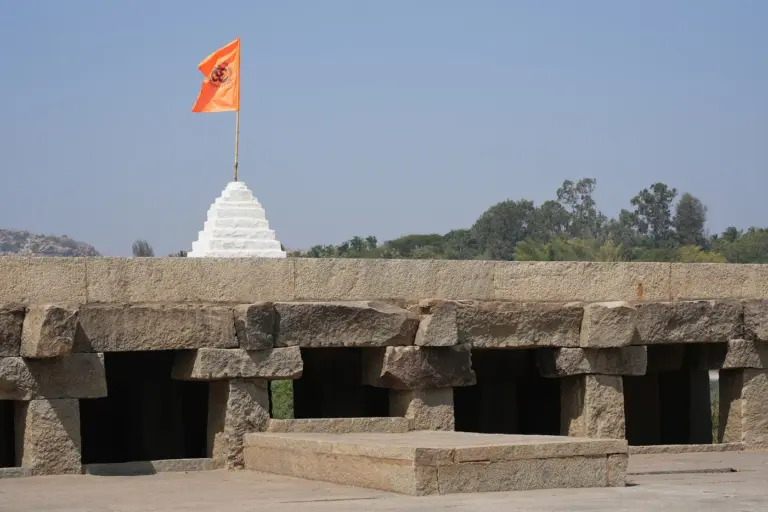
Srirangam का सबसे important structural fact है कि यह seven concentric rectangular enclosures में बना है, जिन्हें prakaras कहते हैं। ये onion rings की तरह एक के भीतर एक हैं और sanctum core में है। Outermost ring से centre की ओर gateway towers की sequence पार करनी पड़ती है और walls close in होते ही sacred intensity बढ़ती है। Complex fortified town जैसा इसलिए लगता है क्योंकि outer rings में वह सचमुच town है।
Rings की sorting समझिए। Outer two or three prakaras असल में Srirangam town का हिस्सा हैं। Houses, shops, hotels और chariot festivals की broad temple streets वहीं हैं। लगभग fourth enclosure से अंदर space purely religious हो जाता है, shrines, halls और sacred tanks से भरा। Innermost enclosure में Ranganatha का sanctum है और pilgrim सबसे कम gates पार करके अंत में वहां पहुंचता है। Everyday world से still centre में god तक यह graded passage architecture बिना शब्दों के सिखाती है।
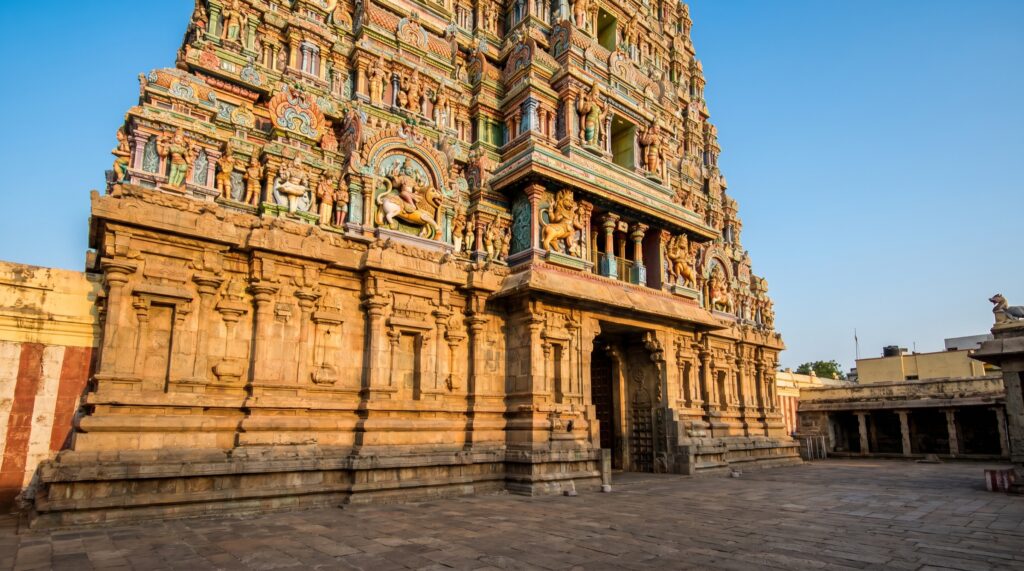
हर crossing को gateways mark करते हैं। Complex में 21 gopurams हैं, यानी हर wall के entrance के ऊपर खड़े tall pyramidal towers। बाहर की ओर जाते हुए उनका scale बढ़ता है, जो newcomers की expectation के उलट है। Sanctum के ऊपर tower modest और golden है, giants outer walls पर हैं। Holy core पर छोटा और public edge पर colossal यह inversion mature Dravidian temple का hallmark है और Srirangam उसका सबसे बड़ा living example। India की temple architecture को इस one site से याद रखिए। लगभग हर South Indian term का textbook instance यहां है।
Walls पर पढ़ी जा सकने वाली Dravidian grammar
Srirangam Dravidian (South Indian) temple architecture की working dictionary है। चार terms लगभग सब कुछ unlock करते हैं। इन्हें set की तरह सीखिए, क्योंकि Cholas के बाद के हर major Tamil temple के parts यही describe करते हैं।
Gopuram prakara wall के entrance के ऊपर का towering gateway है, pyramidal और sculpture के tiers से stacked, जो South Indian skyline dominate करता है। Vimana sanctum के ठीक ऊपर का tower है और बड़े temple में gopuram से छोटा होता है। Srirangam में यह Pranava Vimana है, gold-plated और Om syllable के आकार का, Ranganatha के ऊपर। Dravidian plan के मुताबिक holiest tower सबसे कम tall है। Mandapa pillared hall और prakara enclosure wall या ring है। Gopuram, vimana, mandapa, prakara: चार words में पूरा plan पढ़ने लगता है।
Mandapas में stone-carvers show off करते हैं। Srirangam का celebrated “thousand-pillared hall”, *Aayiram Kaal Mandapam*, vast Vijayanagara-era assembly hall है, जिसमें strict grid में close to 953 granite pillars हैं। पास का Sheshagiri Raya Mandapam famous rearing-horse pillars रखता है, single blocks से लगभग fully round cut किए गए *yali* beasts पर mounted warriors। यह bolted-on decoration नहीं। यही Nagara, Dravida और Vesara styles को concrete बनाता है, Dravida branch के confident रूप में। Expansion roughly thousand years में Cholas, Pandyas, Hoysalas और खासकर Vijayanagara kings तथा Madurai के Nayaks के under हुआ। हर dynasty ने rings और halls जोड़े।
Rajagopuram: Asia का towering gateway, जो living memory में पूरा हुआ
Rajagopuram temple की southern outer wall पर “royal tower” है। यह 13 tiers में करीब 73 metres (लगभग 240 feet) ऊपर उठता है। Asia के tallest temple towers में है और कई counts में India का tallest है। इसके foot पर खड़े होकर top storey white और colour की दूर smudge जैसा लगता है। Kaveri plain में miles दूर से tower दिखता है, Srirangam तक पहुंचने से पहले पहला sign।
इसके construction में एक lesson है। Rajagopuram का base centuries पहले Vijayanagara period में रखा गया और generations तक unfinished broad stone stump बना रहा। ऊपर की soaring superstructure केवल 1987 में Ahobila Matha के guidance में complete हुई, modern engineering से brick-and-mortar tiers उठाकर। Ancient temple की most-photographed feature का upper part आज पढ़ने वाले कई लोगों से young है। Historic monument frozen नहीं होता। Great temples centuries तक works in progress रहे और रहते हैं।
Ramanuja और Srirangam Sri Vaishnavism की capital क्यों है
Srirangam को Ramanuja (traditionally 1017 से 1137 CE) से अलग नहीं किया जा सकता। वह philosopher थे जिन्होंने Vishishtadvaita, यानी “qualified non-dualism”, को systematise किया। इसमें individual soul real और distinct है लेकिन God पर पूरी तरह dependent है, Shankara के stricter monism से अलग। Ramanuja ने Srirangam को base बनाया, temple worship और administration reorganise किया और इसे Sri Vaishnava tradition का intellectual तथा devotional headquarters बनाया। Srirangam को “capital” कहने की वजह यही है।
Complex में इस association का striking relic है। एक shrine में devotees Ramanuja का actual preserved body मानकर worship करते हैं। वे बैठे हुए दिखते हैं, surface को protect करने के लिए saffron और camphor से समय-समय पर recoat किया जाता है और fixed occasions पर worshippers को दिखाया जाता है। कोई इसे genuinely mummified body या heavily restored image पढ़े, tradition खुद यह बताती है कि founder-teacher physically अपने temple में मौजूद हैं। ज्यादातर Indian temples में ऐसा comparable claim नहीं है और visit से verify की जा सकने वाली specificity memory में टिकती है।
यह lineage one temple से बड़ा है। Ramanuja ने shape किया Sri Vaishnava movement, devotional Hinduism की wider Bhakti current को feed करता है। इसमें Alvars के Tamil hymns और *acharyas* की Sanskrit theology दोनों हैं। Srirangam वह जगह है जहां stream gather, codify और outward भेजी गई। Temple सीखेंगे तो medieval devotional philosophy के abstract chapter को physical anchor मिलेगा।
Vaikunta Ekadashi और Gate of Paradise
Temple का greatest festival Vaikunta Ekadashi है। यह Tamil month Margazhi (December से January) में पड़ता है और इसका signature ritual architectural है। इस एक day sanctum के north side का special doorway, Paramapada Vasal या “Gate of Paradise”, जिसे Vaikunta Vasal भी कहते हैं, खोला जाता है। Hundreds of thousands devotees इससे गुजरते हैं और मानते हैं कि इस day passage से *Vaikuntha*, Vishnu’s heaven, का promise मिलता है। बाकी साल gate बंद रहता है।
इसके आसपास Margazhi का 21-day festival cycle, *Adhyayana Utsavam*, चलता है। Alvars के hymns god के सामने chant होते हैं और temple की distinctive Araiyar Sevai में sung तथा gestured recital बनते हैं। इसे hereditary performers का छोटा group preserve करता है। Vaikunta Ekadashi के crowd figures single day में hundreds of thousands तक जाते हैं। South India की largest annual religious gatherings में Srirangam यहीं बैठता है। Spring का दूसरा great festival Chithirai Brahmotsavam है, जब deity towering wooden chariots पर temple streets से गुजरती है। Major temple festivals map करते समय Vaikunta Ekadashi को Srirangam से वैसे जोड़िए जैसे Rath Yatra को Puri से।
Plunder का इतिहास और restoration का award
Srirangam की grandeur के पीछे violent history भी है। Early fourteenth century में temple पर Delhi Sultanate की armies ने raids किए, सबसे destructive 1311 में Malik Kafur के under और फिर 1320s में। Tradition में हजारों Sri Vaishnavas की massacre और festival deity को hills में safety तक ले जाने का record है। Main image छिपाई गई और utsava murti decades तक दूर रही। Vijayanagara के rise के बाद south में order लौटा तो वह recover और reinstall हुई। Treasure तथा idol का invading army से छिपना बताता है कि आज का बहुत-सा structure older Chola-Pandya core पर Vijayanagara-and-later rebuilding है।
Modern era में temple को age से ज्यादा care के लिए recognise किया गया। इसकी restoration work ने 2017 में UNESCO Asia-Pacific Award of Merit for Cultural Heritage Conservation जीता। Traditional materials और craft के faithful repairs के लिए award मिला। Precise रहिए: यह conservation award है, World Heritage inscription नहीं। Temple अभी भी living place of worship है और Tamil Nadu के Hindu Religious and Charitable Endowments department द्वारा administered है, museum monument नहीं। Official listing HR&CE Tamil Nadu पर देखिए और इसे Chola तथा Vijayanagara chapters, Vijayanagara empire तथा India की UNESCO heritage recognition के साथ रखिए।
Srirangam को detail में डूबे बिना कैसे पढ़ें
Srirangam को चार questions से पकड़िए और हर fact को केवल एक से attach करें: यह क्या है, बना कैसे है, किसका है और इसके साथ हुआ क्या। आपको लगभग कुछ भी इन चार से बाहर नहीं चाहिए।
यह क्या है के लिए sentence lock करें: Kaveri के Tiruchirappalli island पर बना largest functioning Hindu temple, reclining Ranganatha के रूप में Vishnu को समर्पित और 108 Divya Desams में foremost। ज्यादातर factual questions यहीं answer हो जाते हैं। बना कैसे है के लिए Dravidian four सीखिए: gopuram, vimana, mandapa, prakara। फिर specifics टांगें: seven prakaras, 21 gopurams, लगभग 240-foot Rajagopuram जो 1987 में finished हुआ और sanctum के ऊपर gold Pranava Vimana।
किसका है के लिए Ramanuja, Vishishtadvaita और Sri Vaishnavism की capital वाला role याद रखें। Preserved remains memorable hook हैं। इसके साथ हुआ क्या के लिए medieval Delhi Sultanate raids और Vijayanagara restoration को modern 2017 UNESCO conservation award के साथ pair करें। Four questions, four clusters और sprawling temple-city को list करने के बजाय explain कर पाएंगे।
सामान्य प्रश्न
Ranganathaswamy Temple कहां स्थित है?
यह Tamil Nadu में Tiruchirappalli के ठीक north, Kaveri river की Srirangam island पर है। Island Kaveri और उसकी distributary Kollidam से बनी है।
Srirangam में किस deity की worship होती है?
Vishnu की, Ranganatha के रूप में। वे Adishesha serpent पर reclining और south-facing हैं। यहां consort Ranganayaki हैं। यह 108 Divya Desams में foremost माना जाता है।
Srirangam temple को largest Hindu temple क्यों कहा जाता है?
यह about 156 acres में फैला largest functioning Hindu temple complex है, जिसमें seven concentric prakaras और 21 gopurams हैं। Angkor Wat जैसे कुछ non-functioning complexes ज्यादा area cover करते हैं, लेकिन active worship में Srirangam सबसे बड़ा है।
Srirangam का Rajagopuram कितना ऊंचा है?
लगभग 73 metres यानी करीब 240 feet, 13 tiers में। यह Asia के tallest temple towers में है। Base पुराना है लेकिन upper structure 1987 में complete हुआ।
Ramanuja और Srirangam का क्या connection है?
Vishishtadvaita philosophy के great exponent Ramanuja ने Srirangam को base बनाया, worship reorganise की और इसे Sri Vaishnava tradition का headquarters बनाया। Temple में उनके preserved remains वाला shrine है।
Srirangam में Vaikunta Ekadashi क्या है?
यह temple का main festival है, Tamil month Margazhi यानी December से January में। One day “Gate of Paradise” यानी Paramapada Vasal खुलता है और lakhs devotees उससे गुजरते हैं। यह hymns के 21-day festival को anchor करता है।
क्या Srirangam UNESCO World Heritage Site है?
इस नाम से inscription नहीं है। इसके restoration work को 2017 में UNESCO Asia-Pacific Award of Merit for Cultural Heritage Conservation मिला था। यह conservation award है, World Heritage status नहीं।
Srirangam की seven prakaras क्या हैं?
ये seven concentric enclosure walls हैं, एक के भीतर एक, centre में sanctum के साथ। Outer enclosures में Srirangam town की streets, homes और shops हैं, जबकि inner enclosures purely religious हैं।
अभ्यास प्रश्न
1. Srirangam का Ranganathaswamy Temple किसे समर्पित है:
a) Nataraja के रूप में Shiva
b) Reclining Ranganatha के रूप में Vishnu
c) Meenakshi के रूप में Devi
d) Surya, the Sun God
उत्तर: b
2. Srirangam temple complex किससे enclosed है:
a) Three concentric prakaras
b) Five concentric prakaras
c) Seven concentric prakaras
d) Nine concentric prakaras
उत्तर: c
3. Dravidian architecture में sanctum के ठीक ऊपर का tower कहलाता है:
a) Gopuram
b) Vimana
c) Mandapa
d) Prakara
उत्तर: b
4. Srirangam Vishishtadvaita के किस philosopher से closely associated है:
a) Adi Shankara
b) Madhvacharya
c) Ramanuja
d) Nimbarka
उत्तर: c
5. Srirangam temple का chief festival, जिसमें Gate of Paradise खुलता है, है:
a) Rath Yatra
b) Vaikunta Ekadashi
c) Maha Shivaratri
d) Tirupati का Brahmotsavam
उत्तर: b
मुख्य परीक्षा प्रश्न
1. “Srirangam Ranganathaswamy Temple को building के बजाय walled temple-city की तरह समझना चाहिए।” Seven prakaras और successive dynasties में complex के growth के संदर्भ में चर्चा कीजिए। 2. Dravidian temple architecture के key elements समझाइए और Srirangam से gopuram, vimana, mandapa तथा prakara illustrate कीजिए। 3. Devotional Hinduism के centre के रूप में Srirangam को shape करने में Ramanuja और Sri Vaishnava tradition की भूमिका का assessment कीजिए। 4. Medieval invasions और later restoration का major South Indian temples पर impact trace कीजिए और Srirangam को case study बनाइए। 5. Dravidian style, जहां outer gateways sanctum से ऊंचे हैं, और North India की Nagara style की architectural priorities compare कीजिए।
Srirangam आपकी preparation में इसलिए आता है क्योंकि यह single fact बनने से मना करता है। यह largest living Hindu temple, Dravidian architecture की textbook, major philosophical school की seat, medieval catastrophe से बचा site और modern conservation success एक ही river island पर रखता है। इसे convergence की तरह सीखिए। चार Dravidian words और seven walls straight रखें। “Temple” को city समझिए, जो rings में उस south-facing god के चारों ओर बनी है जो Lanka की ओर horizon देखता हुआ लेटा है।