सोना headlines में छा गया। 2011 में पांच sealed chambers खोले गए और वहां से इतनी बड़ी संख्या में चीजें निकलीं कि ज्यादातर reports ने हार मानकर Sree Padmanabhaswamy Temple को दुनिया की सबसे rich place of worship कह दिया। कहानी सच है, लेकिन इस temple की सबसे दिलचस्प बात नहीं है।
Treasure coverage जिस fact को दबा देती है, वह यह है। 1750 में Travancore के ruler ने अपना पूरा kingdom sanctum में मौजूद deity को सौंप दिया और फिर खुद owner की जगह god’s servant बनकर शासन किया। यह metaphor नहीं था। यह legal और constitutional arrangement था, जो kingdom के बाद भी बचा रहा, independence के बाद भी बचा रहा और 2020 में भी Supreme Court of India में argue किया जा रहा था। Vaults उसी deed का नतीजा हैं, उसके बगल की curiosity नहीं। Deed समझ लीजिए तो बाकी temple अपने-आप क्रम में आ जाता है।
Sree Padmanabhaswamy Temple क्या है
Sree Padmanabhaswamy Temple Thiruvananthapuram, Kerala की राजधानी में है और Anantha Padmanabha के रूप में Vishnu को समर्पित है। इसमें Vishnu को serpent Anantha की coils पर yogic sleep में reclining दिखाया गया है। यह Sri Vaishnava tradition के 108 Divya Desams में से एक है, Kerala और Dravidian architecture को ऐसे मिलाता है जैसा Kerala के लगभग किसी और temple में नहीं दिखता और erstwhile Travancore royal family की gift deed से जुड़ा है।
पहले deity के नाम को खोलिए, क्योंकि इसी से building, city और litigation तीनों समझ आते हैं। *Padmanabha* का मतलब “lotus-navel” है। Image में Vishnu की नाभि से lotus निकलता है और उस पर Brahma बैठे हैं। यानी creation को sleeping god के शरीर से निकलते हुए दिखाया गया है। *Anantha* का अर्थ “the endless one” है, वह हजार-फन वाला serpent जिस पर Vishnu लेटे हैं। और Thiruvananthapuram असल में *Thiru-Anantha-Puram*, यानी “Anantha का sacred city” है। Kerala की राजधानी का नाम इसी sanctum के snake के नाम पर है। यह कोई बाद में सजाया गया coincidence नहीं; पहले temple था और city उसके चारों ओर बढ़ी।
| विशेषता | विवरण |
|---|---|
| Location | Thiruvananthapuram, Kerala |
| Deity | Anantha Padmanabhaswamy के रूप में Vishnu, serpent Anantha पर reclining |
| Posture | Anantha shayanam, serpent पर yogic sleep, east की ओर मुख |
| Idol | करीब 18 feet लंबा, तीन अलग doors से दिखाई देता है |
| Idol material | Katusarkara yogam, एक ayurvedic amalgam, जिसमें 12,008 saligrams हैं |
| Gopuram | 7 tiers, करीब 100 feet, Pandyan style; foundation 1566 में रखी गई |
| Architecture | Kerala style में Dravidian (Tamil) elements का blend |
| Temple tank | Padma Theertham, यानी “lotus spring” |
| Corridor | 365 और एक-चौथाई carved granite pillars |
| Tradition | 108 Divya Desams में से एक, Alvars के hymns में praised |
| Royal link | 1750 का Trippadidanam; Travancore rulers ने Sree Padmanabhadasa title अपनाया |
| Administration | 2020 Supreme Court ruling के तहत committee, जिसकी अध्यक्षता District Judge करता है |
सोते हुए god को तीन doors से क्यों देखते हैं
Sanctum की image करीब 18 feet लंबी है और sanctum छोटा है, इसलिए आप पूरे god को एक साथ नहीं देख सकते। उसे तीन अलग doors से देखा जाता है: पहले से head और hands, दूसरे से torso और navel तथा lotus पर बैठे Brahma, और तीसरे से feet दिखाई देते हैं। तीन windows, एक body, और पूरे temple में ऐसा कोई vantage point नहीं जहां deity पूरी दिखाई दे।
जरा सोचिए कि यह कितना अलग है। ज्यादातर temple design लंबे approach के बाद एक complete darshan देने के लिए बना होता है। यहां architecture ऐसा करने से मना करता है। आप तीन glimpses को क्रम से अपने दिमाग में जोड़ते हैं और वही जोड़ना experience बन जाता है। यह intent था या नहीं, building का theology वाला हिस्सा बहुत साफ है: यह Vishnu का *anantha shayanam* है, creation के cycles के बीच endless one पर आराम करता हुआ god। Cosmos जितने बड़े god का एक doorway में आना था ही नहीं।
Image का material भी असामान्य है। इसे एक stone से carve या metal में cast नहीं किया गया। यह katusarkara yogam, एक hardened ayurvedic amalgam, से बना है और इसमें 12,008 saligrams packed हैं। ये sacred fossil stones Nepal की Gandaki river से लाए गए हैं। इसी composition की वजह से deity को water और oils वाला सामान्य abhishekam नहीं दिया जाता, क्योंकि इससे image को नुकसान होगा। जो लोग हर temple idol को stone या bronze मान लेते हैं, उनके लिए यह point जरूरी है: यहां god सचमुच एक compound है।
Reclining posture परिचित लगती है तो ठीक है। Srirangam का Ranganatha भी reclining है और दोनों south के बड़े reclining-Vishnu temples हैं। याद रखने वाला फर्क यह है: Ranganatha south की ओर, Padmanabha east की ओर मुख करते हैं। Srirangam अपने god को सात walls में लपेटता है, जबकि Thiruvananthapuram अपने god को तीन doors में दिखाता है।
Tamil tower वाला Kerala architecture
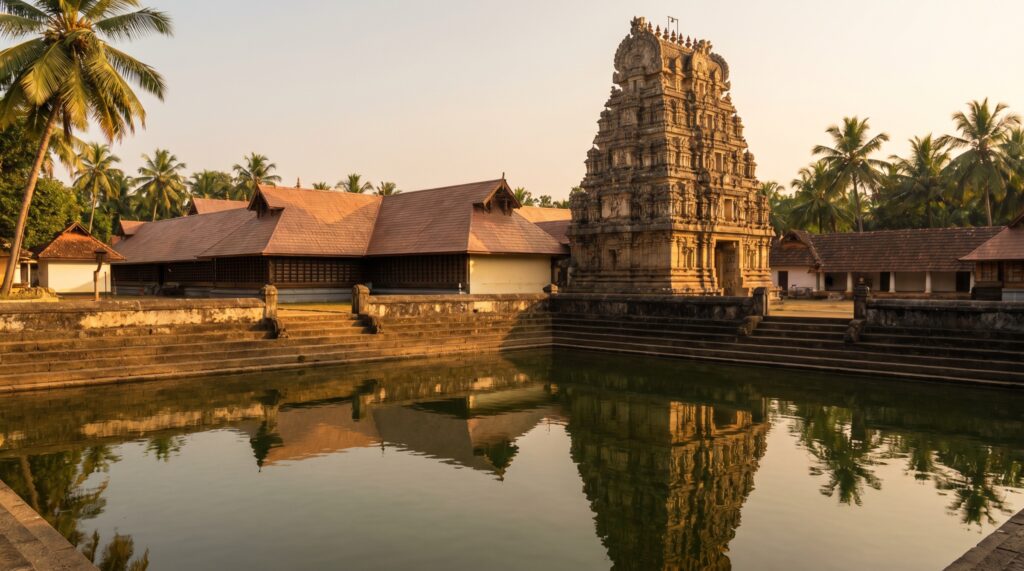
Temple tank से temple को देखिए और anomaly सामने आ जाएगी: करीब 100 feet ऊंचा seven-tier gopuram, Pandyan style में बना, जिसकी foundation 1566 में रखी गई। यह tower Kerala में नहीं होना चाहिए था और इसी वजह से इसे पढ़ना जरूरी है।
पहले default समझिए। Kerala temple में सामान्यतः soaring gateway होता ही नहीं। Monsoon country के लिए बना low, walled compound होता है: srikovil के ऊपर copper या tile की steep sloping roof, timber framing, gabled ends और carved wooden brackets। यहां height point नहीं है, पानी बहाना point है। इसके सामने Tamil Dravidian temple रखिए, जहां site की सबसे ऊंची चीज outer wall पर बनी tiered pyramidal stone-and-stucco gateway tower होती है, जिसे अगले district से भी देखा जा सके।
Padmanabhaswamy दोनों करता है और दोनों को एक जैसा दिखाने की कोशिश नहीं करता। Inner shrine और उसकी roofs Kerala practice पर चलते हैं। Gopuram और granite corridors Tamil practice पर चलते हैं। Interesting हिस्सा उनका join है: Travancore Kerala और Tamil country के cultural seam पर था, उसके rulers east और west दोनों ओर देखते थे और building में यह दर्ज है। Textbooks जितना मानते हैं, architecture उससे ज्यादा बार politics के नीचे चलता है। India की temple architecture को regional styles के boxes के बजाय arguments समझें तो याद रखना आसान हो जाता है।
Complex को याद रखने के लिए तीन specifics काफी हैं। Padma Theertham, यानी “lotus spring”, रास्ते में मिलने वाला temple tank है। Corridor में 365 और एक-चौथाई carved granite pillars हैं, जो solar year के days से match करते हैं। और Ottakkal Mandapam करीब 20 square feet area और 2.5 feet मोटाई वाली single stone slab से काटकर बनाया गया platform है, जिसे Marthanda Varma के आदेश पर 1731 में खींचकर लगाया गया। एक stone। यह decoration नहीं, उस kingdom के बारे में statement है कि वह क्या move कर सकता था।
आज का temple दिखने में जितना पुराना लगता है, उतना पूरा पुराना नहीं है। 1686 में major fire ने structure का बड़ा हिस्सा नष्ट कर दिया। Reconstruction 1724 में शुरू हुआ और 1729 में Marthanda Varma के king बनने के बाद serious rebuilding हुई। इसलिए आज की photograph वाला temple काफी हद तक 18वीं सदी का Travancore project है, भले site के बारे में Alvars करीब हजार साल पहले गा चुके थे।
Trippadidanam: जब kingdom god को सौंप दिया गया
17 January 1750 को modern Travancore के founder Anizham Thirunal Marthanda Varma (1706 से 1758) ने Trippadidanam किया और अपना kingdom Sree Padmanabhaswamy को सौंप दिया। उस दिन से deity Travancore का sovereign बना और ruler ने खुद को Sree Padmanabhadasa, यानी “Padmanabha का servant”, कहा। वह State को god के trust में चलाता था। उसके बाद हर Travancore ruler ने यही title रखा।
असल बदलाव को समझिए, क्योंकि “उसने kingdom temple को दे दिया” बहुत छोटी बात है। Deity State का legal owner बन गया। King के पास power रही, लेकिन proprietorship चली गई। वह Travancore को god के steward की तरह चलाता था, authority उसी role से लेता था और kingdom को personal property नहीं कह सकता था। Land, revenue और treasury Padmanabha के नाम के नीचे आ गए और ruler की legitimacy conquest के बजाय sanctum से चलने लगी।
यह piety थी या politics? दोनों, और ईमानदार answer यह है कि दोनों अलग नहीं थे। Marthanda Varma ने दो दशकों तक Ettuveetil Pillamar, यानी “Lords of the Eight Houses”, की power तोड़ी और Ettara Yogam, temple पर king के साथ control रखने वाली council of eight, को सीमित किया। Force से वह region का strongest ruler बना था। Trippadidanam ने उस hard-won authority को challenge से बाहर कर दिया। Nobleman king के खिलाफ plot कर सकता है, god के खिलाफ claim file करना थोड़ा मुश्किल है। यह legitimation की masterstroke थी और साथ ही sincere भी।
यह arrangement सच में खत्म नहीं हुआ। Travancore India में accede हुआ और बाद में Kerala में merge हो गया। Princely states के integration ने kingdom को political unit के रूप में मिटा दिया। लेकिन shebaitship, deity के affairs manage करने का right और duty, Indian courts द्वारा मान्य legal interest है और family के पास बना रहा। यही thread 1750 की ceremony से 21वीं century के courtroom तक जाता है।
Vaults और inventory में असल में क्या मिला
Temple में छह known vaults, A से F तक हैं। ये underground sealed chambers हैं जिनमें deity की जमा wealth रखी थी। April 2014 की amicus curiae report ने दो और vaults, G और H, पहचाने। June 2011 में Supreme Court के orders के तहत Vault A खोला गया। खोले गए बाकी chambers के साथ वहां gold ornaments, coins, precious stones और ritual objects मिले, जिनका scale temple से बाहर किसी ने भरोसे से नहीं बताया था।
Number के मामले में सावधान रहिए, क्योंकि लगभग हर retelling गलत है। हर जगह दिखने वाला figure ₹1 lakh crore से ज्यादा है। यह असल में inventory के बाद media reports में आई gold के weight पर आधारित rough estimate है। यह official valuation नहीं है, antiquity या artistic value की कीमत इसमें नहीं है और gold weight market के साथ बदलता है। ईमानदार बात यह है कि केवल weight से inventoried wealth tens of billions of dollars तक पहुंचती है, लेकिन true figure अज्ञात है क्योंकि ऐसी full valuation कभी publish नहीं हुई। इतने famous number के साथ caveat जरूरी है।
Vault B वही vault है जो बंद रहा। इसे करीब 1880s के बाद से नहीं खोला गया। Royal family इसके खुलने के खिलाफ रही और Supreme Court के 2020 judgment ने इसे खोलने के बारे में कुछ नहीं कहा। Popular accounts इसे curse और serpent-carved door में लपेटती हैं। Record में इससे संकरी और दिलचस्प बात है: एक chamber जो well over a century से sealed है, family का argument कि opening deity की sanctity तोड़ेगी, और court का इसे force न करने का फैसला। Folklore को folklore और sealing को fact मानिए। आप ज्यादातर लिखी चीजों से ज्यादा accurate रहेंगे।
एक human detail याद रखने लायक है। Inventory इसलिए हुई क्योंकि local advocate T.P. Sundara Rajan ने 2009 में writ petition file की। उन्होंने Supreme Court की panel पर बैठकर पांच vaults खुलते देखे। July 2011 में उनकी मृत्यु हो गई, इससे पहले कि Vault B का सवाल सुलझता। दुनिया की सबसे rich temple treasury खुलवाने वाला व्यक्ति वह chamber कभी नहीं देख पाया जिसके बारे में सब बहस करते हैं।
Temple कौन चलाता है: litigation और ruling
मुख्य सवाल gold नहीं था। Kingdom खत्म होने के बाद temple को control कौन करेगा? 13 July 2020 को Supreme Court ने इसका जवाब दिया। Justices U.U. Lalit और Indu Malhotra की bench ने erstwhile Travancore royal family की shebait role कायम रखी और 2011 Kerala High Court के उस decision को set aside किया जिसमें State government को temple management और assets संभालने को कहा गया था।
Reasoning follow कीजिए, headlines से साफ है। Kerala High Court ने माना था कि family के rights Travancore के last ruler Chithira Tirunal Balarama Varma की death के साथ खत्म हो गए। उनकी death 1991 में हुई थी और High Court ने State को step in करने को कहा। Supreme Court ने एक narrow technical point पर असहमति जताई: shebaitship rulership नहीं है। यह deity से जुड़ा heritable religious office है। इसलिए last Maharaja की death ने इसे खत्म नहीं किया और यह family के successors को चला गया। Kingdom 1949 में खत्म हुआ, god की service नहीं।
Court ने temple को private property की तरह family को वापस भी नहीं किया और यह nuance बार-बार खो जाता है। उसने Thiruvananthapuram के District Judge की अध्यक्षता में administrative committee बनाई, जिसमें Kerala और Union governments के representatives, chief Tantri, titular Maharaja का nominee और एक expert member हैं। Family का role मान्य है, लेकिन day-to-day running supervised है। Judgment Supreme Court of India’s website पर है।
Temple से आगे भी यह case इसलिए महत्वपूर्ण है कि यह religious denominational rights, religious institutions के secular administration को regulate करने की State power और republic के अंदर princely-era arrangements के बाद के जीवन के junction पर बैठता है। Articles 25 से 28 के तहत freedom of religion पढ़ते समय Padmanabhaswamy यह दिखाने वाला सबसे sharp recent example है कि religion और administration की line असल में कहां खिंचती है।
Divya Desam और temple पर Alvars का claim
Travancore से बहुत पहले यह जगह famous थी। Padmanabhaswamy 108 Divya Desams में से एक है। यह Alvars, यानी Bhakti movement के 12 Tamil poet-saints, द्वारा praised Vishnu abodes हैं। यह temple 7th और 8th centuries CE के Tamil hymns में आता है। Kerala का temple, Tamil में गाया गया, Tamil devotional corpus में canonised, उस kingdom से centuries पहले जिसने इसे rich बनाया।
यह एक fact चुपचाप बहुत काम करता है। यह Kerala shrine पर Tamil-style gopuram समझाता है, Malayalam country में Sri Vaishnavism का temple claim समझाता है और यह tidy assumption तोड़ता है कि religious geography modern State boundaries follow करती है। Devotion coast और language network के साथ चली, 1956 के map के साथ नहीं।
Living calendar इस layered inheritance को दिखाता है। Laksha Deepam, यानी “a hundred thousand lamps”, हर छह साल में Murajapam नाम के 56 दिन के Vedic chanting period के अंत में होता है। Alpasi (लगभग October और November) और Painkuni (लगभग March और April) के biannual festivals Aarat पर खत्म होते हैं, जिसमें deities को Shankumugham Beach पर sea तक ले जाया जाता है। Dress code भी कायम है: men के लिए plain white mundu और women के लिए sari। यह strict tradition वाला working temple है, ticket counter वाला museum नहीं।
Padmanabhaswamy को detail में खोए बिना कैसे पढ़ें
Temple की हर fact को तीन buckets में डालिए और सब व्यवस्थित हो जाएगा: god, building और deed। लगभग कुछ भी इन तीन के बाहर नहीं है। इस temple की notes अक्सर इसलिए mush बन जाती हैं क्योंकि वे treasure से शुरू होती हैं, जबकि treasure तीसरे bucket का consequence है।
God के लिए एक sentence lock कीजिए: Anantha Padmanabha के रूप में Vishnu, serpent Anantha पर yogic sleep में reclining, katusarkara yogam की 18-foot image जिसमें 12,008 saligrams हैं, जिसे तीन doors से देखा जाता है और जो 108 Divya Desams में से एक है। Name chain भी जोड़िए, यानी Thiru-Anantha-Puram का मतलब Anantha का city है, और Srirangam के south-facing Ranganatha से contrast रखिए। Religious layer पूरी हो जाती है।
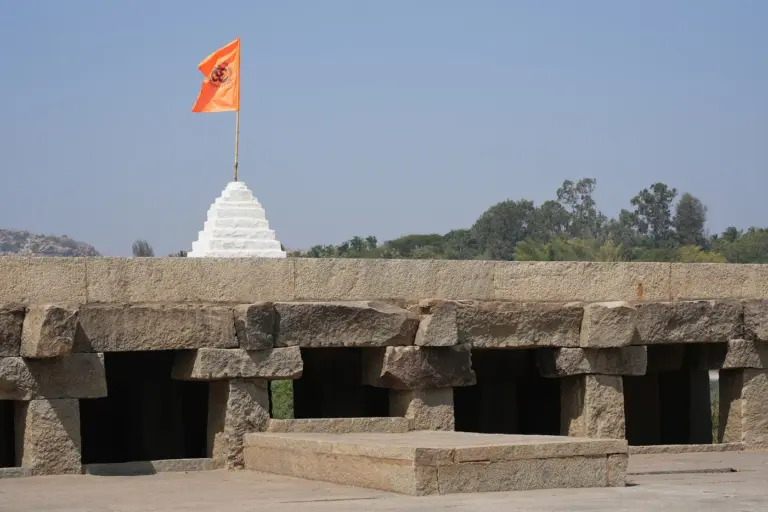
Building के लिए blend और दोनों तरफ एक number रखिए: Kerala style में sloping roofs, walled compound और default रूप से tall gateway नहीं, साथ में Dravidian style का 7-tier, 100-foot Pandyan gopuram, जिसकी foundation 1566 में रखी गई, और 365 और एक-चौथाई pillars वाला granite corridor। 1686 की fire और 18वीं सदी का rebuild याद रखिए, ताकि present structure को ancient न समझें। इसे Hampi के Virupaksha जैसे pure Dravidian complex से compare करेंगे तो hybrid साफ दिखेगा।
Deed की chain इसी क्रम में सीखिए: Trippadidanam, 17 January 1750, Marthanda Varma ने Travancore Padmanabha को सौंपा; rulers Padmanabhadasa बने; shebaitship kingdom के बाद भी बची; vaults A से F में deity की wealth थी; T.P. Sundara Rajan की petition के बाद 2011 में पांच vault खुले; Vault B बंद रहा; Kerala High Court ने 2011 में State takeover का order दिया; Supreme Court ने 13 July 2020 को उसे पलटकर District Judge-led committee बनाई। यह एक chain treasure, architecture और constitutional तीनों सवालों का answer देती है। यही इस topic का secret है: यह तीन कहानियां नहीं, एक कहानी है।
सामान्य प्रश्न
Sree Padmanabhaswamy Temple में किस deity की पूजा होती है?
Vishnu की, Anantha Padmanabhaswamy के रूप में। वे serpent Anantha पर yogic sleep में reclining हैं। Padmanabha का मतलब “lotus-navel” है, क्योंकि god की नाभि से Brahma वाला lotus निकलता है।
Idol को तीन doors से क्यों देखा जाता है?
Image करीब 18 feet लंबी है और sanctum छोटा है, इसलिए एक ही vantage point से पूरा deity नहीं दिखता। पहले door से head और hands, दूसरे से torso और navel पर lotus में Brahma, और तीसरे से feet दिखाई देते हैं।
Trippadidanam क्या था?
17 January 1750 की वह ceremony जिसमें Marthanda Varma ने Kingdom of Travancore Sree Padmanabhaswamy को सौंप दिया। Deity sovereign बना और उसके बाद हर Travancore ruler ने Padmanabhadasa, यानी Padmanabha का servant, बनकर शासन किया।
Padmanabhaswamy Temple के vaults में क्या मिला?
Known six vaults में से पांच को 2011 में Supreme Court orders के तहत खोला गया। इनमें gold ornaments, coins, precious stones और ritual objects मिले। ₹1 lakh crore से ज्यादा का widely quoted figure gold के weight पर आधारित rough estimate है, official valuation नहीं।
Vault B अब तक क्यों नहीं खोला गया?
Vault B करीब 1880s से नहीं खोला गया। Royal family ने कहा कि opening deity की sanctity का उल्लंघन होगी और Supreme Court के 2020 judgment ने इसे खोलने का order नहीं दिया। Curse वाली stories folklore हैं, record नहीं।
Supreme Court ने 2020 में क्या फैसला दिया?
13 July 2020 को Justices U.U. Lalit और Indu Malhotra ने erstwhile Travancore royal family के temple पर shebait rights को कायम रखा और 2011 के Kerala High Court state-takeover order को set aside किया। Court ने कहा कि 1991 में last ruler की death के साथ shebaitship खत्म नहीं हुई और District Judge की अध्यक्षता में administrative committee बनाई।
Padmanabhaswamy Temple किस architectural style का है?
यह blend है। Inner shrine और sloping roofs Kerala practice के हैं, जबकि seven-tier, लगभग 100-foot gopuram और granite corridors Tamil Dravidian practice के हैं। Gopuram की foundation 1566 में रखी गई थी।
क्या Padmanabhaswamy Temple Divya Desam है?
हां। यह Sri Vaishnava tradition के 108 Divya Desams में से एक है। Alvars के 7th और 8th centuries CE के Tamil hymns में इसकी praise मिलती है, Travancore kingdom के अस्तित्व में आने से centuries पहले।
अभ्यास प्रश्न
1. Sree Padmanabhaswamy Temple की deity किसकी form है:
a) Shiva
b) Vishnu
c) Surya
d) Brahma
उत्तर: b
2. 1750 का Trippadidanam किसे कहते हैं:
a) Temple gopuram का consecration
b) Marthanda Varma द्वारा Kingdom of Travancore को deity को सौंपना
c) Temple vaults को खोलना
d) Travancore और British के बीच treaty
उत्तर: b
3. Trippadidanam के बाद Travancore rulers ने कौन-सा title अपनाया:
a) Ranganathadasa
b) Padmanabhadasa
c) Anantha Varma
d) Dharmaraja
उत्तर: b
4. Sree Padmanabhaswamy Temple पर 13 July 2020 के judgment में Supreme Court ने:
a) Vault B खोलने का order दिया
b) Temple Kerala government को सौंप दिया
c) Erstwhile Travancore royal family के shebait rights कायम रखे
d) Temple treasure को State property घोषित किया
उत्तर: c
5. Sree Padmanabhaswamy Temple किस group में गिना जाता है:
a) 12 Jyotirlingas
b) 51 Shakti Peethas
c) 108 Divya Desams
d) 4 Char Dham shrines
उत्तर: c
मुख्य परीक्षा प्रश्न
1. “Trippadidanam devotion का act था, जो political legitimation की masterstroke भी बना।” Marthanda Varma और Travancore के consolidation के संदर्भ में critically examine कीजिए। 2. Sree Padmanabhaswamy Temple Kerala और Dravidian architectural traditions को मिलाता है। दोनों styles की distinguishing features पर चर्चा कीजिए और बताइए कि यह blend region की cultural geography के बारे में क्या दिखाता है। 3. 2020 के Supreme Court judgment का analysis कीजिए। यह shebaitship और rulership के फर्क तथा religious institutions के secular administration को regulate करने की State power के बारे में क्या तय करता है? 4. Thiruvananthapuram में inventoried temple wealth जैसे धन को conserve, value और secure करने की challenges तथा उससे जुड़े competing claims पर चर्चा कीजिए। 5. Divya Desams और Alvars के संदर्भ में Sri Vaishnava tradition में Sree Padmanabhaswamy Temple की जगह बताइए।
Temple का असली subject treasure नहीं है। Gold हटाते ही topic जल्दी आसान हो जाता है। Thiruvananthapuram में एक working answer बैठा है उस सवाल का जिसे ज्यादातर देशों को पूछना ही नहीं पड़ता: जब किसी god का legal ownership वाला kingdom खत्म हो जाए तो क्या होता है? Travancore का answer था service जारी रखना। Republic का answer 2020 में आया: service sovereignty से ज्यादा लंबी चल सकती है। तीन buckets सीखिए, 1750 और 2020 को एक thread के अलग सिरों पर रखिए और याद रखिए कि 18-foot god जिसे आप केवल तीन हिस्सों में देख सकते हैं, पूरी कहानी में सबसे बड़ा landowner रहा है।