India semiconductor plants locations have stabilised through 2025 and 2026 into a clear geographic pattern. Gujarat hosts the bulk of approved projects, with assembly, testing, and the country’s first wafer-fabrication facility. Assam, Uttar Pradesh, Odisha, and Rajasthan host the remaining approved units. The projects sit under the India Semiconductor Mission, administered through the Modified Programme for Development of Semiconductors and Display Manufacturing Ecosystem in India.
The first major plants began operations in early 2026. Micron Technology inaugurated its ATMP at Sanand on 28 February 2026. Kaynes Semicon inaugurated its OSAT at Sanand on 31 March 2026. The Tata Electronics fabrication unit at Dholera and the Tata Semicon assembly-and-test facility at Morigaon are in execution, with the Dholera fab targeted for completion by 2028. This article maps each approved project by location, company, and product type.
Approved Semiconductor Plants at a Glance
| Location (State) | Company | Type | Status |
|---|---|---|---|
| Dholera, Gujarat | Tata Electronics – PSMC | Fab (300 mm) | Under construction; targeted 2028 |
| Sanand, Gujarat | Micron | ATMP | Inaugurated Feb 2026 |
| Sanand, Gujarat | Kaynes Semicon | OSAT | Inaugurated Mar 2026 |
| Sanand, Gujarat | CG Power – Renesas – STARS | OSAT | Under execution |
| Surat, Gujarat | Suchi Semicon | OSAT | Under execution |
| Jagiroad, Morigaon, Assam | Tata Semiconductor | ATMP | Under execution |
| Jewar, Uttar Pradesh | HCL – Foxconn | OSAT | Groundbreaking Feb 2026 |
| Odisha | SicSem – Clas-SiC | Silicon carbide | Announced Nov 2025 |
Why Location Choices Matter
A semiconductor plant is one of the most capital-intensive manufacturing investments any country can host. Site selection depends on water availability (a fab consumes millions of litres a day), uninterrupted high-grade power, a road and port network for ultra-pure chemicals and machinery, and proximity to engineering talent. State governments compete with land, water, and power packages to anchor projects.
India’s choices reflect three concentrations:
- Gujarat — Sanand, Dholera, and Surat for fab, OSAT, and compound semiconductors
- Assam — Morigaon for advanced packaging
- Uttar Pradesh, Odisha, Rajasthan — Jewar, Bhubaneswar/Berhampur, and Bhiwadi for OSAT and silicon-carbide
Plants by Location
Tata Electronics — Dholera, Gujarat (Fab)
Tata Electronics is building India’s first front-end semiconductor fabrication facility at Dholera in Gujarat. The plant is designed around 300-mm wafers, with a strategic technology partnership with ASML for advanced lithography equipment. The Dholera fab targets completion by 2028 and will be the only true fab among the approved Indian projects; the others are ATMP, OSAT, or compound-semiconductor units.
Tata Semicon — Morigaon, Assam (ATMP)
The Tata Semicon assembly-and-test facility is located at Jagiroad in Morigaon district, Assam. It is the first major semiconductor-related plant to be built in the Northeast and represents an unusual geographic stretch for the industry. The Morigaon plant focuses on advanced packaging, including flip-chip and wire-bonding technologies.
Micron — Sanand, Gujarat (ATMP)
Micron Technology’s ATMP plant at Sanand was the first chip-related plant to be approved and inaugurated in this cycle, with operations starting on 28 February 2026. The facility focuses on assembly, testing, marking, and packaging of memory chips. The Sanand plant plans to scale up to 6.3 million chips per day at full capacity.
Kaynes Semicon — Sanand, Gujarat (OSAT)
Kaynes Semicon, a subsidiary of Kaynes Technology, inaugurated its OSAT plant at Sanand on 31 March 2026. The plant handles outsourced semiconductor assembly and test services for chips used in automotive, industrial, and consumer-electronics segments.
CG Power, Renesas and STARS Microelectronics — Sanand, Gujarat (OSAT)
A joint venture between CG Power, Renesas Electronics, and STARS Microelectronics is setting up an OSAT plant at Sanand. The plant adds depth to Gujarat’s chip-packaging cluster alongside Micron and Kaynes.
HCL-Foxconn — Jewar, Uttar Pradesh (OSAT)
The HCL-Foxconn joint venture is setting up an OSAT facility at Jewar in Uttar Pradesh, located near the upcoming Noida International Airport. Groundbreaking for the project was held on 21 February 2026. This is Uttar Pradesh’s first major semiconductor-related plant. It is worth noting that the project is in Jewar, Uttar Pradesh, and not in Madhya Pradesh.
SicSem-Clas-SiC — Odisha (Silicon Carbide)
Odisha’s first semiconductor project is a silicon-carbide compound-semiconductor unit being developed in the state, with the Odisha government and the Ministry of Electronics and IT announcing the partnership on 5 November 2025. SicSem-Clas-SiC focuses on silicon-carbide wafers and devices, which are critical for electric vehicles, renewable-energy inverters, and high-power industrial applications. The investment is estimated at around Rs 25,000 crore.
Suchi Semicon — Surat, Gujarat (OSAT)
Suchi Semicon is building an OSAT plant at Surat, Gujarat. It is a domestically owned project focused on legacy and mid-node assembly and test for consumer electronics and industrial applications.
What These Plants Make
The approved projects sit at different points on the semiconductor value chain.
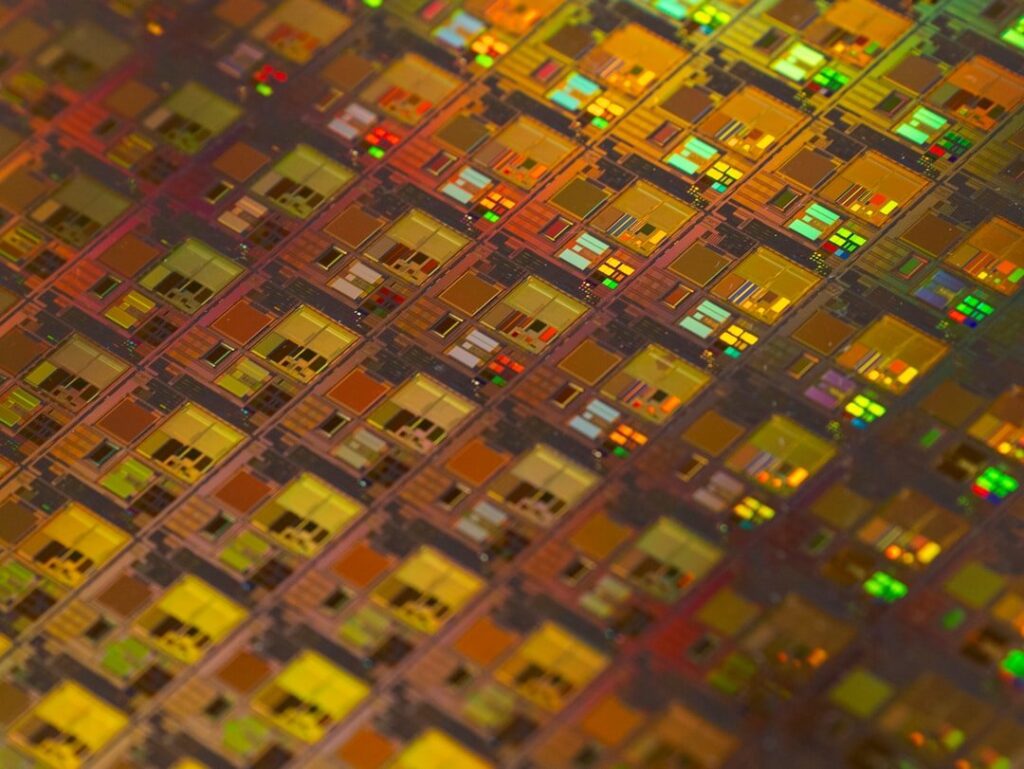
- A fab makes the chip itself by depositing and etching transistor structures on a silicon wafer. The Tata-ASML facility at Dholera will be India’s first true fab.
- ATMP and OSAT plants take finished wafers and turn them into packaged chips ready for installation on printed circuit boards. Micron, Kaynes, CG Power-Renesas-STARS, HCL-Foxconn, and Suchi Semicon are all at this stage.
- A compound-semiconductor unit makes specialised wafers from materials other than pure silicon — silicon carbide and gallium nitride — used in electric vehicles and renewable power systems. SicSem-Clas-SiC in Odisha is in this category.
India Semiconductor Mission
The India Semiconductor Mission, established under the Ministry of Electronics and IT, runs the approval and incentive process. Approved projects qualify for a fiscal-support package — typically 50% of capital expenditure from the Centre, with matching state-level incentives — under the Modified Programme. The Union Minister for Electronics and IT confirmed in 2026 that four semiconductor plants would be ready that year, with two more in 2027 and the Dholera fab in 2028.
For background reading on the policy side, see India’s semiconductor mission policy push and the broader India semiconductor market overview. The Odisha silicon-carbide story is profiled in silicon-carbide semiconductor unit in Odisha.
FAQs
Where is India’s first semiconductor fab being built?
India’s first front-end semiconductor fab is being built by Tata Electronics at Dholera, Gujarat, in partnership with ASML, with completion targeted by 2028.
Which states have approved semiconductor plants in India?
Gujarat hosts the largest number — Dholera, Sanand, and Surat. Assam hosts the Morigaon ATMP. Uttar Pradesh, Odisha, and Rajasthan host the remaining approved units.
Where is the HCL-Foxconn semiconductor plant?
The HCL-Foxconn joint-venture OSAT plant is at Jewar in Uttar Pradesh, near the upcoming Noida International Airport. It is in Uttar Pradesh, not Madhya Pradesh.
What does Tata Semicon do at Morigaon, Assam?
The Tata Semicon facility at Jagiroad in Morigaon district, Assam, focuses on assembly, testing, marking, and packaging — the ATMP segment of the semiconductor value chain.
What kind of chips will be made at the Odisha plant?
The SicSem-Clas-SiC plant in Odisha is a silicon-carbide compound-semiconductor unit, making wafers and devices used in electric vehicles, renewable-energy inverters, and high-power applications.
Who makes chips at Sanand, Gujarat?
Sanand hosts the Micron ATMP, Kaynes Semicon OSAT, and a CG Power-Renesas-STARS OSAT joint venture, making it India’s busiest semiconductor cluster by 2026.
What is the difference between a fab and an OSAT?
A fab fabricates chips on silicon wafers using lithography. An OSAT — outsourced semiconductor assembly and test — takes finished wafers and packages and tests them into shippable chips. India currently has more OSATs than fabs.
Under which mission are these plants approved?
The plants are approved under the India Semiconductor Mission and the Modified Programme for Development of Semiconductors and Display Manufacturing Ecosystem, run by the Ministry of Electronics and IT.
Tell Google you want more of this.
Add Anantam IAS as a preferred sourceOne tap, and this site shows up more often in your own Top Stories, AI Overviews and AI Mode. Remove it any time.