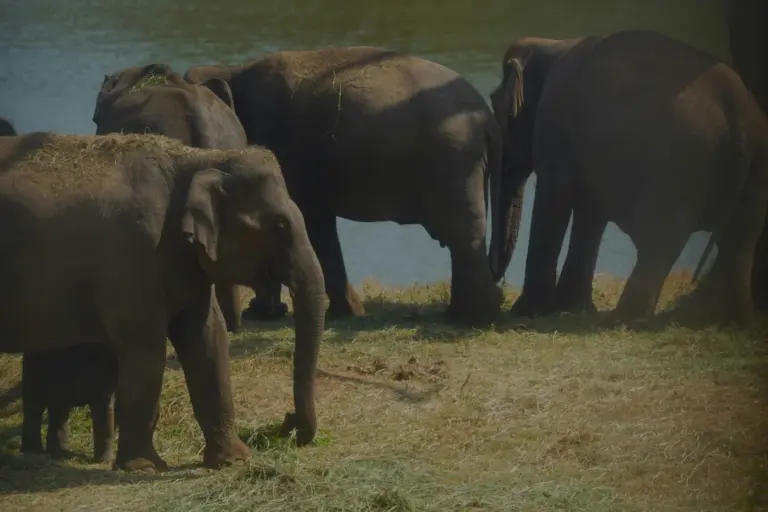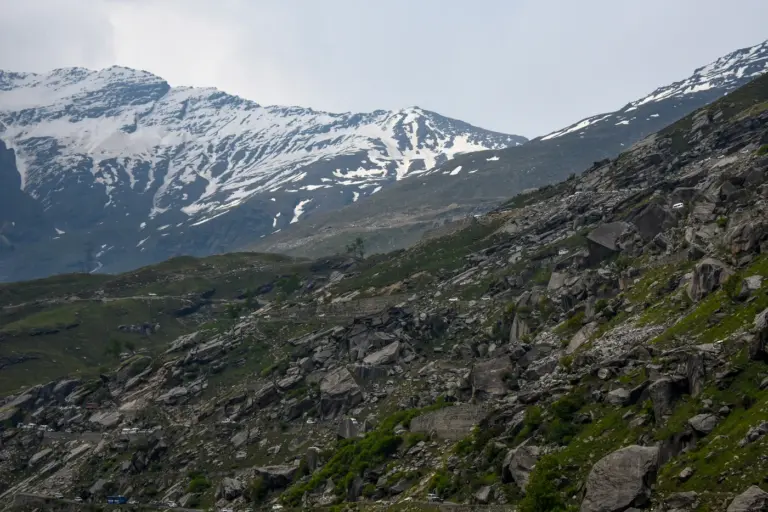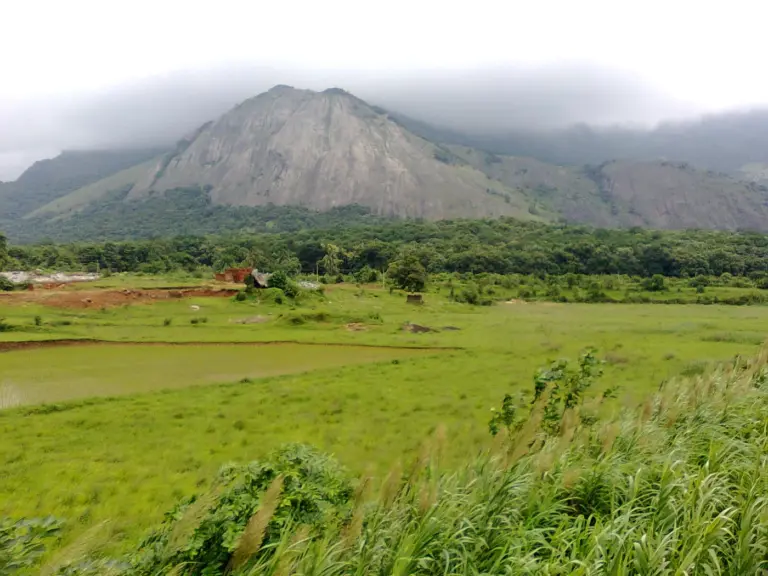
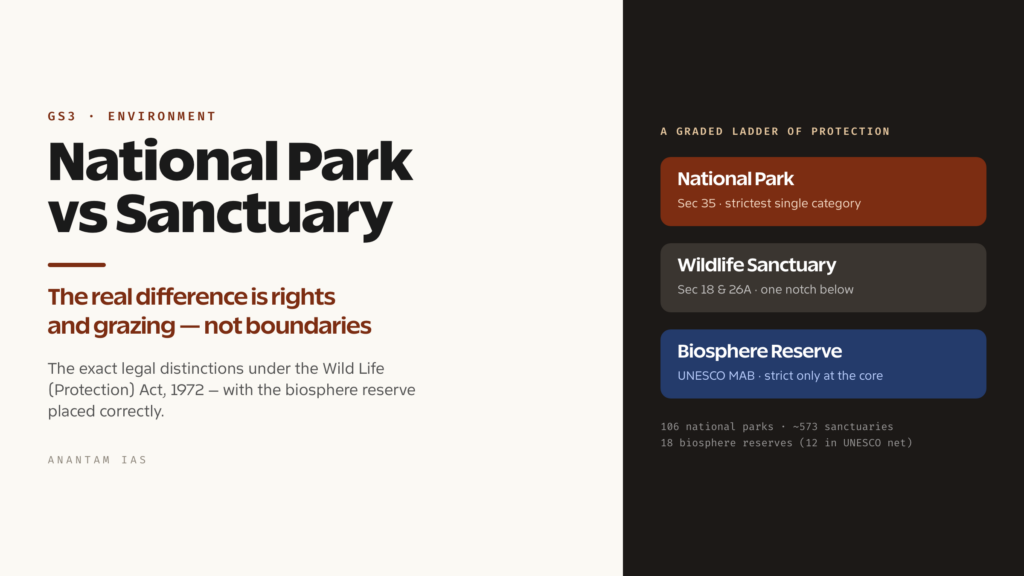
India has 107 national parks and about 573 wildlife sanctuaries, but the meaningful distinction is the legal difference between them, not the count. A national park (declared under Section 35 of the Wild Life (Protection) Act, 1972) protects the whole ecosystem, with no grazing and no private rights allowed inside. A wildlife sanctuary (Sections 18 and 26A) protects wildlife but can permit regulated human activity with the Chief Wildlife Warden’s permission. A biosphere reserve is a separate, UNESCO-linked, multi-use category, not one of the Act’s four statutory “protected areas”. Similipal in Odisha became the 107th national park in April 2025.
Almost every aspirant can recite that India has 107 national parks and 500-odd wildlife sanctuaries. Far fewer can answer the question Prelims actually asks: what is the legal difference between the two, and where does a biosphere reserve fit? The lists tell you names. They never tell you which category is more strictly protected, who declares it, or whether a villager can still graze cattle inside.
That gap is exactly where this topic is tested. The Wild Life (Protection) Act, 1972 sorts India’s wild spaces into a small set of legal categories, each with its own rules about human activity, land rights and how boundaries can be changed. Get those rules straight and a whole family of Prelims statements stops being guesswork. This page is the difference, not the list. For the actual state-wise names, you have the dedicated pages, and I will point you to them.
What the Wild Life (Protection) Act, 1972 Actually Creates
The Act sets up a graded ladder of protection, from light-touch to near-absolute, and gives each rung a precise legal definition. A “protected area” in Indian law means one of four things: a wildlife sanctuary, a national park, a conservation reserve or a community reserve. Biosphere reserves and tiger reserves sit alongside this ladder, layered on top of it, which is why they confuse people. Let me take the four statutory categories first, in plain terms.
A wildlife sanctuary is the entry rung. Think of it as protection focused on the animals rather than on locking down the land. The State Government declares it under Section 18 (and finally notifies it under Section 26A) of the Act. Some human activity can continue inside a sanctuary if the Chief Wildlife Warden permits it and it does not harm the wildlife, which historically included grazing and certain customary rights. India had roughly 573 wildlife sanctuaries as of late 2023, the largest being Karakoram Wildlife Sanctuary in Ladakh.
A national park is the stricter rung. It is declared by the State Government under Section 35, and the key phrase in the law is that it protects the whole ecosystem, not just one species. Inside a national park, no grazing of livestock is permitted and no private rights are recognised once the area is settled. You cannot quietly downgrade or carve up a national park either: by Section 35(5), no alteration of its boundaries can be made except on a resolution passed by the State Legislature. There were about 106 national parks in India in late 2023, a figure that rose to 107 when Similipal, Odisha, was notified as a national park in April 2025. A crucial nuance the lists hide: a sanctuary can be upgraded into a national park, because Section 35 lets the State constitute a park out of “an area, whether within a sanctuary or not.”
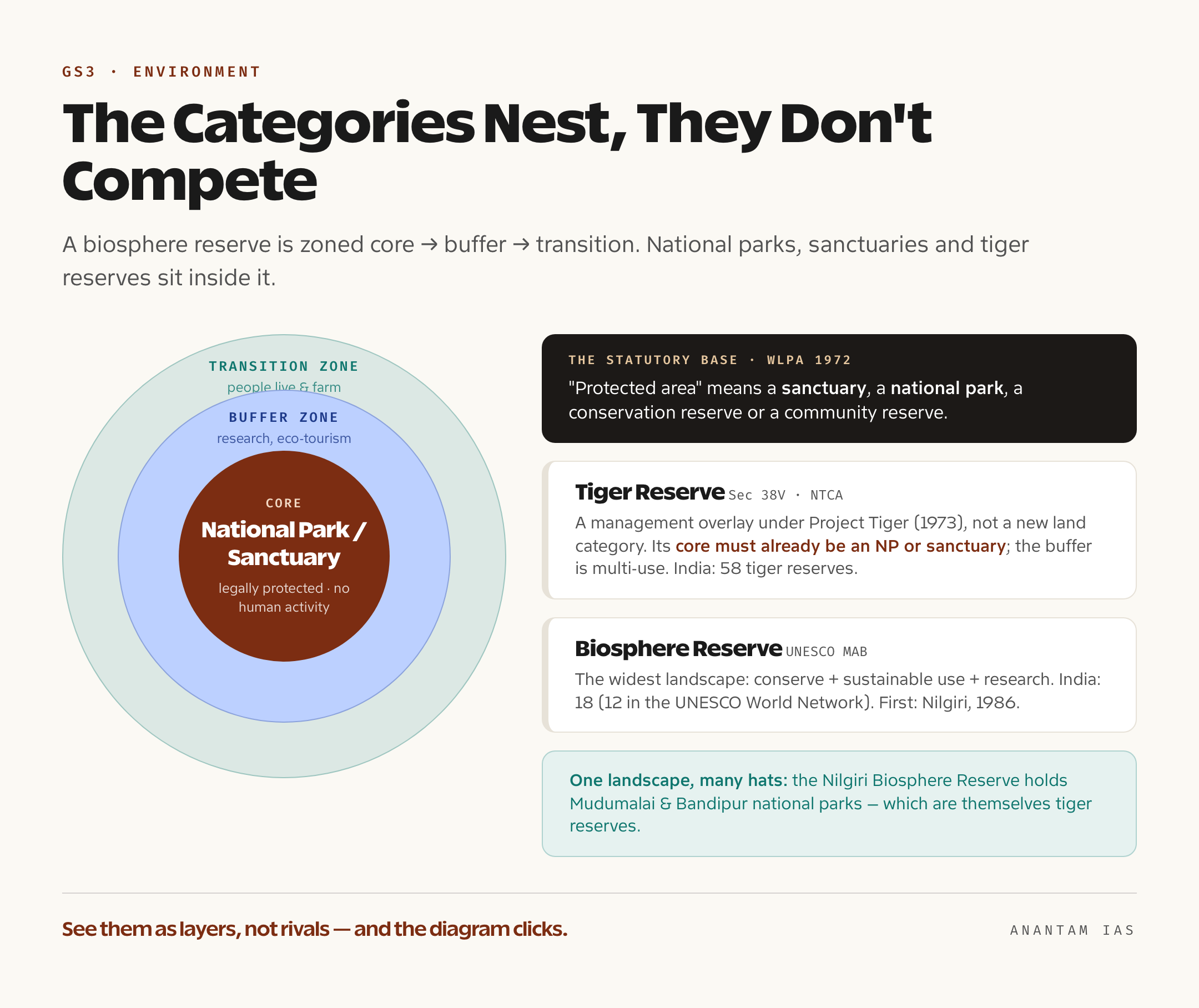
A biosphere reserve is a different animal altogether. It is not primarily a WLPA category at all. It comes from UNESCO’s Man and the Biosphere (MAB) Programme, launched in 1971, and is run in India as a central scheme of the Ministry of Environment, Forest and Climate Change. A biosphere reserve is a large, multi-use landscape designed to do three jobs at once: conserve biodiversity, allow sustainable human use, and support research. It is zoned into a core (legally protected, usually an existing national park or sanctuary, no human activity), a buffer (limited research, education, eco-tourism) and a transition zone (where people live and farm sustainably). India has 18 biosphere reserves, of which 12 are inscribed on UNESCO’s World Network of Biosphere Reserves. The first was the Nilgiri Biosphere Reserve (1986).
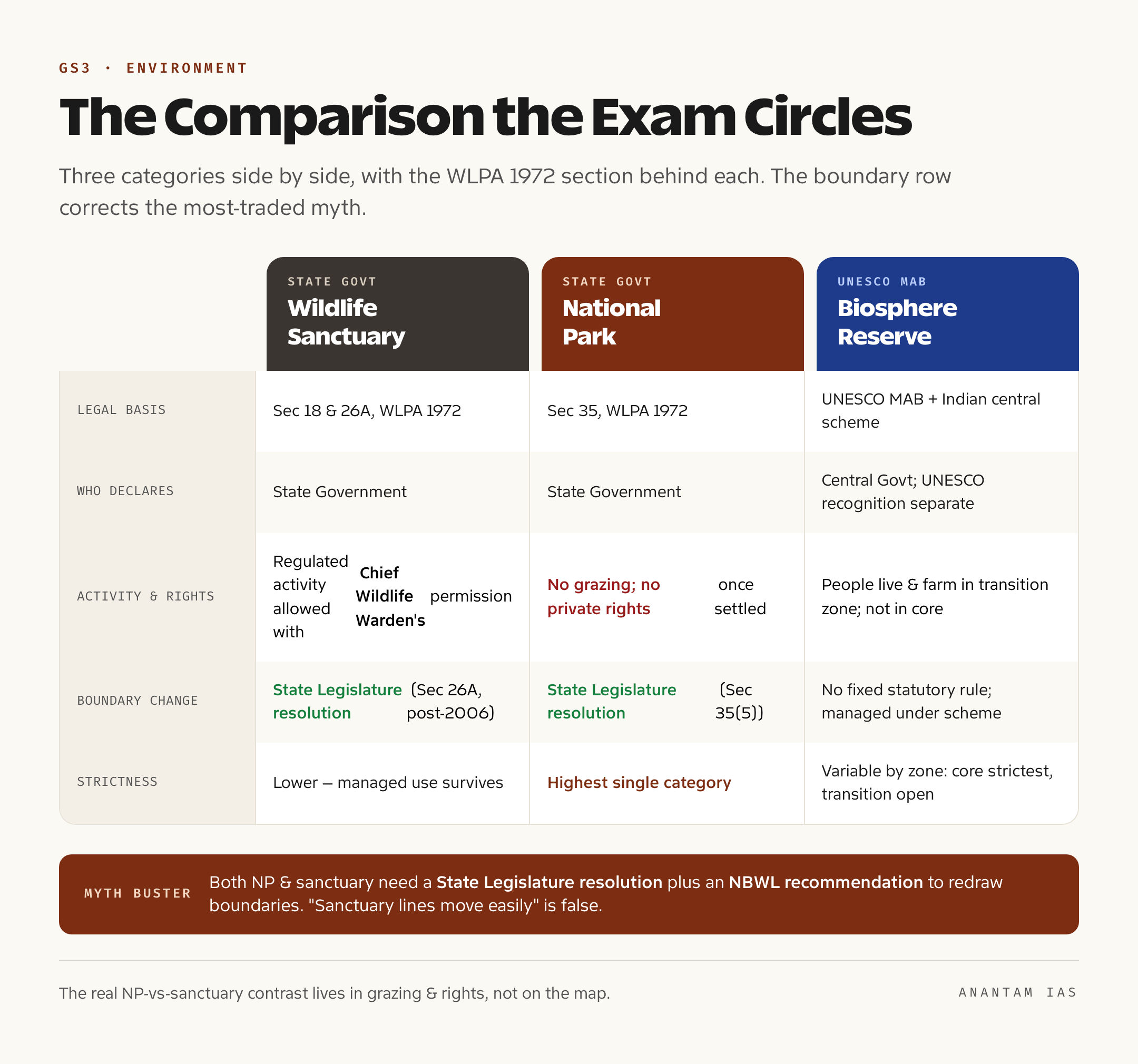
Here is the comparison the exam keeps circling back to. Read the paragraph above first, then the table is just confirmation.
| Feature | Wildlife Sanctuary | National Park | Biosphere Reserve |
|---|---|---|---|
| Legal basis | Sections 18 and 26A, WLPA 1972 | Section 35, WLPA 1972 | UNESCO MAB programme + Indian central scheme |
| Who declares it | State Government | State Government | Central Govt notification; UNESCO recognition is separate |
| Primary aim | Protect a species / specific wildlife | Protect the whole ecosystem | Conservation + sustainable use + research |
| Human activity | Regulated, may be allowed with Chief Wildlife Warden’s permission | Strictly prohibited; no grazing | Allowed in buffer and transition zones, not in the core |
| Private rights | May be recognised in some cases | Not allowed once settled | Recognised in transition zone (people live there) |
| Boundary change | State Legislature resolution (Section 26A) | State Legislature resolution (Section 35(5)) | No fixed statutory rule; managed under the scheme |
| Relative strictness | Lower | Higher (most protected single category) | Variable by zone (core strictest, transition open) |
The Boundary-Change Myth Most Notes Get Wrong
Here is the single most common error in this topic, and it trips up almost everyone. Old coaching notes claim that a wildlife sanctuary’s boundaries are “less sacrosanct” and can be changed easily by the State Government, while only a national park needs a State Legislature resolution. That distinction is no longer correct, and Prelims setters love exploiting it.
After the 2006 amendment to the Act, the safeguard was levelled up. Section 26A(3) now provides that the boundaries of a sanctuary cannot be altered except on a resolution passed by the State Legislature, and the same protection in Section 35(5) has long applied to national parks. On top of that, no alteration of the boundaries of a national park or sanctuary by the State Government can be made except on the recommendation of the National Board for Wild Life (NBWL), the apex advisory body chaired by the Prime Minister. So the honest, current position is: both categories need a State Legislature resolution to redraw boundaries, and both need NBWL clearance. The real difference between them lives in human activity and rights inside the area, not in how easily the lines on the map can move.
So if you see a statement that says “sanctuary boundaries can be altered by the State Government alone,” mark it false. That is the whole trap. The genuine, examinable contrasts are the ones in the table above: grazing, private rights and the aim of protection.
A Quick Word on “Strictness”
People reach for IUCN-style language here, and it is a useful intuition as long as you do not over-claim it. A national park behaves like a strict, no-extraction protected area; a sanctuary behaves like a managed one where regulated use can survive; a biosphere reserve is a graded mosaic that is strict only at its core. The Act itself does not assign IUCN numbers, so in an answer say “more strictly protected” rather than inventing a category. The point that matters for marks is the direction: national park is the most restrictive single WLPA category, the sanctuary is one notch below it.
Conservation Reserves, Community Reserves and Tiger Reserves
These three categories are where aspirants lose easy marks, because they overlap with everything above and the names sound interchangeable. They are not.
Conservation reserves and community reserves were both added by the 2002 amendment to fill a real gap: protecting land between and around the big parks, and protecting privately or community-held land that the State could not simply take over. A conservation reserve (Section 36A) is declared by the State on government-owned land, typically a corridor adjacent to a national park or sanctuary, after consulting local communities. A community reserve (Section 36C) is declared on private or community land where the community itself has volunteered to conserve wildlife. The crucial distinction: conservation reserve sits on government land, community reserve on private or community land. As of late 2023, India had around 115 conservation reserves and 220 community reserves.
Tiger reserves are a separate layer again, and the overlap here is the part to nail. A tiger reserve is notified by the State Government under Section 38V on the recommendation of the National Tiger Conservation Authority (NTCA), the statutory body that runs Project Tiger (launched in 1973). A tiger reserve is built on a core-buffer model: the core, or critical tiger habitat, must already have the legal status of a national park or a sanctuary, while the buffer is a mixed multiple-use zone. India has 58 tiger reserves. The takeaway you should be able to state in one line: a tiger reserve is not a fresh land category, it is a management overlay whose core is an existing national park or sanctuary.
This is also why a single landscape can wear several hats at once. The Nilgiri Biosphere Reserve, for instance, contains national parks like Mudumalai and Bandipur, which are themselves tiger reserves. The categories nest; they do not compete. Once you see them as layers, the diagram clicks. If you want the full inventory rather than the logic, use the dedicated list pages below: there is no need to memorise hundreds of names from here.
The table that follows keeps these three straight at a glance.
| Category | Declared under | Land type | What it adds |
|---|---|---|---|
| Conservation Reserve | Section 36A (2002) | Government land | Buffers and corridors near parks/sanctuaries |
| Community Reserve | Section 36C (2002) | Private / community land | Community-led conservation, voluntary |
| Tiger Reserve | Section 38V, on NTCA advice | Core (NP/sanctuary) + buffer | Management overlay under Project Tiger |
How to Study This for UPSC
Treat this as a high-frequency Prelims topic and a supporting Mains point, in that order. The smartest sequence is: lock the legal differences first from this page, then go to the lists only for the headline names.
Start by mastering one comparison cold: national park vs wildlife sanctuary on three axes, which are human activity, private rights and aim of protection. Then add the boundary-change correction (both need a State Legislature resolution plus NBWL recommendation, post-2006) because that is the single most-traded false statement. For the broader framework, read our explainer on the Wild Life (Protection) Act, 1972 once for the schedules and amendments, and the deeper wildlife sanctuary legal framework page for Section 26A in detail.
For the names and numbers, do not cram them from a difference article. Use the complete list of national parks in India and the biosphere reserves of India for state-wise tables, and the Project Tiger and tiger reserves page for the 58 reserves and the core-buffer logic. Connect the whole thing to the bigger picture through our in-situ conservation note and the Environment and Ecology study guide.
How it is tested: Prelims asks “consider the following statements” on who declares, what is allowed, and how boundaries change, plus map-matching of a specific reserve to its state. Mains rarely asks the definitions outright; it asks you to use them, for example in a question on human-wildlife conflict or on the rights of forest dwellers, where knowing that grazing is barred in a national park but the transition zone of a biosphere reserve invites it gives your answer real edge. What to skip: do not memorise areas in square kilometres or exact establishment years of every park. They almost never carry a mark.
Frequently Asked Questions
What is the main difference between a national park and a wildlife sanctuary? A national park protects the whole ecosystem and is more strictly protected: no grazing and no private rights are allowed inside it. A wildlife sanctuary focuses on protecting wildlife and can permit some regulated human activity with the Chief Wildlife Warden’s permission. Both are declared by the State Government under the Wild Life (Protection) Act, 1972.
Can a wildlife sanctuary be converted into a national park? Yes. Section 35 of the Act lets the State Government constitute a national park out of an area “whether within a sanctuary or not,” so a sanctuary can be upgraded to a national park. The reverse, downgrading a national park, is far harder and is not the routine path.
Who can change the boundaries of a national park or sanctuary? After the 2006 amendment, the boundaries of both a national park and a wildlife sanctuary can be altered only by a resolution passed by the State Legislature, and the change also needs a recommendation from the National Board for Wild Life. The old idea that a State Government can shrink a sanctuary on its own is outdated.
Is a biosphere reserve a type of protected area under the Act? Not directly. A biosphere reserve is created under UNESCO’s Man and the Biosphere programme and run as an Indian central scheme, with core, buffer and transition zones. Its core is usually an existing national park or sanctuary that does carry WLPA protection, but the biosphere designation itself is separate from the four statutory categories.
How is a tiger reserve different from a national park? A tiger reserve is a management overlay notified under Section 38V on the NTCA’s recommendation, using a core-buffer model. Its core must already be a national park or a sanctuary, so a tiger reserve is not a new land category; it sits on top of existing protected areas under Project Tiger.
Practice Questions
Prelims MCQs
- With reference to protected areas under the Wild Life (Protection) Act, 1972, which of the following is correct? (a) Only a national park is declared by the State Government (b) A wildlife sanctuary permits no human activity of any kind (c) A national park prohibits grazing and private rights, while a sanctuary may allow regulated activity (d) Biosphere reserves are declared under Section 35 Answer: (c) A national park is the stricter category; the sanctuary allows regulated use, and biosphere reserves are not a WLPA category.
- After the 2006 amendment, the boundaries of a wildlife sanctuary can be altered: (a) by the Chief Wildlife Warden (b) by the State Government alone (c) only by a resolution of the State Legislature (d) only by Parliament Answer: (c) Section 26A(3) requires a State Legislature resolution, the same safeguard as for national parks.
- Conservation Reserves and Community Reserves were introduced by which amendment to the Act? (a) 1991 (b) 2002 (c) 2006 (d) 2022 Answer: (b) Both categories were added by the 2002 amendment to protect corridors and community land.
- Which statement about biosphere reserves in India is correct? (a) India has 18 biosphere reserves, of which 12 are in the UNESCO World Network (b) All biosphere reserves are recognised by UNESCO (c) Biosphere reserves have only two zones (d) The first was the Sundarbans Answer: (a) India has 18 biosphere reserves, 12 of which are inscribed by UNESCO; the first was the Nilgiri Biosphere Reserve.
- A tiger reserve in India is notified under which provision, and on whose recommendation? (a) Section 18, Chief Wildlife Warden (b) Section 35, NBWL (c) Section 38V, NTCA (d) Section 36A, State Board Answer: (c) Tiger reserves are notified under Section 38V on the recommendation of the National Tiger Conservation Authority.
Mains Practice Questions
- Distinguish between a national park, a wildlife sanctuary and a biosphere reserve as instruments of in-situ conservation in India. (15 marks, 250 words)
- “The strength of India’s protected-area network lies less in its categories than in how they nest.” Examine with reference to tiger reserves and biosphere reserves. (15 marks, 250 words)
- Conservation Reserves and Community Reserves were meant to bridge the gap between strict protection and local livelihoods. Assess how far they have succeeded. (10 marks, 150 words)
- Discuss the legal safeguards against the de-notification or shrinking of protected areas under the Wild Life (Protection) Act, 1972. (15 marks, 250 words)
- How does the zoning of a biosphere reserve reconcile biodiversity conservation with sustainable human use? Illustrate with an Indian example. (10 marks, 150 words)
The fastest win here is not learning more names; it is fixing the two ideas the lists never teach you, that the real national-park-versus-sanctuary difference is about rights and grazing inside the area, and that boundaries of both are now equally hard to move. Master those, treat tiger and biosphere reserves as layers rather than rivals, and a chunk of the environment section stops being a memory test and starts being logic. Bookmark the list pages for the names, and come back here whenever a statement tries to talk you out of what you actually know.
Tell Google you want more of this.
Add Anantam IAS as a preferred sourceOne tap, and this site shows up more often in your own Top Stories, AI Overviews and AI Mode. Remove it any time.