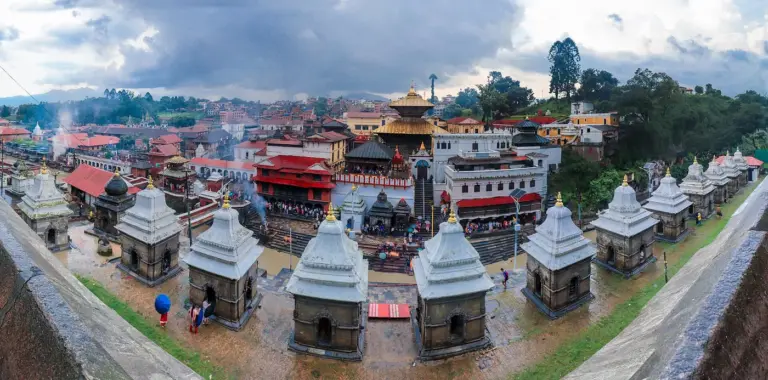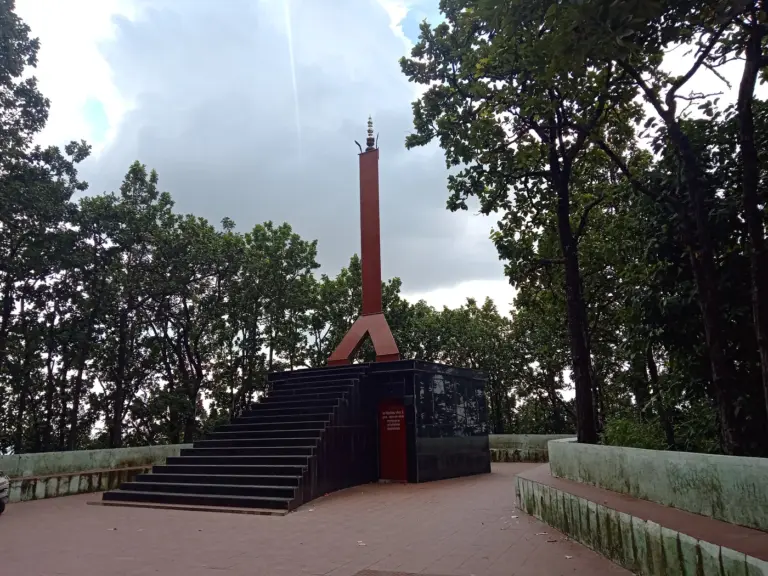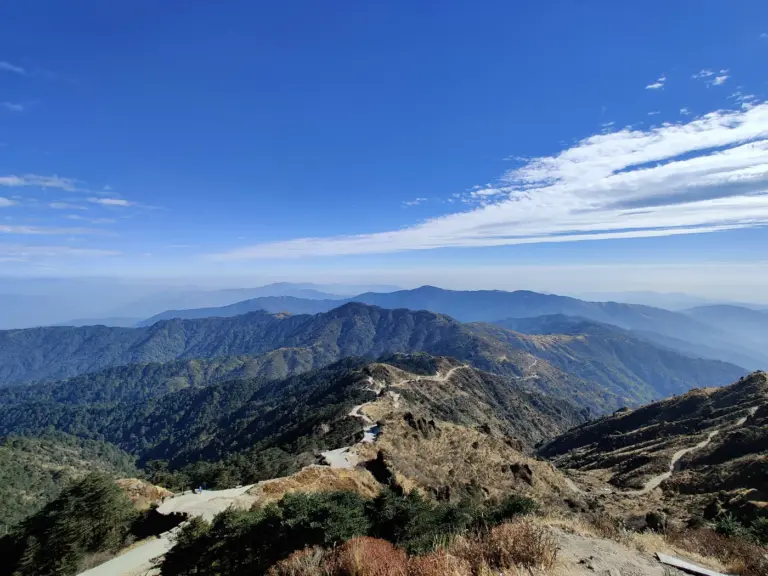

India-Nepal relations are rooted in geography, Hinduism, Buddhism, and the open border — formalised by the Treaty of Peace and Friendship (1950) that grants near-national treatment to each other’s citizens. They are tested by Nepali nationalism, the Kalapani boundary dispute, China’s growing economic footprint, and the periodic irritant of Indian “big-brother” framing. For UPSC GS II, this file tests open-border management, small-state agency, hydropower diplomacy, and the politics of revising old treaties.
Historical context
The 1950 Treaty — a product of post-independence anxiety about PRC China's westward push — gave Nepalis and Indians reciprocal rights to residency, employment, and property ownership. It also required Nepal to consult India on defence acquisitions. Nepali elites have long seen this as subservient; Nepali nationalism often organises around revising it. The 2008 end of monarchy and transition to a secular federal republic added complications — a new constitution (2015) triggered an economic blockade and a crisis of perception.
Key issues in the relationship
| Issue | Key points |
|---|---|
| 1950 Treaty | Revision demanded; Eminent Persons Group (EPG) report pending since 2018 |
| Kalapani border | Lipulekh-Kalapani-Limpiyadhura; Nepal's 2020 constitutional amendment reclassified the area |
| Defence | Surya Kiran exercise; Gorkha recruitment; assistance in modernisation |
| Disaster aid | India's 2015 earthquake response; Operation Maitri; USD 1 billion package |
| Connectivity | Jaynagar-Bardibas rail; Motihari-Amlekhgunj pipeline; ICP at Birgunj |
| Energy | Arun III (900 MW); Pancheshwar project framework; cross-border power trade |
| Economy | India accounts for ~two-thirds of Nepal's external trade; largest FDI source |
Areas of cooperation
Trade and investment
- India accounts for roughly two-thirds of Nepal's external trade and provides transit for Nepal's third-country trade.
- Nepal's major exports: jute, handicrafts, carpets, agricultural products.
- Indian firms are the largest investors (>30% of approved FDI in Nepal).
Energy
- Nepal has 40,000 MW hydropower potential — mostly untapped.
- Exports to India reached approximately 1,000 MW in 2024, up from 650 MW in 2023.
- Long-term agreement to export 10,000 MW over 10 years signed in 2023-24.
- Tripartite Nepal-India-Bangladesh power trade operationalised in 2024.
- Arun III (900 MW) project by SJVN on track for 2025 commissioning.
- Motihari-Amlekhgunj petroleum pipeline — first cross-border oil pipeline in South Asia.
Connectivity
- Jaynagar-Bardibas and Jogbani-Biratnagar rail links operational.
- Integrated Check Posts at Birgunj, Biratnagar, Bhairahawa, Nepalgunj.
- Ayodhya-Janakpur direct rail service under consideration.
- Raxaul-Kathmandu railway feasibility completed.
- HIT (Highways, I-ways, Trans-ways) formula launched.
Defence
- Surya Kiran battalion-level joint military exercise, alternately in India and Nepal.
- Gorkha regiments — tripartite agreement (UK-India-Nepal, 1947) governs recruitment.
- Equipment, training, and officer exchanges.
Humanitarian assistance
- 2015 earthquake — India's Operation Maitri; NDRF first responders; USD 67 million relief + USD 1 billion post-quake package.
- 2023 Jajarkot earthquake — USD 75 million package.
Digital
- UPI expansion to Nepal (2024).
- Cooperation on Digital Public Infrastructure.
Challenges
Kalapani boundary dispute
- Lipulekh-Kalapani-Limpiyadhura trijunction with China.
- Triggered when India inaugurated the Kailash Mansarovar road via Lipulekh in May 2020.
- Nepal's parliament passed a constitutional amendment in June 2020 with a revised map.
- India-Nepal Foreign Secretary-level joint mechanism restarted in 2024.
Nepal's China tilt
- Left-aligned leaderships (Prachanda, Oli) have generally leaned toward Beijing.
- BRI agreements signed in 2017.
- Pokhara Regional International Airport (2023) — Chinese-built; operates at low volume; India has not granted overflight permissions.
- Gautam Buddha International Airport (Bhairahawa) — similar status.
- Chinese military visits and training rising.
Agnipath
- Agniveer scheme (2022) — four-year limited service. Nepal's Gurkha community saw this as a devaluation.
- Nepal paused fresh Gurkha recruitment under Agnipath; status reviewed in 2024-25.
Trade deficit
- Nepal runs a trade deficit with India close to 18% of GDP.
- Infrastructure and high transaction costs.
Domestic political volatility
- Frequent government changes (CPN-UML, Nepali Congress, Maoist Centre shuffles).
- Far-right clamour for restoration of monarchy and Hindu state identity (2023-24).
- Anti-India rhetoric periodically from left parties and fringe groups.
Madhesi politics
Southern Terai belt — large Madhesi population with cultural-linguistic links to Bihar and UP. Their 2015 protests triggered the economic blockade that strained ties.
Opportunities
- Geographical reality — most Nepalis live in the low-lying terai close to Indian borders, not Tibetan plateau.
- Hydropower export growing; revenue earner and emissions reducer.
- BBIN connectivity framework.
- BIMSTEC — Nepal is a founding member.
- Regional energy grid — BIMSTEC/SAARC electricity trading.
- Digital financial connectivity — UPI, RuPay.
Latest developments (2024-26)
- PM Prachanda's visits (2023-24) to India; power export agreements expanded.
- PM KP Sharma Oli returned as PM (July 2024) in coalition with Nepali Congress; softened anti-India rhetoric.
- Nepal-India-Bangladesh tripartite power trade operational.
- Jajarkot earthquake (November 2023) — India's rapid response.
- UPI in Nepal (2024) operational.
- G20 New Delhi (2023) — Nepal invited as guest; endorsed DPI cooperation.
- BIMSTEC Summit Bangkok (2025) — Nepal endorsed Charter.
- BRICS expansion (2024) — Nepal not included.
- Quad Summit Wilmington (2024) — Himalayan security context.
- Red Sea crisis, Israel-Hamas, Russia-Ukraine update — Nepal's foreign policy held moderate line.
- AI Action Summit Paris (2025) — Nepal signed declaration.
- Operation Sindhu Thakur style NEOs — Nepali workers in West Asia and Ukraine protected under India's evacuation umbrella as per past practice.
- Eminent Persons Group (EPG) report still not formally accepted by India.
- Agnipath review — both sides exploring calibrated framework for Gurkha recruitment.
Way forward
- Accept the EPG Report as a roadmap; move on the 1950 Treaty revision.
- Border management — introduce identity cards at major crossings; preserve open travel.
- Sustained multi-level engagement — not episodic; across political spectrum.
- Speed up project delivery — the Chinese counter-example is compelling for Nepali voters.
- People-to-people density — no other country matches India's cultural depth; use it.
- Address hill-region perception — more than Terai.
- Finalise Gurkha framework post-Agnipath; honour historic ties.
- Work with Madhesi parties respectfully, not as proxies.
The 2015 blockade and its aftermath
When Nepal promulgated its new constitution in September 2015, Madhesi groups protested alleging inadequate representation. The Indian-Nepal border saw a five-month economic blockade — essential supplies, fuel, and medicines blocked. Though New Delhi denied formal involvement, Nepal perceived India as complicit. The blockade pushed Kathmandu toward a transit and trade agreement with China (2016), breaking India's monopoly on Nepal's external trade routes. The episode remains the reference trauma in Nepali foreign policy.
Treaty of Peace and Friendship (1950) debate
Key provisions:
- Article 2: Obligation to inform each other on "any serious friction or misunderstanding" with neighbours.
- Article 5: Nepal's import of military hardware through India "in consultation" with India.
- Article 6: Equal treatment for Indian and Nepali nationals in each other's economic and industrial development.
- Article 7: National treatment — each country's citizens can reside, own property, and do business in the other on par with locals.
The Eminent Persons Group (EPG) — formed in 2016 with four members each from India and Nepal — submitted its report in 2018 recommending revision. India has not yet formally accepted the report.
Kalapani-Lipulekh-Limpiyadhura in detail
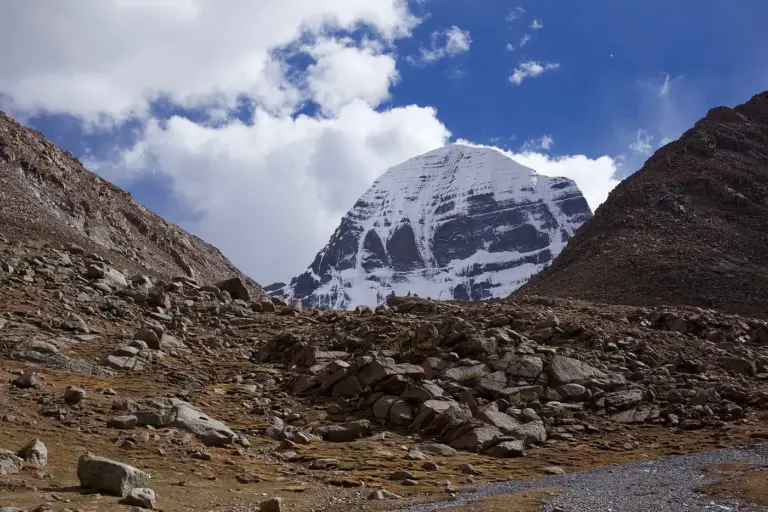
The trijunction with China sits at the source of the Kali/Mahakali river — central to the Kailash Mansarovar pilgrimage route. Indian and British maps have shown the area as Indian territory since the Treaty of Sugauli (1816). Nepal disputes the interpretation of which tributary is the "Mahakali source." In May 2020, after India inaugurated a road from Dharchula to Lipulekh Pass, Nepal's Parliament passed a constitutional amendment redrawing Nepal's map to include Kalapani, Lipulekh, and Limpiyadhura. India rejected the move; a Foreign Secretary-level mechanism restarted in 2024.
Gurkha recruitment and Agnipath
The Tripartite Agreement (1947) between India, UK and Nepal governs Gurkha recruitment. India raises Gorkha regiments with Nepali recruits from hill districts. The Agnipath scheme (2022) — four-year limited service — was rejected by Nepal as inconsistent with the tripartite framework. Recruitment paused. In 2024-25, both sides explored a calibrated framework to resume Gurkha recruitment under adjusted terms.
UPSC Relevance
Nepal is tested across GS II (bilateral relations, India's neighbourhood) and GS I (Indo-Aryan cultural links). Prelims has asked about 1950 Treaty, Kalapani, Surya Kiran, Pancheshwar, BBIN. Mains prompts rotate between hydropower, open border, Chinese influence, and Gurkha recruitment.
Practice question (Mains): Examine the complexity of India-Nepal relations in the light of the Kalapani dispute and the Agnipath scheme's impact on Gurkha recruitment. (250 words)
Tell Google you want more of this.
Add Anantam IAS as a preferred sourceOne tap, and this site shows up more often in your own Top Stories, AI Overviews and AI Mode. Remove it any time.