Unity in Diversity is the defining civilisational idea of India — the coexistence of multiple languages, religions, ethnicities, regional cultures, and traditions within a single political and constitutional framework. The phrase was famously used by Jawaharlal Nehru in The Discovery of India (1946), where he described India as “an ancient palimpsest on which layer upon layer of thought and reverie had been inscribed, and yet no succeeding layer had completely hidden or erased what had been written previously.”
For the UPSC aspirant, Unity in Diversity is not just a slogan but a constitutional commitment, a sociological reality, and a policy challenge rolled into one.
Meaning: What "Unity in Diversity" Really Stands For
- Unity — a shared political identity, constitutional citizenship, common goals of justice, liberty, equality, and fraternity
- Diversity — differences in language, religion, ethnicity, region, caste, food, dress, festivals, and customs
- The Indian idea does not demand uniformity; it celebrates difference within an overarching constitutional framework
Sociologist M.N. Srinivas described this as "a federation of cultures." Herbert Risley (1915), writing earlier, said: "Beneath the manifold diversity of physical and social type, language, custom and religion which strikes the observer in India, there can still be discerned a certain underlying uniformity of life."
The Scale of India's Diversity
| Dimension | Facts |
|---|---|
| Languages | 22 scheduled in the 8th Schedule; 1,369 rationalised mother tongues; 121 languages spoken by 10,000+ speakers (Census 2011) |
| Religions | Hinduism, Islam, Christianity, Sikhism, Buddhism, Jainism, Zoroastrianism, Judaism, Baha'ism |
| Major ethnic groups | Negrito, Proto-Australoid, Mongoloid, Mediterranean, Western Brachycephals (Alpine/Dinaric), Nordic |
| Communities | 4,635+ communities documented in the People of India project (Anthropological Survey of India, K.S. Singh, 1985–92) |
| States and UTs | 28 States and 8 Union Territories, each with distinct cultural profiles |
| Climatic zones | Alpine, temperate, tropical, arid, coastal, insular |
Types of Diversity
1. Linguistic Diversity
- Four major language families: Indo-Aryan (~78%), Dravidian (~19%), Austroasiatic, Sino-Tibetan
- The 8th Schedule originally listed 14 languages; currently lists 22 after amendments (Sindhi in 1967; Konkani, Manipuri, Nepali in 1992; Bodo, Dogri, Maithili, Santhali in 2003)
- The Official Languages Act, 1963 designates Hindi and English as official languages of the Union
2. Religious Diversity
- India is the birthplace of four major world religions — Hinduism, Buddhism, Jainism, Sikhism
- Home to the world's third-largest Muslim population and significant Christian, Zoroastrian, and Jewish communities
- The Constitution declares India a Secular state (42nd Amendment, 1976)
3. Ethnic and Racial Diversity
- Six broad racial types as classified by B.S. Guha (1935): Negrito, Proto-Australoid, Mongoloid, Mediterranean, Western Brachycephals, Nordic
- Modern genetic studies show far more complex admixture; the older typology survives in UPSC syllabi as a historical classification
4. Regional and Geographical Diversity
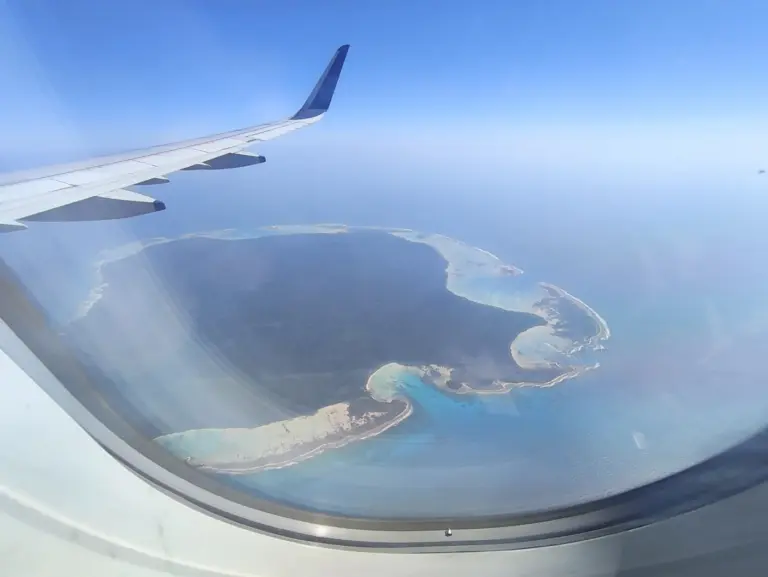
- From Kashmir to Kanyakumari, from the Thar Desert to the rainforests of the Northeast
- Distinct cultural zones: Dravidian South, Indo-Gangetic plain, Himalayan belt, Northeast, coastal and island zones
5. Caste and Tribal Diversity
- Scheduled Castes (~16.6%), Scheduled Tribes (~8.6%) per Census 2011
- Around 705 Scheduled Tribes notified; 75 classified as Particularly Vulnerable Tribal Groups (PVTGs)
Constitutional Basis of Unity in Diversity
The Preamble
Declares India a Sovereign, Socialist, Secular, Democratic, Republic and resolves to secure Liberty, Equality, Fraternity to all citizens — with fraternity assuring "dignity of the individual and the unity and integrity of the Nation."
Fundamental Rights
| Article | Provision |
|---|---|
| Article 14 | Equality before law |
| Article 15 | Prohibition of discrimination on grounds of religion, race, caste, sex, or place of birth |
| Article 16 | Equality of opportunity in public employment |
| Articles 25–28 | Freedom of religion |
| Article 29 | Protection of interests of minorities — right to conserve language, script, culture |
| Article 30 | Right of minorities to establish and administer educational institutions |
Fundamental Duties
Article 51A(e) — "To promote harmony and the spirit of common brotherhood amongst all the people of India transcending religious, linguistic and regional or sectional diversities; to renounce practices derogatory to the dignity of women."
Article 51A(f) — "To value and preserve the rich heritage of our composite culture."
Other Provisions
- Eighth Schedule — 22 official languages
- Fifth and Sixth Schedules — Protection of tribal areas in mainland and Northeast
- Article 371 and variants — Special provisions for states like Nagaland, Mizoram, Manipur, Sikkim, Maharashtra, Gujarat, Andhra Pradesh
Symbols and Examples of Unity in Diversity
- Republic Day Parade on Rajpath (now Kartavya Path) — tableaux from every state
- Pan-Indian festivals celebrated across communities: Diwali, Holi, Eid, Christmas, Guru Nanak Jayanti, Buddha Purnima, Mahavir Jayanti, Nowruz
- Cuisine — biryani, dosa, rogan josh, litti-chokha, bisibele bhath, rasgulla — shared across linguistic lines
- Cinema — Bollywood, Tollywood, Kollywood, Mollywood, Bhojpuri, Bengali, Assamese — each thriving
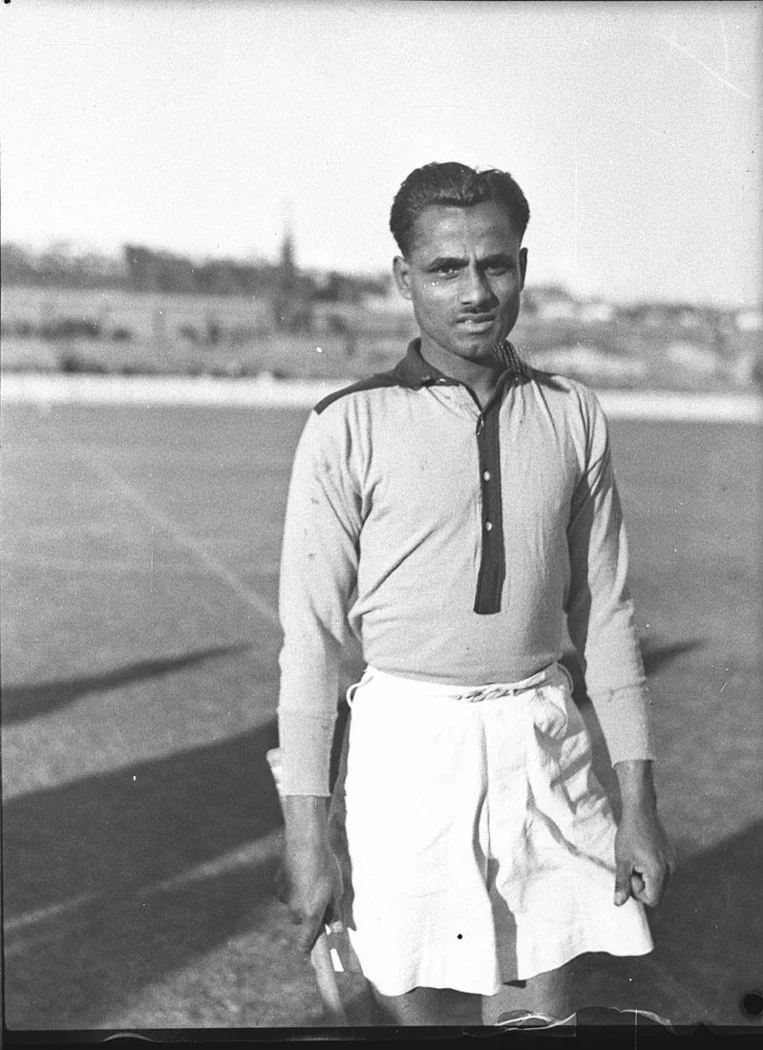
- Sports teams — the Indian cricket team draws from every state and religion
- Indian Armed Forces — regiments based on regional identity serve under a unified command
Ek Bharat Shreshtha Bharat (EBSB)
Launched on 31 October 2015 on the birth anniversary of Sardar Vallabhbhai Patel (Rashtriya Ekta Diwas), the Ek Bharat Shreshtha Bharat programme under the Ministry of Education promotes:
- State pairing — each state is paired with another for a year to exchange culture, language, and tourism (e.g., Gujarat–Chhattisgarh, Maharashtra–Odisha)
- Activities include language learning, food festivals, exchange tours for students and teachers
- Aim: sustained and structured cultural connect among states
Challenges to Unity in Diversity
| Challenge | Manifestation |
|---|---|
| Communalism | Religious polarisation, riots, hate speech |
| Linguistic chauvinism | "Sons of the soil" politics, anti-imposition movements |
| Regionalism | Demands for separate statehood, river-water disputes |
| Casteism | Caste-based discrimination, violence |
| Xenophobia | Violence against migrants within India |
| External factors | Cross-border propaganda, diaspora politics |
Thinkers on Indian Diversity
- Jawaharlal Nehru — The Discovery of India — "unity in diversity"
- Rabindranath Tagore — “India’s history has been the history of mutual adjustment of diverse social units”
- B.R. Ambedkar — Emphasised social democracy as prerequisite for political democracy
- Mahatma Gandhi — Sarva Dharma Sambhava (equal respect for all religions)
- Sardar Patel — Integration of princely states as political unity
UPSC Relevance
GS1 (Indian Society): Salient features of Indian society, diversity, regionalism, communalism, secularism.
GS2 (Polity): Constitutional provisions — Preamble, Fundamental Rights (Articles 14–30), Fundamental Duties (Article 51A), Official Languages Act, special provisions.
Essay: Unity in Diversity, Composite Culture, Idea of India, Secularism.
Key Prelims Facts:
- 22 scheduled languages in the 8th Schedule
- 4,635+ communities — People of India project by Anthropological Survey of India
- Article 29–30: Cultural and Educational Rights of minorities
- Article 51A(e) and 51A(f): Fundamental Duties promoting harmony and composite culture
- Secular and Socialist added by 42nd Amendment, 1976
- Ek Bharat Shreshtha Bharat — launched 31 October 2015 under Ministry of Education
- Rashtriya Ekta Diwas — 31 October (Sardar Patel's birth anniversary)
Tell Google you want more of this.
Add Anantam IAS as a preferred sourceOne tap, and this site shows up more often in your own Top Stories, AI Overviews and AI Mode. Remove it any time.