Corals are marine invertebrate animals in the phylum Cnidaria. Each individual coral is a polyp — a small, soft-bodied animal that secretes a hard calcium carbonate skeleton. Polyps live in colonies of thousands of genetically identical clones, grown through a process called budding. Thousands of colonies stacked over centuries form coral reefs — the rainforests of the sea.
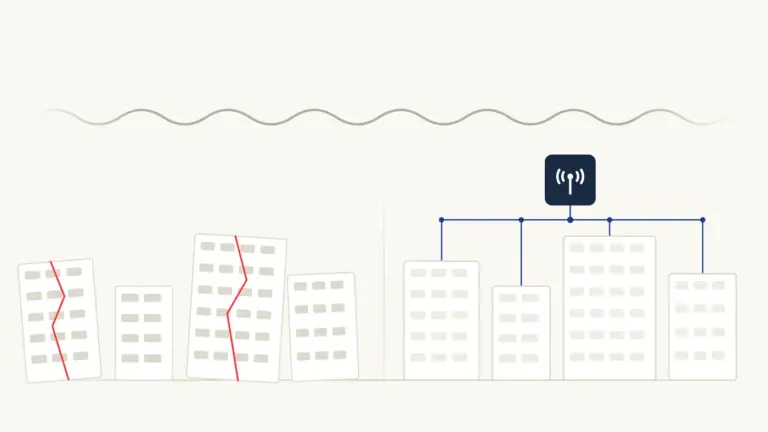
Reefs cover less than 0.1% of the ocean floor but support nearly 25% of marine species. They protect coastlines from storms, support fisheries worth billions, and anchor tourism economies in tropical countries. They are also vanishing. The 2023–24 global coral bleaching event — the fourth on record and the most severe so far — affected reefs in over 80 countries including India.
The Coral–Zooxanthellae Symbiosis
Corals get their colour and most of their energy from tiny photosynthetic algae called zooxanthellae (genus Symbiodinium) that live inside their tissues. The algae supply up to 90% of the coral's energy via photosynthesis; the coral provides shelter and nutrients.
When corals are stressed — especially by heat — they expel the zooxanthellae. Without their algal partners, corals turn ghostly white. This is bleaching. Bleached corals are not dead. They are starving. If stress subsides quickly, algae can recolonise. If stress persists, the coral dies.
Causes of Coral Bleaching
Rising Sea Surface Temperatures
The biggest single cause. A sustained rise of just 1°C above the normal summer maximum for 4–8 weeks triggers mass bleaching. Combined with high UV radiation during calm, clear weather, the stress amplifies.
Ocean Acidification
The ocean absorbs roughly 30% of atmospheric CO2. This forms carbonic acid, lowering ocean pH. Acidification makes it harder for corals to build calcium carbonate skeletons and weakens existing ones.
Sunscreen and Personal Care Chemicals
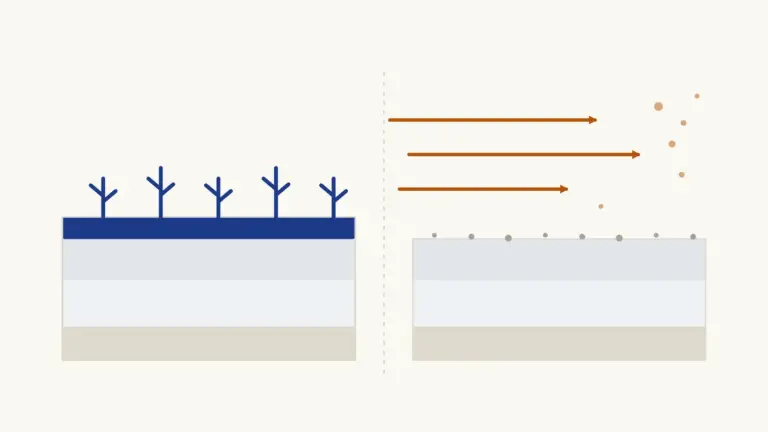
Oxybenzone, octinoxate and other UV-filter chemicals from sunscreens accumulate in reef zones with heavy tourism and promote viral infections in hard corals. Hawaii, Palau and parts of the Caribbean have banned oxybenzone-based sunscreens.
Sediment and Pollution
Coastal construction, deforestation and runoff from agriculture dump sediments and nutrients onto reefs. Sediments smother corals; nutrients cause algal overgrowth that outcompetes corals.
Sodium Cyanide Fishing
Used to stun reef fish for the live aquarium trade. Cyanide damages coral tissues and kills juvenile fish.
Destructive Fishing Practices
Blast fishing and bottom trawling physically shatter reef structures that took centuries to grow.
Fossil Fuel Emissions
Coal mining and burning raise atmospheric CO2 which causes both warming and acidification — the twin pressures reefs cannot escape.
Global Bleaching Events
| Event | Year | Scale |
|---|---|---|
| First global bleaching | 1998 | El Niño-driven; 16% of reefs lost |
| Second | 2010 | Caribbean, SE Asia, Indian Ocean |
| Third | 2014–17 | Most extensive at the time; Great Barrier Reef hit |
| Fourth (current) | 2023–24 / 2024–25 | Most severe ever recorded |
NOAA’s Coral Reef Watch declared the fourth global bleaching event in April 2024. Over 80 countries reported mass bleaching, including India, Australia, Fiji, Kenya, the Maldives and the Caribbean.
Indian Coral Reefs
India's four major reef systems:
- Gulf of Mannar (Tamil Nadu)
- Gulf of Kachchh (Gujarat)
- Lakshadweep Islands
- Andaman and Nicobar Islands
Smaller fringing reefs occur around Malvan (Maharashtra) and Palk Bay.
The 2023–24 bleaching event affected Lakshadweep and Gulf of Mannar reefs heavily. NCCR and ZSI surveys recorded bleaching levels of 70–85% in some monitored sites.
Conservation Framework
International
- International Coral Reef Initiative (ICRI) — informal partnership of governments and organisations for reef conservation; India is a member.
- Global Coral Reef Monitoring Network (GCRMN) — publishes Status of Coral Reefs of the World reports.
- NOAA Coral Reef Watch — satellite-based bleaching alerts.
- Convention on Biological Diversity — reef targets under Kunming–Montreal Framework.
- UNFCCC — climate action is the ultimate protection.
India
- Coral reefs fall under Coastal Regulation Zone-I (CRZ-I) — the most strictly protected category under CRZ Notification 2019.
- Covered by the Wildlife Protection Act 1972 (all corals are listed in Schedule I).
- National Committee on Wetlands, Mangroves and Coral Reefs (under MoEFCC).
- Zoological Survey of India (ZSI) and National Centre for Coastal Research (NCCR) conduct reef monitoring.
- Gulf of Mannar Biosphere Reserve and Gulf of Kachchh Marine National Park protect key reef areas.
Conservation and Restoration Techniques
- Coral nurseries — fragment corals, grow them on artificial structures, transplant to degraded reefs.
- Active and passive restoration — direct transplantation vs creating conditions for natural recovery.
- Marine Protected Areas (MPAs) — no-take zones for critical reef sites.
- 3D-printed reef structures — artificial substrates to accelerate colonisation.
- Biorock / Mineral Accretion Technology — low-voltage current stimulates calcium carbonate growth on metal frames.
- Assisted evolution — breeding heat-tolerant coral strains.
- Microbiome manipulation — probiotic treatments to boost coral resilience.
- Sunscreen regulation and tourist education.
- Water quality management — catchment-level sediment and nutrient controls.
Way Forward
- Urgent CO2 reduction — without climate action, no reef survives the 21st century.
- Ban oxybenzone-based sunscreens in reef tourism zones.
- Curb destructive fishing — no blast or cyanide; enforce trawler exclusion.
- Scale up coral restoration with scientific protocols and community involvement.
- Strengthen reef monitoring using satellite and AUV technologies.
- Integrate reefs into climate adaptation plans — they are natural coastal defences.
- Community stewardship — empower coastal communities with ranger and livelihood roles.
Latest Developments (2024–26)
Updated context:
- NOAA declared the fourth global coral bleaching event in April 2024 — the most severe on record.
- Lakshadweep reefs showed 70–85% bleaching in 2024 monitoring surveys.
- Great Barrier Reef underwent its fifth mass bleaching in eight years in 2024.
- UN High Seas Treaty (BBNJ) signed 2023 creates new framework for reef-adjacent high-seas MPAs.
- ICRI Plan of Action 2024–27 prioritises scaling up active restoration and climate-resilient reef genotypes.
- India's National Coral Reef Research and Monitoring Programme expanded under MoEFCC in 2024.
- Sunscreen bans have spread to Thailand, Palau, Aruba, Bonaire and parts of Mexico; India is yet to act.
- The 2025 Status of Coral Reefs of the World report (GCRMN) is expected to document the cumulative impact of the fourth bleaching event.
Conclusion
Coral bleaching is the most visible sign of ocean climate change. Reefs are alive for now but living on borrowed time. Without rapid emissions cuts and hard local action on fishing, pollution and tourism, the world may lose 70–90% of its coral reefs at 1.5°C warming and nearly all of them at 2°C, per IPCC AR6. Protecting them is not an environmental luxury. It is food security, coastal defence and biodiversity insurance for half a billion people.
UPSC Relevance
Paper mapping: GS Paper III — Environment, Biodiversity, Climate Change.
Prelims pointers:
- Corals belong to phylum Cnidaria; individual coral is a polyp.
- Symbiotic algae in corals are called zooxanthellae (Symbiodinium).
- India's four major reef systems: Gulf of Mannar, Gulf of Kachchh, Lakshadweep, Andaman & Nicobar.
- Coral reefs come under CRZ-I (most protected) under CRZ 2019.
- All corals are in Schedule I of the Wildlife Protection Act 1972.
- ICRI was founded in 1994; India is a member.
- The fourth global bleaching event was declared by NOAA in April 2024.
- Biorock uses mineral accretion technology.
Mains angles:
- "Discuss the causes of coral bleaching and evaluate the adequacy of India's reef conservation framework."
- "Coral reefs are first responders to climate change. Examine in the context of the fourth global bleaching event."
Tell Google you want more of this.
Add Anantam IAS as a preferred sourceOne tap, and this site shows up more often in your own Top Stories, AI Overviews and AI Mode. Remove it any time.