Wildlife Sanctuaries of India are protected areas declared under Section 18 of the Wildlife (Protection) Act, 1972, where wildlife and its habitat are conserved with restrictions on human activity but with some controlled rights. As of 2024, India has 573 wildlife sanctuaries covering approximately 1,23,765 square kilometres, which is about 3.76 percent of the country’s geographical area. Wildlife Sanctuaries are the largest category of protected areas in India by both number and area, exceeding national parks, tiger reserves, conservation reserves, and community reserves combined.
For UPSC, the Wildlife Sanctuaries of India are tested through prelims facts (state location, key species, legal classification), mains questions (conservation strategy, human-wildlife conflict, eco-sensitive zones), and current-affairs angles (new sanctuary notifications, species recovery programmes, Forest Rights Act tensions). This article works through the legal framework, the differences between sanctuary types, a state-wise list of major sanctuaries, and the conservation issues that shape them.
Quick Facts About Wildlife Sanctuaries of India
- Legal basis: Section 18, Wildlife (Protection) Act, 1972
- Total number: 573 (as of 2024)
- Total area: about 1,23,765 sq km
- Share of India’s area: about 3.76 percent
- Declaring authority: State Government, by notification
- Final notification: requires consideration of rights and claims under the Act
- Settlement of rights: collector decides claims; some rights may be allowed
Legal Framework: Wildlife Protection Act 1972
The Wildlife (Protection) Act, 1972 (WPA) is the central legislation governing wildlife sanctuaries in India. The Act classifies protected areas into four categories:
- National Parks (Section 35): highest level of protection, no human activity except as permitted by the Chief Wildlife Warden, no grazing, no forestry, boundaries cannot be altered except by State Legislature
- Wildlife Sanctuaries (Section 18): high protection, certain regulated rights may be allowed, boundaries can be altered by State Government with NBWL recommendation
- Conservation Reserves (Section 36A): notified by State Government over areas adjoining national parks and sanctuaries, especially on uninhabited land or government-owned land
- Community Reserves (Section 36C): notified on private or community land, with consent of members of community
The 2002 amendment to the Act introduced Conservation and Community Reserves. The 2022 amendment further refined wildlife regulation, brought CITES into Indian law more formally, and introduced new categories such as “vermin” regulation.
Section 26A of the WPA outlines the procedure for declaration of a sanctuary: the State Government issues a preliminary notification, claims are heard, rights are settled, and a final notification is issued. Until final notification, the area is sometimes referred to as a “proposed” or “deemed” sanctuary.
Wildlife Sanctuary vs National Park: Key Differences
UPSC frequently tests this distinction.
| Feature | Wildlife Sanctuary | National Park |
|---|---|---|
| Section of WPA | 18 | 35 |
| Notifying authority | State Government | State Government |
| Boundary alteration | State Government with NBWL recommendation | State Legislature only |
| Human activity | Restricted but some controlled rights may be allowed | Prohibited except permitted by Chief Wildlife Warden |
| Grazing | Allowed if previously practised, regulated | Not allowed |
| Tourism | Allowed | Allowed |
| Settlement of rights | Some rights may be allowed | All rights must be extinguished |
| Final notification | Section 26A | Section 35 |
| Examples | Dachigam, Mount Abu, Chinnar, Karera | Kaziranga, Jim Corbett, Bandhavgarh, Hemis |
A wildlife sanctuary can be upgraded to a national park. A national park cannot be downgraded to a sanctuary without legislative action.
How Wildlife Sanctuaries Differ from Tiger Reserves and Biosphere Reserves
- Tiger Reserves: notified under Section 38V of the WPA (amended 2006) for tiger conservation. A tiger reserve consists of a core area (which is itself a national park or sanctuary) and a buffer area. Declared on recommendation of NTCA. As of 2024, India has 56 tiger reserves.
- Biosphere Reserves: not under the WPA. Notified under the Indian government’s Man and Biosphere Programme, aligned with UNESCO. They have core, buffer, and transition zones. India has 18 biosphere reserves, 12 of which are part of the UNESCO World Network.
- Ramsar Sites: wetlands of international importance under the Ramsar Convention, 1971. India has 85 Ramsar sites as of 2024. Many overlap with wildlife sanctuaries (Keoladeo, Chilika).
Wildlife Sanctuaries by State: Selected List
This list focuses on the most UPSC-relevant sanctuaries in each major state. India has 573 sanctuaries; the complete list is too long for a single article. The selection below emphasises sanctuaries that have appeared in past UPSC papers, that are linked to flagship species, or that have current-affairs salience.
Andhra Pradesh
- Coringa Wildlife Sanctuary: estuarine mangroves on Godavari, fishing cat, smooth-coated otter
- Pulicat Lake Bird Sanctuary: flamingos, shared with Tamil Nadu
- Sri Venkateswara Wildlife Sanctuary: Talakona forest, slender loris, Tirumala hills
- Nagarjunsagar-Srisailam: India’s largest tiger reserve by area, includes the sanctuary
Arunachal Pradesh
- Eaglenest Wildlife Sanctuary: famously birded, Bugun liocichla discovered here in 2006
- Pakke Wildlife Sanctuary (within Pakke Tiger Reserve): hornbills
- Dibang Wildlife Sanctuary: snow leopard, takin, Mishmi takin
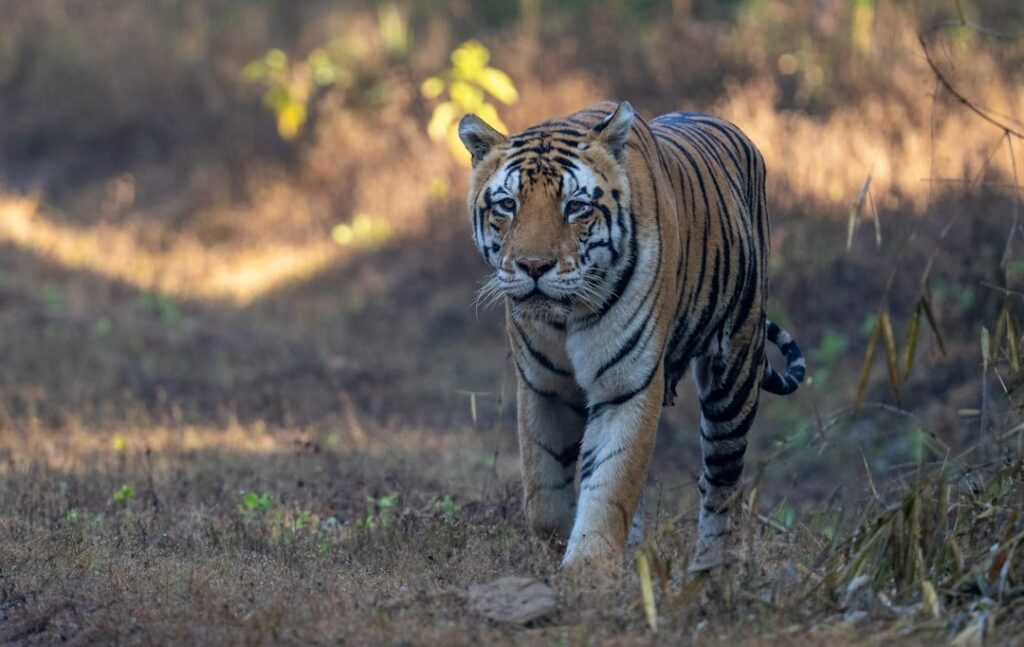
- Dering Memorial Wildlife Sanctuary: recent tiger sighting in 2026 attracted attention
Assam
- Pobitora Wildlife Sanctuary: highest density of greater one-horned rhinoceros in the world
- Garampani Wildlife Sanctuary: hoolock gibbon, hot springs
- Laokhowa Wildlife Sanctuary: rhinoceros and tiger
- Hollongapar Gibbon Sanctuary: India’s only home of the western hoolock gibbon
Bihar
- Valmiki Wildlife Sanctuary (within Valmiki Tiger Reserve): only tiger reserve in Bihar
- Kaimur Wildlife Sanctuary: leopard, sloth bear, Kaimur plateau
- Vikramshila Gangetic Dolphin Sanctuary: Gangetic dolphin (National Aquatic Animal)
Chhattisgarh
- Achanakmar Wildlife Sanctuary: part of Achanakmar-Amarkantak Biosphere Reserve
- Barnawapara Wildlife Sanctuary: tiger and leopard
- Sitanadi Wildlife Sanctuary: part of Udanti-Sitanadi Tiger Reserve
Goa
- Bhagwan Mahavir Wildlife Sanctuary: Dudhsagar Falls, Indian gaur
- Bondla Wildlife Sanctuary: smallest in Goa, important for environmental education
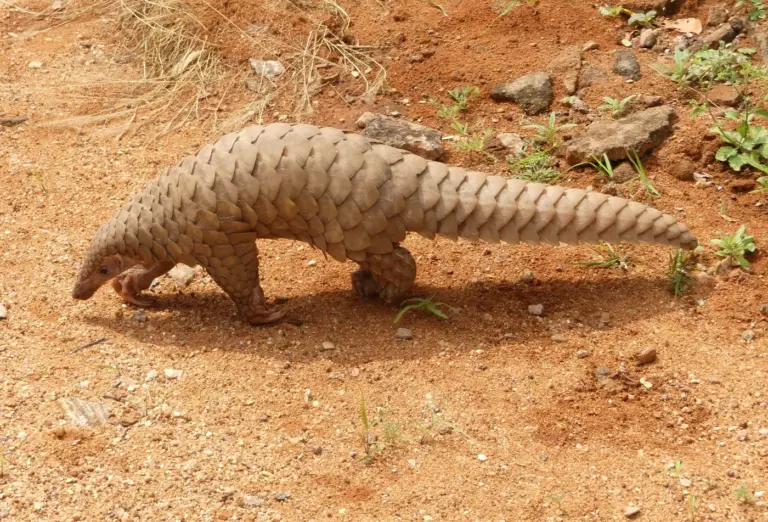
- Cotigao Wildlife Sanctuary: pangolin, slender loris
Gujarat
- Wild Ass Sanctuary, Little Rann of Kutch: only home of the Indian wild ass (khur)
- Nal Sarovar Bird Sanctuary: Ramsar site, flamingos
- Velavadar Wildlife Sanctuary (Blackbuck National Park area sanctuary buffer): blackbuck
Haryana
- Sultanpur National Park (formerly sanctuary): bird sanctuary, Ramsar site
- Bir Shikargah Wildlife Sanctuary
- Kalesar Wildlife Sanctuary: contiguous with Rajaji National Park
Himachal Pradesh
- Great Himalayan National Park area sanctuaries: Tirthan and Sainj Wildlife Sanctuaries
- Kibber Wildlife Sanctuary: snow leopard country in Spiti
- Pin Valley Wildlife Sanctuary (within Pin Valley National Park area)
Jammu and Kashmir / Ladakh
- Hokersar Wildlife Sanctuary: Ramsar site, migratory waterfowl
- Overa-Aru Wildlife Sanctuary: hangul (Kashmir stag) habitat outside Dachigam
- Karakoram (Nubra Shyok) Wildlife Sanctuary, Ladakh: Tibetan antelope, snow leopard
Jharkhand
- Hazaribagh Wildlife Sanctuary: leopard, sambar
- Palamau Wildlife Sanctuary (within Palamau Tiger Reserve): first tiger reserve under Project Tiger 1973
Karnataka
- Bhadra Wildlife Sanctuary (within Bhadra Tiger Reserve)
- Brahmagiri Wildlife Sanctuary
- Daroji Sloth Bear Sanctuary: sloth bear
- Ranibennur Blackbuck Sanctuary: blackbuck and Indian wolf
Kerala
- Periyar Wildlife Sanctuary (within Periyar Tiger Reserve)
- Wayanad Wildlife Sanctuary: elephant corridor to Bandipur and Nagarhole
- Chinnar Wildlife Sanctuary: grizzled giant squirrel
- Idukki Wildlife Sanctuary
- Parambikulam Wildlife Sanctuary (within Parambikulam Tiger Reserve)
Madhya Pradesh
- Ratapani Wildlife Sanctuary: tiger reserve notified in 2024
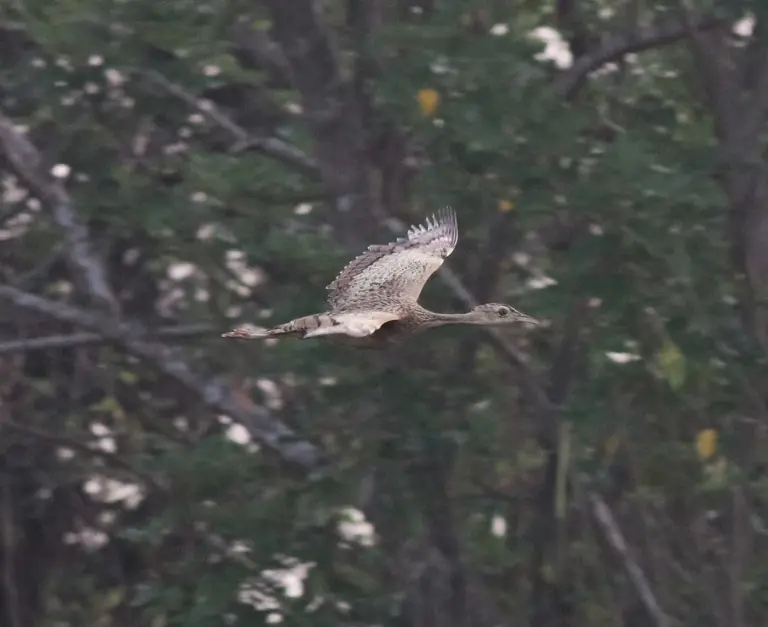
- Karera Wildlife Sanctuary (originally for Great Indian Bustard)
- National Chambal Sanctuary (shared with UP and Rajasthan): gharial, Gangetic dolphin
- Son Gharial Wildlife Sanctuary: gharial breeding
Maharashtra
- Tadoba Andhari Tiger Reserve (sanctuary plus national park)
- Karnala Bird Sanctuary
- Bhimashankar Wildlife Sanctuary: Indian giant squirrel
- Phansad Wildlife Sanctuary: coastal Konkan biodiversity
Manipur
- Keibul Lamjao National Park (and surrounding wildlife sanctuary land): only floating national park, Sangai deer
Meghalaya
- Nokrek Wildlife Sanctuary (within Nokrek National Park area): red panda, citrus indica
- Baghmara Pitcher Plant Sanctuary: Nepenthes khasiana
Mizoram
- Dampa Tiger Reserve (with surrounding sanctuary land)
- Ngengpui Wildlife Sanctuary
- Phawngpui (Blue Mountain) National Park area sanctuaries
Nagaland
- Intanki Wildlife Sanctuary
- Fakim Wildlife Sanctuary
Odisha
- Bhitarkanika Wildlife Sanctuary: saltwater crocodile, second largest mangrove in India
- Chilika (Nalaban) Bird Sanctuary: migratory birds, Irrawaddy dolphin
- Satkosia Wildlife Sanctuary: gharial, Mahanadi gorge
- Similipal Wildlife Sanctuary (within Similipal Tiger Reserve)
Punjab
- Harike Wildlife Sanctuary: Ramsar site
- Bir Moti Bagh Wildlife Sanctuary
Rajasthan
- Keoladeo Ghana (National Park since 1981, was a sanctuary): Ramsar site, World Heritage Site
- Sariska Wildlife Sanctuary (within Sariska Tiger Reserve)
- Desert National Park (and adjoining sanctuary): Great Indian Bustard
- Mount Abu Wildlife Sanctuary: sloth bear, only hill station in Rajasthan
- Tal Chhapar Wildlife Sanctuary: blackbuck, Aravalli grassland
- Ranthambhore Wildlife Sanctuary (within tiger reserve)
Sikkim
- Fambong Lho Wildlife Sanctuary: red panda
- Maenam Wildlife Sanctuary
- Kyongnosla Alpine Sanctuary: high-altitude flora
Tamil Nadu
- Mudumalai Wildlife Sanctuary (within Mudumalai Tiger Reserve)
- Indira Gandhi Wildlife Sanctuary (within Anaimalai Tiger Reserve)
- Vedanthangal Bird Sanctuary: one of the oldest bird sanctuaries in India, dating to the 18th century
- Point Calimere Wildlife Sanctuary: flamingo, blackbuck, Ramsar
- Gulf of Mannar Marine National Park area sanctuaries: dugong, coral reef
Telangana
- Eturnagaram Wildlife Sanctuary: tiger, Indian gaur
- Pakhal Wildlife Sanctuary
- Pranahita Wildlife Sanctuary: contiguous with Maharashtra forests
Tripura
- Sepahijala Wildlife Sanctuary: spectacled langur, clouded leopard
- Trishna Wildlife Sanctuary: Indian gaur
Uttar Pradesh
- Dudhwa National Park area sanctuaries: Kishanpur Wildlife Sanctuary, Katarniaghat Wildlife Sanctuary (part of Dudhwa Tiger Reserve)
- Hastinapur Wildlife Sanctuary: barasingha
- National Chambal Sanctuary section in UP: gharial
- Nawabganj Bird Sanctuary
Uttarakhand
- Kedarnath Wildlife Sanctuary: musk deer
- Govind Pashu Vihar Wildlife Sanctuary: snow leopard, Himalayan tahr
- Sonanadi Wildlife Sanctuary: contiguous with Corbett Tiger Reserve
- Askot Musk Deer Sanctuary
West Bengal
- Sundarbans Wildlife Sanctuary (within Sundarbans Tiger Reserve): Royal Bengal tiger, mangroves
- Mahananda Wildlife Sanctuary: elephant, leopard, Mahananda river
- Buxa Tiger Reserve: includes wildlife sanctuary
Union Territories
- Andaman and Nicobar Islands: over 95 wildlife sanctuaries, including Cuthbert Bay, Cinque Island, Galathea Bay (leatherback turtle)
- Lakshadweep: Pitti Bird Sanctuary
- Dadra and Nagar Haveli: Dadra and Nagar Haveli Wildlife Sanctuary
Threats and Conservation Issues
Despite legal protection, Wildlife Sanctuaries of India face multiple ongoing pressures.
- Habitat fragmentation: linear infrastructure such as roads, railways, transmission lines, and canals cuts wildlife corridors. Several Supreme Court interventions have addressed corridor cases in Karnataka, Maharashtra, and Tamil Nadu.
- Human-wildlife conflict: elephants in Hassan-Kodagu, leopards in Mumbai outskirts, tigers in Wayanad, blue bull in Haryana. Compensation schemes exist but are uneven.
- Mining and quarrying: tension between sanctuary boundaries and mining leases, especially in Goa, Karnataka, and parts of Odisha. The Supreme Court has held that any sanctuary boundary alteration requires NBWL recommendation.
- Tourism pressure: regulated through eco-sensitive zone notifications and visitor cap policies, but compliance varies.
- Encroachment and forest rights: the Forest Rights Act 2006 grants individual and community rights inside protected areas. Implementation often clashes with sanctuary management.
- Invasive species: Lantana camara, Prosopis juliflora, and Mikania micrantha have heavily degraded several sanctuary habitats.
- Climate change: alpine and Himalayan sanctuaries face species range shifts; coastal sanctuaries face sea level rise.
Eco-Sensitive Zones Around Sanctuaries
The Ministry of Environment, Forest and Climate Change requires that an area extending at least one kilometre from the boundary of every national park and wildlife sanctuary be notified as an Eco-Sensitive Zone (ESZ). The Supreme Court in T.N. Godavarman v. Union of India (2022) made this a mandatory one-kilometre buffer in default of state notification, though this was later modified in 2023 to allow flexibility for habitations within the default buffer.
Wildlife Sanctuaries in the UPSC Syllabus
The Wildlife Sanctuaries of India appear in GS-3 Environment (biodiversity and conservation, laws and institutions), GS-1 Geography (biogeography), and current affairs (new sanctuary notifications, species recovery programmes, ESZ rulings). Prelims questions focus on:
- State location of named sanctuaries
- Flagship species
- Difference between sanctuary, national park, conservation reserve
- Sanctuaries linked to specific Ramsar or biosphere reserve sites
- Sanctuaries forming part of tiger reserves
Mains Practice Questions
- Distinguish between a wildlife sanctuary, a national park, and a tiger reserve in India. Discuss the relative effectiveness of each in conserving large carnivores. (15 marks)
- Critically examine the role of Eco-Sensitive Zones in the conservation of wildlife sanctuaries in India. (10 marks)
- The Forest Rights Act 2006 and the Wildlife (Protection) Act 1972 often appear to be in tension. Discuss with reference to wildlife sanctuaries. (15 marks)
- Assess the contribution of wildlife sanctuaries to the conservation of India’s endemic and endangered species. Illustrate with examples. (15 marks)
Why Wildlife Sanctuaries of India Matter
The Wildlife Sanctuaries of India are the workhorses of Indian conservation. National parks get the headlines, tiger reserves get the budgets, but the sanctuary network protects the bulk of India’s threatened species, from the hangul of Dachigam to the wild ass of the Little Rann, from the Hoolock gibbon of Hollongapar to the dugong of Gulf of Mannar. For UPSC, fluency with the sanctuary list means being able to place flagship species on the map of India, distinguish legal categories of protected area, and argue clearly about the trade-offs between conservation, livelihoods, and infrastructure.
Frequently Asked Questions
What is a wildlife sanctuary in India?
A wildlife sanctuary in India is a protected area declared by a State Government under Section 18 of the Wildlife (Protection) Act, 1972, where wildlife and its habitat are conserved with restrictions on human activity but with some controlled rights for local communities permitted.
How many wildlife sanctuaries are there in India?
India has 573 wildlife sanctuaries as of 2024, covering approximately 1,23,765 square kilometres or about 3.76 percent of the country’s geographical area.
What is the difference between a wildlife sanctuary and a national park?
A wildlife sanctuary is notified under Section 18 of the Wildlife Protection Act and may allow some controlled human rights. A national park is notified under Section 35 with the highest level of protection, where rights are extinguished and boundaries can only be altered by the State Legislature.
Which is the largest wildlife sanctuary in India?
By area, the Kutch Desert Wildlife Sanctuary in Gujarat is one of the largest sanctuaries at about 7,506 square kilometres. The Karakoram (Nubra Shyok) Wildlife Sanctuary in Ladakh is also very large.
Which state has the most wildlife sanctuaries?
The Andaman and Nicobar Islands have the most wildlife sanctuaries (over 95). Among states, Maharashtra, Karnataka, and Tamil Nadu have among the highest counts.
Which wildlife sanctuary is famous for the one-horned rhinoceros besides Kaziranga?
Pobitora Wildlife Sanctuary in Assam has the highest density of greater one-horned rhinoceros in the world, although Kaziranga National Park has the largest total population.
What is the role of the National Board for Wildlife in sanctuaries?
The National Board for Wildlife (NBWL) is the apex advisory body chaired by the Prime Minister. Its recommendation is required before a State Government can alter the boundaries of a wildlife sanctuary or permit any non-forestry activity within it.
Are tiger reserves the same as wildlife sanctuaries?
No. A tiger reserve is notified under Section 38V of the WPA 1972 (amended 2006) specifically for tiger conservation. A tiger reserve has a core area (which is itself a national park or sanctuary) and a buffer area. Wildlife sanctuaries are a separate category under Section 18, though many sanctuaries form the core of tiger reserves.
Tell Google you want more of this.
Add Anantam IAS as a preferred sourceOne tap, and this site shows up more often in your own Top Stories, AI Overviews and AI Mode. Remove it any time.