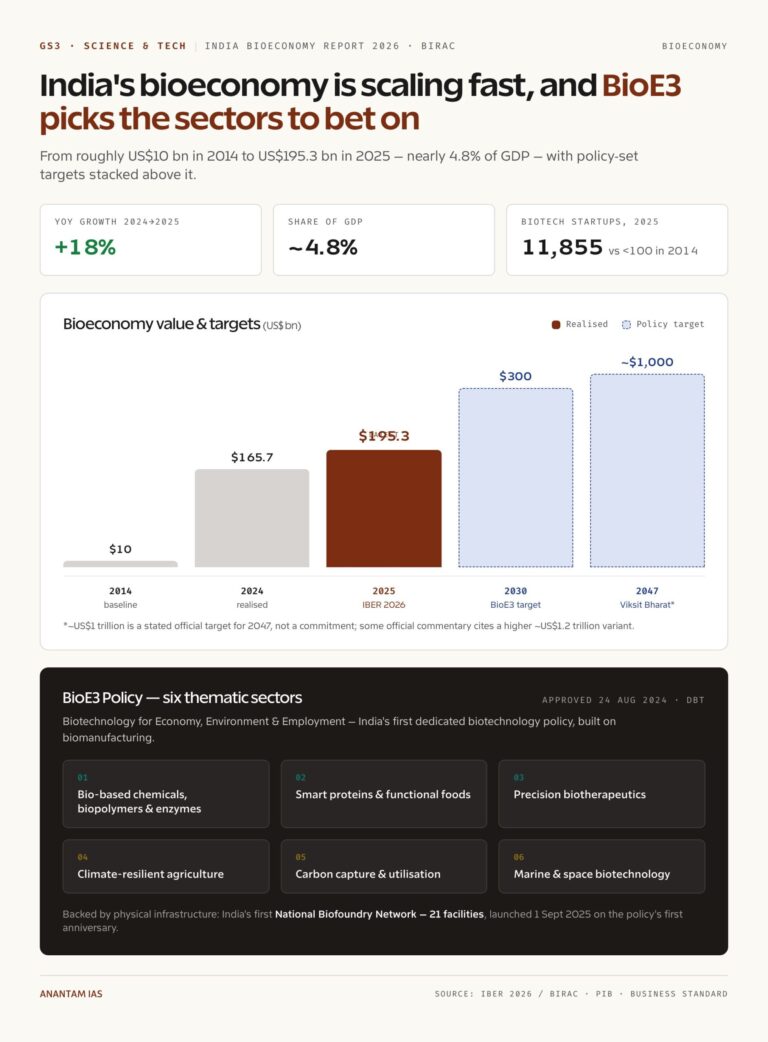
BioE3 and Gene Editing: Biotech’s Promise vs Biosafety and Ethics
A UPSC Mains GS3 editorial on the BioE3 Policy, India's $195.3 bn bioeconomy, world-first gene-edited rice, and the biosafety, ethics, and trust questions that…

Category
Everything published under Study Notes on Anantam IAS, newest first.
3454 articles
A UPSC Mains GS3 editorial on the BioE3 Policy, India's $195.3 bn bioeconomy, world-first gene-edited rice, and the biosafety, ethics, and trust questions that…
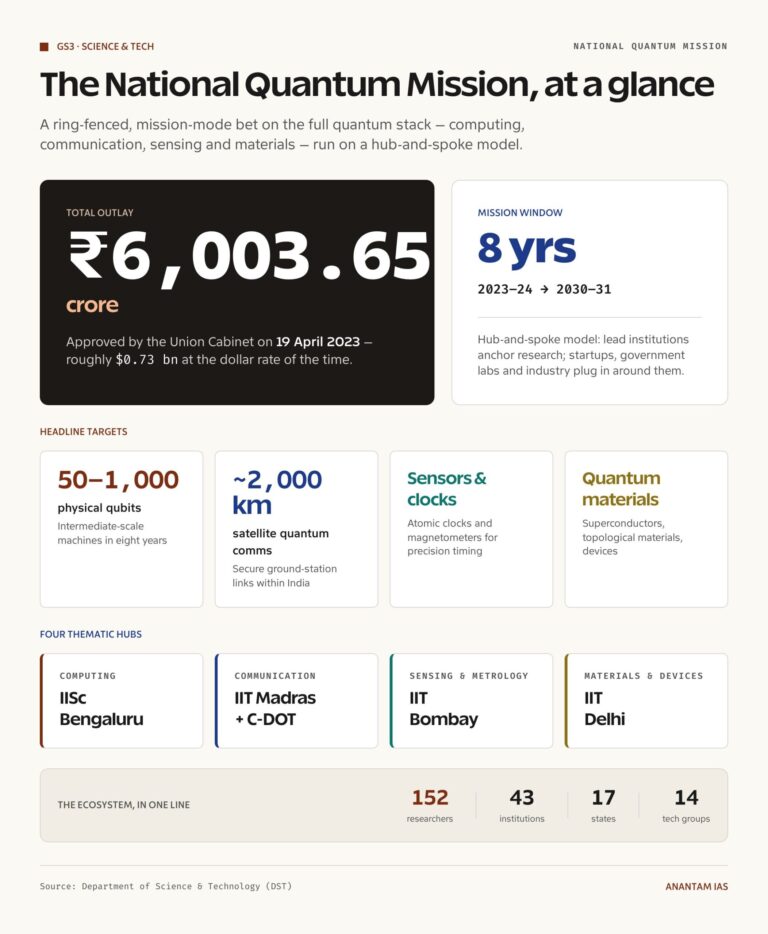
A UPSC Mains GS3 editorial on the National Quantum Mission, the Amaravati Quantum Valley, and India's post-quantum cryptography roadmap, balancing ambition against scale and…
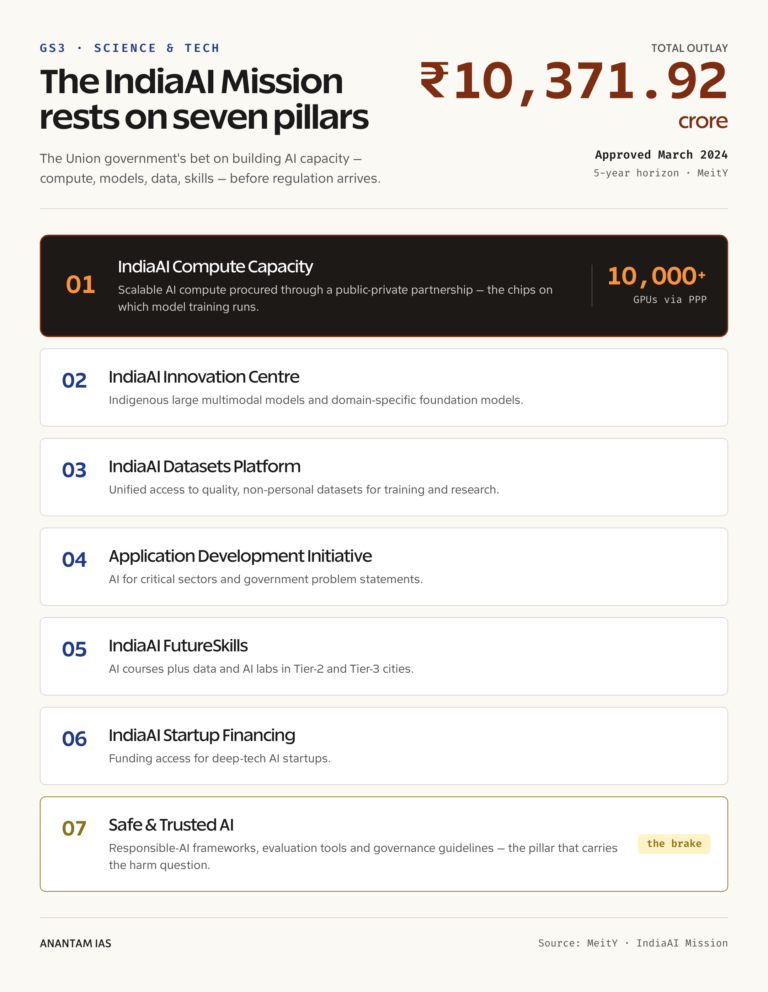
A UPSC Mains editorial on AI governance in India, balancing the IndiaAI Mission and IT Amendment Rules 2026 against the EU's risk-based AI Act.
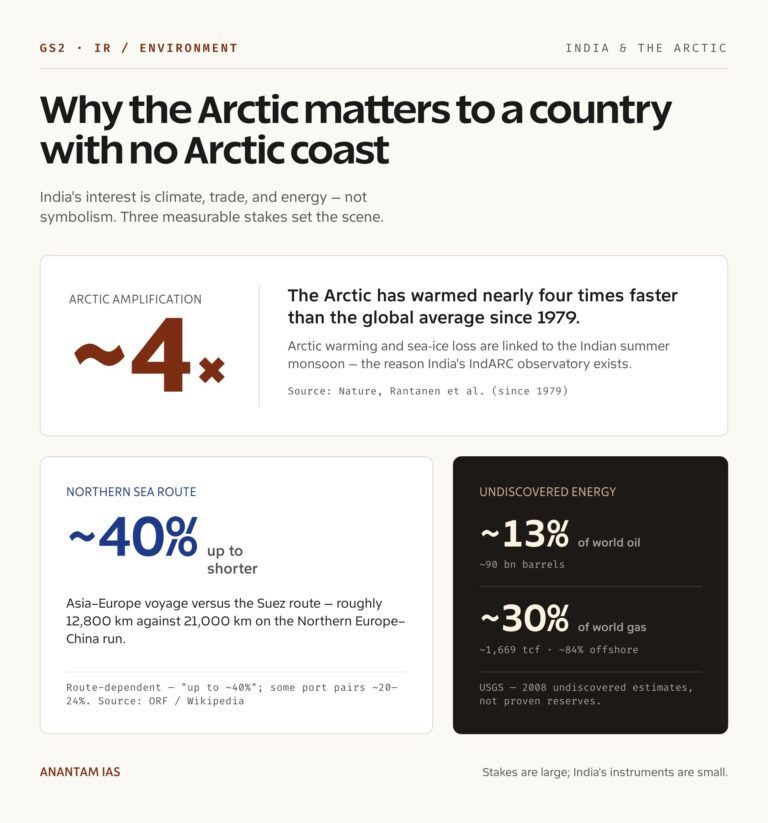
A UPSC Mains GS2-GS3 editorial on India's Arctic strategy: strong science at Himadri and IndARC, but access routed through Russia and no icebreaker of…
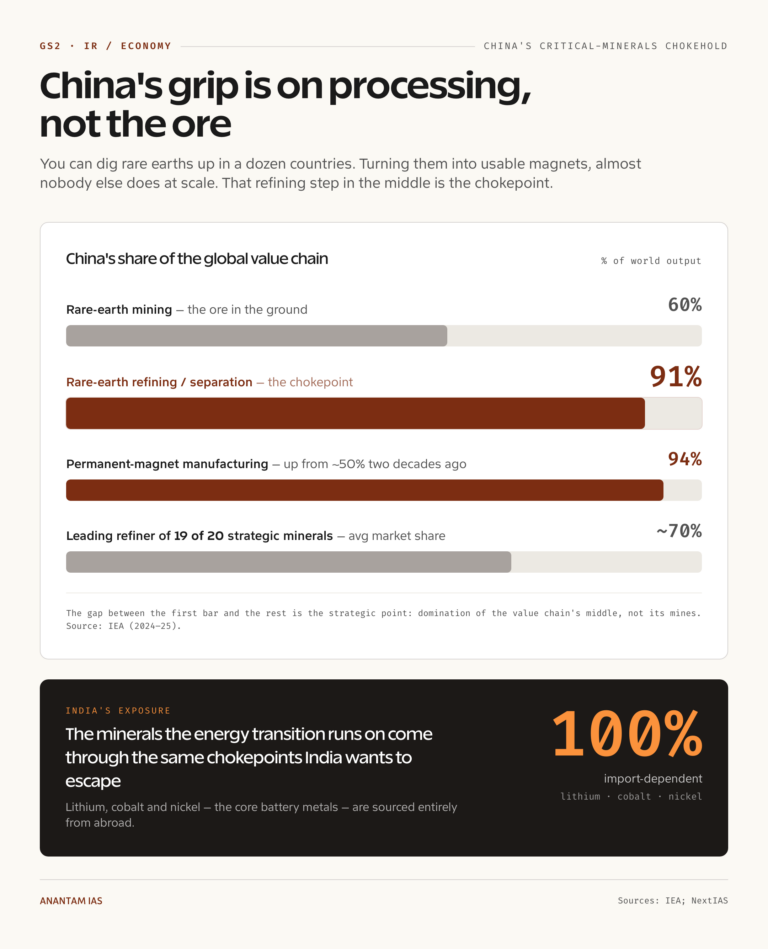
A UPSC Mains editorial on geoeconomics as statecraft, mapping India's FTA push, critical-minerals mission and semiconductor build-out against China's supply-chain chokeholds.

A UPSC Mains editorial on India's Neighbourhood First policy under strain as China deepens its South Asia footprint, from Bangladesh's new government to Hambantota.

A UPSC Mains GS2 and GS3 editorial on India's strategic autonomy as a 2026 West Asia war squeezes its Iran channel against its Israel,…

A UPSC Mains editorial on IMEC versus BRI, India's connectivity strategy, and how the West Asia war tests a corridor built on Saudi-Israel rail.
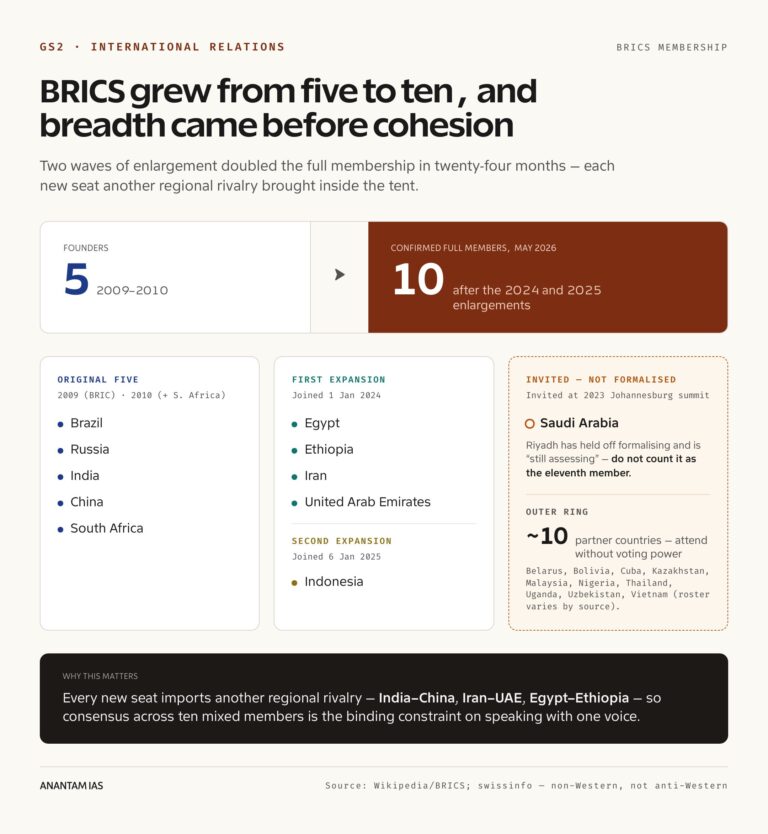
A UPSC Mains GS2 editorial on the BRICS foreign ministers' meeting that ended without a joint statement, and whether the multipolarity the bloc claims…
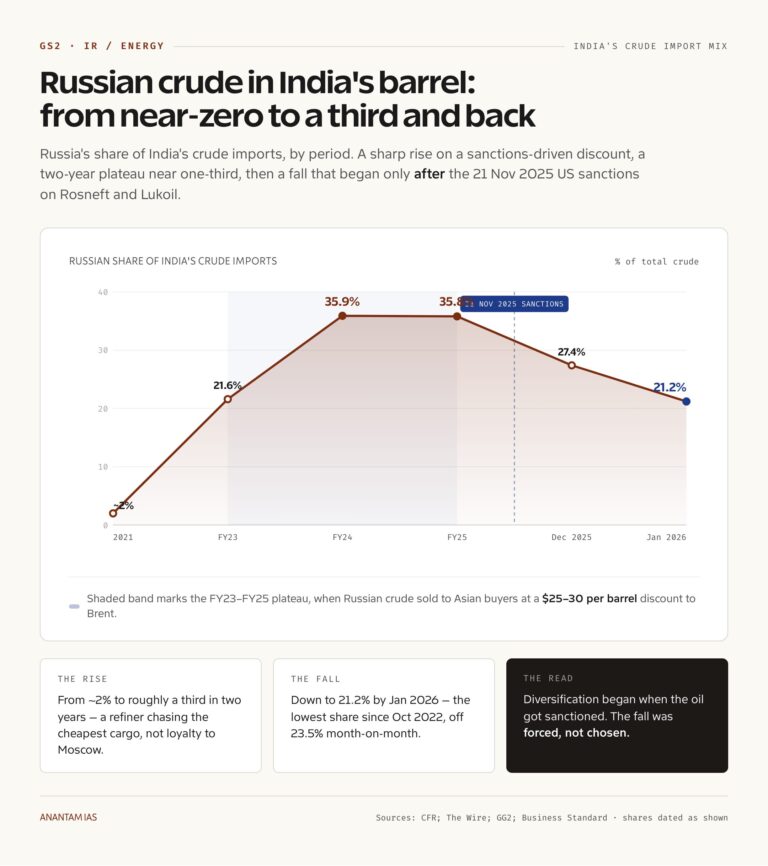
A UPSC Mains editorial on the price of India's strategic autonomy: Russian oil, US tariffs, the 6 Feb 2026 trade framework, and the limits…
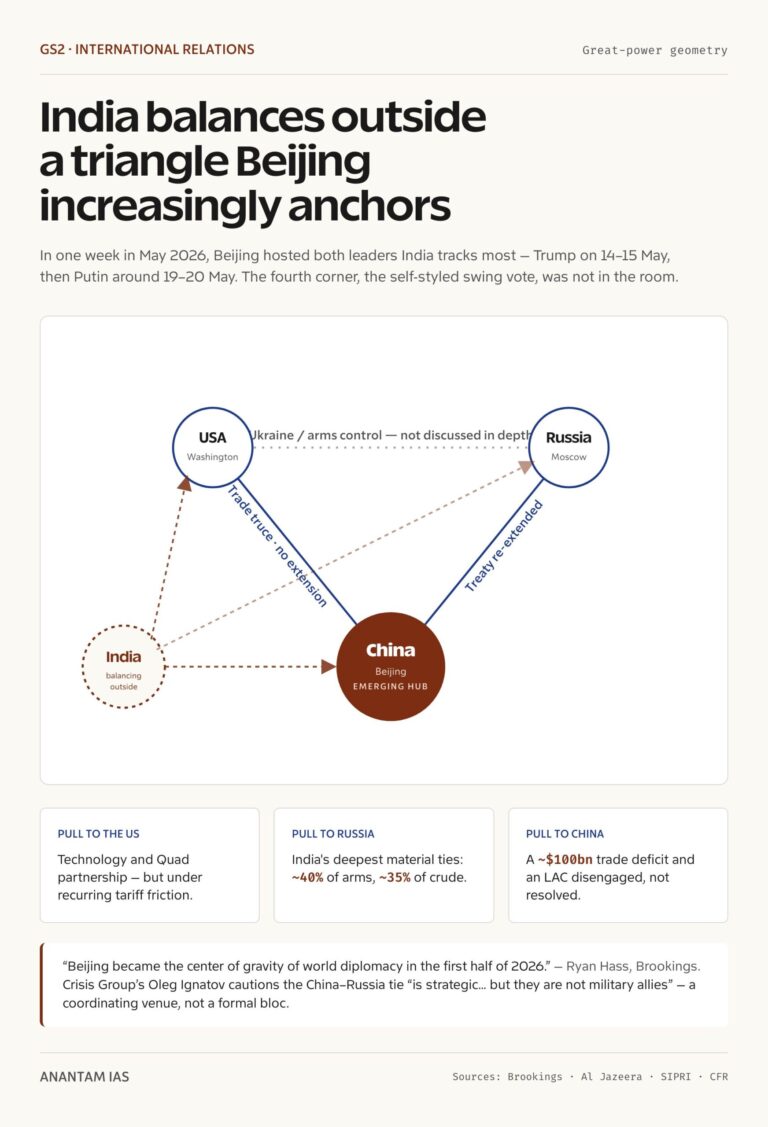
A UPSC Mains GS2 editorial on whether India can sustain strategic autonomy and multialignment as Beijing emerges as the hub of a realigning US–China–Russia…
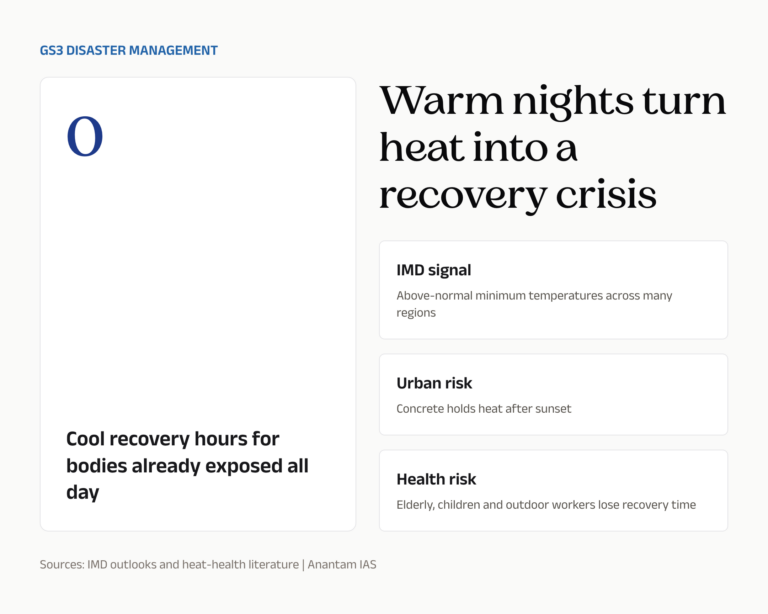
A UPSC Mains editorial on why heat action plans must move beyond warnings into funded urban design, worker protection, ventilation and public health capacity.