
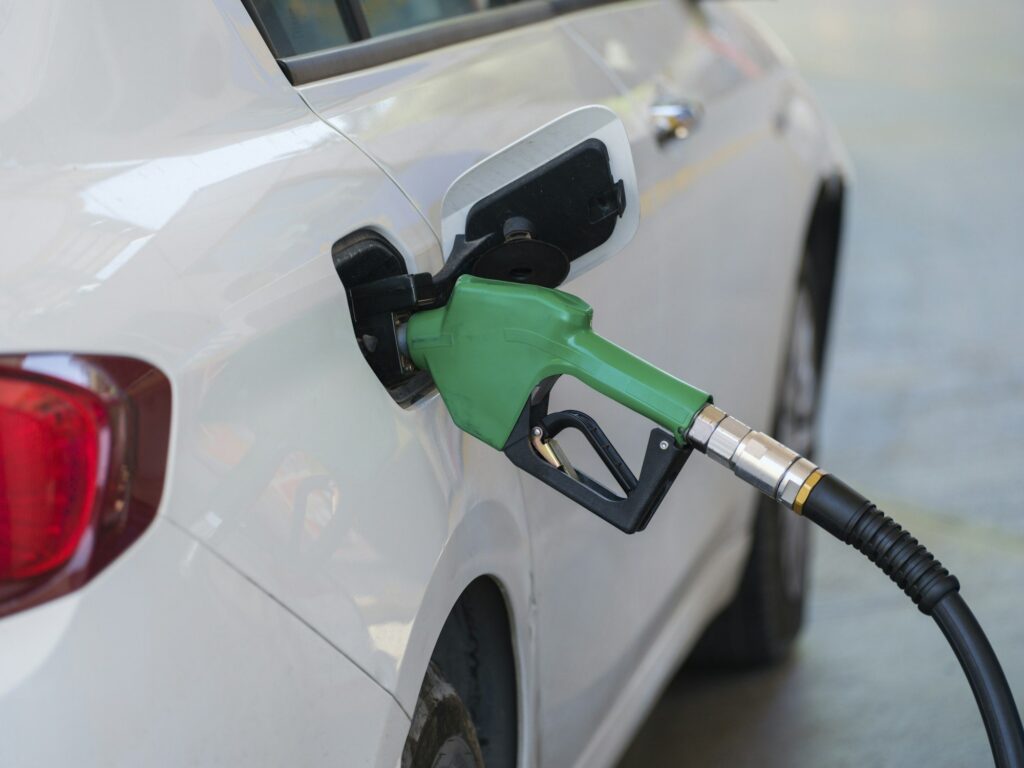
The National Green Hydrogen Mission is India’s flagship programme to position the country as a global hub for the production, use and export of green hydrogen and its derivatives. Approved by the Union Cabinet on 4 January 2023 with an outlay of ₹19,744 crore for the period up to FY 2029-30, the National Green Hydrogen Mission targets at least 5 million metric tonnes (MMT) of annual green hydrogen production capacity by 2030, with an associated 125 GW of renewable energy addition and abatement of nearly 50 MMT of CO₂ equivalent emissions per year. The Ministry of New and Renewable Energy (MNRE) is the nodal agency. The mission complements India’s Paris Agreement commitments — particularly the net-zero by 2070 pledge — and works alongside the Solar Energy programme, battery technology push and distributed energy resources to decarbonise hard-to-abate sectors like steel, refining, ammonia and long-haul transport.
What Is Green Hydrogen and Why It Matters
Hydrogen is the most abundant element in the universe but on Earth it exists almost entirely bonded to other elements — in water, hydrocarbons or biomass. To use hydrogen as a fuel it must first be separated, and the carbon footprint of that separation is what gives hydrogen its colour code.
The Hydrogen Colour Spectrum
- Grey hydrogen is produced by steam-methane reforming of natural gas and accounts for the bulk of the roughly 95 million tonnes of hydrogen the world produces every year. It emits around 9–11 kg of CO₂ per kg of hydrogen.
- Blue hydrogen is grey hydrogen with carbon capture and storage bolted on. It is cleaner but still depends on fossil feedstock.
- Green hydrogen is produced by electrolysing water using electricity from renewable sources — solar, wind or hydro. The only outputs are hydrogen and oxygen, making it a truly low-carbon energy carrier.
- Pink hydrogen uses nuclear electricity for the same process, and is gaining policy attention given India’s expansion at sites like the Kudankulam Nuclear Power Plant.
Why Green Hydrogen Now
Three forces have pushed green hydrogen up the policy agenda: falling renewable-electricity tariffs (solar PPAs in India are now around ₹2.5–3 per unit), rapidly cheapening electrolysers, and rising carbon prices in major export markets like the European Union, which is set to impose its Carbon Border Adjustment Mechanism (CBAM) on imported steel, cement and fertiliser from 2026.
For India, green hydrogen is the only credible pathway to decarbonise sectors that cannot easily be electrified — primary steelmaking, oil refining, ammonia for fertiliser, methanol for chemicals and long-distance trucking and shipping.
Origins of the National Green Hydrogen Mission
The idea of a hydrogen economy is not new to India. The Hydrogen Energy Roadmap of 2006 and the National Hydrogen Mission first announced by Prime Minister Narendra Modi on 15 August 2021 laid the groundwork. The full National Green Hydrogen Mission was approved on 4 January 2023.
The mission consolidates earlier scattered hydrogen R&D under MNRE, the Department of Science and Technology and the Ministry of Petroleum and Natural Gas into a single delivery framework with hard targets, a dedicated outlay and a clear inter-ministerial Empowered Group chaired by the Cabinet Secretary.
Mission Objectives and Targets by 2030
The National Green Hydrogen Mission has set out specific, measurable outcomes for 2030.
- Domestic green hydrogen production capacity of at least 5 MMT per year, with the potential to reach 10 MMT/year if export demand develops.
- Associated renewable energy capacity addition of about 125 GW.
- Cumulative investment of over ₹8 lakh crore across the value chain.
- Creation of more than 6 lakh jobs in manufacturing, project development and operations.
- Reduction in fossil fuel imports worth over ₹1 lakh crore cumulatively by 2030.
- Abatement of nearly 50 MMT of CO₂ equivalent emissions per year.
These numbers position India as one of the most ambitious green hydrogen markets in the world, comparable in scale to the European Union’s REPowerEU plan and the United States Inflation Reduction Act hydrogen incentives.
The SIGHT Programme — Demand Creation and Supply Push
The Strategic Interventions for Green Hydrogen Transition (SIGHT) programme is the financial heart of the mission, with an allocation of ₹17,490 crore — nearly 89% of the total outlay. SIGHT runs two parallel tranches.
SIGHT Component I — Electrolyser Manufacturing PLI
The first tranche is a production-linked incentive (PLI) for domestic electrolyser manufacturing. The Solar Energy Corporation of India (SECI) is the implementing agency. The first SIGHT-I tranche awarded 1.5 GW of electrolyser manufacturing capacity to nine companies including Reliance Industries, Ohmium, John Cockerill Greenko, L&T Electrolysers, Adani New Industries, Jindal India, Avaada and Bharat Heavy Electricals (BHEL). A second tranche of 1.5 GW was awarded in 2024, taking total awarded capacity to 3 GW. Incentives are paid over five years on a per-MW basis, with progressive localisation requirements that reach 65% by Year 5.
SIGHT Component II — Green Hydrogen Production Incentive
The second tranche is a per-kg incentive for green hydrogen production. The first SIGHT-II tender awarded 4,12,000 tonnes per annum of green hydrogen capacity in early 2024, and a second tender of 4,50,000 tonnes per annum was launched the same year. Successful bidders quoted incentives ranging from about ₹26 to ₹50 per kg in Year 1, tapering down to zero by Year 3. The lowest discovered tariffs already make Indian green hydrogen among the most competitive in the world.
A dedicated SIGHT-II carve-out also targets green ammonia for fertiliser and shipping, and another covers green steel pilots.
Hydrogen Hubs and Mission Innovation
The mission funds at least two Green Hydrogen Hubs — geographic clusters that integrate renewable generation, electrolysers, end-use industries and export infrastructure. Candidate hub locations include Kandla and Tuticorin ports, Vizag, Paradip and Mundra. The hub strategy is critical because hydrogen is expensive to transport and store, so co-locating production with demand and export terminals reduces costs sharply.
R&D Roadmap and Hydrogen Valley
A separate ₹400 crore allocation funds Mission Innovation-style R&D — high-temperature electrolysis, novel catalysts, solid-state hydrogen storage, hydrogen fuel cells and indigenous compression technology. A Hydrogen Valley Innovation Cluster in India is being developed jointly with the Department of Science and Technology.
Standards, Skilling and Public Outreach
The mission also funds the development of indigenous green hydrogen standards through the Bureau of Indian Standards, a national skilling programme for electrolyser operators and fuel-cell technicians, and a public outreach campaign to build social acceptance for hydrogen infrastructure in industrial corridors.
Applications and Pilot Programmes
Green hydrogen is being deployed across four priority sectors, each backed by a dedicated pilot allocation under the mission.
Steel
The steel sector accounts for about 12% of India’s CO₂ emissions. The Ministry of Steel has launched a Green Steel Mission and approved green hydrogen pilots at integrated steel plants of SAIL, Tata Steel and JSW. Direct Reduced Iron using 100% hydrogen is the long-term goal; blending up to 30% hydrogen in existing blast furnaces is the near-term bridge.
Petroleum Refining and Fertiliser
Indian refineries already consume around 3 MMT of grey hydrogen annually for hydrocracking and desulphurisation. The Ministry of Petroleum and Natural Gas has mandated a 1% green hydrogen share by 2025 rising to 10% by 2030 for refineries. Indian Oil, BPCL and HPCL have signed long-term offtake agreements with SIGHT-II awardees. Fertiliser plants — which consume hydrogen to make ammonia — are similarly mandated to phase in green hydrogen, with a 1% blend by 2025 rising to 20% by 2030.
Mobility
Indian Oil and NTPC have deployed hydrogen fuel-cell buses on a Delhi-Jaipur corridor. Tata Motors and Ashok Leyland have prototypes of hydrogen internal-combustion-engine trucks. The mission funds at least 1,500 hydrogen heavy-duty vehicles and 12 hydrogen refuelling stations on the Golden Quadrilateral as a demonstrator.
Shipping and Exports
Paradip and Tuticorin ports are developing green ammonia bunkering facilities. Reliance, Adani and ReNew have signed export memoranda of understanding with Japanese, Korean and European offtakers.
Challenges and Bottlenecks
The National Green Hydrogen Mission is ambitious but several real bottlenecks could slow it down.
- Cost gap. Green hydrogen in India today costs around $3.5–5 per kg compared with $1.5–2 per kg for grey hydrogen. SIGHT incentives close part of the gap, but mandates plus carbon pricing will be needed to bridge the rest.
- Water intensity. Producing 1 kg of hydrogen by electrolysis requires roughly 9 litres of pure water, plus more for cooling. A 5 MMT/year programme could consume 60–130 million cubic metres of water — significant in water-stressed states like Gujarat and Rajasthan. Desalination is being studied as a solution but adds cost.
- Transport and storage. Hydrogen has very low volumetric energy density. It must be compressed to 700 bar, liquefied at –253°C or converted to ammonia or LOHC (liquid organic hydrogen carriers) for transport. Pipeline retrofits face metallurgical embrittlement issues.
- Renewable round-the-clock supply. Electrolysers run most efficiently when fed steady electricity. The 125 GW of associated renewables therefore requires firming through batteries, pumped hydro or hybrid solar-wind contracts.
- Safety and standards. Hydrogen is highly flammable, has a wide flammability range and burns with an invisible flame. Robust standards and skilling are essential before mass deployment.
Way Forward
The National Green Hydrogen Mission has made a strong start. SIGHT tenders have already discovered globally competitive tariffs, electrolyser manufacturing capacity is being built domestically, and end-use mandates in refining and fertiliser create guaranteed demand. The next phase requires three things: a credible carbon pricing or CBAM-equivalent signal at home, dedicated hydrogen infrastructure including pipelines and ports, and continued R&D to drive costs below $2 per kg. If those three pieces fall into place, India can credibly become a top-three global supplier of green hydrogen by 2030 and a net exporter by 2035.
Frequently Asked Questions
What is the National Green Hydrogen Mission?
The National Green Hydrogen Mission is a Government of India programme approved on 4 January 2023 with a ₹19,744 crore outlay to make India a global hub for the production, use and export of green hydrogen by 2030.
What is the green hydrogen target for 2030?
The mission targets at least 5 million metric tonnes (MMT) per year of green hydrogen production capacity by 2030, along with 125 GW of associated renewable energy and abatement of nearly 50 MMT of CO₂ equivalent emissions annually.
What is the SIGHT programme?
SIGHT stands for Strategic Interventions for Green Hydrogen Transition. It has a ₹17,490 crore allocation and runs two tranches — a PLI for domestic electrolyser manufacturing and a per-kg incentive for green hydrogen production.
Which ministry implements the National Green Hydrogen Mission?
The Ministry of New and Renewable Energy (MNRE) is the nodal ministry, with the Solar Energy Corporation of India (SECI) as the implementing agency for SIGHT tenders.
What are the main applications of green hydrogen in India?
The four priority applications are steel making, petroleum refining and fertiliser, heavy-duty mobility (trucks, buses) and shipping and exports as green ammonia.
What is the difference between green, grey and blue hydrogen?
Grey hydrogen is made by reforming natural gas and emits CO₂. Blue hydrogen is grey hydrogen with carbon capture. Green hydrogen is made by electrolysing water using renewable electricity and produces no direct CO₂.
What are the biggest challenges to the green hydrogen mission?
Key challenges are the cost gap with grey hydrogen, water intensity in arid regions, transport and storage difficulties, the need for round-the-clock renewable supply and the absence of mature safety standards.
How does green hydrogen support India’s climate commitments?
Green hydrogen helps decarbonise hard-to-abate sectors that cannot be directly electrified, supporting India’s Paris Agreement targets and the net-zero by 2070 pledge.
Tell Google you want more of this.
Add Anantam IAS as a preferred sourceOne tap, and this site shows up more often in your own Top Stories, AI Overviews and AI Mode. Remove it any time.