ज़्यादातर लोगों से पूछिए कि बच्चे के जीवन के पहले 1,000 दिनों का economy से क्या लेना-देना है, तो वे blank look देंगे। Economist से पूछेंगे तो जवाब साफ़ होगा: दो साल की उम्र से पहले stunted बच्चा पूरी ज़िंदगी कम सीख पाता है और उसकी lifetime earnings भी कम रहती हैं। बाद की कोई भी schooling इस नुकसान को पूरी तरह undo नहीं कर पाती। इसी biology की वजह से India दुनिया के सबसे बड़े early-childhood programmes में से एक चलाता है। ICDS, यानी Integrated Child Development Services, 1975 से उस critical window में बच्चे, pregnant woman और nursing mother तक पहुँचने की कोशिश कर रहा है। इसका माध्यम वह village institution है जिसके पास से आप शायद सैकड़ों बार गुज़रे हैं: Anganwadi centre।
अगर आपने ICDS को अब तक केवल schemes की list में एक नाम की तरह देखा है, तो इसे सच में समझिए। यह nutrition, health, education और women’s welfare के intersection पर बैठता है। इसे ठीक से समझ लेंगे, तो एक ही knowledge से nutrition, governance और social-justice के सवालों का जवाब दे पाएँगे।
ICDS क्या है और इसका full form क्या है?
ICDS का full form Integrated Child Development Services है। यह scheme 2 October 1975 को शुरू हुई थी, ताकि छोटे बच्चों और उनकी mothers को nutrition, health और pre-school services का bundled package मिल सके। यहाँ सबसे important शब्द integrated है। Immunization, feeding और pre-schooling को अलग-अलग programmes की तरह चलाने के बजाय, जिनके लिए poor family को अलग-अलग offices के चक्कर लगाने पड़ते, ICDS इन्हें एक ही village point पर साथ देती है।
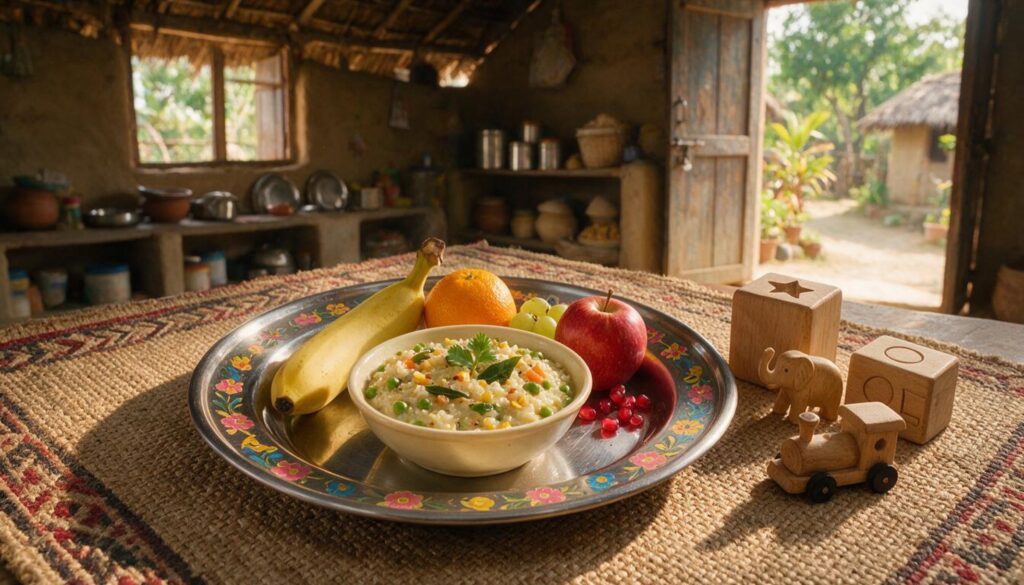
वह single point Anganwadi है। यह Hindi word है, जिसका मतलब “courtyard shelter” होता है। आम तौर पर यह एक साधारण कमरा होता है, जिसे local woman चलाती है। यहाँ बच्चे weigh होते हैं, खाना पाते हैं, immunization होता है और वे अपने पहले songs और numbers सीखते हैं। Design की असली ताकत proximity है: service वहीं पहुँचती है जहाँ बच्चा पहले से है। दो साल के बच्चे और travel न कर सकने वाली nursing mother तक पहुँचने का यही practical तरीका है।
ICDS का administration Ministry of Women and Child Development करती है। यह centrally sponsored scheme है, यानी Centre और states cost share करते हैं और ground पर states इसे चलाते हैं। यह human development के सबसे important years को target करती है। इसी वजह से बदलती governments के लगभग पाँच decades में यह बनी रही, जबकि कई दूसरी schemes आईं और चली गईं।
ICDS किनके लिए है: target group
ICDS दो overlapping groups के लिए बनी है: 0 से 6 साल के बच्चे और pregnant women तथा lactating (nursing) mothers। कई areas में यह adolescent girls तक भी पहुँचती है। यह target list कोई संयोग नहीं है। यह लगभग पूरी तरह first 1,000 days से जुड़ती है, यानी conception से बच्चे के second birthday तक का समय, जब brain और body बन रहे होते हैं और malnutrition सबसे permanent damage करती है।
यहाँ सबसे common confusion है। ICDS school-feeding programme नहीं है। Older children के school meals के लिए अलग scheme है, Mid-Day Meal Scheme, अब PM POSHAN। यह वहीं शुरू होती है जहाँ ICDS school gate पर खत्म होती है। ICDS pre-school years की जिम्मेदार है और PM POSHAN school years की। यह handover साफ़ रखना आधी तैयारी है, क्योंकि दोनों schemes बार-बार mix होती हैं।
Pregnant और lactating women पर focus ICDS को India की maternity-benefit architecture से भी जोड़ता है। Anganwadi worker expecting mother को nutrition और health education देती है। यह PM Matru Vandana Yojana जैसी cash schemes के साथ मिलकर काम करने के लिए है। PMMVY wage-loss incentive देती है, ताकि poor woman pregnancy में rest और nutrition afford कर सके।
ICDS की six services
ICDS Anganwadi centre के ज़रिए six services का package देती है। इन्हें छह के set के रूप में याद करें, क्योंकि “package” scheme का पूरा idea है। चार या पाँच services की आधी-अधूरी list याद रहना सबसे common गलती है।
ये six services हैं: supplementary nutrition, immunization, health check-up, referral services, pre-school non-formal education और nutrition तथा health education। इनमें immunization, health check-up और referral public health system के साथ convergence में दिए जाते हैं, क्योंकि Anganwadi worker doctor नहीं होती। वह health machinery तक पहुँचने का bridge है, उसका substitute नहीं।
| Service | क्या मिलता है | Main beneficiaries |
|---|---|---|
| Supplementary Nutrition (SNP) | Calorie-protein gap भरने के लिए take-home rations और hot cooked meals | 6 months-6 yrs के बच्चे, pregnant और lactating women |
| Immunization | बचाव योग्य childhood diseases के खिलाफ vaccination (health system के साथ) | 0-6 yrs के बच्चे, expecting mothers |
| Health check-up | Growth monitoring, antenatal और post-natal care | 0-6 yrs के बच्चे, pregnant और nursing women |
| Referral services | बीमार या severely malnourished cases को health facilities भेजना | सभी beneficiaries |
| Pre-school education (PSE) | Play के ज़रिए non-formal early learning | 3-6 yrs के बच्चे |
| Nutrition and health education (NHED) | Feeding, hygiene और care practices पर counselling | 15-45 वर्ष की women |
Supplementary nutrition, scheme का heart
Supplementary nutrition (SNP) Anganwadi का नाम सुनते ही most people जिस service की picture बनाते हैं, वही है: take-home ration और hot cooked meal। इसका मकसद बच्चे को पूरा खाना खिलाना नहीं, बल्कि home diet में इतना supplement जोड़ना है कि calorie और protein gap भर सके, जिससे stunting और wasting होती है। यह child malnutrition और stunting पर सबसे सीधा attack है। इसलिए ICDS को केवल pre-school नहीं, frontline nutrition intervention माना जाता है।
Health services और pre-school learning
Immunization, health check-up और referral मिलकर health arm बनाते हैं। Growth monitoring में हर महीने बच्चे का weight लिया और plot किया जाता है। इससे Anganwadi worker malnutrition को emergency बनने से पहले पकड़ सकती है और severe cases को आगे refer कर सकती है। Pre-school non-formal education school-readiness arm है: songs, colours, counting और play, जो 3 से 6 साल के बच्चे को formal schooling के लिए तैयार करते हैं। Nutrition और health education mothers को feeding और hygiene practices सिखाती है, जिससे बाकी five services का असर टिकता है।
Anganwadi worker: इसे असल में कौन चलाता है
इन six services के पीछे Anganwadi Worker (AWW) और उनकी assistant, Anganwadi Helper (AWH), खड़ी होती हैं। AWW आम तौर पर basic education वाली local woman होती है, जिसे उसी community से चुना जाता है जहाँ वह काम करती है। पूरी scheme का human face वही है। वह babies को weigh करती है, food cook या distribute करती है, registers रखती है, immunization छोड़ने वाली mothers को बुलाती है और pre-school class पढ़ाती है।
यह सारा काम वह regular government salary पर नहीं, बल्कि honorary worker on an honorarium के रूप में करती है। यह scheme की सबसे पुरानी और सबसे contested design choices में से एक है। Anganwadi network दस लाख से ज़्यादा women के underpaid labour पर चलता है। उनके status, pay और recognition की बहस कभी खत्म नहीं होती। AWW, ASHA और ANM के साथ उस frontline trio का हिस्सा है जो India की grassroots public health को हर village तक पहुँचाता है। इन तीनों की roles आपस में कैसे जुड़ती हैं, यह पढ़ने में time लगाना useful है।
Scale सचमुच बहुत बड़ा है। ICDS देश भर के करीब 13.9 lakh Anganwadi centres से चलती है। इनमें लगभग 12.7 lakh Anganwadi workers और लगभग उतनी ही helpers काम करती हैं और कई crore beneficiaries तक पहुँचती हैं। दुनिया में बहुत कम programmes इतनी fine network के जरिए इतने young lives को touch करते हैं।
ICDS near-universal कैसे बनी: right-to-food case
ICDS हमेशा पूरे country में नहीं थी। पहले quarter-century में यह phases में expand हुई और coverage patchy रही। Scheme के history का एक सबसे important development government से नहीं, बल्कि Supreme Court से आया। यह legal turn ज़्यादातर notes में छूट जाता है और answer को उठाने वाला यही specific fact है।
लंबे समय चले right-to-food case, PUCL v Union of India (2001) में Supreme Court ने Article 21 के right to life में right to food को शामिल पढ़ा। Court ने governments को ICDS universalize करने के लिए orders दिए: जहाँ जरूरत हो, हर settlement में Anganwadi sanction करें और scheme को discretionary programme के बजाय working entitlement बनाएँ। लगभग 14 lakh centres तक network के बढ़ने के पीछे यही judicial engine है।
यह case दिखाता है कि non-justiciable Directive Principle enforceable Fundamental Right में कैसे खिंच सकता है। अकेले Directive Principles of State Policy के तहत nutrition levels बढ़ाने की state duty court में enforce नहीं की जा सकती। लेकिन Court ने nutrition को Article 21 से जोड़ दिया, तो duty में दाँत आ गए। ICDS Constitution के Part IV और Part III के बीच bridge का पूरे syllabus में सबसे अच्छा example है। इसे दोनों chapters के किसी भी answer में साथ ले जाइए।
Saksham Anganwadi और Mission Poshan 2.0
आज आप जिस scheme को पढ़ते हैं, वह paper पर अब plain “ICDS” नहीं है। इसे restructure करके Mission Saksham Anganwadi and Poshan 2.0 में fold किया गया है। यह umbrella Union government ने nutrition focus को sharpen और Anganwadi को modernise करने के लिए बनाई। यही update current answer को decade-old answer से अलग करती है।
Restructuring में तीन earlier schemes को एक integrated mission में merge किया गया: Anganwadi Services (old ICDS), POSHAN Abhiyaan nutrition mission और Scheme for Adolescent Girls। लक्ष्य था कि overlapping nutrition programmes parallel में न चलें, बल्कि एक roof के नीचे outcomes पर focus हो, खासकर stunting, wasting, anaemia और low birth weight घटाने पर। इसका nutrition-mission logic POSHAN Abhiyaan में detail में पढ़िए। वही outcome targets Poshan 2.0 अब carry करती है।
Poshan 2.0 केवल supply पर नहीं, behaviour change और community mobilization पर भी ज़ोर देती है। September का annual Poshan Maah (Nutrition Month) और Poshan Pakhwada nutrition को public campaign और Jan Andolan, यानी people’s movement, बनाते हैं। तर्क यह है कि अगर home feeding और hygiene practices नहीं बदलेंगी, तो केवल food delivery से stunting नहीं घटेगी। कई Anganwadis अब Poshan Vatikas, यानी छोटे nutrition gardens, भी उगाती हैं ताकि supplementary meal में fresh और locally grown vegetables तथा fruit आएँ। ये cheap interventions हैं, लेकिन important हैं क्योंकि nutrition की last mile government warehouse से नहीं, mother की kitchen से गुजरती है।
“Saksham Anganwadi” upgraded centre को कहा जाता है। इसमें बेहतर infrastructure, clean water, LED lighting और locally sourced तथा diverse food की ओर shift शामिल है। लक्ष्य केवल calorie deficiency नहीं, micronutrient deficiency भी घटाना है। पेट भरने से diet quality ठीक करने तक का यह shift important है, क्योंकि India की nutrition problem hidden hunger की ओर बढ़ रही है। इसे malnutrition और micronutrient deficiency वाले study से साफ़ समझ सकते हैं।
Poshan Tracker: technology layer
Poshan Tracker Ministry of Women and Child Development का बनाया mobile और web application है, जो Anganwadi services को real time में monitor करता है। इससे पहले scheme paper registers पर चलती थी। वे slow थे, उनमें हेराफेरी आसान थी और national scale पर audit करना मुश्किल था। App Anganwadi worker के हाथ में smartphone रखती है और उसके daily work को live data में बदलती है।
इसे dusty ledgers की shelf की जगह ऐसा dashboard समझिए जिसे ministry हर सुबह पढ़ सकती है। Worker attendance और food distribution record करती है। सबसे important है growth monitoring, यानी WHO standards के against height और weight plot करना। इससे stunting और wasting जल्दी दिखाई दे सकती है और ईमानदारी से count हो सकती है। India की direct, digitally tracked health और welfare delivery की wider push में यही instinct दिखती है।
Technology के दो sides हैं और इसे ईमानदारी से देखना चाहिए। Real-time tracking registers में हेराफेरी घटाती है और planners को दिखाती है कि malnutrition कहाँ सबसे ज़्यादा है। लेकिन इससे पहले से overworked honorary worker पर data entry का नया बोझ भी आता है। यह तभी काम करती है जब phone charged हो, signal हो और worker उसे इस्तेमाल करने में comfortable हो। Dashboard उतना ही truthful है जितनी long day के बाद numbers भरने वाली थकी हुई woman।
ICDS के सामने अभी भी कौन-सी challenges हैं
इतनी reach के बावजूद ICDS में chronic weaknesses हैं। उन्हें ठीक-ठीक नाम देना scheme brochure वाले answer और strong answer का फर्क है। पहली है quality versus coverage। India ने centres बनाए और workers रखीं, लेकिन food की nutritional quality, supply की regularity और pre-school class में वास्तविक learning अक्सर design से पीछे रहती है।
दूसरी challenge worker herself है। दस लाख से अधिक women को wage के बजाय honorarium देना और उनसे six services plus data app चलवाना structural strain है। इसका असर burnout, vacancies और turnover में दिखता है। तीसरी है infrastructure। बहुत-सी Anganwadis के पास अभी अपना building, clean water या toilet नहीं है। Saksham Anganwadi upgrade इसे ठीक करने के लिए है, लेकिन हर जगह यह कमी दूर नहीं हुई है।
चौथी challenge money है। यह शांत दिखती है, लेकिन real है। ICDS shared Centre-state financing pattern पर चलती है और supplementary-nutrition component खास तौर पर states के समय पर share release करने पर निर्भर है। State funds देर से आएँ, तो ration रुकती या कम हो जाती है। पूरे design के centre में मौजूद बच्चा ही बिना food के रह जाता है। Malnutrition पर attack करने वाली scheme irregular food supply afford नहीं कर सकती, लेकिन field level पर irregular supply उसकी persistent failures में से एक है।
पाँचवीं सबसे कठिन challenge है। ICDS undernutrition को food-delivery problem की तरह देखती है, लेकिन stunting poor sanitation, unsafe water, maternal undernutrition और repeated infection से भी आती है। Dirty water से बार-बार diarrhoea झेल रहे बच्चे का nutrient loss केवल hot meal से पूरी तरह नहीं रुकता। इसलिए scheme अब convergence पर ज़्यादा ज़ोर देती है। Anganwadi को health, sanitation और drinking-water programmes से जोड़ना पड़ता है, क्योंकि nutrition केवल plate की बात नहीं है।
Exam के लिए ICDS को कैसे पढ़ें
Notes को चार blocks में बनाइए, पूरा topic cover हो जाएगा। पहला basics: full form, 1975 launch, Ministry of Women and Child Development, delivery point के रूप में Anganwadi और 0-6 children plus pregnant तथा lactating women का target group। दूसरा six services। इन्हें set की तरह याद करें और supplementary nutrition तथा pre-school education को एक-एक line में explain करना सीखें।
तीसरा restructuring: umbrella के रूप में Saksham Anganwadi और Poshan 2.0, Anganwadi Services, POSHAN Abhiyaan तथा Scheme for Adolescent Girls का merger और technology layer के रूप में Poshan Tracker। चौथा challenges और convergence argument है, जहाँ analytical marks मिलते हैं। Six services से आगे बढ़कर यह समझा पाएँ कि hot meal अकेले stunting क्यों खत्म नहीं कर सकती, तो topic के सही level पर answer दे रहे हैं।
Defend करने लायक stance यह है कि ICDS delivery की triumph है, लेकिन outcomes में underachiever है। लगभग कोई country इतनी dense village-level early-childhood network नहीं बना पाई है। फिर भी India के stunting numbers उस network की reach की उम्मीद के हिसाब से धीरे गिरे हैं। Binding constraint centres की संख्या नहीं, food की quality, बच्चे के आसपास sanitation और worker का workload था। Architecture को credit देने के बाद real gap outcomes में locate करने वाला answer informed लगता है, rehearsed नहीं।
सामान्य प्रश्न
ICDS का full form क्या है?
ICDS का full form Integrated Child Development Services है। यह scheme 2 October 1975 को शुरू हुई थी और Anganwadi centre के ज़रिए छोटे बच्चों तथा उनकी mothers को nutrition, health और pre-school services का bundled package देती है।
Anganwadi क्या है?
Anganwadi का मतलब “courtyard shelter” होता है। यह village-level centre है जहाँ ICDS दी जाती है। Local Anganwadi Worker और helper इसे चलाते हैं। यहाँ बच्चों का weight लिया जाता है, food मिलता है, immunization होता है और pre-school education दी जाती है।
ICDS का target group कौन है?
0 से 6 वर्ष के बच्चे, pregnant women और lactating (nursing) mothers। कई areas में adolescent girls भी cover होती हैं। Focus conception से बच्चे के second birthday तक के first 1,000 days पर है।
ICDS के तहत six services कौन-सी हैं?
Supplementary nutrition, immunization, health check-up, referral services, pre-school non-formal education तथा nutrition और health education। Immunization, health check-up और referral public health system के साथ convergence में दी जाती हैं।
ICDS कौन-सी ministry चलाती है?
Ministry of Women and Child Development। यह centrally sponsored scheme है जिसे states और union territories ground पर लागू करते हैं।
Saksham Anganwadi और Poshan 2.0 क्या है?
यह umbrella mission है जिसने Anganwadi Services, POSHAN Abhiyaan और Scheme for Adolescent Girls को merge करके ICDS को restructure किया। इसका focus stunting, wasting, anaemia और low birth weight घटाने तथा Anganwadi centre को upgrade करने पर है।
Poshan Tracker क्या है?
Poshan Tracker Ministry of Women and Child Development का mobile और web application है। यह Anganwadi services को real time monitor करता है, खासकर बच्चों की growth monitoring को, और paper registers की जगह live data इस्तेमाल करता है।
ICDS Mid-Day Meal Scheme से कैसे अलग है?
ICDS Anganwadi के ज़रिए pre-school years, यानी 0-6 children और mothers, को cover करती है। Mid-Day Meal Scheme, अब PM POSHAN, school-going children को school में food देती है। School शुरू होते ही ICDS की भूमिका खत्म हो जाती है।
अभ्यास प्रश्न
1. 1975 में शुरू हुई ICDS का administration किस ministry के पास है?
a) Ministry of Health and Family Welfare
b) Ministry of Rural Development
c) Ministry of Women and Child Development
d) Ministry of Education
उत्तर: c) Ministry of Women and Child Development
2. निम्नलिखित में से कौन-सी ICDS की six services में शामिल नहीं है?
a) Supplementary nutrition
b) Pre-school non-formal education
c) Old-age pension
d) Immunization
उत्तर: c) Old-age pension
3. ICDS का primary target group किसमें शामिल है?
a) केवल 6 से 14 वर्ष के बच्चे
b) 0 से 6 वर्ष के बच्चे तथा pregnant और lactating women
c) Poverty line से नीचे के senior citizens
d) 10 से 19 वर्ष के adolescent boys
उत्तर: b) 0 से 6 वर्ष के बच्चे तथा pregnant और lactating women
4. Mission Saksham Anganwadi और Poshan 2.0 ने किन्हें merge किया?
a) ICDS, Mid-Day Meal Scheme और Atal Pension Yojana
b) Anganwadi Services, POSHAN Abhiyaan और Scheme for Adolescent Girls
c) National Health Mission, ICDS और Swachh Bharat
d) PM POSHAN, ICDS और PM Matru Vandana Yojana
उत्तर: b) Anganwadi Services, POSHAN Abhiyaan और Scheme for Adolescent Girls
5. Poshan Tracker का सबसे सही वर्णन क्या है?
a) Pregnant women के लिए cash-transfer scheme
b) Anganwadi services monitor करने वाला real-time ICT application
c) Nutrition rehabilitation hospitals का network
d) Ration-distribution card
उत्तर: b) Anganwadi services monitor करने वाला real-time ICT application
Mains-style questions
- “ICDS delivery की triumph है, लेकिन outcomes में underachiever है।” India की flagship child-development scheme के इस assessment की आलोचनात्मक जाँच कीजिए।
- Mission Saksham Anganwadi और Poshan 2.0 के तहत ICDS की restructuring पर चर्चा कीजिए। Calorie-focus से diet-quality की ओर shift क्या बताता है?
- Anganwadi worker honorarium पर six services चलाती है। ICDS की effectiveness और equity के लिए इस design choice के implications का analysis कीजिए।
- Supplementary nutrition अकेले India में child stunting खत्म क्यों नहीं कर सकती? Nutrition, sanitation और health के बीच convergence का case समझाइए।
- Anganwadi network की governance सुधारने में technology, खासकर Poshan Tracker, की भूमिका और उसकी limits का मूल्यांकन कीजिए।
ICDS लगभग fifty years पहले India का लगाया हुआ वह bet है कि productive citizen बनाने का सबसे सस्ता तरीका है उसे दो साल का होने से पहले reach करना। इस bet से बना network extraordinary scale का है: लगभग हर village में courtyard और local woman, जो सबसे छोटी lives पर नज़र रखती है। अब scheme उन बच्चों की owes यह नहीं करती कि और centres बनाए जाएँ। उसे बेहतर outcomes देने हैं: खाने लायक food, पीने लायक safe water और इतनी paid तथा supported worker कि six services केवल list न रह जाएँ। Reach और result का gap भर दिया जाए, तो ICDS 1975 में किए अपने promise को सच में पूरा करेगी।